

 プレビュー
プレビュー
 シェアする
シェアする シェアする
シェアする
 詳細を見る
詳細を見る

 ダウンロード
 似ている作品
 X線調査
X線調査 スライドショー
 統計情報
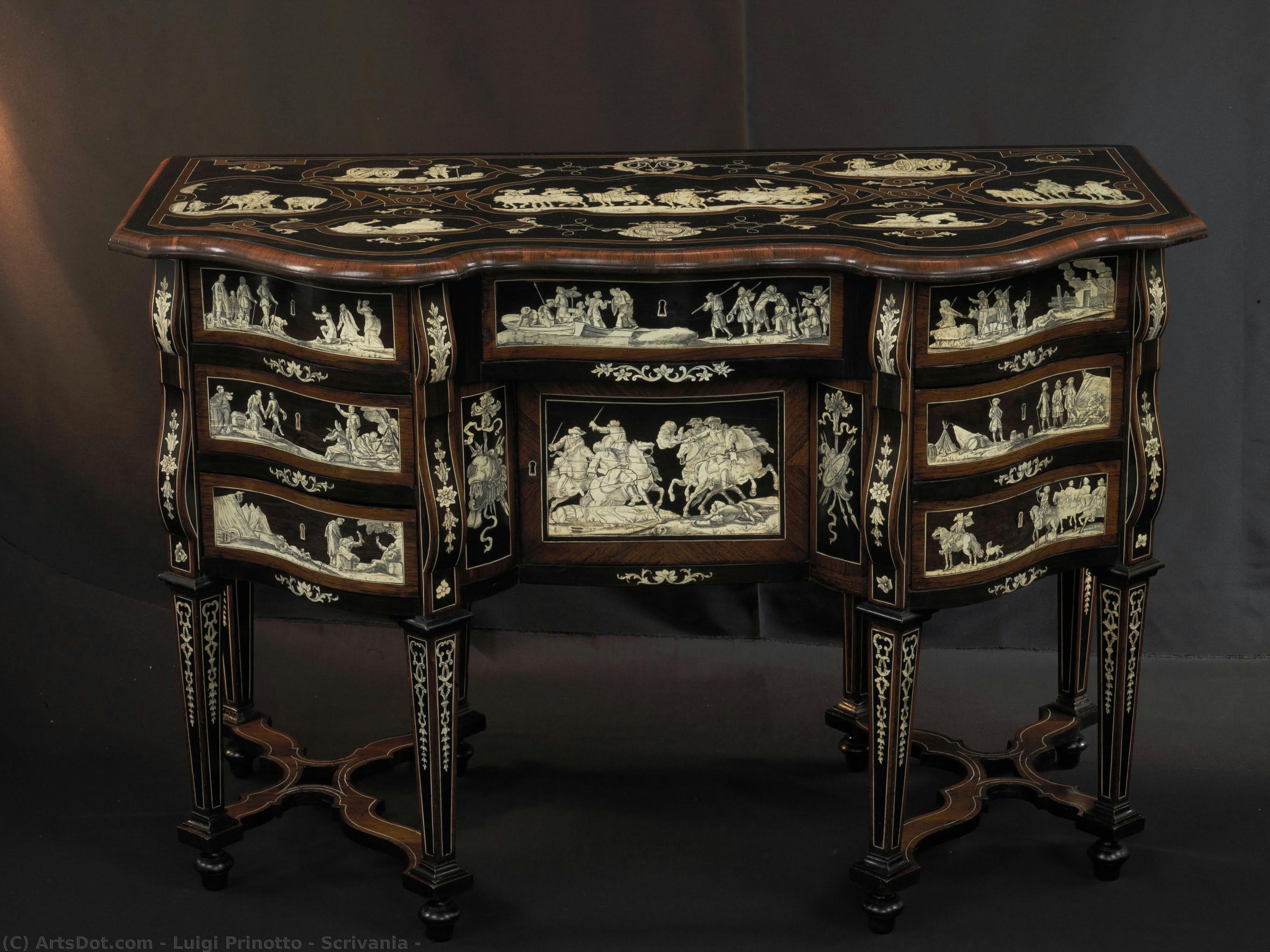
統計情報スクリバニア
 キャンバスにアクリル絵具
- ウォールアート
- Baroque
 1730
1730 131.0 x 83.0 cm
 ヴェナリア宮殿
 詳細を見る
詳細を見る
オンラインプレビューをはるかに凌ぐ、高解像度で鮮明なデジタル画像をご購入いただけます。
各ファイルは、社内の専門家が高度なツールと熟練した手作業によるレタッチを用いて、細心の注意を払って準備されています。すべての画像において、卓越した鮮明度、正確な色彩再現性、そして繊細なディテールを保証いたします。
最終ファイルは、プロフェッショナルな編集・印刷環境ですぐにご利用いただけるよう最適化された状態で、72時間以内にメールにてお届けいたします。これは、一流のデザインスタジオ、出版社、ギャラリーから信頼されているものと同等の品質です。
デジタルアート
個人での鑑賞、印刷、クリエイティブなプロジェクト用に、高解像度ファイルをダウンロードできます。 ( プリント版に切り替え 手描きの絵画を購入)
デジタル画像のご注文に付随する特典
高品質なデジタル画像配信を、確かな品質で。
ArtsDot.com を選ぶことは、単に画像を手に入れることではありません。それは、プロの手によって精密に仕上げられ、満足保証が付いた高品質なデジタルアートワークを受け取ることを意味します。ご注文いただいた際に自動的に付随する内容は、以下の通りです:

メールですぐにお届け
ご注文から72時間以内に、高解像度のデジタル画像ファイルがメールでお手元に届きます。すぐにそのままご利用いただけます。

AI技術で最適化されたデジタルファイル
お客様の作品は、高度なAIツールと専門家による手作業の編集を組み合わせてプロフェッショナルに最適化されており、細部のディテール、鮮明さ、そして正確な色再現性を最大限に引き出しています。

一生涯無料の再送サービス
ファイルを誤って削除したり、紛失してしまったりしましたか?ご安心ください。いつでも無料で再送いたします。

輸入手数料は一切かかりません
関税や手数料、配送料を気にすることなく、お気に入りのアートワークをすぐにお楽しみいただけます。デジタルダウンロードは常に免税です。

色彩再現の保証
プロ仕様のツールとカラーマネジメント技術を用いることで、デジタル画像が元の色を最大限に忠実に再現することを保証いたします。

100日間満足保証
ご購入いただいたデジタル画像にご満足いただけない場合は、100日以内であれば、理由を問わず修正または100%の返金対応をさせていただきます。

100% 返金保証
ご満足いただけない場合は、デジタルファイルを受け取ってから100日以内であれば、理由を問わず全額返金いたします。

まとめ買い割引
3枚購入で10%OFF - 5枚購入で15%OFF - 10枚以上購入で20%OFF。クリエイティブなプロジェクト、ギャラリー、エージェンシーに最適です。
ルイジ・プリンートの「スクリヴァニア」:イタリアバロック絵画の繊細な光と色彩が織り込まれた静謐な空間
ルイジ・プリンートは、17世紀フランス美術に大きな影響を与えた画家の一人でありました。彼の作品「スクリヴァニア」(Scrivania)は、単なる風景画ではなく、イタリアバロック絵画の美しさを凝縮した芸術的な表現です。この絵画は、ローマで活躍したプリンートが吸収した伝統と革新を融合させた結果として生まれたと言えるでしょう。 ローマでの彼の活動は、特にサン・ルイジ・デイ・フランチェーシ教会における聖職者としての生活に大きな影響を与えました。この教会はイタリアのバロック美術の中心であり、多くの芸術家たちがここで創作活動を行いました。プリンートは、この環境の中でジャコポ・バサノや他の巨匠たちの技法を学び、特に光と影の表現において卓越した能力を発揮しました。「スクリヴァニア」における光の使い方は、まさにこれらの伝統的な技法の継承でありながらも、同時に洗練された感覚を持つ芸術家の個性的な視点を示しています。 絵画の中心となるのは、書斎という空間です。シンプルな構成の中に、机と引き出し、そして上に置かれたキャビネットが配置されています。しかし、この静謐な空間に登場するのは、象徴的な要素として印象的なエレファントです。エレファントは、古くから様々な文化において知恵や繁栄の象徴とされてきました。「スクリヴァニア」におけるエレファントの位置は、単なる動物描写にとどまらず、絵画全体に深みと奥行きを与えています。これは、当時のバロック美術が持つ宗教的な精神性と、人間の知性を表現しようとする試みと言えるでしょう。 プリンートの作品は、緻密な観察力と卓越した技術によって描き出されています。彼は細部までこだわり抜きながらも、全体として調和のとれた美しい絵画を作り上げました。「スクリヴァニア」における色彩使いは特に印象的で、温かく豊かな色合いが空間に広がり、見る人に安らぎと感動を与えます。この絵画は、バロック美術の伝統的な美しさを堪能できるだけでなく、現代のインテリアデザインにも取り入れられる可能性を秘めています。高品質なレプリカを通じて、「スクリヴァニア」の芸術的な価値と歴史的な意義を後世に伝え続けることができるでしょう。関連作品

作家の略歴
Claude François (Frère Luc): A Life Painted in Faith and Light
Claude François, more intimately known as Frère Luc – a name bestowed upon him after his dedication to the Recollets order – stands as a compelling figure within 17th-century French art. Born in Amiens around 1614, his early life was marked by a fascination with drawing and an apprenticeship under Simon Vouet, a prominent Mannerist painter in Paris. This initial training provided him with a solid foundation, but it was his subsequent journey to Rome that truly shaped his artistic vision. There, amidst the echoes of the Old Masters, he honed his skills, meticulously copying works by giants like Jacopo Bassano and absorbing their techniques – particularly the masterful use of light and shadow. A pivotal moment in his life occurred during a youthful fall from a church tower; this event, recounted with dramatic detail, became intertwined with a promise to dedicate his life to religious service, solidifying his path towards monasticism.The Recollets and a Journey to New France
In 1670, Claude François embraced the Recoletos (Recollets) order in Châlons-en-Champagne, adopting the moniker Frère Luc. This transition marked a significant shift in his artistic focus, moving away from purely secular commissions and towards devotional works intended to inspire faith. His time within the monastery was not merely one of quiet contemplation; he actively contributed to the embellishment of sacred spaces, notably designing the reconstruction of Quebec’s monastery and seminary – a testament to his practical skills and dedication. However, his artistic spirit extended beyond France's borders, leading him to New France (Canada) in 1670. During his fifteen-month sojourn, Frère Luc produced a series of monumental religious paintings, most notably *La Sainte Famille à la Huronne* (The Holy Family with a Huron Woman), which remains a significant work reflecting the complexities and nuances of early colonial encounters. These canvases served as powerful visual narratives for the burgeoning Catholic community in Quebec City, bridging European artistic traditions with Indigenous perspectives.Style and Influences: A Harmonious Blend
Frère Luc’s artistic style is characterized by a remarkable synthesis of influences – a harmonious blend of Mannerism, Raphael's grace, and the dramatic lighting techniques of Italian masters. His early works, particularly those produced in Rome, demonstrate a clear admiration for Raphael, mirroring his compositional clarity, balanced forms, and refined elegance. However, he wasn’t merely a copyist; he infused these influences with a distinctly French sensibility, employing a softer palette and a more intimate portrayal of figures. The impact of Flemish genre painting, particularly the work of Adriaen Brouwer, is also evident in his depictions of peasant life – scenes rendered with a keen eye for detail, capturing both the humor and the hardship of everyday existence. Furthermore, elements of Caravaggio’s dramatic chiaroscuro are subtly integrated into his compositions, creating a sense of depth and emotional intensity.Notable Works and Legacy
Among Frère Luc's most celebrated works are *L'Assomption de la Vierge* (The Assumption of the Virgin), created at a remarkably young age in Amiens, and his series of paintings for the Jacobin church – including a copy of Bassano’s *Assumption*. His portrait of Saint Augustine presenting a dead child to the Madonna and Child, with a canvas showing his fall into the Somme behind the Virgin, is a poignant example of his ability to imbue religious subjects with personal narrative. His contributions to Quebec City's artistic landscape were particularly significant, establishing a precedent for large-scale devotional paintings that would shape the visual identity of the nascent colony. While often overshadowed by more prominent figures of the era, Claude François (Frère Luc) remains a vital figure in French art history – an artist who seamlessly combined religious devotion with technical mastery and a profound understanding of human experience.Connections to Other Artists
Frère Luc’s artistic journey reveals intriguing connections to other prominent figures of the 17th century. His early training under Simon Vouet, a key figure in the development of French portraiture, laid the groundwork for his subsequent career. The influence of Domenichino, Raphael's student, is also apparent in his meticulous attention to detail and compositional balance. Furthermore, his time in Rome exposed him to the works of Jacopo Bassano, whose dramatic use of light and color profoundly impacted his own style. The echoes of Adriaen Brouwer’s genre paintings are particularly noticeable in his depictions of peasant life, suggesting a shared interest in capturing the realities of everyday existence. Finally, his work with Jean-Marc Nattier during the later years of his career demonstrates a continued engagement with portraiture and a mastery of fashionable artistic trends.
luigi prinotto
1685 - 1780 , Italy
プロフィール概要
- Artistic Movement Or Style: Baroque
- Artists Or Movements Influenced By This Artist:
- Jacopo Bassano
- Jean-Marc Nattier
- Artists Who Influenced This Artist:
- Simon Vouet
- Raphael
- Date Of Birth: 1614
- Date Of Death: 1685
- Full Name: Claude François (Frère Luc)
- Nationality: French
- Notable Artworks:
- Assumption of the Virgin
- Saint Augustine's Vision
- Place Of Birth: Amiens, France