

 プレビュー
プレビュー
 プリントを購入
 シェアする
シェアする シェアする
シェアする
 詳細を見る
詳細を見る

 ダウンロード
 似ている作品
 X線調査
X線調査 スライドショー
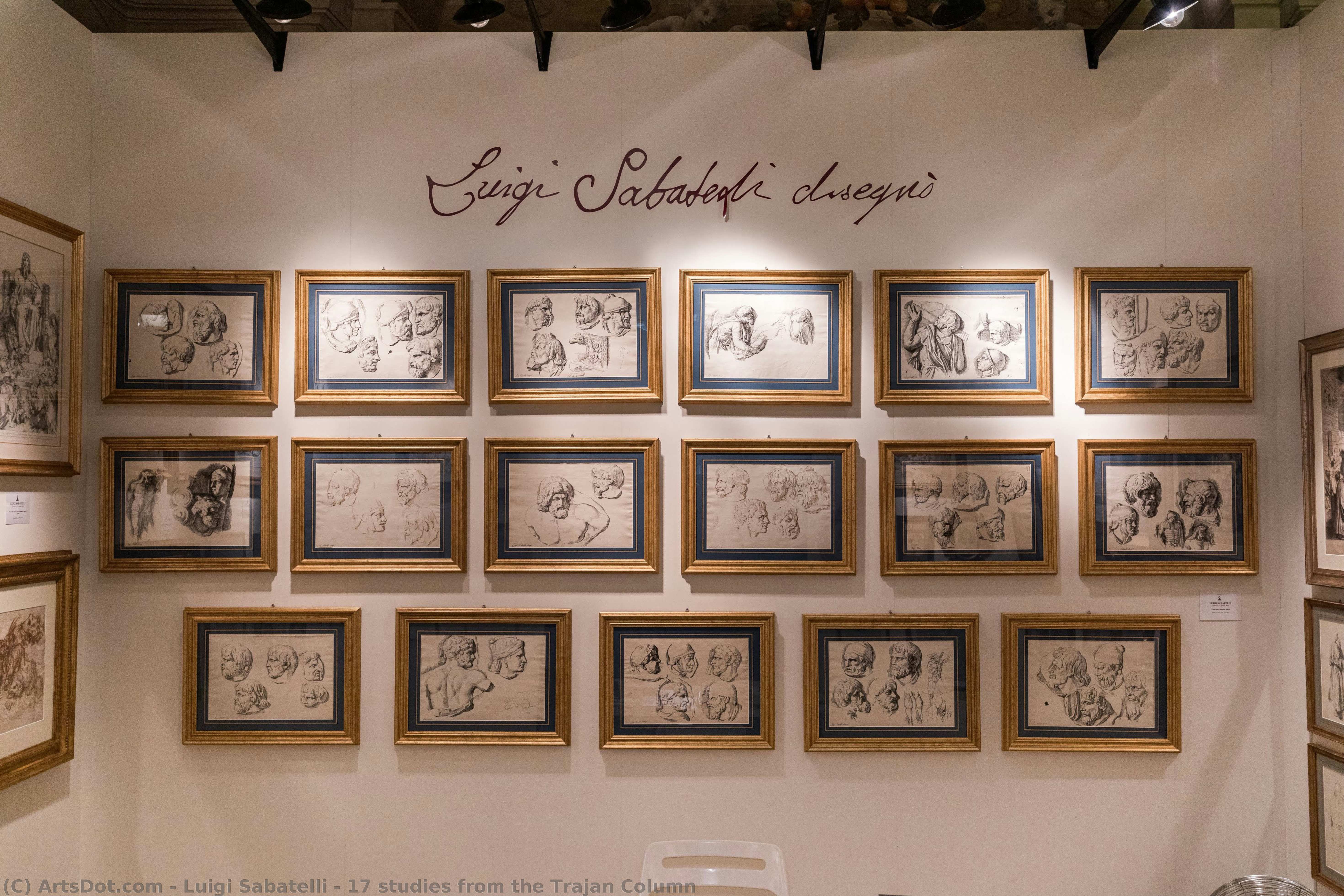
17 studies from the Trajan Column
 Drawing
- WallArt
- Neoclassicism
 19th Century
 31.0 x 48.0 cm
 Biennale Internazionale dell'Antiquariato di Firenze
 詳細を見る
詳細を見る




P118B $10

P118H $10

P118W $10

P438Z $10

P508JH $12

P508YH $12

P805H $10

P805Z $10

P919BZ $10

P919G $10

P919XJ $10

P959ZH $10

P968JZ $12

W106C $8

W218G $10

W218JH $8

W218Y $10

W307PJ $10

W316G $10

W316PJ $8

W316Y $10

W398PJ $8

W4111J $10

W500HY $15

W500JH $15

W692G $12

W849H $8

W940BG $15

W953PJ $8




作品のオリジナル比率に合わせた、当店の規定サイズからお選びください。

特定のフレームやスペースに合わせて、ご希望のサイズをご入力いただけます。選択されたサイズが元の画像の比率と異なる場合、アートワークをトリミングするか、手描きで要素を追加して絵画を拡張いたします。デジタルモックアップ を制作し、制作開始前にご確認(承認)をいただきます。
画面上のプレビューは、実際のトリミングや拡張を正確に反映しているものではありません。最終的な構図は、モックアップによってのみ正確にご確認いただけます。
カスタムサイズもご利用いただけますが、元の比率を維持するためには、あらかじめ用意されたリストからサイズを選択することをお勧めいたします。
ご注文後、ArtsDot.com チームより詳細な指示をお送りするとともに、仕上がりイメージ(モックアップ)をご提供いたします。


 ガラスオプションは、110cm未満のサイズでのみご利用いただけます。

17 studies from the Trajan Column
複製技法
複製画のサイズ
-


合計金額
$ 263
A Window into Antiquity: The Essence of Sabatelli’s Vision
In the delicate interplay of light and shadow captured within "17 Studies from the Trajan Column," we encounter more than just a mere collection of sketches; we enter the meticulous mind of Luigi Sabatelli. This evocative work, rendered in a masterful drawing medium, serves as a profound dialogue between the Neoclassical era and the eternal grandeur of Imperial Rome. As one gazes upon these studies, there is an immediate sense of being transported to a time when the echoes of Roman triumph still resonated through the halls of Italian academies. The piece functions as a rhythmic exploration of movement, capturing fragmented moments of human drama that once adorned the spiraling reliefs of Trajan's monumental column.
The composition possesses a unique, kinetic energy, where each study acts as a heartbeat within a larger historical narrative. Sabatelli does not merely replicate stone; he breathes life into it, translating the cold permanence of marble into the fluid, expressive language of ink and graphite. For the discerning collector or interior designer, this artwork offers a sophisticated layer of intellectual depth, providing a focal point that invites prolonged contemplation and rewards the observant eye with its intricate details and historical gravity.
Technique and the Mastery of Line
The technical brilliance of this work lies in Sabatelli’s ability to command the medium to suggest both weight and grace. Through a sophisticated use of line and tonal gradation, the artist achieves a sense of three-dimensionality that mimics the sculptural relief of the original Roman monument. There is a rhythmic cadence to the strokes, where certain areas are left light and airy, allowing the paper to breathe, while others are deeply etched with shadow to create dramatic tension. This mastery of contrast—the chiaroscroll effect—is what gives the figures their palpable presence.
Every stroke serves a purpose, contributing to the anatomical precision that was the hallmark of Sabatelli’s training at the Florentine Academy. The artist utilizes the medium to delineate the musculature and the heavy drapery of classical attire, creating a tactile sensation that makes the historical figures feel almost reachable. This level of detail is particularly captivating in a reproduction, as it preserves the delicate nuances of the original hand-drawn textures, making it an exquisite addition to any curated gallery wall or a refined study.
Historical Resonance and Interior Elegance
To possess or display a work inspired by the Trajan Column is to embrace the very foundations of Western classical tradition. Sabatelli, a pivotal figure in Italian Neoclassicism, used these studies to bridge the gap between the archaeological discoveries of his time and the burgeoning Romantic sensibilities of the early 19th century. The artwork carries an inherent nobility, making it an ideal centerpiece for spaces designed with an air of timelessness—such as a formal library, a grand foyer, or a sophisticated executive suite.
For those looking to infuse their environment with a sense of cultural heritage, this piece offers an unparalleled opportunity. It does not merely decorate a room; it anchors it with historical significance and artistic prestige. Whether integrated into a modern minimalist setting to provide a striking classical contrast, or placed within a traditional period room to enhance its academic atmosphere, "17 Studies from the Trajan Column" remains a testament to the enduring power of the classical ideal, promising to inspire awe in all who encounter its storied lines.
関連作品
アーティストの略歴
Luigi Sabatelli: A Neoclassical Vision of Antiquity
Luigi Sabatelli (1772-1850) stands as a pivotal figure in Italian neoclassicism, an artistic movement that sought to revive the grandeur and moral ideals of ancient Greece and Rome. Born in Florence, he embarked on a prolific artistic journey spanning Milan, Rome, and his homeland, leaving behind a legacy marked by monumental frescoes and influential teaching—a testament to his dedication to preserving classical heritage within the burgeoning Romantic era. His life's work serves as a bridge between the rigorous discipline of the Enlightenment and the emotional depth that would soon define the nineteenth century.
Sabatelli’s formative years were spent honing his skills in Florence and Rome, immersing himself in the intellectual fervor of the time. He studied diligently at the Florentine Academy, absorbing the humanist principles championed by masters who profoundly shaped the artistic landscape of their age. This grounding in classical scholarship became a cornerstone of his distinctive style. His technique was characterized by a meticulous attention to anatomical precision and a profound understanding of linear detail, often achieved through masterful hatching and pen-and-ink work. Whether capturing the intricate details of Roman monuments or preparing religious compositions, Sabatelli’s hand reflected a deep reverence for the Renaissance tradition.
The Majesty of Fresco and Classical Study
Sabatelli’s artistic reputation ascended to unparalleled heights with his monumental frescoes adorning the Hall of the Iliad at Palazzo Pitti in Florence. Commissioned between 1822 and 1825, these eight lunettes depict scenes from Homer's epic poem—a bold undertaking that demanded meticulous planning and execution. His portrayal of Achilles and Hector captivated audiences with its dramatic composition and evocative use of color, embodying the core tenets of neoclassicism: clarity, restraint, and reverence for classical form. This project solidified his position as one of Italy's foremost painters and cemented his enduring contribution to artistic history.
Beyond the grand scale of palace frescoes, Sabatelli’s genius was equally evident in his intimate preparatory studies. His ability to translate the weight of history onto paper allowed him to explore the nuances of antiquity with unparalleled depth. Some of his most significant explorations include:
- Studies from the Trajan Column: A captivating collection of Neoclassical sketches capturing intricate details from this Roman masterpiece, offering a rare glimpse into ancient grandeur through his precise line work.
- Classical Figure Studies: Meticulous drawings, such as his study of the back of the Perseus helmet by Cellini, which showcase his mastery of Renaissance-style hatching and anatomical detail.
- Religious Preparations: Detailed pen and ink sketches, such as those intended for the fresco in the Chiesa di Valmadrera, demonstrating his ability to apply classical rigor to sacred subjects.
Legacy and Historical Significance
The significance of Luigi Sabatelli lies not only in the finished masterpieces that adorn Italian walls but also in his role as a custodian of classical memory. As an educator and a scholar of form, he helped sustain the flame of Neoclassicism during a period of rapid cultural transition. His work remains a vital touchstone for anyone seeking to understand the intersection of archaeological discovery and artistic expression in the nineteenth century. Through his disciplined brush and thoughtful ink, Sabatelli ensured that the echoes of the ancient world would continue to resonate through the ages, providing a sense of permanence and dignity in an ever-changing world.
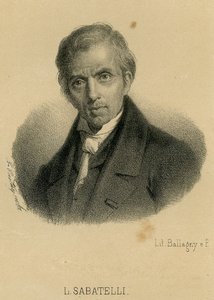
Luigi Sabatelli
1772 - 1850 , Italy
基本情報
- Artistic Movement Or Style: Neoclassicism
- Artists Or Movements Influenced By This Artist: ['Brera Academy']
- Artists Who Influenced This Artist: ['Classical Art']
- Date Of Birth: Florence, Italy (1772)
- Date Of Death: 1850
- Full Name: Luigi Sabatelli
- Nationality: Italian
- Notable Artworks:
- Meeting of David and Abigail
- Olympus
- Place Of Birth: Florence
関連記事

The Nuances of Graphite: Exploring Emotional Depth & Technical Mastery in Pencil Drawing
Explore the captivating world of graphite drawing! Discover its rich history, master essential techniques like chiaroscuro, and learn how artists evoke emotion through this timeless medium. Expert insights for art enthusiasts.
レオナルド・ダ・ヴィンチ:至高の25選 - 芸術、科学、そして不朽の名作の世界
レオナルド・ダ・ヴィンチの至宝25選。モナリザ、最後の晩餐…ルネサンス美術を代表する名画の世界へ。芸術史、技法、そして感動の物語を紐解き、お部屋に飾る高級複製画で特別な空間を。ArtsDot.comで全コレクションをご覧ください。
Frederick Bridgman: Anatomical Mastery & the Evolution of Figure Drawing Instruction
Explore the anatomical mastery of George B. Bridgman & his revolutionary figure drawing techniques. Discover how his methods transformed art instruction and continue to inspire artists today. Learn more at ArtsDot.

The Eloquent Line: Exploring the Artistic Significance of Sketches Across Movements and Media
Explore the profound artistic significance of sketches throughout history. From Renaissance masters to modern innovators like Van Gogh & Guston, discover how these foundational works reveal technique, emotion, and vision. Learn more at ArtsDot.
大英博物館の至宝25選:歴史と芸術が織りなす感動の旅 | ArtsDot
大英博物館の至宝25選:歴史を彩る絵画、彫刻の世界へ。印象派から古代美術まで、名作の背景と芸術家の情熱に迫ります。ArtsDotで高品質なアート複製やインテリアをお楽しみください。オンラインで全コレクションをご覧ください。

