

 プレビュー
プレビュー
 プリントを購入
 シェアする
シェアする シェアする
シェアする
 詳細を見る
詳細を見る

 ダウンロード
 似ている作品
 X線調査
X線調査 スライドショー
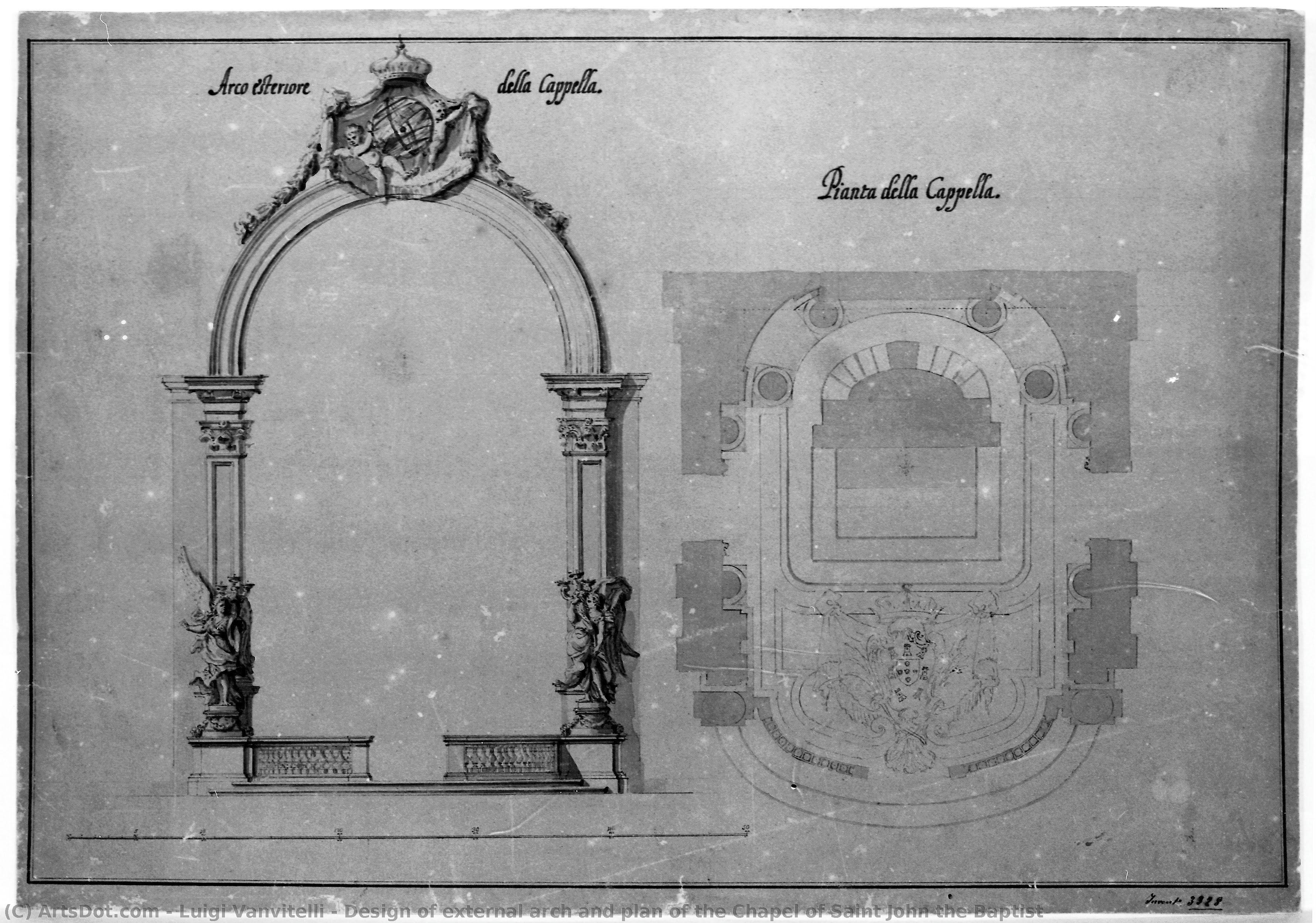
Design of external arch and plan of the Chapel of Saint John the Baptist


 詳細を見る
詳細を見る
オンラインプレビューをはるかに凌ぐ、高解像度で鮮明なデジタル画像をご購入いただけます。
各ファイルは、社内の専門家が高度なツールと熟練した手作業によるレタッチを用いて、細心の注意を払って準備されています。すべての画像において、卓越した鮮明度、正確な色彩再現性、そして繊細なディテールを保証いたします。
最終ファイルは、プロフェッショナルな編集・印刷環境ですぐにご利用いただけるよう最適化された状態で、72時間以内にメールにてお届けいたします。これは、一流のデザインスタジオ、出版社、ギャラリーから信頼されているものと同等の品質です。
デジタル画像のご注文に付随する特典
高品質なデジタル画像配信を、確かな品質で。
ArtsDot.com を選ぶことは、単に画像を手に入れることではありません。それは、プロの手によって精密に仕上げられ、満足保証が付いた高品質なデジタルアートワークを受け取ることを意味します。ご注文いただいた際に自動的に付随する内容は、以下の通りです:

メールですぐにお届け
ご注文から72時間以内に、高解像度のデジタル画像ファイルがメールでお手元に届きます。すぐにそのままご利用いただけます。

AI技術で最適化されたデジタルファイル
お客様の作品は、高度なAIツールと専門家による手作業の編集を組み合わせてプロフェッショナルに最適化されており、細部のディテール、鮮明さ、そして正確な色再現性を最大限に引き出しています。

一生涯無料の再送サービス
ファイルを誤って削除したり、紛失してしまったりしましたか?ご安心ください。いつでも無料で再送いたします。

輸入手数料は一切かかりません
関税や手数料、配送料を気にすることなく、お気に入りのアートワークをすぐにお楽しみいただけます。デジタルダウンロードは常に免税です。

色彩再現の保証
プロ仕様のツールとカラーマネジメント技術を用いることで、デジタル画像が元の色を最大限に忠実に再現することを保証いたします。

60日間満足保証
ご購入いただいたデジタル画像にご満足いただけない場合は、60日以内であれば、修正または100%の返金(理由を問う必要はありません)をさせていただきます。

100% 返金保証
ご満足いただけない場合は、デジタルファイルを受け取ってから60日以内であれば、理由を問わず全額返金いたします。

まとめ買い割引
3枚購入で10%OFF - 5枚購入で15%OFF - 10枚以上購入で20%OFF。クリエイティブなプロジェクト、ギャラリー、エージェンシーに最適です。
関連作品





作家の略歴
The Shadow of Europe: Theodore de Bry and the Genesis of American Art
Theodore de Bry, a name often overshadowed by the titans of the Renaissance and Baroque, stands as a pivotal figure in the early history of American art. Born in 1700 (though precise dates remain somewhat elusive), de Bry’s legacy isn't found in grand canvases or meticulously rendered portraits, but rather in his prolific output of engravings – images that fundamentally shaped European perceptions of the New World and, crucially, influenced the nascent artistic identity of the American colonies. His work represents a fascinating intersection of European ambition, colonial encounter, and the burgeoning field of printmaking. De Bry’s contribution wasn't simply to document; it was to actively construct a narrative – one that often reinforced European dominance while simultaneously offering a glimpse into a world both alluring and terrifying.Early Life and the Rise of the Engraver
De Bry’s career unfolded against the backdrop of 18th-century Europe, a period witnessing an explosion in printmaking technology. He began his journey as a simple apprentice to his father, Jean de Bry, a renowned book illustrator. This early training instilled in him a deep understanding of woodcut and engraving techniques – skills he would master with remarkable speed and versatility. Initially, de Bry’s work focused on illustrating books, particularly those detailing voyages and explorations. However, it was the burgeoning interest in colonial ventures that truly propelled his career forward. The demand for accurate depictions of newly discovered lands and peoples fueled a massive surge in print production, providing de Bry with unprecedented opportunities to showcase his talents. He quickly established himself as one of the most sought-after engravers in Europe, producing images for a diverse clientele including royal courts, wealthy merchants, and adventurous explorers.Theodore de Bry’s American Engravings: A European Lens
De Bry's engagement with America was largely mediated through the accounts of European travelers and missionaries. He didn’t personally explore the continent; instead, he meticulously reproduced images – often based on sketches or watercolors – provided by individuals like John White, who documented the Roanoke Colony, and later, Samuel de Champlain, whose detailed descriptions and maps proved invaluable. Crucially, de Bry wasn't a passive reproducer. He significantly altered these accounts, adding his own interpretations and embellishments. His engravings of the Americas, particularly those depicting Native American populations, frequently presented a skewed and often stereotypical view – one that emphasized European superiority and reinforced existing prejudices. Images like those of the Powhatan Confederacy, for instance, were rendered with a deliberate theatricality, portraying indigenous peoples as savage and uncivilized, aligning perfectly with the prevailing colonial ideology.- The Roanoke Colony Engravings: De Bry’s depictions of Roanoke are particularly revealing. He presented a romanticized vision of the lost colony, emphasizing its tragic fate and subtly suggesting that European mismanagement was to blame.
- Champlain's Voyages: His engravings based on Champlain’s explorations contributed significantly to the European understanding of the St. Lawrence River region, solidifying French claims to the territory.
- Portrayals of Native Americans: These images consistently depicted indigenous peoples as primitive and dangerous, reinforcing colonial narratives of conquest and domination.
Influence and Legacy: Shaping Perceptions of America
Despite the problematic nature of his representations, Theodore de Bry’s engravings played a crucial role in shaping European perceptions of America. His images were widely disseminated through books, maps, and broadsides, reaching a vast audience across Europe. They fueled colonial ambitions, justified territorial expansion, and contributed to the romanticized – and often inaccurate – portrayal of the New World that captivated imaginations. Furthermore, de Bry’s work helped establish engraving as a dominant medium for visual documentation, paving the way for future generations of artists and illustrators. His meticulous attention to detail and his ability to capture the essence of a scene influenced countless subsequent engravers.A Complex Figure in Art History
Theodore de Bry’s legacy is undeniably complex. He was not an artist who sought to celebrate or authentically represent American culture; rather, he was a skilled craftsman serving the interests of European colonialism. However, his work offers invaluable insights into the early stages of visual representation and the powerful ways in which images can shape our understanding of history and culture. Studying de Bry’s engravings compels us to critically examine the narratives they convey – and to recognize the enduring impact of biased representations on shaping perceptions of the world. His contribution lies not just in his technical skill, but in his role as a key architect of the European image of America—an image that continues to resonate today.
luigi vanvitelli
1700 - 1773 , Italy
プロフィール概要
- Artistic Movement Or Style: True-View Painting (Joseon Period)
- Date Of Death: 1759
- Full Name: Jeong Seon (Gyeomjae)
- Nationality: Korean
- Notable Artworks: ['Landscape paintings']
- Place Of Birth: Korea

