

 プレビュー
プレビュー
 プリントを購入
 シェアする
シェアする シェアする
シェアする
 詳細を見る
詳細を見る

 ダウンロード
 似ている作品
 X線調査
X線調査 スライドショー
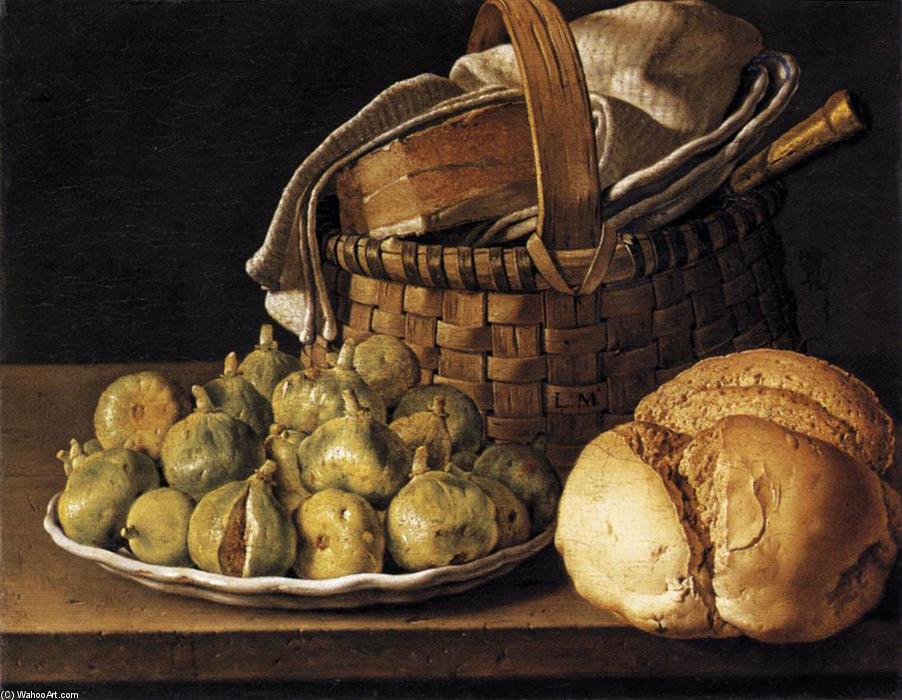
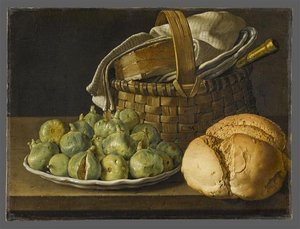
Still-Life with Figs
 Acrylic On Canvas
- WallArt
- Baroque Still Life
 1760
1760- Renaissance
 37.0 x 49.0 cm
 ルーブル美術館
 詳細を見る
詳細を見る




P118B $10

P118H $10

P118W $10

P438Z $10

P508JH $12

P508YH $12

P805H $10

P805Z $10

P919BZ $10

P919G $10

P919XJ $10

P959ZH $10

P968JZ $12

W106C $8

W218G $10

W218JH $8

W218Y $10

W307PJ $10

W316G $10

W316PJ $8

W316Y $10

W398PJ $8

W4111J $10

W500HY $15

W500JH $15

W692G $12

W849H $8

W940BG $15

W953PJ $8




作品のオリジナル比率に合わせた、当店の規定サイズからお選びください。

特定のフレームやスペースに合わせて、ご希望のサイズをご入力いただけます。選択されたサイズが元の画像の比率と異なる場合、アートワークをトリミングするか、手描きで要素を追加して絵画を拡張いたします。デジタルモックアップ を制作し、制作開始前にご確認(承認)をいただきます。
画面上のプレビューは、実際のトリミングや拡張を正確に反映しているものではありません。最終的な構図は、モックアップによってのみ正確にご確認いただけます。
カスタムサイズもご利用いただけますが、元の比率を維持するためには、あらかじめ用意されたリストからサイズを選択することをお勧めいたします。
ご注文後、ArtsDot.com チームより詳細な指示をお送りするとともに、仕上がりイメージ(モックアップ)をご提供いたします。


 ガラスオプションは、110cm未満のサイズでのみご利用いただけます。

Still-Life with Figs
複製技法
複製画のサイズ
-


合計金額
$ 263
作品解説
A Stillness of Abundance: Luis Egidio Meléndez’s “Still Life with Figs”
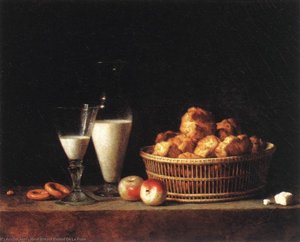
Luis Egidio Meléndez, a name perhaps less familiar than many of his 18th-century contemporaries, nevertheless stands as a towering figure in the history of Spanish still life painting. His work, particularly pieces like "Still Life with Figs," offers a profound glimpse into the world of domesticity and material wealth during a period of burgeoning Baroque aesthetics. This particular canvas, created around 1760, is not merely a depiction of food; it’s a carefully constructed tableau brimming with symbolic resonance and technical mastery – a testament to Meléndez's singular ability to imbue everyday objects with an almost palpable sense of life.
The painting immediately draws the eye to the dominant presence of a woven basket, overflowing with rustic bread. This isn’t simply a collection of loaves; each piece is rendered with meticulous detail – the varying textures of crust and crumb, the subtle shadows that define their form. Scattered around this central element are an array of apples, some gleaming red and ripe, others paler and hinting at ripeness, strategically placed to create depth and visual interest. A simple bowl, partially obscured by the arrangement, suggests further bounty, perhaps containing more fruit or a selection of nuts – elements common in still lifes intended to evoke a sense of plentifulness and prosperity.
The Painter’s World: Meléndez and the Rise of the Still Life
Meléndez's journey as an artist is a fascinating one, marked by both privilege and hardship. Born into a family steeped in artistic tradition – his father a miniaturist who had traveled extensively throughout Europe – he initially benefited from courtly patronage. However, his career was punctuated by setbacks, including a controversial dispute with the director of the Real Academia de Bellas Artes de San Fernando, ultimately leading to his expulsion and a period of relative obscurity. Despite these challenges, Meléndez persevered, developing a distinctive style characterized by its quiet elegance, masterful use of light, and an almost obsessive attention to detail.
The rise of the still life genre during the 18th century coincided with shifts in artistic tastes and patronage. Moving away from grand historical or religious scenes, wealthy collectors began to appreciate paintings that depicted domestic interiors and luxurious objects – a reflection of their own status and wealth. Meléndez perfectly captured this trend, transforming humble foodstuffs into subjects worthy of admiration and contemplation. His works were not simply decorative; they offered a window into the lives of the affluent, showcasing their possessions with an understated sophistication.
Technique and Symbolism: A Study in Light and Texture
Meléndez’s technique is remarkably refined, demonstrating a deep understanding of chiaroscuro – the dramatic interplay of light and shadow. He employs subtle gradations of tone to create a sense of volume and depth, making each object appear almost tangible. The apples, for instance, are not merely painted; they seem to radiate with an inner glow, their surfaces reflecting the ambient light in a convincing manner. The artist’s use of color is equally restrained yet effective, relying on muted tones and earthy hues to create a harmonious and inviting atmosphere.
Beyond its technical brilliance, “Still Life with Figs” is rich in symbolism. Bread, representing sustenance and abundance, takes center stage. Apples, often associated with knowledge and temptation, add an element of intrigue. The arrangement as a whole speaks to the pleasures of the table, the importance of hospitality, and perhaps even a subtle commentary on the fleeting nature of earthly delights. The careful composition suggests a deliberate attempt to evoke a sense of contentment and well-being – a visual meditation on the simple joys of life.
Bringing Meléndez’s Vision Home: A ArtsDot Reproduction
ArtsDot is proud to offer meticulously crafted, hand-painted reproductions of Luis Egidio Meléndez's “Still Life with Figs.” We have painstakingly recreated every detail of the original painting, from the delicate texture of the bread to the subtle nuances of light and shadow. Our skilled artisans use traditional techniques and archival-quality materials to ensure that each reproduction captures the essence of Meléndez’s masterpiece – a timeless work of art that will grace your home for generations to come.
Whether you are an avid collector, an admirer of Baroque art, or simply seeking a beautiful addition to your interior décor, our “Still Life with Figs” reproduction offers a unique opportunity to experience the artistry and elegance of Luis Egidio Meléndez. Explore our collection today and bring this captivating still life into your world.
関連作品
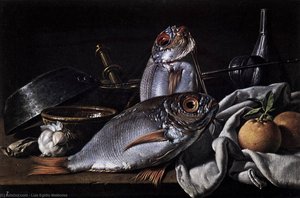
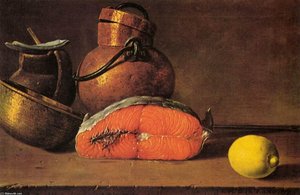
アーティストの略歴
静寂に浸る人生:ルイス・エギディオ・メレンドスの世界
1716年、ナポリの芸術的な血統の中に生を受けたルイス・エギディオ・メレンドス・デ・リヴェラ・ドゥラソ・イ・サント・パドレは、18世紀スペイン絵画における極めて重要な人物としてその名を刻みました。彼の父フランシスコ・メレンドスは、芸術的研鑽を求めてオビエドからマドリード、そしてイタリアへと渡った細密画家であり、叔父のミゲル・ハシントもまたスペイン宮廷で肖像画を手がけていました。幼いルイスにとって、この家族的な芸術環境は揺るぎない基礎となりました。しかし、その後の彼の人生は、王室との繋がり、アカデミーでの挫折、そして最終的には一見控えめに見える「静物画」というジャンルへの深い献身が複雑に絡み合うものとなりました。メレンドスがわずか1歳で家族と共にマドリードへ戻ったことで、彼は宮廷の庇護という軌道に乗ることになります。1725年には父が国王の細密画家として任命されたこともあり、この幼少期の経験は、単なる技術的な習得に留まりとどまらず、王室肖像画に求められる期待や要求への理解をも彼に植え付けました。それは、後に彼が野心と葛藤の両方を抱えながら歩むことになる世界でした。王室への志から、独自のヴィジョンへ
メレンドスの形成期は、確立された芸術的階層の中で認められたいという強い渇望に彩られていました。彼はフランス王室画家ルイ・ミシェル・ヴァン・ルーの指導の下、数年間にわたり肖像画の模写に励み、貴重な経験を積みました。しかし、その活動は自律的な創造というよりは、既存の作品の複製という枠内に留まっていました。彼の野心は、単なる補助的な役割を超え、自らが宮廷画家となることにありました。1744年のサン・フェルナンド王立美術アカデミーの設立は、彼にとって道が開ける好機となり、メレンドスはその第一期生として卓越した素描技術を披露しました。ところが、父がアカデミーの学長に対して行った率直すぎる批判が紛争へと発展し、1748年には父の解任とルイス自身の追放という、キャリアにおける重大な挫折を招いてしまいます。その後、イタリアでの滞在を経て、スペイン国王カルロス3世(当時はナポリ王)のために作品を描く時期もありましたが、1753年にマドリードへ戻り、アルカサル宮殿の修復作業で父を助ける日々が続きました。真に彼自身の道を切り拓き始めたのは1続けた1760年以降のことでした。彼は次第に静物画へと専門を絞っていきます。それは、王室の依頼やアカデミーの承認という制約から解放され、芸術的な自由と独立性を手に入れるための選択でもあったのです。日常の極致:新たな美学の誕生
メレンドスが静物画に捧げた献身は、単なる現実的な選択ではなく、芸術的可能性への意図的な探求でした。彼は、光と影の劇的な演出と緻密な形態描写で知られるフアン・サンチェス・コタンやフランシスコ・デ・スルバランといった17世紀スペインの巨匠たちが築き上げた、厳格な伝統を継承しました。しかし、メレンドスはその遺産に彼独自の感性を吹き込んだのです。対象を暗い背景の中に置く前任者たちとは異なり、彼は被写体を鑑賞者のすぐ近くへと引き寄せました。低い視点(ロー・アングル)を採用することで、直接的な観察と親密な感覚を促したのです。この手法は、経験的な研究と科学的探究を重視する、当時高まりつつあった啓蒙主義の精神と共鳴しており、美学的観点における微細ながらも重大な転換点となりました。1759年から1772年にかけて、彼はアストゥリアス公(後の国王カルロス4世)の私的な自然史博物館のために少なくとも44点の静物画を制作しました。現在プラド美術館に収蔵されているこれらの作品は、その写実性、細部への執着、そして光と影の繊細な扱いによって、ありふれた台所の品々を芸術的な価値を持つ存在へと昇華させ、ジャンルの巨匠としての地位を不動のものにしました。写実主義と静かなる尊厳の遺産
類まれな才能と情熱を持ちながらも、メレドスはその生涯の大部分を相対的な貧困の中で過ごしました。国王への手紙の中で「手元には筆しかない」と嘆いたエピソードはあまりにも有名です。1780年、彼はマドリードで困窮した状態でこの世を去りました。生前、彼が広く認められることはほとんどありませんでした。彼の作品が18世紀スペイン静物画の頂点として絶賛されるようになったのは、あくまで死後のことでした。果物、野菜、陶器、ガラスといった日常的な品々を、芸術的な尊厳と美の域へと引き上げた彼の功績は、今も色褪せることがありません。彼は単に目に見えるものを複製したのではなく、緻密な観察眼と繊細な芸術性というレンズを通して、それらを解釈し直したのです。彼の構図は、単なる物の配置ではなく、光、質感、そして形態を丹念に構築した研究そのものなのです。歴史的意義
ルイス・エギディオ・メレンドスの歴史的な重要性は、その卓越した写実主義、啓蒙主義の理想の受容、そしてスペインの芸術的遺産への貢献にあります。彼は以下の点において高く評価されています。- 写実主義の巨匠: 日常的な物体を驚くべき正確さと細部まで描き出す、比類なき能力。
- 啓蒙主義の影響: 低い視点と直接的な観察への集中は、経験的・科学的な探究を重視した啓蒙主義の精神を反映しています。
- スペイン芸術の遺産: スペイン静物画の伝統を継承しながらも独自のスタイルを確立し、スペイン美術史に永続的な足跡を残しました。
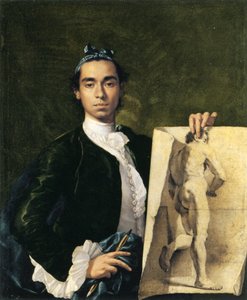
ルイス・エギディオ・メレンデス
1716 - 1780
基本情報
- Artistic Movement Or Style: 静物画
- Artists Who Influenced This Artist:
- フアン・サンチェス・コタン
- フランシスコ・デ・スルバラン
- Date Of Birth: 1716年
- Date Of Death: 1780年
- Full Name: ルイス・エギディオ・メレンデス・デ・リヴェラ・ドラソ
- Nationality: スペイン
- Notable Artworks:
- 無花果の静物画
- 果物と水差しのある静物画
- Place Of Birth: イタリア、ナポリ
関連記事
The Bountiful Still Life: Symbolism & Artistic Representation of Fruit Across Art History
Explore the rich history of still life painting & the symbolism of fruit across art movements. Discover masterpieces from Caravaggio to Cézanne with ArtsDot – expert guidance & museum-quality reproductions.
Silent Narratives: Exploring the Enduring Appeal of Still Life Painting Across Centuries
Explore the rich history of still life painting with ArtsDot. Discover Dutch Masters, decode vanitas symbolism & learn about collecting timeless art. Expert insights and museum-quality reproductions.
The Enduring Appeal of Still Life: A Historical & Contemporary Exploration
Explore the rich history & symbolism of still life painting with ArtsDot. Discover masterpieces from the Dutch Golden Age, learn about vanitas art, and find expert guidance for collecting timeless artworks.
Severin Roesen: Evoking National Identity Through American Still Life Painting
Explore the captivating world of Severin Roesen, a major American still life painter influenced by Dutch masters. Discover his lush compositions and the symbolism within his art – a window into 19th-century America.
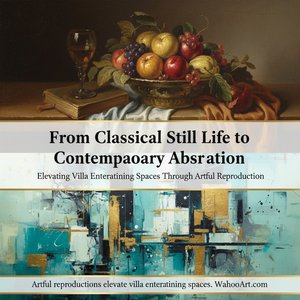
古典的静物画から現代抽象まで:ヴィラでのエンターテイメント空間を格上げする美術複製の世界
ルネサンスから現代アートまで、高品質な美術複製をArtsDot.comで。静物画、ヴァニタス、抽象絵画など、ヴィラ空間を格上げする一点を見つけましょう。カスタムメイドやアートアドバイザーによる無料相談も。

