

 プレビュー
プレビュー
 プリントを購入
 シェアする
シェアする シェアする
シェアする
 詳細を見る
詳細を見る

 ダウンロード
 似ている作品
 X線調査
X線調査 スライドショー
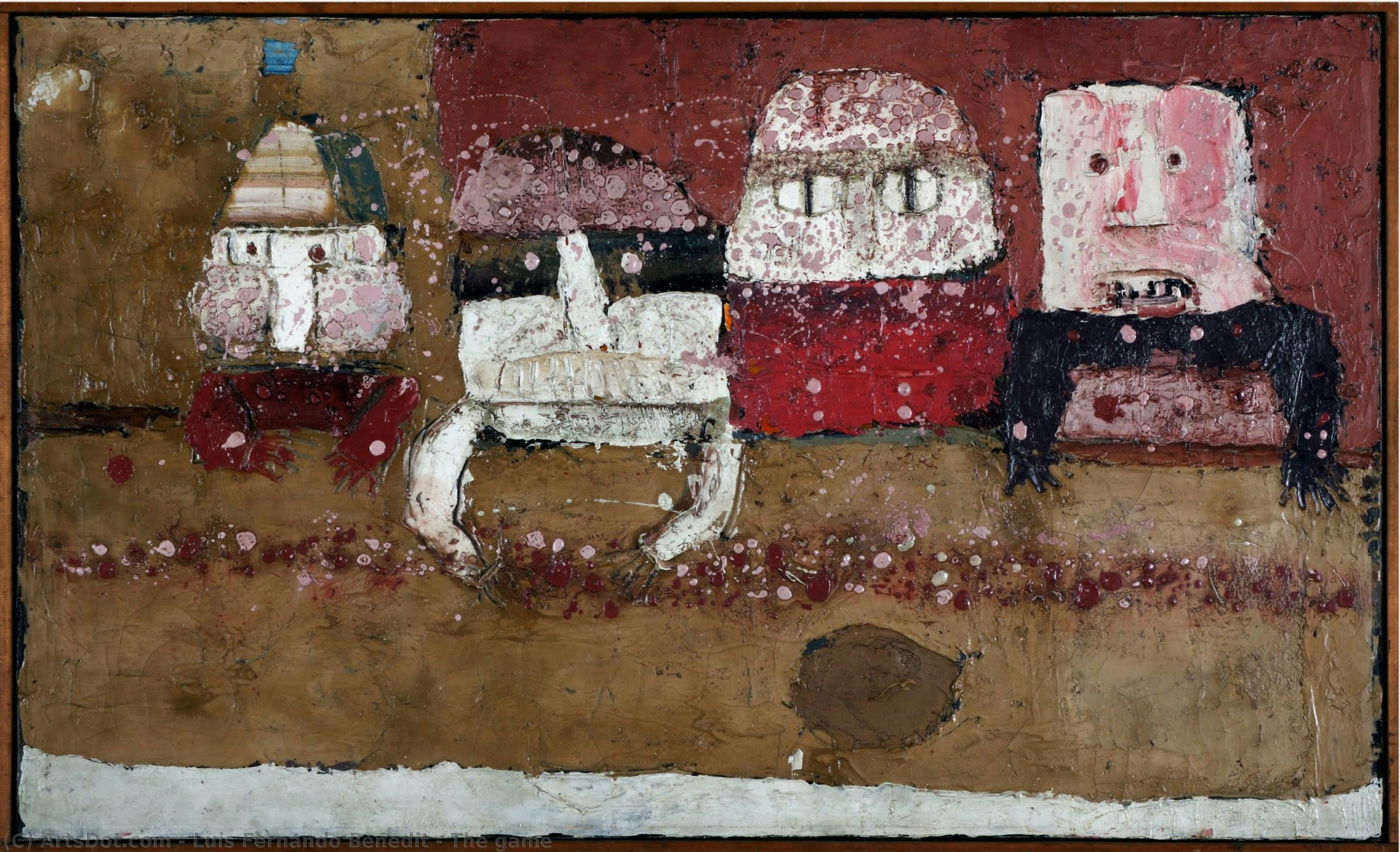
The game
 Oil On Canvas
- WallArt
- Contemporary Art
 Contemporary
 60.0 x 100.0 cm
 ブエノスアイレス現代美術館
 詳細を見る
詳細を見る
オンラインプレビューをはるかに凌ぐ、高解像度で鮮明なデジタル画像をご購入いただけます。
各ファイルは、社内の専門家が高度なツールと熟練した手作業によるレタッチを用いて、細心の注意を払って準備されています。すべての画像において、卓越した鮮明度、正確な色彩再現性、そして繊細なディテールを保証いたします。
最終ファイルは、プロフェッショナルな編集・印刷環境ですぐにご利用いただけるよう最適化された状態で、72時間以内にメールにてお届けいたします。これは、一流のデザインスタジオ、出版社、ギャラリーから信頼されているものと同等の品質です。
デジタル画像のご注文に付随する特典
高品質なデジタル画像配信を、確かな品質で。
ArtsDot.com を選ぶことは、単に画像を手に入れることではありません。それは、プロの手によって精密に仕上げられ、満足保証が付いた高品質なデジタルアートワークを受け取ることを意味します。ご注文いただいた際に自動的に付随する内容は、以下の通りです:

メールですぐにお届け
ご注文から72時間以内に、高解像度のデジタル画像ファイルがメールでお手元に届きます。すぐにそのままご利用いただけます。

AI技術で最適化されたデジタルファイル
お客様の作品は、高度なAIツールと専門家による手作業の編集を組み合わせてプロフェッショナルに最適化されており、細部のディテール、鮮明さ、そして正確な色再現性を最大限に引き出しています。

一生涯無料の再送サービス
ファイルを誤って削除したり、紛失してしまったりしましたか?ご安心ください。いつでも無料で再送いたします。

輸入手数料は一切かかりません
関税や手数料、配送料を気にすることなく、お気に入りのアートワークをすぐにお楽しみいただけます。デジタルダウンロードは常に免税です。

色彩再現の保証
プロ仕様のツールとカラーマネジメント技術を用いることで、デジタル画像が元の色を最大限に忠実に再現することを保証いたします。

100日間満足保証
ご購入いただいたデジタル画像にご満足いただけない場合は、100日以内であれば、理由を問わず修正または100%の返金対応をさせていただきます。

100% 返金保証
ご満足いただけない場合は、デジタルファイルを受け取ってから100日以内であれば、理由を問わず全額返金いたします。

まとめ買い割引
3枚購入で10%OFF - 5枚購入で15%OFF - 10枚以上購入で20%OFF。クリエイティブなプロジェクト、ギャラリー、エージェンシーに最適です。
A Silent Tableau of Suspense
In the evocative oil on canvas titled The Game, the viewer is invited into a meticulously composed scene that feels both intimate and profoundly enigmatic. The painting presents a quartet of figures arranged across the foreground, their positions creating a subtle tension that pulls the eye through the depth of the composition. To the left, a primary figure anchors the scene, while others recede into the mid-ground, establishing a rhythmic movement that guides us toward the right side of the canvas. The presence of two chairs—one positioned near the center-left and another tucked away in the upper-right corner—suggests a moment of pause or perhaps an impending encounter. This arrangement of bodies and objects creates a stage-like atmosphere, where every element feels heavy with unspoken narrative.
The inclusion of a clock hanging prominently on the wall above the figures introduces a poignant layer of symbolism. It serves as a silent observer to the scene, a memento mori that reminds us of the relentless passage of time and the fleeting nature of the "game" being played. This temporal element transforms the painting from a mere depiction of people into a meditation on existence itself. The interplay between the stillness of the figures and the ticking of the unseen clock creates an emotional resonance that is both haunting and deeply contemplative, making it a piece that invites long periods of reflection.
The Architect of Perception
To understand the technical mastery behind The Game, one must look to the visionary hand of Luis Fernando Benedit. As an artist who began his journey rooted in the principles of architecture, Benedit brought a unique structural discipline to his canvases. His ability to organize space is evident in how he utilizes simplified forms and bold, deliberate strokes to define the figures and their environment. The technique employed here allows for a clarity of vision that is both striking and accessible, where the texture of the oil paint adds a tactile dimension to the scene, enhancing the physical presence of the subjects.
Benedit’s work often bridges the gap between the tangible world and the abstract concept of systems. In this piece, his signature style—characterized by a subtle humor and an exploration of social dynamics—is on full display. He does not merely paint figures; he constructs a visual system of relationships and spatial hierarchies. For collectors and interior designers, this painting offers more than just aesthetic beauty; it provides a sophisticated intellectual anchor for any space. Its large-scale presence (60 x 100 cm) and the masterful use of composition make it an ideal centerpiece for those looking to infuse their environment with a sense of mystery, history, and profound artistic depth.
関連作品



![Escape Afuera [escape Away] — Luís Felipe Noé, Neofigurative](/media/artworks/images-thumb/97/cf/97cfa07ca0b56921860fb7d5e52599eb.jpg)


作家の略歴
Luis Fernando Benedit: Architect of Invisible Systems
Luis Fernando Benedit (1937-2011), born in Buenos Aires, Argentina, was more than simply a painter; he was an architect of perception, a pioneer who wove together art, biology, technology, and social commentary into profoundly evocative and often unsettling works. His career, spanning nearly five decades, witnessed a dramatic evolution from early figurative painting to the development of complex, interactive bioart installations that interrogated the very nature of control, communication, and our relationship with the environment. Benedit’s legacy lies not just in his distinctive visual style – characterized by bold colors, simplified forms, and a subtle humor – but also in his prescient engagement with themes that remain strikingly relevant today. Born into a family deeply rooted in architecture, Benedit initially pursued studies in this field before dedicating himself to art. This dual perspective—as both designer and artist—proved crucial to his work, informing his meticulous attention to detail, his understanding of spatial relationships, and his ability to create immersive environments that challenged viewers’ perceptions. His early influences were diverse, ranging from the raw emotionality of Art Brut to the formal experimentation of Informalism and the burgeoning field of cybernetics. The influence of Cobra artists, with their emphasis on elemental forms and a rejection of traditional artistic conventions, is also evident in his later work.The Nueva Figuración and Early Experiments
Benedit’s early career was marked by participation in the *Nueva Figuración* movement, a Brazilian-Argentine group that sought to revitalize figurative art after the dominance of abstract expressionism. However, Benedit quickly moved beyond mere imitation, injecting his work with a distinctly personal vision and a growing interest in systems theory. This period saw him exploring themes of rural life – particularly agriculture – through vibrant watercolors and drawings, capturing the essence of Argentine landscapes and the tools and practices of its farmers. These works weren’t simply depictions of the countryside; they were carefully constructed narratives that subtly questioned the relationship between humanity and nature. A pivotal moment in his artistic development arrived with the creation of *Fitotrón* (1970), a living sculpture housed within a Plexiglas habitat at the MoMA in New York. This groundbreaking installation, part of a solo exhibition titled “Projects,” represented a radical departure from traditional art forms. *Fitotrón* was not merely an object to be viewed; it was a functioning ecosystem—a miniature greenhouse containing hydroponically grown plants and insects – designed to demonstrate the principles of cybernetics and control systems. It became a powerful symbol of Benedit’s exploration of how life itself could be understood as a complex, interconnected system governed by rules and feedback loops.Bioart and the Critique of Control
The 1970s witnessed a deepening engagement with bioart, a field that emerged at the intersection of art, biology, and technology. Benedit’s work during this period became increasingly focused on exposing the mechanisms of control—both natural and artificial—that shape our lives. He created intricate habitats for animals and insects, meticulously designed to mimic their environments while simultaneously revealing the underlying systems that govern their behavior. His installations, such as *Laberinto invisible* (1971), were interactive experiences that blurred the boundaries between observer and observed, inviting viewers to confront their own role in shaping the world around them. His exploration of architecture continued to inform his artistic practice, leading him to develop complex spatial arrangements and incorporate elements of surveillance and monitoring into his work. He frequently used mirrors and light to create disorienting environments that challenged our sense of orientation and exposed the hidden structures of power. The influence of systems theory is palpable in these works, which can be interpreted as allegories for the ways in which we are constantly being observed and controlled by unseen forces.Legacy and Influence
Luis Fernando Benedit’s impact on contemporary art extends far beyond his own body of work. He was a key figure in the development of Conceptualism and Systems Art, pioneering new approaches to artistic practice that emphasized process, interaction, and critical engagement with social and technological issues. His association with the Centro de Arte y Comunicación (CAYC) in Buenos Aires provided him with a vital platform for experimentation and collaboration, while his participation in international exhibitions—including the 1972 Venice Biennale—brought his work to a global audience. Despite facing political instability and censorship during much of his career, Benedit remained committed to his artistic vision, producing a remarkably consistent body of work that continues to resonate with audiences today. His legacy is one of intellectual rigor, creative innovation, and a profound awareness of the complex relationship between art, technology, and society. His works serve as potent reminders of the need for critical reflection on the systems that shape our lives and the importance of preserving the natural world in an increasingly artificialized environment.Notable Works
* **The Agriculture:** (Various Dates) – A series of paintings capturing the essence of rural life, showcasing his ability to render the textures and colors of the Argentine countryside with a distinctive simplicity. * **Fitotrón (1970):** A pioneering living sculpture demonstrating principles of cybernetics through a controlled ecosystem. * **Laberinto invisible (1971):** An interactive installation exploring themes of control, surveillance, and perception. * **Biotrón (1970):** A complex habitat designed to simulate the workings of a biological system. * **Pájaro mecánico expectante en situación selectiva (1968):** A painting that exemplifies his exploration of mechanical forms and their connection to human experience.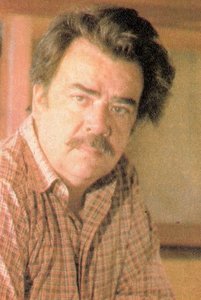
Luis Fernando Benedit
1937 - 2011 , Argentina
プロフィール概要
- Artistic Movement Or Style: Nueva Figuración, Systems art
- Artists Or Movements Influenced By This Artist: ['Nueva Figuración']
- Artists Who Influenced This Artist: ['Cobra Movement']
- Date Of Birth: 1937-08-24
- Date Of Death: 2011
- Full Name: Luis Fernando Benedit
- Nationality: Argentine
- Notable Artworks:
- The Agriculture
- The Game
- Phytotron
- Place Of Birth: Buenos Aires, Argentina