

 プレビュー
プレビュー
 シェアする
シェアする シェアする
シェアする
 詳細を見る
詳細を見る

 ダウンロード
 似ている作品
 X線調査
X線調査 スライドショー
 Stats
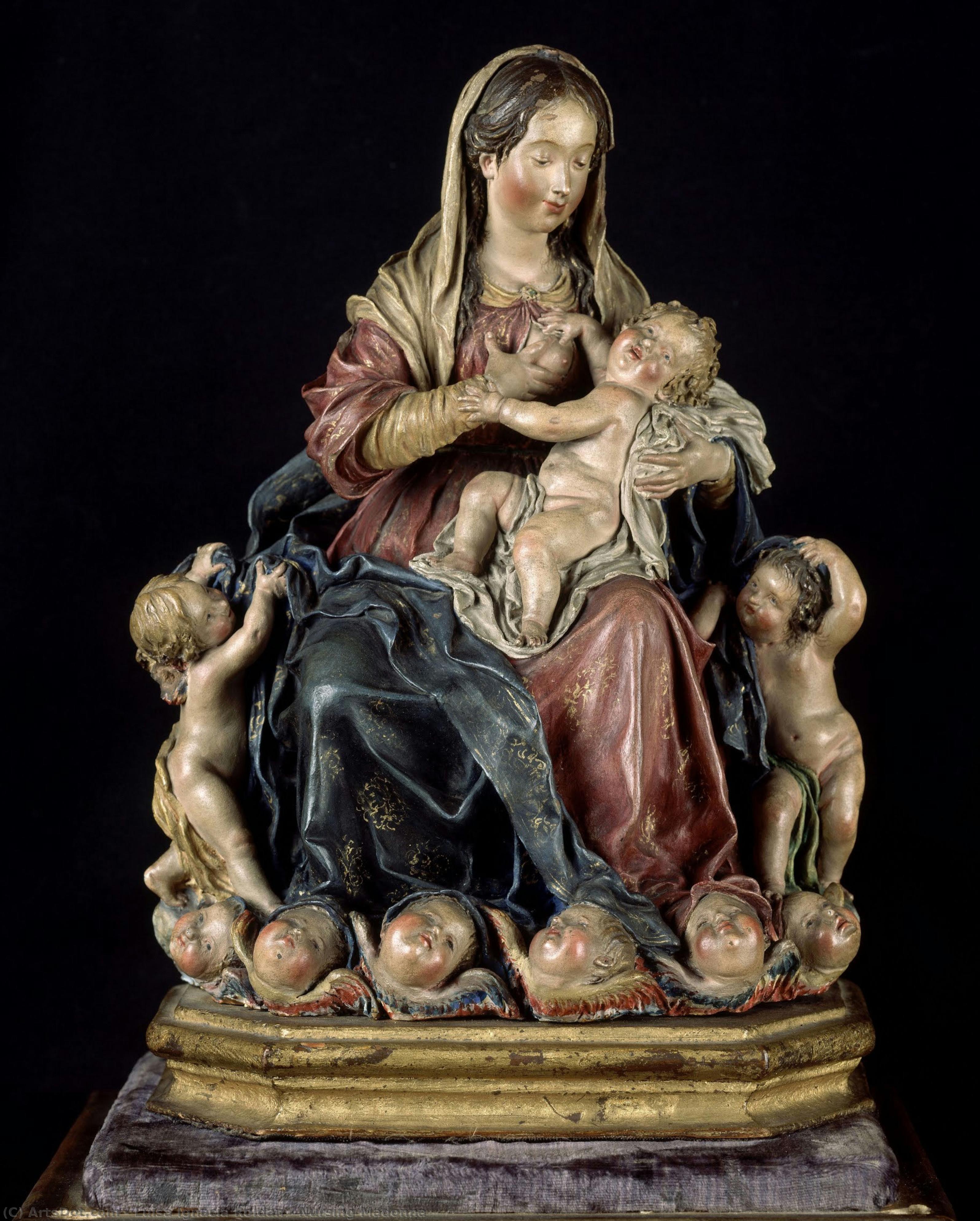
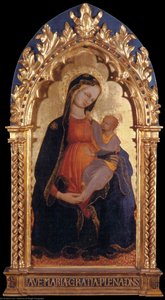
StatsNursing Madonna

 詳細を見る
詳細を見る
ジークレー/アートプリント
迅速な制作と多彩な仕上げオプションを備えた、ミュージアムクオリティのジークレーまたはキャンバスプリント。 ( 手描きの絵画を購入 Switch to Digital Image)




































作品のオリジナル比率に合わせた、当店の規定サイズからお選びください。

特定のフレームやスペースに合わせて、ご自身でサイズを指定することも可能です。選択されたサイズが元の画像の比率と一致しない場合、作品をトリミングするか、鏡面反射または単色での塗りつぶしによって画像を拡張いたします。制作を開始する前に、ご確認用のデジタルモックアップをお送りいたします。
画面上のプレビューには、実際のトリミングや拡張は反映されませんのでご注意ください。最終的な構図を正確に確認できるのは、モックアップのみとなります。
カスタムサイズも承っておりますが、元の比率を維持するためには、あらかじめ用意されたリストからサイズを選択することをお勧めいたします。


 ガラスオプションは、110cm未満のサイズでのみご利用いただけます。

Nursing Madonna
ジークレー/アートプリント
複製画のサイズ
-


合計金額
$ 62
関連作品






アーティストの略歴
Luisa Ignacia Roldán: A Pioneer Sculptor of Spain
The seventeenth century witnessed a remarkable blossoming of artistic talent across Europe, yet the path for women artists remained stubbornly narrow. Amidst this landscape emerged Luisa Ignacia Roldán (1652-1706), a Spanish sculptor whose extraordinary skill and unwavering determination shattered conventions and established her as one of Spain’s first – if not *the* first – recognized female sculptors. Known affectionately as “La Roldana,” she navigated a world dominated by men, carving out a distinguished career marked by dynamic figures, profound emotionality, and an enduring legacy that continues to inspire.
Born in Seville into a family deeply rooted in the artistic tradition, Luisa’s early life was inextricably linked to sculpture. Her father, Pedro Roldán, was a respected master sculptor, and she spent her formative years immersed in his workshop alongside her siblings. This wasn't merely an apprenticeship; it was a complete immersion in the craft, learning not just techniques but also the profound understanding of form, texture, and the human figure that defines great sculpture. While formal art academies were largely inaccessible to women at the time, Luisa received an unparalleled education within the walls of her family’s studio, absorbing knowledge and developing her innate talent under the watchful eye of her father.
The social constraints of the era presented formidable challenges. Marriage was often viewed as a woman's primary duty, and pursuing a professional career could be seen as disruptive to societal norms. Yet, Luisa defied expectations by marrying Luis Antonio de los Arcos in 1671 – a union that, despite her father’s reservations, ultimately provided her with the stability needed to establish her own workshop. This decision marked a pivotal moment, signifying her commitment to forging her own artistic path and challenging the limitations imposed upon women artists.
The Rise of La Roldana: Court Sculptor and Artistic Innovation
Luisa’s career truly took flight in Madrid, where she secured the prestigious position of *Escultor de Cámara* – court sculptor – to King Charles II in 1689. This appointment was a watershed moment, not only for Luisa herself but also for women artists in general. It represented official recognition of her talent and signaled a shift in attitudes towards female artistic capabilities. She quickly established herself as a valued member of the royal court, producing sculptures that reflected both the grandeur of the Habsburg monarchy and her own distinctive artistic vision.
Her style was characterized by a remarkable naturalism and emotional intensity. Unlike some of her contemporaries who favored idealized representations, Luisa’s figures possessed a palpable sense of humanity – their faces etched with subtle expressions of joy, sorrow, or contemplation. She skillfully employed techniques such as *incrustación* (incorporating gemstones and other materials into the sculpture) to add depth and richness to her works. Her use of terracotta, particularly in the creation of devotional pieces for private clients, showcased a mastery of color and texture that was truly exceptional.
Despite the privileges afforded by her court position, Luisa faced significant financial hardships. The Spanish economy was struggling during this period, and she often found herself relying on the generosity of patrons to sustain her workshop. Her dedication to her craft remained unwavering, however, producing a substantial body of work that demonstrates both technical skill and artistic sensitivity.
Notable Works and Lasting Influence
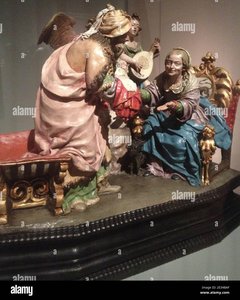
Luisa Roldán’s oeuvre is remarkably diverse, encompassing religious sculptures, portrait busts, and decorative terracotta reliefs. Among her most celebrated works are *Nursing Madonna* (now housed in the National Museum of Women in the Arts in Washington, D.C.), a poignant depiction of the Virgin Mary nursing the infant Jesus, and *St. Michael and the Devil*, a dramatic composition that embodies the struggle between good and evil – a theme central to Counter-Reformation art. These pieces, along with numerous other works, reveal her ability to capture complex emotions and narratives within the confines of sculpted form.
Antonio Palomino, a prominent art historian of the time, recognized Luisa’s exceptional talent, stating that she was “as important a sculptor as her father.” This acknowledgment underscored her significance within the artistic community and cemented her place in Spanish sculpture history. Her legacy extends beyond her individual achievements; she paved the way for future generations of female artists, demonstrating that women were capable of producing works of art on par with their male counterparts.
A Forgotten Genius Rediscovered
Despite her considerable talent and accomplishments, Luisa Roldán’s work was largely overlooked for centuries. Her financial struggles and the prevailing societal biases against female artists contributed to a lack of recognition during her lifetime and in the decades that followed. However, in recent years, there has been a growing interest in her life and art, fueled by scholarly research and exhibitions such as “Luisa Roldán: Escultora Real” at the Museo Nacional de Escultura in Valladolid. These efforts are helping to restore Luisa’s rightful place in art history – not just as Spain's first female sculptor, but as a pioneering artist whose work continues to resonate with audiences today.
Her story serves as a powerful reminder of the challenges faced by women artists throughout history and the importance of recognizing their contributions to the world of art. Luisa Roldán’s legacy endures, inspiring us to celebrate artistic excellence in all its forms, regardless of gender or circumstance.
luisa ignacia roldán
1652 - 1706 , Spain
基本情報
- Artistic Movement Or Style: Baroque
- Artists Or Movements Influenced By This Artist: ['Antonio Palomino']
- Artists Who Influenced This Artist: ['Pedro Roldán']
- Date Of Birth: September 8, 1652
- Date Of Death: January 10, 1706
- Full Name: Luisa Ignacia Roldán
- Nationality: Spanish
- Notable Artworks:
- Nursing Madonna
- St. Michael and the Devil
- Place Of Birth: Seville, Spain