 プレビュー
プレビュー
 シェアする
シェアする シェアする
シェアする
 詳細を見る
詳細を見る

 ダウンロード
 似ている作品
 X線調査
X線調査 スライドショー
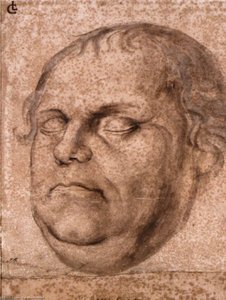
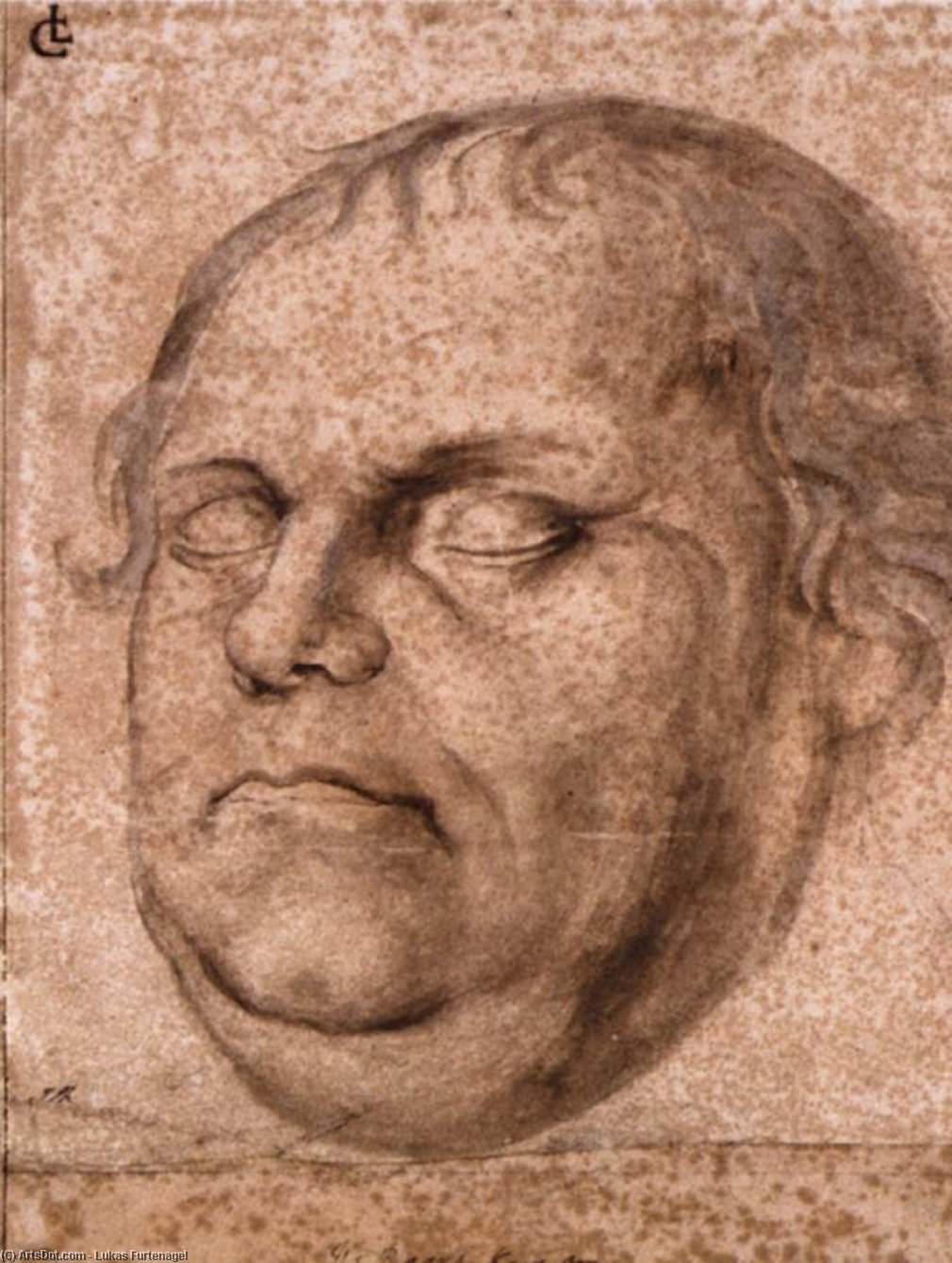
マルティン・ルターの死の肖像画


 詳細を見る
詳細を見る
ジークレー/アートプリント
迅速な制作と多彩な仕上げオプションを備えた、ミュージアムクオリティのジークレーまたはキャンバスプリント。 ( 手描きの絵画を購入 画像を購入)




P118B $10

P118H $10

P118W $10

P438Z $10

P508JH $12

P508YH $12

P805H $10

P805Z $10

P919BZ $10

P919G $10

P919XJ $10

P959ZH $10

P968JZ $12

W106C $8

W218G $10

W218JH $8

W218Y $10

W307PJ $10

W316G $10

W316PJ $8

W316Y $10

W398PJ $8

W4111J $10

W500HY $15

W500JH $15

W692G $12

W849H $8

W940BG $15

W953PJ $8




作品のオリジナル比率に合わせた、当店の規定サイズからお選びください。

特定のフレームやスペースに合わせて、ご自身でサイズを指定することも可能です。選択されたサイズが元の画像の比率と一致しない場合、作品をトリミングするか、鏡面反射または単色での塗りつぶしによって画像を拡張いたします。制作を開始する前に、ご確認用のデジタルモックアップをお送りいたします。
画面上のプレビューには、実際のトリミングや拡張は反映されませんのでご注意ください。最終的な構図を正確に確認できるのは、モックアップのみとなります。
カスタムサイズも承っておりますが、元の比率を維持するためには、あらかじめ用意されたリストからサイズを選択することをお勧めいたします。


 ガラスオプションは、110cm未満のサイズでのみご利用いただけます。

マルティン・ルターの死の肖像画
ジークレー/アートプリント
複製画のサイズ
-


合計金額
$ 62
ルカス・ファルテナゲル:死のマルティン・ルターを描いた画家
ルカス・ファルテナゲル(1505年生まれ、没年不明)は、ドイツのアウグスブルクで活躍したルネサンス美術における重要な人物であり、中世の職人技芸の伝統とヨーロッパ文化を揺るがす人文主義的な探求精神の両方を体現しています。彼の父親であるトマン・ファルテナゲルもまた尊敬される画家であり、幼少期は芸術に囲まれて育ちました。この環境は彼自身の作品にも永続的に影響を与え、観察と表現への深い情熱を育みました。 初期の育成と修行:彼は10歳の頃にハンス・バーグマイヤーというアウグスブルクで最も著名な画家のもとで芸術の道を歩み始めました。この formative な関係は彼に技術的な熟練さと同時に、バーグマイヤーの人間主義的な世界観やスタイルにおける革新性を instilled しました。これはファルテナゲルの作品の特徴となるブレンドでした。彼はハンス・バーグマイイアーと彼の妻アンナとの肖像画を制作しました。この傑作は光と影のドラマチックなコントラストを利用して、結婚的な調和を祝うとともに死の必然性を直視する芸術家です。 美術運動:ファルテナゲルの作品は他の画家たちと比較して少ないですが、その絵画は圧倒的な力を持っています。特に彼のマルティン・ルターの死ベッドでの肖像画は、単なる写し鏡ではありません。彼は人間の心理的な複雑さを捉え、微妙な構成技術を用いて静かな瞑想感を表しています。この作品はルターの顔と姿勢を詳細に描き込み、ファルテナゲルの卓越したドローイングスキルを示すとともに、人間の感情を驚くほど正確に表現しています。これは他の画家たちと比較して少ないですが、その絵画は圧倒的な力を持っています。彼はマルティン・ルターの死ベッドでの肖像画は、単なる写し鏡ではありません。彼は人間の心理的な複雑さを捉え、微妙な構成技術を用いて静かな瞑想感を表しています。この作品はルターの顔と姿勢を詳細に描き込み、ファルテナゲルの卓越したドローイングスキルを示すとともに、人間の感情を驚くほど正確に表現しています。 歴史的背景:マルティン・ルターは1546年にアイゼルゼンで亡くなりました。彼の死後すぐに彼はハレへ呼び戻され、エイスレーゼンで彼の死ベッドに描かれた絵画は他の画家たちと比較して少ないですが、その絵画は圧倒的な力を持っています。彼は人間の心理的な複雑さを捉え、微妙な構成技術を用いて静かな瞑想感を表しています。この作品はルターの顔と姿勢を詳細に描き込み、ファルテナゲルの卓越したドローイングスキルを示すとともに、人間の感情を驚くほど正確に表現しています。彼はマルティン・ルターの死ベッドでの肖像画は、単なる写し鏡ではありません。彼は人間の心理的な複雑さを捉え、微妙な構成技術を用いて静かな瞑想感を表しています。この作品はルターの顔と姿勢を詳細に描き込み、ファルテナゲルの卓越したドローイングスキルを示すとともに、人間の感情を驚くほど正確に表現しています。彼はマルティン・ルターの死ベッドでの肖像画は、単なる写し鏡ではありません。彼は人間の心理的な複雑さを捉え、微妙な構成技術を用いて静かな瞑想感を表しています。この作品はルターの顔と姿勢を詳細に描き込み、ファルテナゲルの卓越したドローイングスキルを示すとともに、人間の感情を驚くほど正確に表現しています。彼はマルティン・ルターの死ベッドでの肖像画は、単なる写し鏡ではありません。彼は人間の心理的な複雑さを捉え、微妙な構成技術を用いて静かな瞑想感を表しています。この作品はルターの顔と姿勢を詳細に描き込み、ファルテナゲルの卓越したドローイングスキルを示すとともに、人間の感情を驚くほど正確に表現しています。彼はマルティン・ルターの死ベッドでの肖像画は、単なる写し鏡ではありません。彼は人間の心理的な複雑さを捉え、微妙な構成技術を用いて静かな瞑想感を表しています。この作品はルターの顔と姿勢を詳細に描き込み、ファルテナゲルの卓越したドローイングスキルを示すとともに、人間の感情を驚くほど正確に表現しています。彼はマルティン・ルターの死ベッドでの肖像画は、単なる写し鏡ではありません。彼は人間の心理的な複雑さを捉え、微妙な構成技術を用いて静かな瞑想感を表しています。この作品はルターの顔と姿勢を詳細に描き込み、ファルテナゲルの卓越したドローイングスキルを示すとともに、人間の感情を驚くほど正確に表現しています。彼はマルティン・ルターの死ベッドでの肖像画は、単なる写し鏡ではありません。彼は人間の心理的な複雑さを捉え、微妙な構成技術を用いて静かな瞑想感を表しています。この作品はルターの顔と姿勢を詳細に描き込み、ファルテナゲルの卓越したドローイングスキルを示すとともに、人間の感情を驚くほど正確に表現しています。彼はマルティン・ルターの死ベッドでの肖像画は、単なる写し鏡ではありません。彼は人間の心理的な複雑さを捉え、微妙な構成技術を用いて静かな瞑想感を表しています。彼はマルティン・ルターの死ベッドでの肖像画は、単なる写し鏡ではありません。彼は人間の心理的な複雑さを捉え、微妙な構成技術を用いて静かな瞑想感を表しています。彼はマルティン・ルターの死ベッドでの肖像画は、単なる写し鏡ではありません。彼は人間の心理的な複雑さを捉え、微妙な構成技術を用いて静かな瞑想感を表しています。彼はマルティン・ルターの死ベッドでの肖像画は、単なる写し鏡ではありません。彼は人間の心理的な複雑さを捉え、微妙な構成技術を用いて静かな瞑想感を表しています。彼はマルティン・ルターの死ベッドでの肖像画は、単なる写し鏡ではありません。彼は人間の心理的な複雑さを捉え、微妙な構成技術を用いて静かな瞑想感を表しています。彼はマルティン・ルターの死ベッドでの肖像画は、単なる写し鏡ではありません。彼は人間の心理的な複雑さを捉え、微妙な構成技術を用いて静かな瞑想感を表しています。彼はマルティン・ルターの死ベッドでの肖像画は、単なる写し鏡ではありません。彼は人間の心理的な複雑さを捉え、微妙な構成技術を用いて静かな瞑想感を表しています。彼はマルティン・ルターの死ベッドでの肖像画は、単なる写し鏡ではありません。彼は人間の心理的な複雑さを捉え、微妙な構成技術を用いて静かな瞑想感を表しています。彼はマルティン・ルターの死ベッドでの肖像画は、単なる写し鏡ではありません。彼は人間の心理的な複雑さを捉え、微妙な構成技術を用いて静かな瞑想感を表しています。彼はマルティン・ルターの死ベッドでの肖像画は、単なる写し鏡ではありません。彼は人間の心理的な複雑さを捉え、微妙な構成技術を用いて静かな瞑想感を表しています。彼はマルティン・ルターの死ベッドでの肖像画は、単なる写し鏡ではありません。彼は人間の心理的な複雑さを捉え、微妙な構成技術を用いて静かな瞑想感を表しています。彼はマルティン・ルターの死ベッドでの肖像画は、単なる写し鏡ではありません。彼は人間の心理的な複雑さを捉え、微妙な構成技術を用いて静かな瞑想感を表しています。彼はマルティン・ルターの死ベッドでの肖像画は、単なる写し鏡ではありません。彼は人間の心理的な複雑さを捉え、微妙な構成技術を用いて静かな瞑想感を表しています。彼はマルティン・ルターの死ベッドでの肖像画は、単なる写し鏡ではありません。彼は人間の心理的な複雑さを捉え、微妙な構成技術を用いて静かな瞑想感を表しています。彼はマルティン・ルターの死ベッドでの肖像画は、単なる写し鏡ではありません。彼は人間の心理的な複雑さを捉え、微妙な構成技術を用いて静かな瞑想感を表しています。彼はマルティン・ルターの死ベッドでの肖像画は、単なる写し鏡ではありません。彼は人間の心理的な複雑さを捉え、微妙な構成技術を用いて静かな瞑想感を表しています。彼はマルティン・ルターの死ベッドでの肖像画は、単なる写し鏡ではありません。彼は人間の心理的な複雑さを捉え、微妙な構成技術を用いて静かな瞑想感を表しています。彼はマルティン・ルターの死ベッドでの肖像画は、単なる写し鏡ではありません。彼は人間の心理的な複雑さを捉え、微妙な構成技術を用いて静かな瞑想感を表しています。彼はマルティン・ルターの死ベッドでの肖像画は、関連作品

アーティストの略歴
A Legacy Etched in Shadow and Light
In the vibrant, intellectually churning atmosphere of the German High Renaissance, few names evoke as much poignant mystery as Lukas Furtenagel. Born in 1505 within the storied city of Augsburg, Furtenagel was a child of the brush, raised in a lineage of creators where art was not merely a profession but a way of life. As the son of the painter Thoman Furtenagel, his early years were steeped in the technical rigors and aesthetic ambitions of the Holy Roman Empire. By the tender age of ten, his talent had already garnered the attention of the era's giants, leading to an apprenticeship under the legendary Hans Burgkmair. This formative bond did more than teach him the mechanics of pigment and parchment; it introduced him to a humanist worldview that sought to find profound meaning within the fleeting nature of human existence.
Furtenagel’s journey was one of movement and intellectual encounter, tracing a path through the most significant cultural shifts of the sixteenth century. His brief sojourn in Wittenberg brought him into the orbit of the Reformation, an era where the power of the image was being radically redefined by religious fervor. This period of his life, characterized by the influence of the workshop of Lucas Cranach the Elder, infused his work with a sense of gravity and spiritual weight. As he moved between the artistic hubs of Augsburg and Halle, Furtenagel developed a style that sat at the delicate intersection of traditional craftsmanship and the burgeoning psychological depth of the Renaissance portrait.
The Mirror of Mortality
While the surviving oeuvre of Furtenagel is remarkably sparse, the works that remain possess an arresting, almost haunting intensity. He was a master of the vanitas theme—the artistic meditation on the inevitability of death and the transience of life. One of his most profound achievements, long debated by historians, is the double portrait of Hans Burgkmair and his wife Anna. In this striking composition, the couple is reflected in a hand-mirror not as vibrant living figures, but as skeletal reminders of mortality. Through subtle use of light and a chillingly precise execution, Furtenagel utilized the mirror to force a confrontation with the self, embodying the inscription "Recognize thyself/o death/hope of the world."
This preoccupation with the threshold between life and death reached its most iconic expression in his final, most famous undertaking. In 1546, following the passing of the monumental figure Martin Luther, Furtenagel was summoned to Eisleben. Tasked with capturing the likeness of the reformer, he arrived to find Luther already interred. Yet, through his sketches and drawings, Furtenagel achieved something far more enduring than a mere anatomical record. He captured the profound stillness of a departed icon, creating a visual eulogy that would serve as the foundational blueprint for subsequent masters, including Lucas Cranach the Younger. His ability to translate the heavy silence of death into a compelling visual narrative remains his most significant contribution to the history of European portraiture.
Historical Significance and Artistic Echoes
The importance of Lukas Furtenagel lies not in the sheer volume of his output, but in the emotional resonance and historical weight of his surviving fragments. He stands as a bridge between the medieval preoccupation with religious symbolism and the Renaissance focus on individual human experience. His life and work reflect the turbulent transitions of his age—the rise of Protestantism, the expansion of humanist thought, and the refinement of German printmaking and painting techniques.
To study Furtenagel is to witness the following artistic hallmarks:
- Technical Mastery: A profound ability to use light and shadow to convey psychological depth and spiritual solemnity.
- Humanist Influence: The integration of complex philosophical themes, such as memento mori, into portraiture.
- Historical Impact: Providing the essential visual documentation for some of the most pivotal figures of the Reformation.
- Legacy of Observation: A dedication to capturing the raw, unvarnished truth of the human condition, even in its final moments.
Though his career was cut short by his untimely death in 1546, Furtenagel left an indelible mark on the German Renaissance. He remains a vital figure for any student of art history, representing that rare breed of artist who could capture both the grandeur of the human spirit and the quiet, inevitable approach of its end.
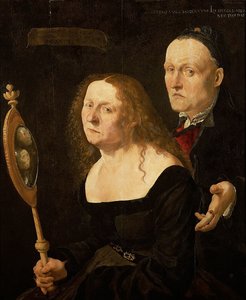
lukas furtenagel
1505 - 1546 , Germany
基本情報
- Artistic Movement Or Style: Renaissance Art
- Artists Or Movements Influenced By This Artist: ['Lucas Cranach the Elder']
- Artists Who Influenced This Artist: ['Hans Burgkmair']
- Date Of Birth: Augsburg, Germany (1505)
- Date Of Death: ca. 1546
- Full Name: Lukas Furtenagel
- Nationality: German
- Notable Artworks:
- Portrait of Hans Burgkmair and his Wife Anna before a Mirror
- Dead Martin Luther
- Place Of Birth: Augsburg
関連記事
Engraving's Golden Age: 10 Masterpieces That Redefined Art | ArtsDot
Journey through art history with our Top 10 Legendary Engravings! Explore masterpieces by Dürer, Rembrandt & Goya. Discover the stories behind these iconic prints and find museum-quality reproductions for your home at ArtsDot.com.
Engraving: A Historical Survey of Technique, Artistic Expression & Enduring Legacy
Explore the rich history of engraving with ArtsDot. Discover techniques, iconic artists like Dürer & Callot, collecting tips, and expert guidance for preserving your art investment. Learn about intaglio printing & more!
The Intricate World of Engraving: A Historical Survey of Technique, Artistic Expression & Enduring Legacy
Explore the rich history of engraving with ArtsDot. Discover techniques, iconic artists like Dürer & Callot, collecting tips, and expert guidance for preserving your art investment. Learn about intaglio printing & more!
Hendrick Goltzius: Master Engraver & the Flourishing of Dutch Mannerism
Explore the life & art of Hendrick Goltzius, a master engraver of Dutch Mannerism. Discover his innovative techniques, iconic engravings like 'Jahel', and lasting influence on Baroque art. Learn about collecting Goltzius today.
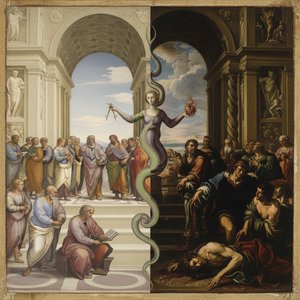
Mannerism: Bridging Renaissance Harmony & Baroque Drama – A Study of Style & Affectation
Explore the fascinating world of Mannerism! Discover its key characteristics, pioneering artists like Pontormo & Bronzino, and its pivotal role in bridging Renaissance harmony to Baroque drama. A comprehensive guide for art enthusiasts.