

 プレビュー
プレビュー
 シェアする
シェアする シェアする
シェアする
 詳細を見る
詳細を見る

 ダウンロード
 似ている作品
 X線調査
X線調査 スライドショー
 統計情報
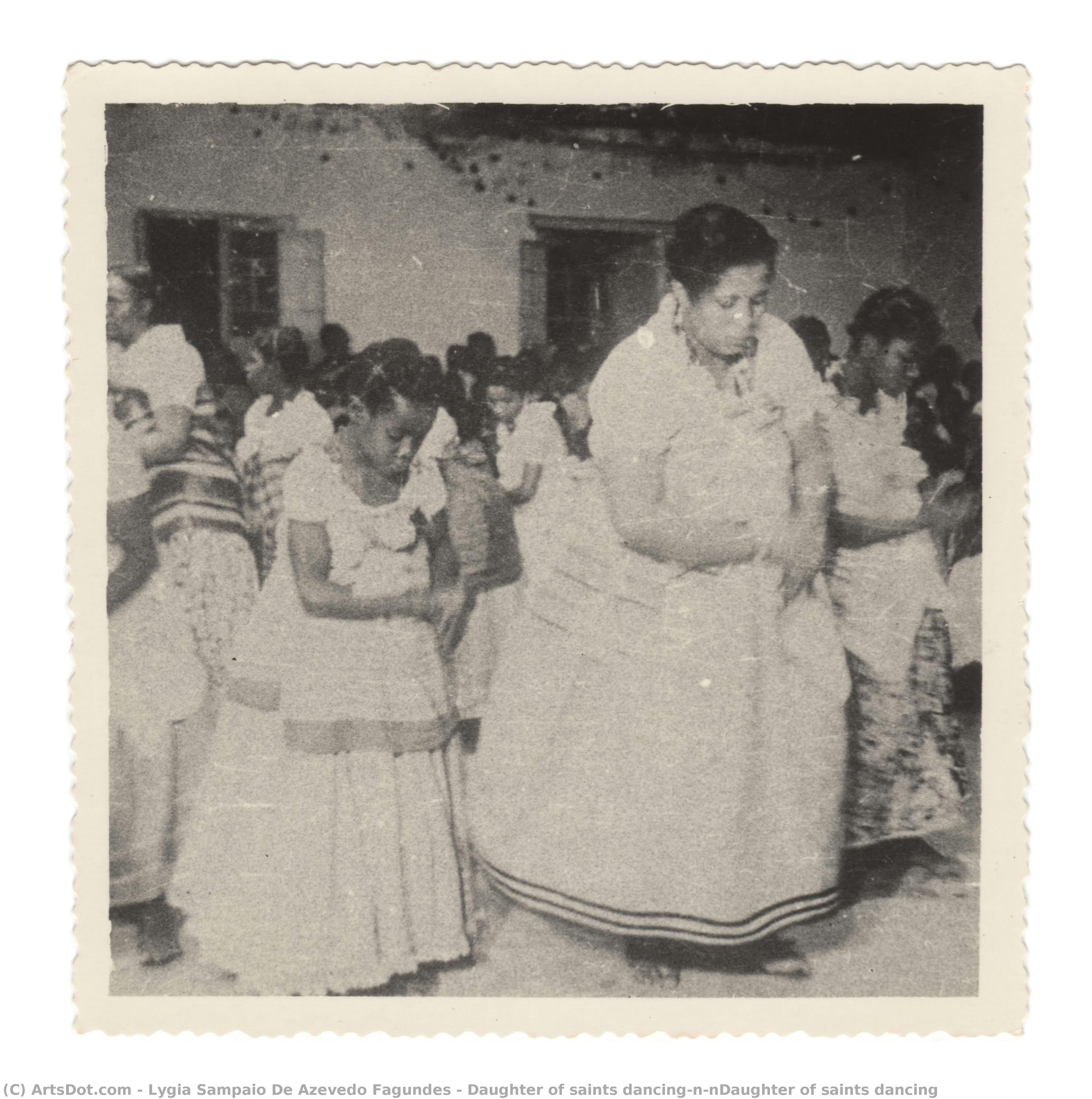
統計情報Daughter of saints dancing\n\nDaughter of saints dancing


 詳細を見る
詳細を見る
オンラインプレビューをはるかに凌ぐ、高解像度で鮮明なデジタル画像をご購入いただけます。
各ファイルは、社内の専門家が高度なツールと熟練した手作業によるレタッチを用いて、細心の注意を払って準備されています。すべての画像において、卓越した鮮明度、正確な色彩再現性、そして繊細なディテールを保証いたします。
最終ファイルは、プロフェッショナルな編集・印刷環境ですぐにご利用いただけるよう最適化された状態で、72時間以内にメールにてお届けいたします。これは、一流のデザインスタジオ、出版社、ギャラリーから信頼されているものと同等の品質です。
デジタルアート
個人での鑑賞、印刷、クリエイティブなプロジェクト用に、高解像度ファイルをダウンロードできます。 ( プリント版に切り替え 手描きの絵画を購入)
デジタル画像のご注文に付随する特典
高品質なデジタル画像配信を、確かな品質で。
ArtsDot.com を選ぶことは、単に画像を手に入れることではありません。それは、プロの手によって精密に仕上げられ、満足保証が付いた高品質なデジタルアートワークを受け取ることを意味します。ご注文いただいた際に自動的に付随する内容は、以下の通りです:

メールですぐにお届け
ご注文から72時間以内に、高解像度のデジタル画像ファイルがメールでお手元に届きます。すぐにそのままご利用いただけます。

AI技術で最適化されたデジタルファイル
お客様の作品は、高度なAIツールと専門家による手作業の編集を組み合わせてプロフェッショナルに最適化されており、細部のディテール、鮮明さ、そして正確な色再現性を最大限に引き出しています。

一生涯無料の再送サービス
ファイルを誤って削除したり、紛失してしまったりしましたか?ご安心ください。いつでも無料で再送いたします。

輸入手数料は一切かかりません
関税や手数料、配送料を気にすることなく、お気に入りのアートワークをすぐにお楽しみいただけます。デジタルダウンロードは常に免税です。

色彩再現の保証
プロ仕様のツールとカラーマネジメント技術を用いることで、デジタル画像が元の色を最大限に忠実に再現することを保証いたします。

100日間満足保証
ご購入いただいたデジタル画像にご満足いただけない場合は、100日以内であれば、理由を問わず修正または100%の返金対応をさせていただきます。

100% 返金保証
ご満足いただけない場合は、デジタルファイルを受け取ってから100日以内であれば、理由を問わず全額返金いたします。

まとめ買い割引
3枚購入で10%OFF - 5枚購入で15%OFF - 10枚以上購入で20%OFF。クリエイティブなプロジェクト、ギャラリー、エージェンシーに最適です。
A Window Into Bahia’s Soul: Exploring Lygia Sampaio de Azevedo Fagundes' Photographic Vision
Lygia Sampaio de Azevedo Fagundes (1928-2023) wasn’t merely a photographer; she was an architect of memory, meticulously crafting images that captured the essence of Bahia’s cultural heritage and reverberated with profound symbolic resonance. Born in Salvador, Brazil, her artistic journey began amidst the fertile soil of Bahian Modernism—a movement characterized by its embrace of indigenous traditions alongside European avant-garde influences—and cemented her place as a trailblazing figure who defied convention and championed artistic innovation. Her work stands as testament to the power of visual storytelling and an unwavering commitment to preserving cultural identity.The Subject Matter: Rituals and Everyday Life
Fagundes’ photographs predominantly focused on documenting rituals and daily life within Bahia’s Afro-Brazilian communities. Unlike many artists of her era who sought grand narratives, she opted for intimate portraits—scenes depicting religious ceremonies, festivals, and the simple routines of families—revealing a remarkable sensitivity to human experience. These images weren't simply representations; they were conduits through which viewers could access the spirit of Bahia itself – its vibrant colors, palpable energy, and deeply rooted traditions. The artist’s gaze was particularly attuned to capturing expressions of joy, resilience, and connection to ancestral heritage.Stylistic Influences: Documentary Photography Meets Artistic Expression
Her photographic style leaned heavily toward documentary photography, mirroring the aesthetic sensibilities of mid-20th century archival images. However, Fagundes skillfully infused her work with artistic flourishes that transcended mere documentation. The grainy texture imparted by film—a deliberate choice reflecting the era’s technological limitations—added a layer of authenticity and imbued each photograph with a palpable sense of history. Compositionally, she favored framing techniques that drew viewers into the scene, utilizing natural light to illuminate subjects and creating balanced compositions that prioritized visual harmony. This careful attention to detail speaks volumes about her artistic vision.Technique: Mastering Light and Shadow
Fagundes’ technical prowess was evident in her masterful manipulation of light and shadow—elements she employed with deliberate precision to convey mood and emotion. The diffused illumination characteristic of her images suggests a thoughtful consideration of photographic principles, prioritizing subtlety and nuance over dramatic effects. She skillfully utilized shadows to sculpt forms and delineate textures, enhancing the visual impact of her subjects and deepening their expressive power. Furthermore, meticulous attention was paid to focus—capturing sharp details while maintaining an overall sense of atmosphere—demonstrating a profound understanding of the medium’s capabilities.Symbolism: Echoes of Ancestral Traditions
Beyond technical considerations, Fagundes' photographs resonated with symbolic significance rooted in Bahia’s Afro-Brazilian traditions. Recurring motifs – vibrant textiles, ceremonial objects, and faces etched with wisdom and experience – served as visual anchors connecting viewers to the region’s rich cultural past. The artist’s images weren’t merely depictions; they were invitations to contemplate themes of faith, identity, and continuity—affirming the enduring legacy of ancestral knowledge within contemporary society. Each photograph functioned as a miniature chronicle of Bahia's history and spirit.Emotional Impact: A Legacy of Observation and Remembrance
Ultimately, Lygia Sampaio de Azevedo Fagundes’ photographs transcend mere visual representation; they evoke profound emotional responses in those who encounter them. Her images convey a palpable sense of warmth, compassion, and reverence—reflecting her deep appreciation for human connection and cultural heritage. They serve as enduring reminders of Bahia's vibrant spirit and the importance of preserving traditions—inspiring contemplation and fostering an understanding of the human experience across generations. Her legacy continues to inspire artists and collectors alike who recognize the transformative power of honest observation and heartfelt remembrance.関連作品

作家の略歴
Lygia Sampaio de Azevedo Fagundes: A Pioneer of Bahian Modernism
Lygia Sampaio de Azevedo Fagundes (1928-2023) stands as a singular figure in Brazilian art history, representing not only the burgeoning modernist movement within Bahia but also embodying a courageous spirit—one that defied societal expectations and championed artistic experimentation. Born in Salvador, Brazil, her life was marked by an unwavering dedication to visual storytelling and a profound engagement with Afro-Brazilian culture, themes that permeate her photographic oeuvre and solidify her legacy as one of the most influential women artists of her time.Early Life and Artistic Formation
Growing up amidst the vibrant rhythms of Bahia’s cultural landscape profoundly shaped Lygia's artistic sensibilities. Despite facing considerable obstacles in a field dominated by male voices, she pursued her passion for photography with tenacity and determination. Influenced by luminaries like Artur Azevedo—a playwright who championed realism and explored social issues—and Rachel de Queiroz—whose novels tackled themes of identity and resilience—Lygia honed her craft through rigorous observation and meticulous composition. Her formative years instilled in her a deep appreciation for the complexities of human experience and fueled her desire to capture moments of beauty and significance within everyday life.The Bahian Modernist Movement: A Singular Vision
Lygia’s involvement with Bahia's modernist movement was particularly noteworthy, marking her as the sole woman artist participating in this influential artistic collective. This group sought to redefine Brazilian identity through innovative visual mediums—primarily photography—challenging prevailing stereotypes and celebrating the richness of Bahian traditions. Collaborating closely with Vinicius de Moraes—a poet who explored themes of melancholy and longing—Lygia embraced a stylistic approach characterized by bold color palettes, unconventional framing techniques, and an uncanny ability to convey emotion without resorting to explicit narrative. Her photographs weren’t merely representations of places; they were imbued with symbolic resonance, reflecting the spirit of Bahia's cultural heritage.Notable Works and Recognition
Lygia Sampaio’s artistic output is distinguished by its unwavering commitment to capturing the essence of Bahian life—particularly its Afro-Brazilian traditions. Her masterpiece, “Daughter of Saints Dancing,” exemplifies this ethos. Presented at the Museu de Arte da Bahia in Salvador, Brazil, this photograph encapsulates the dynamism and spirituality of Bahia's religious celebrations. It’s a testament to Lygia’s skill as a storyteller and her ability to transform ordinary scenes into extraordinary expressions of cultural identity. Furthermore, her work has garnered international acclaim, appearing in galleries across Europe and North America—a recognition that underscores its enduring relevance and artistic merit.Legacy and Historical Significance
Lygia Sampaio de Azevedo Fagundes passed away peacefully in 2023, leaving behind a remarkable body of photographic work that continues to inspire artists and scholars alike. Her contribution to Brazilian art history transcends mere stylistic innovation; she bravely challenged gender norms within the artistic realm and championed the representation of Afro-Brazilian culture—a crucial step toward fostering greater understanding and appreciation for Bahia’s multifaceted heritage. As an artist who dared to defy convention, Lygia Sampaio remains a beacon of creativity and resilience—a symbol of Brazilian art's unwavering pursuit of beauty and truth.- Published: Selling Black Brazil: Race, Nation, and Visual Culture in Salvador, Bahia
- Website: https://dokumen.pub/selling-black-brazil-race-nation-and-visual-culture-in-salvador-bahia-9781477324202.html

lygia sampaio de azevedo fagundes
1928 - 2023 , Brazil
プロフィール概要
- Artistic Movement Or Style: Modernist Art
- Artists Or Movements Influenced By This Artist: ['Vinicius de Moraes']
- Artists Who Influenced This Artist: ['Pierre Verger']
- Date Of Birth: 1928
- Date Of Death: 2023
- Full Name: Lygia Sampaio de Azevedo Fagundes
- Nationality: Brazilian
- Notable Artworks: ['Daughter of Saints Dancing']
- Place Of Birth: Salvador, Brazil