

 プレビュー
プレビュー
 プリントを購入
 シェアする
シェアする シェアする
シェアする
 詳細を見る
詳細を見る

 ダウンロード
 似ている作品
 X線調査
X線調査 スライドショー
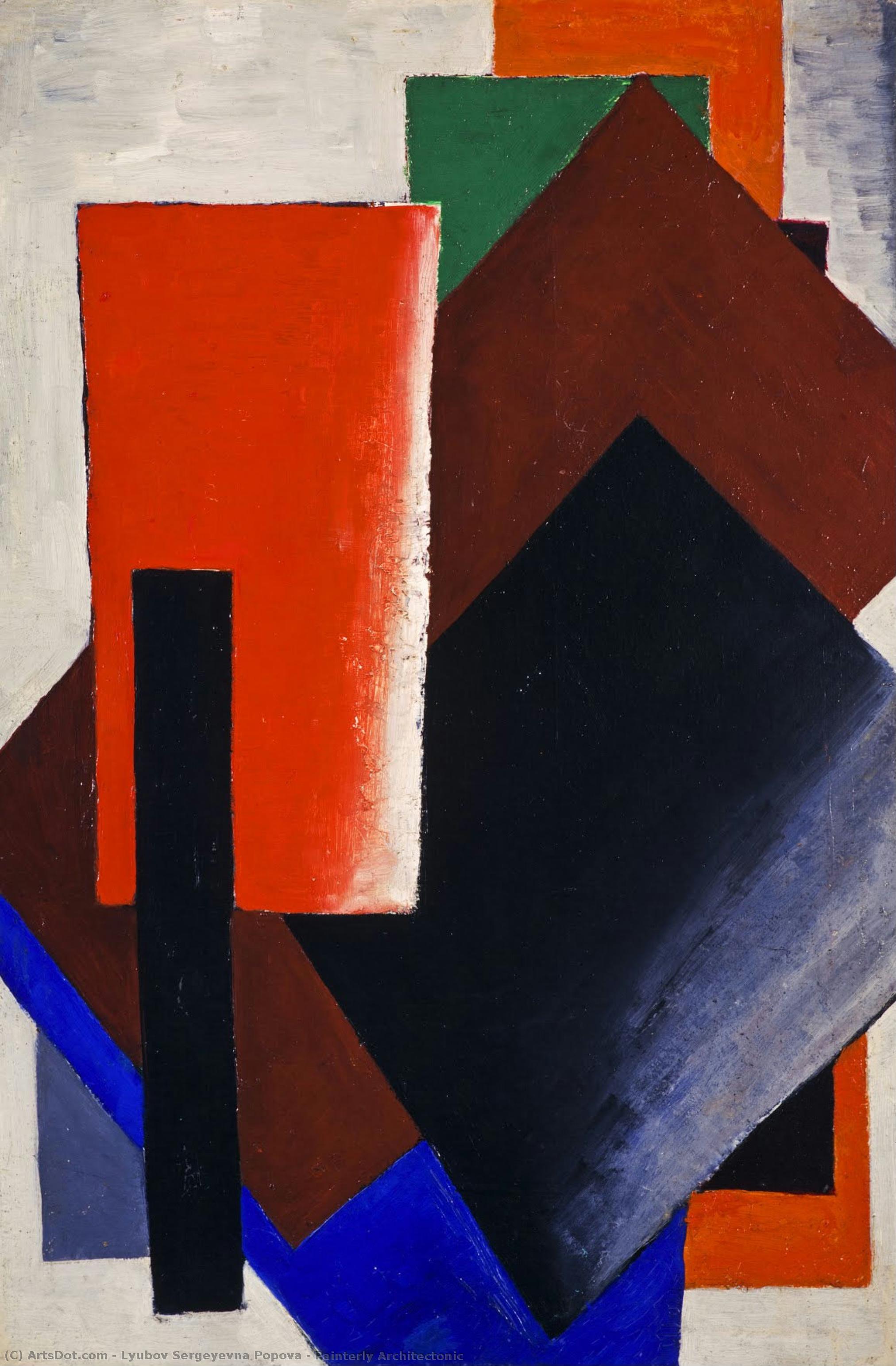
Painterly Architectonic


 詳細を見る
詳細を見る




P118B $10

P118H $10

P118W $10

P438Z $10

P508JH $12

P508YH $12

P805H $10

P805Z $10

P919BZ $10

P919G $10

P919XJ $10

P959ZH $10

P968JZ $12

W106C $8

W218G $10

W218JH $8

W218Y $10

W307PJ $10

W316G $10

W316PJ $8

W316Y $10

W398PJ $8

W4111J $10

W500HY $15

W500JH $15

W692G $12

W849H $8

W940BG $15

W953PJ $8




作品のオリジナル比率に合わせた、当店の規定サイズからお選びください。

特定のフレームやスペースに合わせて、ご希望のサイズをご入力いただけます。選択されたサイズが元の画像の比率と異なる場合、アートワークをトリミングするか、手描きで要素を追加して絵画を拡張いたします。デジタルモックアップ を制作し、制作開始前にご確認(承認)をいただきます。
画面上のプレビューは、実際のトリミングや拡張を正確に反映しているものではありません。最終的な構図は、モックアップによってのみ正確にご確認いただけます。
カスタムサイズもご利用いただけますが、元の比率を維持するためには、あらかじめ用意されたリストからサイズを選択することをお勧めいたします。
ご注文後、ArtsDot.com チームより詳細な指示をお送りするとともに、仕上がりイメージ(モックアップ)をご提供いたします。


 ガラスオプションは、110cm未満のサイズでのみご利用いただけます。

Painterly Architectonic
複製技法
複製画のサイズ
-


合計金額
$ 263
作品解説
Lyubov Sergeyevna Popova’s Painterly Architectonic: A Dialogue Between Suprematism and Cubism
Painterly Architectonic by Lyubov Sergeyevna Popova stands as a testament to the dynamism of Russian avant-garde art in 1916, embodying a fascinating fusion between Kazimir Malevich's radical Suprematist principles and the geometric explorations pioneered by Pablo Picasso’s Cubism. Created during a period defined by seismic shifts – the waning days of Tsarist Russia and the burgeoning fervor for revolutionary ideals – this painting transcends mere visual representation, delving into profound conceptual concerns about form, space, and artistic expression itself.- Subject Matter: The artwork presents an abstract composition dominated by geometric shapes—primarily white, red, black, gray, and pink—arranged against a neutral white background. These forms are not static; they appear to push outwards from the canvas surface, creating a palpable sense of movement and tension.
- Style & Technique: Popova skillfully blends elements of Cubism and Suprematism. Like Malevich’s celebrated canvases, she employs colored geometric forms—specifically red triangles and white trapezoids—to prioritize pure artistic feeling over mimetic accuracy. Simultaneously, she adopts Tatlin's approach to spatial construction by layering planes that overlap and intersect, suggesting a three-dimensional space within the confines of a two-dimensional surface.
- Historical Context: Produced in the wake of the Russian Revolution, Painterly Architectonic reflects the artistic anxieties and aspirations of its time. Malevich’s Suprematism championed a rejection of traditional illusionism, advocating for an art that communicated directly with the viewer's intellect and emotions—a stance powerfully echoed in Popova’s work.
- Symbolism & Conceptual Depth: The term “architectonic,” adopted by Popova herself, underscores the painting’s conceptual core. It signifies a deliberate consideration of planes as solid material entities, mirroring Tatlin’s ambition to create an abstract relief construction. This approach elevates the artwork beyond mere visual aesthetics, inviting contemplation on the fundamental building blocks of artistic creation and its role in shaping perception.
- Emotional Impact: The painting's vibrant colors and assertive geometric forms evoke a feeling of energetic dynamism and intellectual engagement. It’s a piece that compels viewers to confront questions about representation, space, and the expressive potential of abstraction—a legacy of Popova’s pioneering vision for Russian art.
Displayed prominently at the Scottish National Gallery of Modern Art in Edinburgh, Painterly Architectonic exemplifies Popova's unwavering commitment to artistic innovation. Its meticulous execution – utilizing oil paint on canvas – ensures that every detail contributes to its overall impact, cementing its place as a cornerstone of Russian avant-garde art and an enduring source of inspiration for artists and collectors alike.
Further Exploration: Malevich’s Influence & Tatlin's Spatial Vision
Lyubov Popova’s artistic trajectory was inextricably linked to the groundbreaking ideas circulating within the Russian avant-garde movement. Her collaboration with Vladimir Tatlin, whose studio served as a crucible for experimentation and conceptual rethinking, profoundly shaped her approach to painting. Like Malevich, Popova recognized that art could transcend mere visual depiction, prioritizing instead the conveyance of pure feeling—a conviction reflected in Painterly Architectonic’s deliberate disregard for conventional spatial conventions.
Technical Considerations: Layered Planes & Geometric Precision
The painting's distinctive aesthetic derives from Popova’s masterful manipulation of color and form. She skillfully layered planes against a white background, creating what appears to be a shallow container for geometric shapes that seem to push outwards—a technique reminiscent of Malevich’s Suprematist canvases. The careful placement of the red triangle and white trapezoid contributes to this spatial illusion, demonstrating Popova's unwavering dedication to geometric precision.
A Legacy of Artistic Boldness
Lyubov Sergeyevna Popova’s Painterly Architectonic remains a captivating example of artistic courage—a defiant assertion of abstraction as a vehicle for intellectual and emotional expression. Its enduring appeal lies in its ability to provoke contemplation on fundamental questions about art's role in shaping perception and communicating profound ideas, securing its place as an unforgettable contribution to the history of Russian avant-garde art.
関連作品

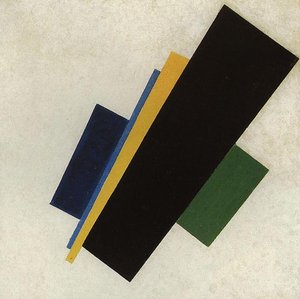
![Stroyuschiysya Dom [house Under Construction] — カジミール・マレーヴィチ, Suprematism](/media/artworks/images-thumb/ad/dd/addd6649da2add4f4bf2fe14e561e845.jpg)
アーティストの略歴
革命の胎動から生まれた先駆者
リョボフ・セルゲエヴナ・ポポーヴァは、1889年にロシアの繊維産業都市イワノヴォで生まれました。彼女は単なる画家ではなく、形態と色彩のビジョナリーな建築家であり、献身的な理論家、そして芸術が社会を再構築する力を持つと信じる熱心な擁護者でした。彼女の人生は、わずか35歳という若さで1924年に突然の終焉を迎えたものの、帝政ロシア末期の混乱期、革命、そして新しいソビエト美学の誕生という激動の時代を背景に展開されました。ポポーヴァは裕福な家庭に生まれ—父セルゲイ・マキシモヴィチ・ポポーヴァは芸術的表現に対する天性の鑑識眼を持つ成功した繊維商人で—彼女の幼少期の芸術への傾倒が花開くことを可能にする恵まれた環境を享受しました。この特権的な生い立ちは、質の高い教育と創造的な可能性への接触を提供し、彼女のその後のアヴァンギャルド運動への貢献の基礎を築きました。モスクワのスタニスラフ・ジュコフスキー、コンスタンチン・ユオン、イワン・ドゥーディンといった芸術家のもとで受けた初期の訓練は堅固な学術的基盤を彼女に植え付けましたが、1912年から1913年にかけてのパリへの留学が真に転換点となりました。キュビズムの断片化から絵画建築へ
ポポーヴァは、アンリ・ローフォシエとジャン・メツァンジェのアトリエに身を置き、形態の断片化、多角的な視点、そして伝統的な表現の拒絶というキュビズムの根本原則を吸収しました。このパリでの経験は単なる様式を取り入れることではなく、確立された芸術的慣習を解体することでした。しかし、ロシアに戻ったポポーヴァは、キュビズムをそのまま模倣するのではなく、その断片化された幾何学と未来派のダイナミズム、ロシア民俗美術の鮮やかな色彩、そしてロシア各地(特にキエフ、プスコフ、ノヴゴロド)への広範な旅行で出会った古代のイコンの精神的な響きを融合させるという合成のプロセスを開始しました。この融合は、彼女が「絵画建築」と呼んだユニークなロシア流のアブストラクションを生み出しました。この概念は単なる描写を超え、構造的整合性と空間的な深みを持つ構成物を追求し—現代生活のエネルギーを捉えた平面と色彩のダイナミックな配置—進みました。初期作品であるヴァイオリン(1914年)はそのアプローチを如実に示しており、伝統的な表現からの大胆な脱却を示し、これから生まれる強力な抽象化を予感させます。彼女は物事が*どのように見えるか*だけでなく、その根底にあるエネルギーと構造—*どのように感じられるか* を表現できる視覚言語を探求していました。至高主義と構成主義の受容
1916年までに、ポポーヴァはカジミール・マレーヴィチの至高主義グループとの交流を通じて非対象芸術を完全に受け入れていました。彼女は他のアヴァンギャルドアーティストと共にヴェルボフカ民俗センターで共同プロジェクトに参加しました。当初、至高主義—マレーヴィチが純粋な感情を幾何学的な形態を通して追求した探求—の精神的な基盤に惹かれたポポーヴァは、次第に彼の純粋に形而上学的な解釈から逸脱していきました。彼女は抽象化が目的そのものではなく、物質現実を探求し、世界の根底にある構造を理解するための手段であると信じていました。この転換は、芸術の社会的な有用性と産業生産との統合を強調する構成主義へと導きました。この時期の作品—絵画建築シリーズ(1916-1918年)—は彼女独自の軌跡を定義する上で極めて重要です。重なり合う平面、鮮やかな色彩のコントラスト、そして潜在的なエネルギー解放感を特徴とするこれらの構成物は、単なる美的演習ではなく、新しい社会のための建物のブロックとしての形態と空間の探求でした。この実践へのコミットメントは絵画を超えて広がり、ポポーヴァは構成主義の原則を反映した革新的な衣装や舞台装置を作成し、劇場デザインに重要な貢献をしました。フェルナン・クロムリンクの戯曲『寛大な夫』(1924年)のために制作された「俳優No.5のための生産服」は、芸術が日常生活を変革する能力を信じる彼女の信念の証です—芸術的創造と機能的なデザインの境界線を曖昧にしました。革新と社会貢献の遺産
リョボフ・ポポーヴァのキャリアは1924年に病によって突然の終焉を迎えたものの、抽象芸術とデザインの発展に対する彼女の影響は深遠なものです。彼女は伝統的に男性優位であった美術界におけるジェンダー規範に挑戦し、揺るぎない芸術的革新へのコミットメントを示した先駆的な女性アーティストでした。多様な影響—キュビズム、未来派、至高主義、構成主義—を巧みに融合させた彼女の能力は、今日でもアーティストにインスピレーションを与え続けています。彼女の遺産は単なる絵画やデザインにあるのではなく、芸術がより良い未来を形作る力を持つという揺るぎない信念にあります。彼女は芸術がギャラリー内に閉じ込められるのではなく、日常生活の構造に組み込まれ、社会変革の触媒として機能する世界を構想し、積極的に構築しようとしました。- 先駆的な精神: ポポーヴァの作品は、芸術と物質現実の関係を強調することにより、構成主義の原則の基礎を築きました。
- デザインへの影響: 彼女のデザインは、運動が重視した機能的デザインと社会的な有用性への貢献に大きく貢献しました。
- ユニークな合成: 彼女は多様な芸術的影響を巧みに融合させ、知的にも感情的にも共鳴する独自のスタイルを作り出しました。
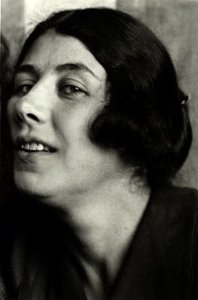
リュボフ・セルゲエヴナ・ポポーワ
1889 - 1924 , ロシア
基本情報
- Artistic Movement Or Style: アヴァンギャルド、構成主義
- Artists Or Movements Influenced By This Artist: ['構成主義']
- Artists Who Influenced This Artist:
- アンリ・フォコーニエ
- ジャン・メツァンジェ
- カジミール・マレーヴィチ
- Date Of Birth: 1889年
- Date Of Death: 1924年
- Full Name: リュボフ・セルゲエヴナ・ポポーワ
- Nationality: ロシア人
- Notable Artworks (List Of Titles):
- ヴァイオリン
- 絵画建築
- 俳優のための衣装5号
- Place Of Birth (City And Country): イワノヴォ、ロシア
関連記事

幾何学的抽象絵画を定義した傑作10選|アート、アーティスト、インテリア装飾
モンドリアン、マレーヴィチ…幾何学的抽象絵画を代表する傑作10選。各作品の背景や色彩構成、アーティストの情熱に迫ります。美術館品質の複製画はArtsDot.comで。オンラインでアートコレクションをご覧ください。
カジミール・マレーヴィチ:至高の25選 - 抽象芸術の革命とホームデコレーション
カジミール・マレーヴィチの至高の25選。シュプレマティズムを代表する「ブラックスクエア」をはじめ、抽象芸術の革命的作品群を紐解きます。ロシア構成主義からミニマリズムまで、美術史に輝く傑作をArtsDot.comで。高品質なアートプリントとホームデコレーションの世界へ。今すぐコレクションをご覧ください。
Beyond Form & Color: Geometric Abstraction's Evolution in 20th/21st Century Art
Explore the evolution of geometric abstraction from Cubism to contemporary art. Discover key artists like Malevich & Mondrian, investment insights, and expert collecting advice at ArtsDot.
Kandinsky's Masterpieces: 25 Paintings That Define Abstract Art | ArtsDot
Journey through Wassily Kandinsky's 25 most iconic abstract paintings. Explore his revolutionary use of color, form & spiritual expressionism. Find museum-quality Kandinsky reproductions and elevate your home decor with ArtsDot.com. Discover all masterpieces on ArtsDot.com!
Beyond Form & Color: Geometric Abstraction's Enduring Legacy in Art History
Explore the captivating world of geometric abstraction! Discover its origins, key artists like Malevich & Mondrian, and why this movement remains highly valued by art collectors today. Expert insights at ArtsDot.

