

 プレビュー
プレビュー
 シェアする
シェアする シェアする
シェアする
 詳細を見る
詳細を見る

 ダウンロード
 似ている作品
 X線調査
X線調査 スライドショー
 統計情報
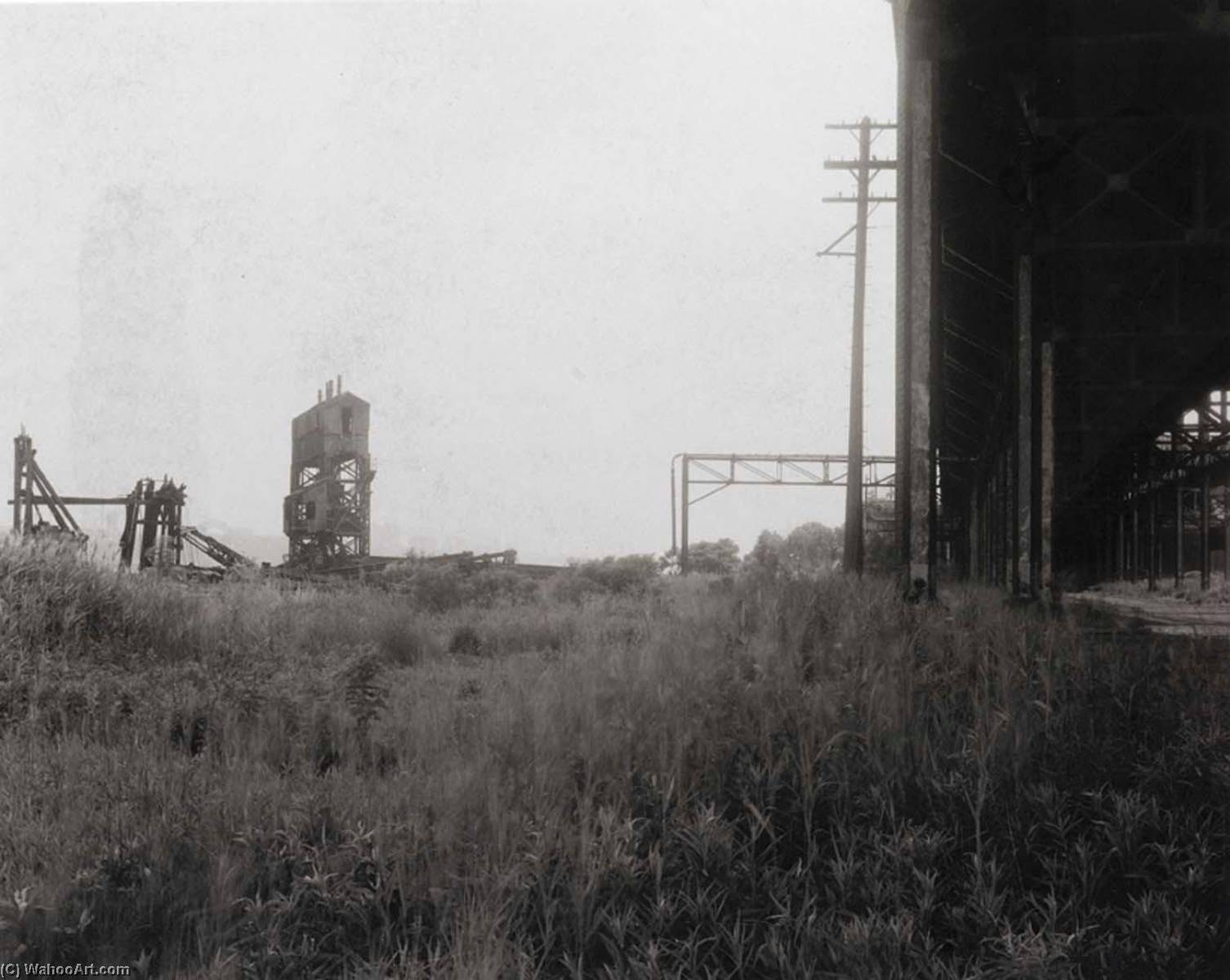
統計情報Under Miller Highway Near 60th St., from the series New York 105
 1990
1990 20.0 x 25.0 cm
 詳細を見る
詳細を見る
ジークレー/アートプリント
迅速な制作と多彩な仕上げオプションを備えた、ミュージアムクオリティのジークレーまたはキャンバスプリント。 ( 手描きの絵画を購入 デジタル画像販売へ切り替え)




































作品のオリジナル比率に合わせた、当店の規定サイズからお選びください。

特定のフレームやスペースに合わせて、ご自身でサイズを指定することも可能です。選択されたサイズが元の画像の比率と一致しない場合、作品をトリミングするか、鏡面反射または単色での塗りつぶしによって画像を拡張いたします。制作を開始する前に、ご確認用のデジタルモックアップをお送りいたします。
画面上のプレビューには、実際のトリミングや拡張は反映されませんのでご注意ください。最終的な構図を正確に確認できるのは、モックアップのみとなります。
カスタムサイズも承っておりますが、元の比率を維持するためには、あらかじめ用意されたリストからサイズを選択することをお勧めいたします。


 ガラスオプションは、110cm未満のサイズでのみご利用いただけます。

Under Miller Highway Near 60th St., from the series New York 105
ジークレー/アートプリント
複製画のサイズ
-


合計金額
$ 62
関連作品









アーティストの略歴
Madoka Takagi: A Quiet Observer of Urban Decay
Madoka Takagi (1956 – 2015) emerged as a distinctive voice in American photography during the late 1980s and early 1990s, specializing in meticulously crafted palladium prints that explored themes of industrial decay and the harmonious coexistence of architecture and nature. Born in Hokkaido, Japan, Takagi immigrated to New York City in 1987, establishing herself as a freelance artist and gaining recognition for her singular aesthetic—characterized by stark contrasts between black and white tones and an unwavering focus on geometric forms. Her work stands apart from prevailing trends of the era, prioritizing subtle nuances of texture and light over grand narratives or dramatic compositions.- Early Influences: Takagi’s artistic sensibilities were profoundly shaped by Japanese Minimalism and Zen Buddhism, principles that instilled in her a reverence for simplicity and an appreciation for capturing essential qualities rather than embellishments. These influences are evident in her deliberate cropping choices and the restrained palette of her prints—a conscious rejection of excessive color saturation.
- Technique: Takagi’s mastery lay in her painstaking process of palladium printing, a technique developed in the early 20th century that produces exceptionally stable images with unparalleled tonal range. She meticulously prepared photographic negatives and carefully positioned them within darkened chambers to achieve optimal exposure—a labor-intensive undertaking demanding precision and patience.
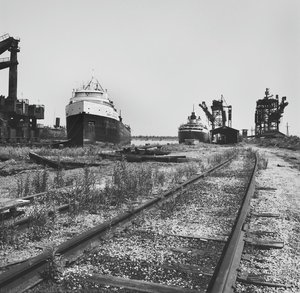
- Notable Works: Her portfolio includes iconic pieces like “Wave Hill,” a haunting grayscale depiction of a greenhouse framework, capturing the melancholic beauty of abandoned structures intertwined with verdant foliage. Similarly, “New York 101,” showcases a crumbling turret building against the backdrop of Brooklyn’s skyline, embodying urban decay alongside an unexpected element of organic growth.
Exploring Themes of Decay and Harmony
Takagi's artistic vision centered on confronting the inevitable passage of time and revealing hidden beauty within seemingly desolate environments. Unlike photographers who sought to glorify progress or celebrate grandeur, she deliberately confronted ruin—the crumbling facades of buildings, overgrown vegetation reclaiming forgotten spaces—to illuminate a deeper truth about resilience and transformation. Her images aren’t merely representations of physical decay; they are meditations on the cyclical nature of existence and the enduring power of natural forces.- Symbolism: The geometric precision of her compositions – often featuring repeating lines and angles – serves as a counterpoint to the organic chaos of the landscapes she portrays. This juxtaposition symbolizes the tension between human ambition and the immutable laws of nature, prompting viewers to contemplate our relationship with the environment and the legacy we leave behind.
- Palette: Takagi’s masterful use of grayscale reinforces her thematic concerns. The absence of color amplifies textural details—the rough surface of brickwork, the delicate veins of leaves—drawing attention to the tactile qualities of her subjects and emphasizing their vulnerability.
Recognition and Legacy
Despite her relatively modest output, Takagi’s photographs garnered critical acclaim and secured a place in museum collections. Her work was exhibited at The Midtown Y Photography Studio, cementing her reputation as an artist dedicated to capturing understated beauty and confronting uncomfortable realities. Furthermore, “Coney Island, Brooklyn,” a watercolor reproduction of Takagi's celebrated image—a striking portrayal of urban decay interwoven with botanical elements—continues to resonate with audiences today, demonstrating the enduring power of her artistic vision. Madoka Takagi’s legacy resides not in grand pronouncements but in quiet observations—a testament to the transformative potential of art when it embraces simplicity and confronts the complexities of our world.Further Exploration
You can find more information about Madoka Takagi's work at Smithsonian American Art Museum. Also, explore her photographic prints on Wave Hill and admire “New York 101” at New York 101.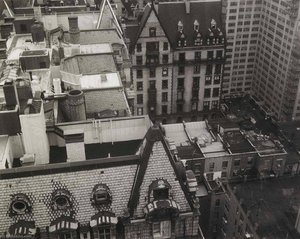
madoka takagi
1956 - 2015
基本情報
- Artistic Movement Or Style: Photography
- Date Of Birth: 1956
- Full Name: Madoka Takagi
- Nationality: Japanese-American
- Notable Artworks:
- Wave Hill
- New York 101
- Coney Island
- Place Of Birth: Obihiro, Hokkaido, Japan