

 プレビュー
プレビュー
 プリントを購入
 シェアする
シェアする シェアする
シェアする
 詳細を見る
詳細を見る

 ダウンロード
 似ている作品
 X線調査
X線調査 スライドショー
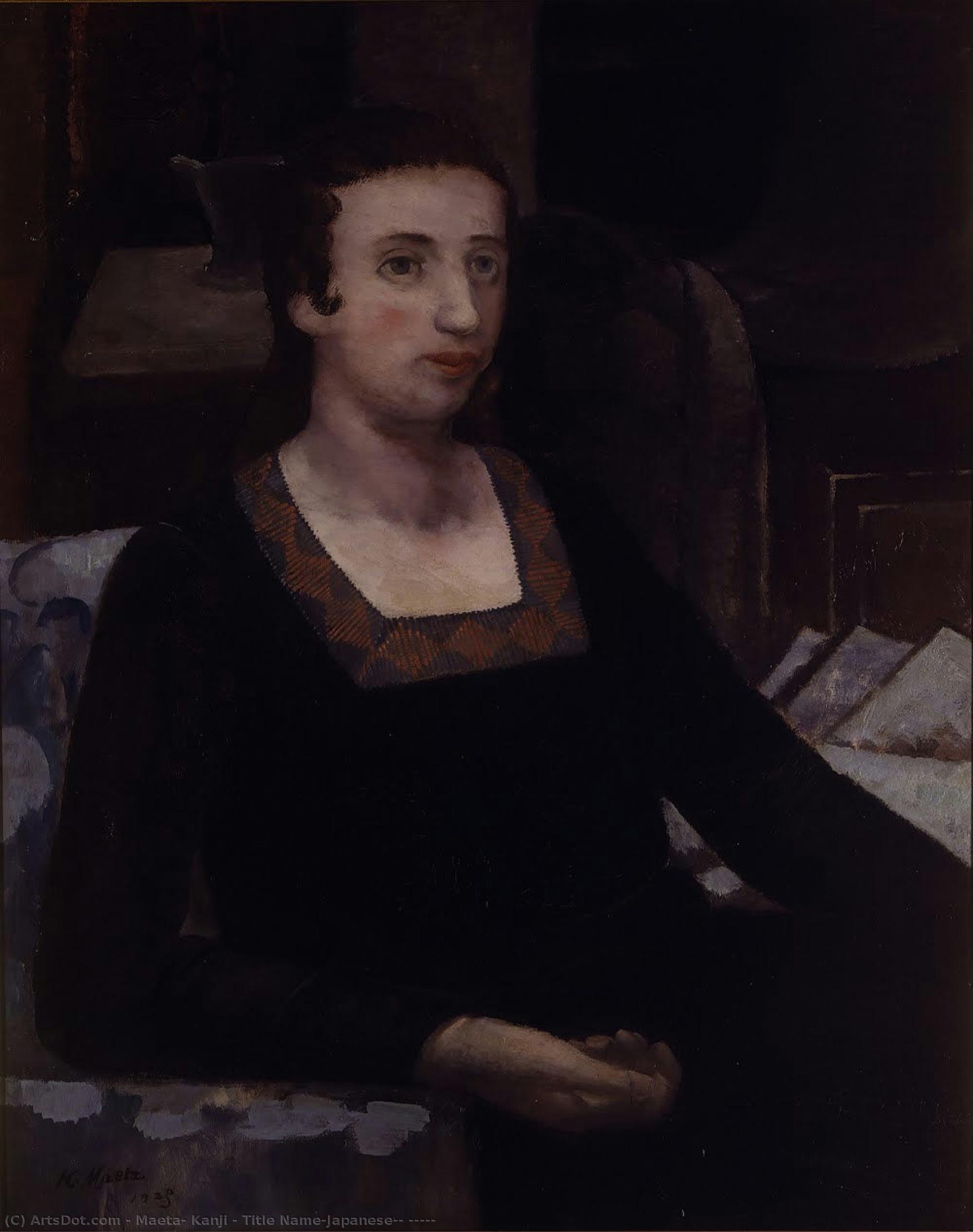
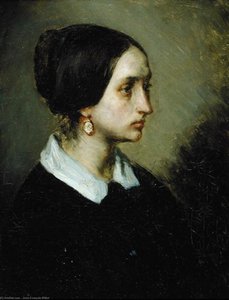
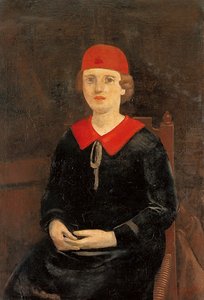
Title Name(Japanese): 黒衣婦人像
 Other
Other 72.0 x 91.0 cm
 詳細を見る
詳細を見る
オンラインプレビューをはるかに凌ぐ、高解像度で鮮明なデジタル画像をご購入いただけます。
各ファイルは、社内の専門家が高度なツールと熟練した手作業によるレタッチを用いて、細心の注意を払って準備されています。すべての画像において、卓越した鮮明度、正確な色彩再現性、そして繊細なディテールを保証いたします。
最終ファイルは、プロフェッショナルな編集・印刷環境ですぐにご利用いただけるよう最適化された状態で、72時間以内にメールにてお届けいたします。これは、一流のデザインスタジオ、出版社、ギャラリーから信頼されているものと同等の品質です。
デジタル画像のご注文に付随する特典
高品質なデジタル画像配信を、確かな品質で。
ArtsDot.com を選ぶことは、単に画像を手に入れることではありません。それは、プロの手によって精密に仕上げられ、満足保証が付いた高品質なデジタルアートワークを受け取ることを意味します。ご注文いただいた際に自動的に付随する内容は、以下の通りです:

メールですぐにお届け
ご注文から72時間以内に、高解像度のデジタル画像ファイルがメールでお手元に届きます。すぐにそのままご利用いただけます。

AI技術で最適化されたデジタルファイル
お客様の作品は、高度なAIツールと専門家による手作業の編集を組み合わせてプロフェッショナルに最適化されており、細部のディテール、鮮明さ、そして正確な色再現性を最大限に引き出しています。

一生涯無料の再送サービス
ファイルを誤って削除したり、紛失してしまったりしましたか?ご安心ください。いつでも無料で再送いたします。

輸入手数料は一切かかりません
関税や手数料、配送料を気にすることなく、お気に入りのアートワークをすぐにお楽しみいただけます。デジタルダウンロードは常に免税です。

色彩再現の保証
プロ仕様のツールとカラーマネジメント技術を用いることで、デジタル画像が元の色を最大限に忠実に再現することを保証いたします。

60日間満足保証
ご購入いただいたデジタル画像にご満足いただけない場合は、60日以内であれば、修正または100%の返金(理由を問う必要はありません)をさせていただきます。

100% 返金保証
ご満足いただけない場合は、デジタルファイルを受け取ってから60日以内であれば、理由を問わず全額返金いたします。

まとめ買い割引
3枚購入で10%OFF - 5枚購入で15%OFF - 10枚以上購入で20%OFF。クリエイティブなプロジェクト、ギャラリー、エージェンシーに最適です。
関連作品
作家の略歴
A Quiet Revolution: The Life and Art of Kanji Maeta
Kanji Maeta, born in Komaki, Japan, in 1954, represents a fascinating intersection of artistic traditions—a bridge between the deeply rooted aesthetics of Japanese painting and the burgeoning influence of Western modernism. While not a household name globally, Maeta’s work occupies a significant niche within the landscape of 20th-century Japanese art, particularly as exemplified by his inclusion in the collection of the Menard Art Museum in Komaki, Aichi Prefecture. His story isn't one of flamboyant rebellion but rather a quiet revolution—a subtle absorption and reinterpretation of Western styles filtered through a uniquely Japanese sensibility. Maeta’s artistic journey began during a period of rapid societal change in Japan, following World War II, when the country was actively engaging with international art movements while simultaneously grappling with its own cultural identity. This context profoundly shaped his approach to painting, leading him to explore oil painting techniques and subject matter that diverged from traditional Nihonga styles, yet remained distinctly imbued with a Japanese spirit.Early Influences and Artistic Development
Maeta’s early exposure to art likely encompassed both the classical traditions of Japan and the increasing availability of Western art publications and exhibitions. The Menard Art Museum's collection itself provides insight into this duality—housing works in both Nihonga and Yōga (Western-style painting). It is within this environment that Maeta began his exploration of oil paint, a medium relatively new to many Japanese artists of his generation. His work quickly demonstrates an affinity for Western techniques, particularly those associated with realism and portraiture. However, unlike direct imitation, Maeta’s paintings possess a certain atmospheric quality—a softness in the rendering of forms and a muted color palette that sets them apart. The influence of Fauvism is noted as having played a role in the broader artistic landscape of his time, though Maeta's work doesn't exhibit the same bold, unrestrained use of color. Instead, he favored a more subdued tonality, often dominated by deep browns and earth tones, creating an intimate and contemplative mood. This preference suggests a deliberate attempt to forge his own path—to integrate Western techniques without sacrificing the emotional resonance characteristic of Japanese art.Themes and Techniques in Maeta’s Oeuvre
The human figure is central to Maeta's artistic practice, particularly the nude form and portraits. His painting *Naked Woman* (裸婦), for example, exemplifies his focus on capturing the vulnerability and beauty of the body. While the subject matter itself may have been influenced by Western art historical precedents—think of the works of Renoir or Courbet—Maeta’s treatment is distinctly personal. The figures are not presented as idealized objects of desire but rather as individuals existing within a quiet, introspective space. His technique often involves layering thin glazes of oil paint to create a luminous effect and a sense of depth. This meticulous approach reflects the Japanese emphasis on craftsmanship and attention to detail. Another notable work, *Black Coat Woman* (黒衣婦人像), showcases his skill in portraiture and his ability to convey emotion through subtle nuances of expression. The striking black and white palette further emphasizes the psychological intensity of the subject.Recognition and Legacy
While Maeta may not have achieved widespread international recognition during his lifetime, his work has been consistently acknowledged within Japanese art circles. His inclusion in the Hiroshima Museum of Art’s collection is a testament to his artistic merit and his contribution to the development of Western-style painting in Japan. The museum's description highlights his role as a key figure in introducing Fauvism to the country while also emphasizing his commitment to developing an original style rooted in realism. Furthermore, MutualArt records indicate increasing interest in his work, with notable prices achieved for paintings like *Man*, *Child*, and *Inlet*. Maeta’s legacy lies not in radical innovation but in a thoughtful synthesis of artistic traditions—a quiet dedication to exploring the human condition through the lens of both Western techniques and Japanese aesthetics. He represents a generation of artists who sought to bridge cultural divides and forge new paths within a rapidly changing world, leaving behind a body of work that continues to resonate with its subtle beauty and emotional depth.Major Achievements
- Integration of Western Techniques: Successfully incorporated oil painting techniques into his artistic practice while maintaining a distinctly Japanese sensibility.
- Unique Style Development: Forged an original style characterized by muted color palettes, atmospheric quality, and meticulous craftsmanship.
- Humanistic Focus: Explored themes of vulnerability, beauty, and introspection through the depiction of the human figure.
- Cultural Bridge: Played a role in introducing Western art movements to Japan while remaining rooted in Japanese artistic traditions.
- Contribution to Nihonga & Yōga Collections: His work is featured in prominent museums like the Menard Art Museum and Hiroshima Museum of Art, showcasing his significance within the broader context of Japanese art history.
maeta, kanji
1954 - , Japan
プロフィール概要
- Artistic Movement Or Style: Western-influenced oil painting
- Artists Who Influenced This Artist: ['Western art movements']
- Date Of Birth: 1954
- Full Name: Kanji Maeta
- Nationality: Japanese
- Notable Artworks:
- Naked Woman
- Black Coat Woman
- Red Cap
- Man
- Child
- Inlet
- Girl
- Nude
- Portrait of a boy
- Place Of Birth: Komaki, Japan

