

 プレビュー
プレビュー
 プリントを購入
 シェアする
シェアする シェアする
シェアする
 詳細を見る
詳細を見る

 ダウンロード
 似ている作品
 X線調査
X線調査 スライドショー
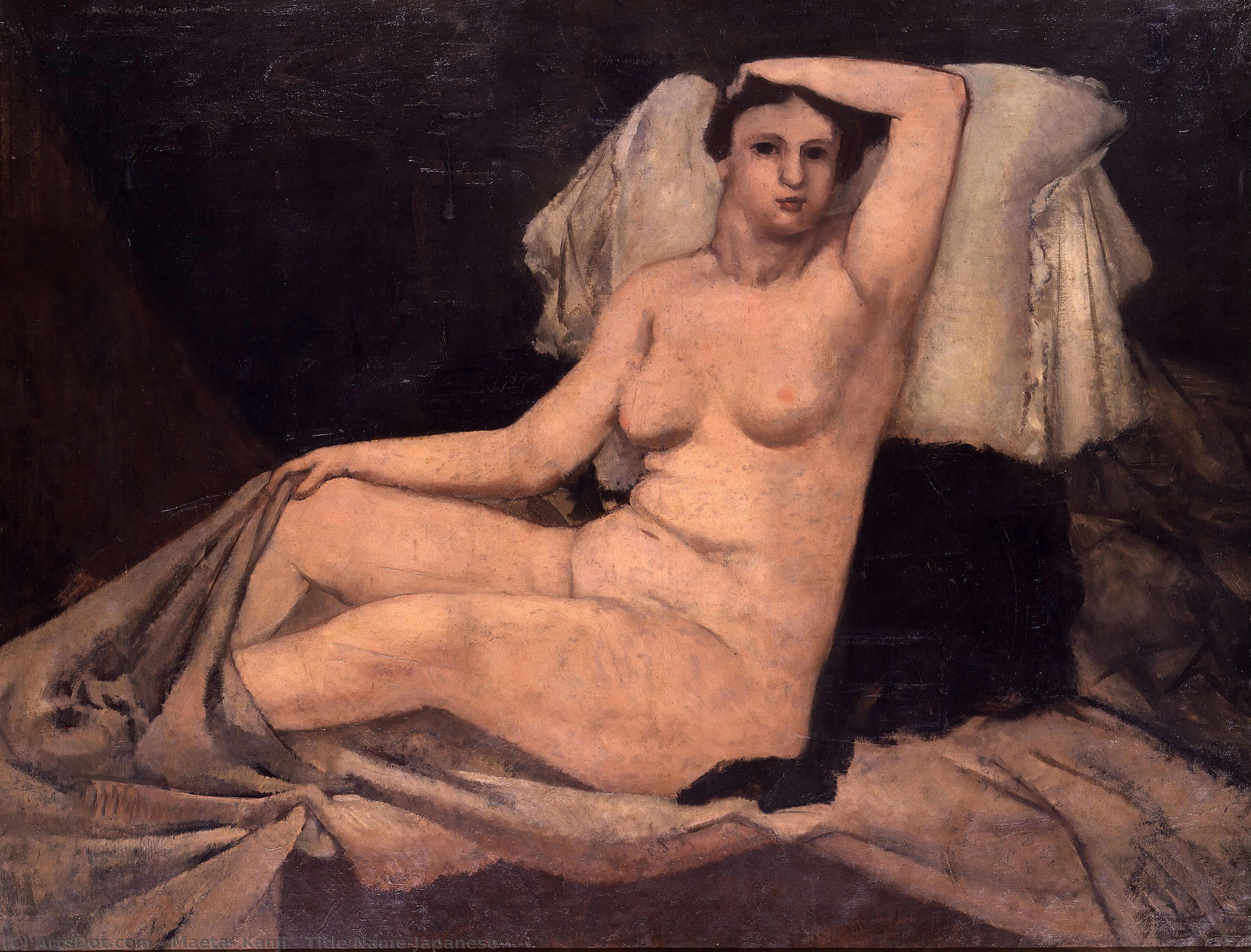
Title Name(Japanese): 裸婦
 145.0 x 112.0 cm
 詳細を見る
詳細を見る




































作品のオリジナル比率に合わせた、当店の規定サイズからお選びください。

特定のフレームやスペースに合わせて、ご希望のサイズをご入力いただけます。選択されたサイズが元の画像の比率と異なる場合、アートワークをトリミングするか、手描きで要素を追加して絵画を拡張いたします。デジタルモックアップ を制作し、制作開始前にご確認(承認)をいただきます。
画面上のプレビューは、実際のトリミングや拡張を正確に反映しているものではありません。最終的な構図は、モックアップによってのみ正確にご確認いただけます。
カスタムサイズもご利用いただけますが、元の比率を維持するためには、あらかじめ用意されたリストからサイズを選択することをお勧めいたします。
ご注文後、ArtsDot.com チームより詳細な指示をお送りするとともに、仕上がりイメージ(モックアップ)をご提供いたします。


 ガラスオプションは、110cm未満のサイズでのみご利用いただけます。

Title Name(Japanese): 裸婦
複製技法
複製画のサイズ
-


合計金額
$ 263
関連作品









アーティストの略歴
A Quiet Revolution: The Life and Art of Kanji Maeta
Kanji Maeta, born in Komaki, Japan, in 1954, represents a fascinating intersection of artistic traditions—a bridge between the deeply rooted aesthetics of Japanese painting and the burgeoning influence of Western modernism. While not a household name globally, Maeta’s work occupies a significant niche within the landscape of 20th-century Japanese art, particularly as exemplified by his inclusion in the collection of the Menard Art Museum in Komaki, Aichi Prefecture. His story isn't one of flamboyant rebellion but rather a quiet revolution—a subtle absorption and reinterpretation of Western styles filtered through a uniquely Japanese sensibility. Maeta’s artistic journey began during a period of rapid societal change in Japan, following World War II, when the country was actively engaging with international art movements while simultaneously grappling with its own cultural identity. This context profoundly shaped his approach to painting, leading him to explore oil painting techniques and subject matter that diverged from traditional Nihonga styles, yet remained distinctly imbued with a Japanese spirit.Early Influences and Artistic Development
Maeta’s early exposure to art likely encompassed both the classical traditions of Japan and the increasing availability of Western art publications and exhibitions. The Menard Art Museum's collection itself provides insight into this duality—housing works in both Nihonga and Yōga (Western-style painting). It is within this environment that Maeta began his exploration of oil paint, a medium relatively new to many Japanese artists of his generation. His work quickly demonstrates an affinity for Western techniques, particularly those associated with realism and portraiture. However, unlike direct imitation, Maeta’s paintings possess a certain atmospheric quality—a softness in the rendering of forms and a muted color palette that sets them apart. The influence of Fauvism is noted as having played a role in the broader artistic landscape of his time, though Maeta's work doesn't exhibit the same bold, unrestrained use of color. Instead, he favored a more subdued tonality, often dominated by deep browns and earth tones, creating an intimate and contemplative mood. This preference suggests a deliberate attempt to forge his own path—to integrate Western techniques without sacrificing the emotional resonance characteristic of Japanese art.Themes and Techniques in Maeta’s Oeuvre
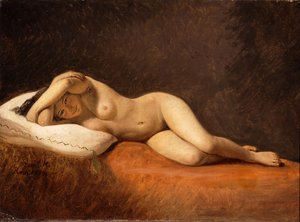
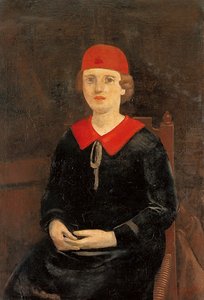
The human figure is central to Maeta's artistic practice, particularly the nude form and portraits. His painting *Naked Woman* (裸婦), for example, exemplifies his focus on capturing the vulnerability and beauty of the body. While the subject matter itself may have been influenced by Western art historical precedents—think of the works of Renoir or Courbet—Maeta’s treatment is distinctly personal. The figures are not presented as idealized objects of desire but rather as individuals existing within a quiet, introspective space. His technique often involves layering thin glazes of oil paint to create a luminous effect and a sense of depth. This meticulous approach reflects the Japanese emphasis on craftsmanship and attention to detail. Another notable work, *Black Coat Woman* (黒衣婦人像), showcases his skill in portraiture and his ability to convey emotion through subtle nuances of expression. The striking black and white palette further emphasizes the psychological intensity of the subject.Recognition and Legacy
While Maeta may not have achieved widespread international recognition during his lifetime, his work has been consistently acknowledged within Japanese art circles. His inclusion in the Hiroshima Museum of Art’s collection is a testament to his artistic merit and his contribution to the development of Western-style painting in Japan. The museum's description highlights his role as a key figure in introducing Fauvism to the country while also emphasizing his commitment to developing an original style rooted in realism. Furthermore, MutualArt records indicate increasing interest in his work, with notable prices achieved for paintings like *Man*, *Child*, and *Inlet*. Maeta’s legacy lies not in radical innovation but in a thoughtful synthesis of artistic traditions—a quiet dedication to exploring the human condition through the lens of both Western techniques and Japanese aesthetics. He represents a generation of artists who sought to bridge cultural divides and forge new paths within a rapidly changing world, leaving behind a body of work that continues to resonate with its subtle beauty and emotional depth.Major Achievements
- Integration of Western Techniques: Successfully incorporated oil painting techniques into his artistic practice while maintaining a distinctly Japanese sensibility.
- Unique Style Development: Forged an original style characterized by muted color palettes, atmospheric quality, and meticulous craftsmanship.
- Humanistic Focus: Explored themes of vulnerability, beauty, and introspection through the depiction of the human figure.
- Cultural Bridge: Played a role in introducing Western art movements to Japan while remaining rooted in Japanese artistic traditions.
- Contribution to Nihonga & Yōga Collections: His work is featured in prominent museums like the Menard Art Museum and Hiroshima Museum of Art, showcasing his significance within the broader context of Japanese art history.
maeta, kanji
1954 - , Japan
基本情報
- Artistic Movement Or Style: Western-influenced oil painting
- Artists Who Influenced This Artist: ['Western art movements']
- Date Of Birth: 1954
- Full Name: Kanji Maeta
- Nationality: Japanese
- Notable Artworks:
- Naked Woman
- Black Coat Woman
- Red Cap
- Man
- Child
- Inlet
- Girl
- Nude
- Portrait of a boy
- Place Of Birth: Komaki, Japan

