

 プレビュー
プレビュー
 シェアする
シェアする シェアする
シェアする
 詳細を見る
詳細を見る

 ダウンロード
 似ている作品
 X線調査
X線調査 スライドショー
 統計情報
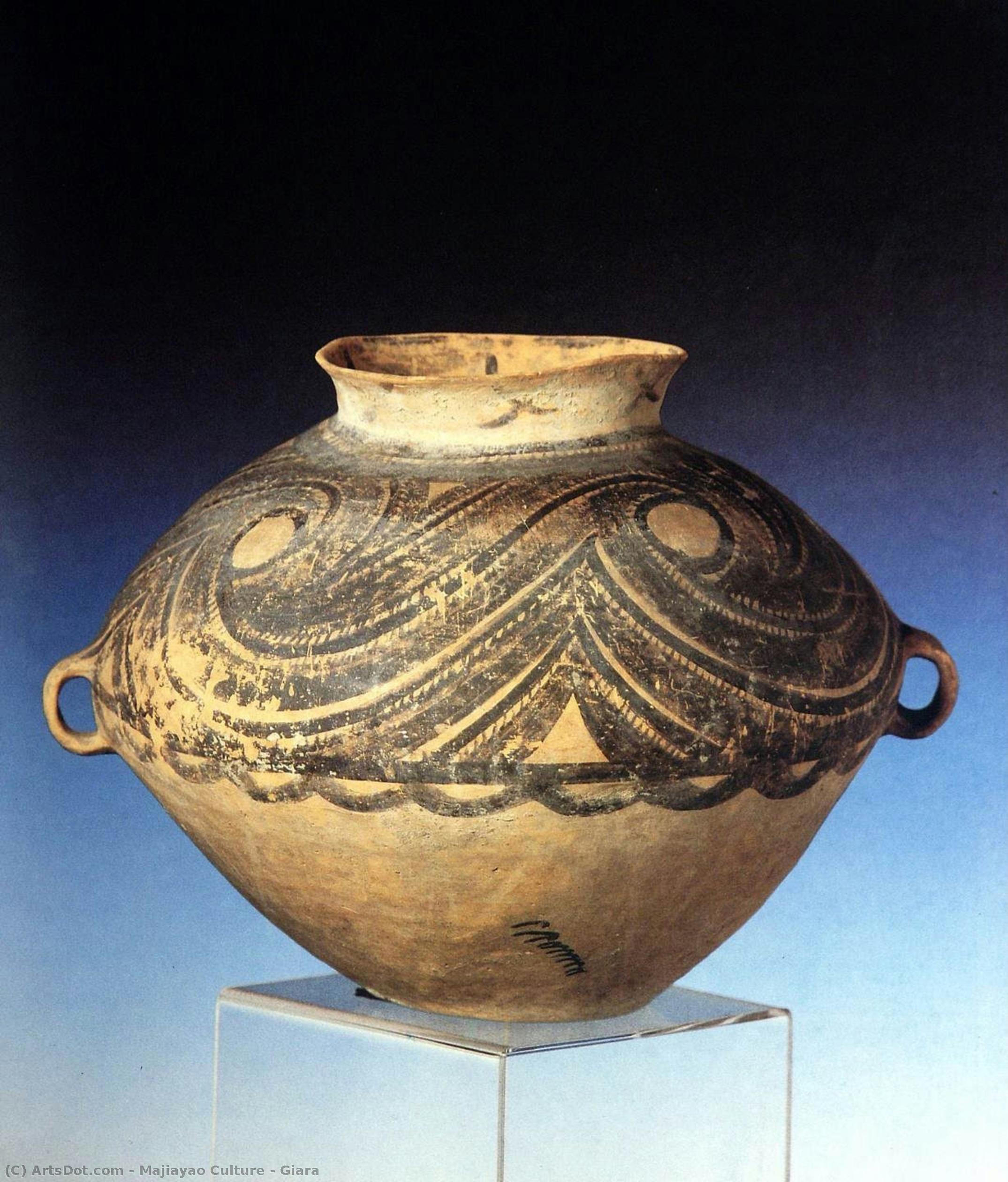
統計情報Giara


 詳細を見る
詳細を見る
手描き油彩複製画
当社のアーティストが、お客様のご希望のサイズと額縁に合わせて、キャンバスに手描きで制作する油彩画です。 ( プリント版に切り替え デジタル画像販売へ切り替え)




































作品のオリジナル比率に合わせた、当店の規定サイズからお選びください。

特定のフレームやスペースに合わせて、ご希望のサイズをご入力いただけます。選択されたサイズが元の画像の比率と異なる場合、アートワークをトリミングするか、手描きで要素を追加して絵画を拡張いたします。デジタルモックアップ を制作し、制作開始前にご確認(承認)をいただきます。
画面上のプレビューは、実際のトリミングや拡張を正確に反映しているものではありません。最終的な構図は、モックアップによってのみ正確にご確認いただけます。
カスタムサイズもご利用いただけますが、元の比率を維持するためには、あらかじめ用意されたリストからサイズを選択することをお勧めいたします。
ご注文後、ArtsDot.com チームより詳細な指示をお送りするとともに、仕上がりイメージ(モックアップ)をご提供いたします。


 ガラスオプションは、110cm未満のサイズでのみご利用いただけます。

Giara
複製技法
複製画のサイズ
-


合計金額
$ 263
関連作品
アーティストの略歴
The Enigmatic Majiayao Culture and Its Painted Pottery Legacy
To step into the world of the Majiayao culture is to journey back to a pivotal moment in Neolithic history, where the upper reaches of the Yellow River served as the cradle for a profound artistic awakening. Flourishing between 3300 and 2000 BC across the rugged landscapes of modern-day Gansu, Qinghai, Ningxia, and northern Sichuan, this era represents far more than a mere chronological period; it was a zenith of human creativity. Emerging from the earlier traditions of the Yangshao culture, the Majiayao people transformed the utilitarian necessity of clay into a sophisticated medium for spiritual and social expression. Their existence was shaped by the fertile valleys of the Wei, Bailong, Tao, and Datong rivers, where a warm and humid climate fostered an era of unprecedented agricultural abundance and population expansion.
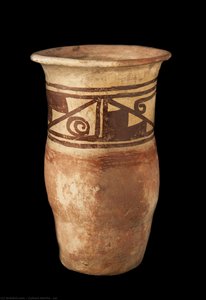
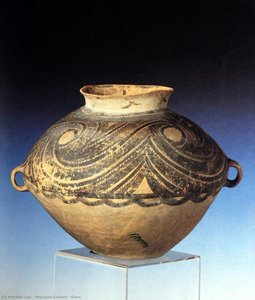
The true soul of this culture resides in its breathtaking painted pottery, works that are often regarded as the absolute peak of Neolithic ceramic manufacturing. These vessels were not merely tools for storage but were canvases for a complex, symbolic language. Crafted in large-scale workshops that suggest a highly organized and burgeoning social complexity, each piece displays an unparalleled mastery of form and pigment. The artisans utilized a striking palette, typically applying black pigments over rich burgundy slips to create high-contrast, rhythmic designs. As one examines these ancient artifacts, the eye is drawn into a mesmerizing dance of geometric precision and organic fluidity, where every swirling line and dot seems to pulse with the rhythm of an ancient heartbeat.
Symbolism and the Language of Clay
The aesthetic language of Majiayao pottery is deeply evocative, blending abstract geometry with stylized, almost haunting, imagery. The motifs found upon these terracotta surfaces offer a window into a worldview brimming with mystery. One might encounter:
- Intricate Geometric Patterns: Swirling lines, crosshatched designs, and repetitive dots that create a sense of continuous motion across the vessel's surface.
- Anthropomorphic Figures: Stylized depictions of human-like beings, often rendered in a minimalist or even headless fashion, which continue to provoke intense archaeological debate regarding their ritualistic significance.
- Sacred Symbols: The presence of recurring motifs that hint at a shared cosmological understanding, connecting the earthly realm to the divine.
This artistry suggests a society that was deeply attuned to the patterns of nature and perhaps possessed a structured belief system that utilized art as a vessel for communal memory. The sheer technical skill required to maintain such consistent, high-quality production across large workshops points toward a culture that valued specialized craftsmanship and held these aesthetic achievements in high esteem.
Technological Transitions and Historical Significance
Beyond the delicate beauty of their ceramics, the Majiayao culture stood at the threshold of a monumental technological shift. While their predecessors primarily focused on plain pottery, the Majiayao era witnessed the pioneering introduction of bronze metallurgy. This transformative leap forward, evidenced by significant finds at sites like Machang, suggests a vibrant period of cultural exchange with the peoples of the northern steppes. This infusion of new technology would eventually lay the groundwork for the Bronze Age and shape the long-term trajectory of ancient Chinese civilization.
As the centuries progressed, the climatic shifts toward increased aridity during the Late Holocene brought about a period of decline, eventually leading to the rise of the Qijia culture. Yet, the legacy of the Majiayao remains indelible. They were the architects of a unique aesthetic identity that bridged the gap between the simple traditions of the early Neolithic and the complex, metal-working societies that followed. Today, their painted vessels stand as silent, powerful witnesses to an era of profound innovation, reminding us of a time when the human spirit first began to etch its most complex dreams into the very earth itself.
majiayao culture
3300 - 2000 , China
基本情報
- Artistic Movement Or Style: Neolithic Pottery
- Full Name: Majiayao Culture
- Nationality: Chinese
- Notable Artworks: ['Giara']
- Place Of Birth: China
関連記事
Beyond Form & Color: Geometric Abstraction's Enduring Legacy in Art History
Explore the captivating world of geometric abstraction! Discover its origins, key artists like Malevich & Mondrian, and why this movement remains highly valued by art collectors today. Expert insights at ArtsDot.
Beyond Form & Color: Geometric Abstraction's Evolution in 20th/21st Century Art
Explore the evolution of geometric abstraction from Cubism to contemporary art. Discover key artists like Malevich & Mondrian, investment insights, and expert collecting advice at ArtsDot.

幾何学的抽象絵画を定義した傑作10選|アート、アーティスト、インテリア装飾
モンドリアン、マレーヴィチ…幾何学的抽象絵画を代表する傑作10選。各作品の背景や色彩構成、アーティストの情熱に迫ります。美術館品質の複製画はArtsDot.comで。オンラインでアートコレクションをご覧ください。
The Enduring Appeal of Geometric Patterns in Art: A Historical & Contemporary Exploration
Explore the captivating history of geometric abstraction in art, from ancient roots to contemporary masters. Expert insights for collectors & enthusiasts. Discover key artists, movements & investment potential.
Geometric Design in Art: A Historical Survey & Contemporary Appeal for Collectors
Explore the enduring legacy of geometric abstraction! Discover key artists, historical movements & investment insights for discerning art collectors. Expert guidance from ArtsDot.