

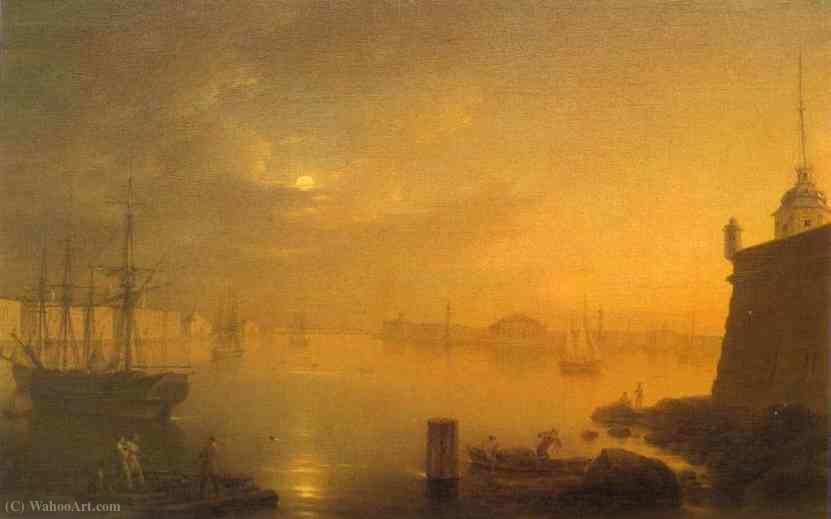
 プレビュー
プレビュー
 シェアする
シェアする シェアする
シェアする
 詳細を見る
詳細を見る

 ダウンロード
 似ている作品
 X線調査
X線調査 スライドショー
 統計情報
統計情報Moonlit Night in St. Petersburg
 詳細を見る
詳細を見る
手描き油彩複製画
当社のアーティストが、お客様のご希望のサイズと額縁に合わせて、キャンバスに手描きで制作する油彩画です。 ( プリント版に切り替え デジタル画像販売へ切り替え)




































作品のオリジナル比率に合わせた、当店の規定サイズからお選びください。

特定のフレームやスペースに合わせて、ご希望のサイズをご入力いただけます。選択されたサイズが元の画像の比率と異なる場合、アートワークをトリミングするか、手描きで要素を追加して絵画を拡張いたします。デジタルモックアップ を制作し、制作開始前にご確認(承認)をいただきます。
画面上のプレビューは、実際のトリミングや拡張を正確に反映しているものではありません。最終的な構図は、モックアップによってのみ正確にご確認いただけます。
カスタムサイズもご利用いただけますが、元の比率を維持するためには、あらかじめ用意されたリストからサイズを選択することをお勧めいたします。
ご注文後、ArtsDot.com チームより詳細な指示をお送りするとともに、仕上がりイメージ(モックアップ)をご提供いたします。


 ガラスオプションは、110cm未満のサイズでのみご利用いただけます。

Moonlit Night in St. Petersburg
複製技法
複製画のサイズ
-


合計金額
$ 263
関連作品
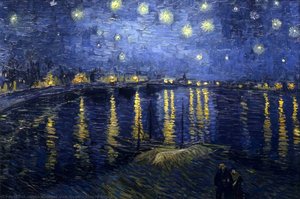
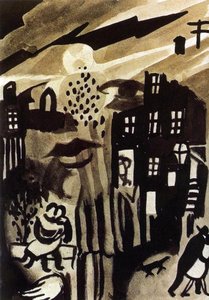
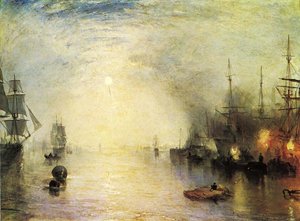
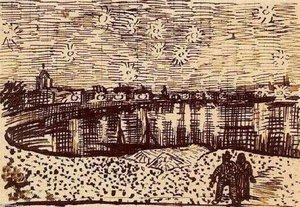

アーティストの略歴
The Architect of Atmosphere: The Early Years of Maksim Vorobyov
In the twilight of the eighteenth century, amidst the burgeoning intellectual energy of Saint Petersburg, a master of the Russian landscape was beginning to take shape. Maksim Nikiforovich Vorobyov, born in 1787, emerged from an unlikely background—the son of a retired soldier and academy custodian—to become a cornerstone of the Romantic movement. His education at the Imperial Academy of Arts provided him with more than just technical proficiency; it offered a window into the profound intersection of architecture and nature. Under the tutified of Fyodor Alekseyev, Vorobyov learned to see the landscape not merely as scenery, but as a living, breathing entity capable of conveying deep spiritual truths. This foundational period was marked by a rigorous study of perspective and anatomy, skills that would later allow him to render the most intricate architectural details with breathtaking clarity.As his talent matured, he began to absorb the influences of European masters like Caspar David Friedrich, blending the precision of classical training with the emotive, sweeping vistas characteristic of the Romantic era.
Expeditions into the Sublime: From European Campaigns to Sacred Sands
Vorobyov’s artistry was forged in the crucible of travel and historical upheaval. As he accompanied the Russian army through Germany and France during the campaigns of 1813-1814, his eyes were opened to the vast, emotive vistas of a continent in flux. Yet, perhaps his most transformative journey occurred in 1820, when he embarked on a clandestine mission to Palestine. Tasked with documenting the major Christian sites for the Grand Duke Nikolai Pavlovich, Vorobyov navigated the delicate political landscape of the Ottoman Empire to sketch the holy architecture of Jerusalem and the Dead Sea. These secret observations resulted in a collection of over ninety watercolors that would forever inform his ability to capture the sacred.His work from this era demonstrates a masterful command of panoramic perspective, drawing the viewer into a space where the divine meets the terrestrial through meticulous light and shadow. Some of his most evocative explorations include:
- Inner View Of The Temple In Jerusalem: A profound study of religious devotion and architectural grandeur.
- Alley in Albano: A serene reflection on classical landscapes.
- Bosphorus: A vibrant capture of the intersection between nature and urban life.
A Legacy Written in Light and Shadow
The later years of Vorobyov’s life were a poignant reflection of the human condition, mirroring the dramatic shifts in his artistic output. While he achieved great heights as a teacher at the Academy and a celebrated painter of Russian cityscapes—capturing the kinetic energy of works like Last Train—his personal world was shadowed by profound loss. The death of his beloved wife, Cleo, in 1840, plunged him into a period of deep melancholy, a struggle that eventually seeped into the very brushstrokes of his later compositions.Despite this tragedy, his technical legacy remains unassailable. He possessed an unparalleled ability to utilize chiaroscuro, creating a dramatic interplay of light and shadow that breathed life into both the bustling streets of Saint Petersburg and the quiet, monastic retreats of the Russian countryside. His oeuvre stands as a testament to the power of Romanticism, where every meticulously rendered stone and shifting cloud serves to evoke the sublime beauty of a world both seen and felt. Through his dedication to realism and emotion, Vorobyov ensured that the landscapes of Russia would be remembered not just as geography, but as poetry.
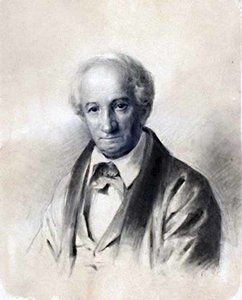
maksim nikiforovich vorobiev
1787 - 1855 , Russia
基本情報
- Artistic Movement Or Style: Romanticism
- Date Of Birth: Saint Petersburg, Russia (1787)
- Date Of Death: August 30, 1855
- Full Name: Maksim Nikiforovich Vorobyov
- Nationality: Russian
- Notable Artworks:
- Inner View Of The Temple In Jerusalem
- Last Train
- View of the Kremlin
- Place Of Birth: Saint Petersburg