

 プレビュー
プレビュー
 プリントを購入
 シェアする
シェアする シェアする
シェアする
 詳細を見る
詳細を見る

 ダウンロード
 似ている作品
 X線調査
X線調査 スライドショー
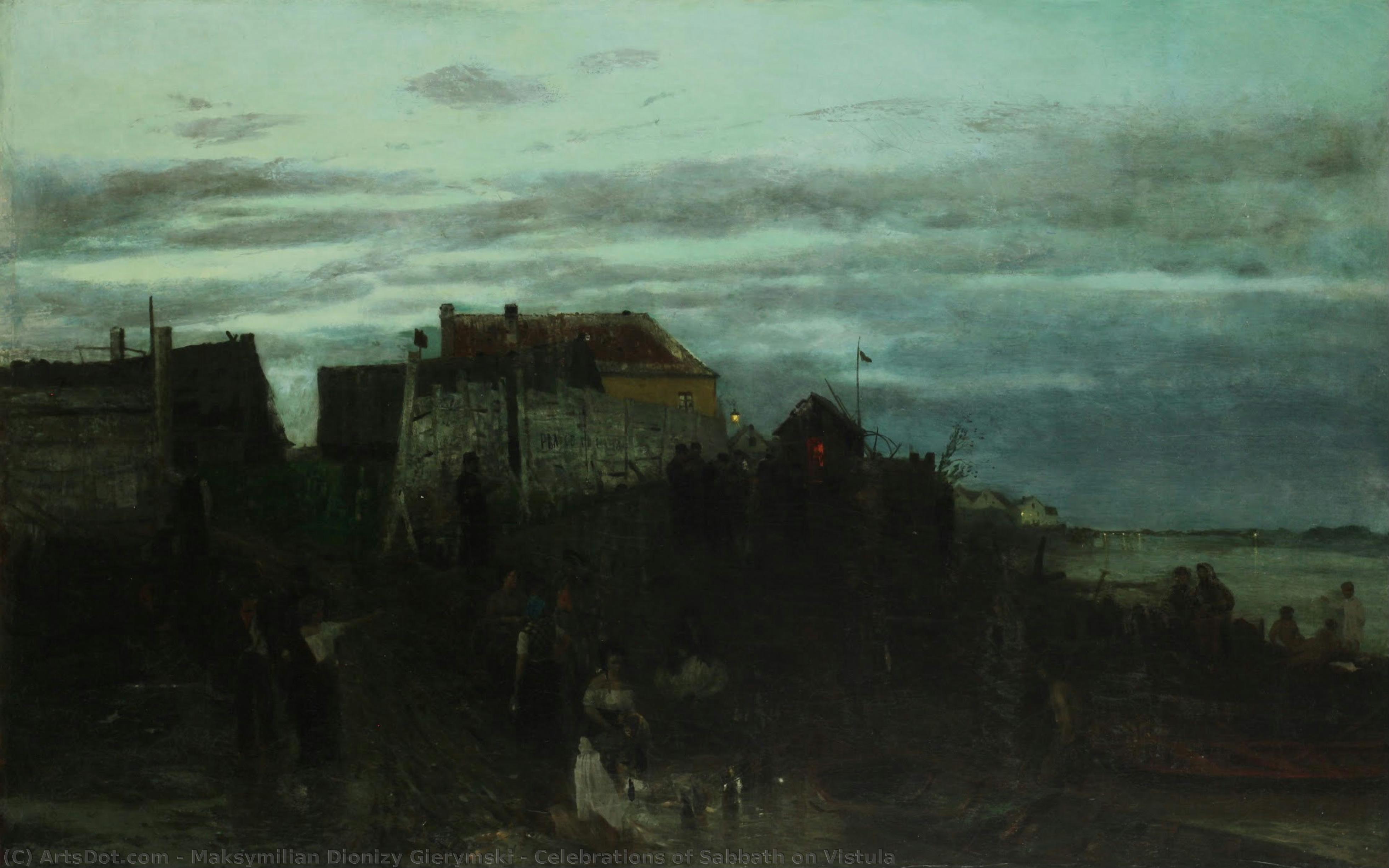
Celebrations of Sabbath on Vistula


 詳細を見る
詳細を見る
オンラインプレビューをはるかに凌ぐ、高解像度で鮮明なデジタル画像をご購入いただけます。
各ファイルは、社内の専門家が高度なツールと熟練した手作業によるレタッチを用いて、細心の注意を払って準備されています。すべての画像において、卓越した鮮明度、正確な色彩再現性、そして繊細なディテールを保証いたします。
最終ファイルは、プロフェッショナルな編集・印刷環境ですぐにご利用いただけるよう最適化された状態で、72時間以内にメールにてお届けいたします。これは、一流のデザインスタジオ、出版社、ギャラリーから信頼されているものと同等の品質です。
デジタル画像のご注文に付随する特典
高品質なデジタル画像配信を、確かな品質で。
ArtsDot.com を選ぶことは、単に画像を手に入れることではありません。それは、プロの手によって精密に仕上げられ、満足保証が付いた高品質なデジタルアートワークを受け取ることを意味します。ご注文いただいた際に自動的に付随する内容は、以下の通りです:

メールですぐにお届け
ご注文から72時間以内に、高解像度のデジタル画像ファイルがメールでお手元に届きます。すぐにそのままご利用いただけます。

AI技術で最適化されたデジタルファイル
お客様の作品は、高度なAIツールと専門家による手作業の編集を組み合わせてプロフェッショナルに最適化されており、細部のディテール、鮮明さ、そして正確な色再現性を最大限に引き出しています。

一生涯無料の再送サービス
ファイルを誤って削除したり、紛失してしまったりしましたか?ご安心ください。いつでも無料で再送いたします。

輸入手数料は一切かかりません
関税や手数料、配送料を気にすることなく、お気に入りのアートワークをすぐにお楽しみいただけます。デジタルダウンロードは常に免税です。

色彩再現の保証
プロ仕様のツールとカラーマネジメント技術を用いることで、デジタル画像が元の色を最大限に忠実に再現することを保証いたします。

60日間満足保証
ご購入いただいたデジタル画像にご満足いただけない場合は、60日以内であれば、修正または100%の返金(理由を問う必要はありません)をさせていただきます。

100% 返金保証
ご満足いただけない場合は、デジタルファイルを受け取ってから60日以内であれば、理由を問わず全額返金いたします。

まとめ買い割引
3枚購入で10%OFF - 5枚購入で15%OFF - 10枚以上購入で20%OFF。クリエイティブなプロジェクト、ギャラリー、エージェンシーに最適です。
関連作品







作家の略歴
Maksymilian Dionizy Gierymski: A Polish Realist Caught Between Uprising and Unseen Potential
Born in Warsaw on October 9, 1846, Maksymilian Dionizy Gierymski’s life was tragically short, ending in Reichenhall, Bavaria, in 1874 at the age of twenty-seven. Yet, within those brief years, he carved a distinctive niche for himself as one of the most compelling figures of the Munich Realistic School – a movement that sought to capture the gritty realities of Polish life and history with unflinching honesty. His story is intertwined with Poland’s turbulent 19th century, marked by political upheaval, national longing, and an often-difficult relationship between artists and the established powers.
Gierymski's early years were shaped by the January Uprising of 1863, a pivotal moment in Polish history. At seventeen, he bravely joined the insurrectionary forces, fighting against Russian rule. This experience profoundly impacted his artistic vision, instilling a deep sense of patriotism and a desire to depict the struggles of his people. Following the uprising’s suppression, he narrowly avoided persecution, utilizing a government scholarship to pursue formal training in Munich – a move that would ultimately define his career.
Training and Early Influences in Munich
Arriving in Munich in 1867, Gierymski initially enrolled in the antiquity class at the Academy of Fine Arts, ostensibly to hone his drawing skills. However, he quickly gravitated towards Juliusz Kossak, a prominent landscape painter known for his depictions of horses and hunting scenes. Kossak recognized Gierymski’s potential and introduced him to Franz Adam, a master painter specializing in battle scenes – a genre that would become central to Gierymski's oeuvre. Adam’s workshop provided the young artist with invaluable training in composition, technique, and the dramatic portrayal of historical events.
Gierymski’s artistic development was further influenced by Hermann Anschütz, a historical painter at the Academy, and later by Alexander Strähuber, both respected figures within the Munich art community. He also benefited from the tutelage of Sándor Wagner, a talented assistant who helped to shape Gierymski's understanding of light, shadow, and anatomical accuracy. The atmosphere of the workshop fostered a spirit of experimentation and innovation, allowing Gierymski to develop his own distinctive style – one characterized by its realism, emotional intensity, and often bleak portrayal of human suffering.
A Palette of Polish Realism: Themes and Techniques
Gierymski’s artistic output spanned a diverse range of subjects, but he is most celebrated for his depictions of battle scenes, insurgent life, and landscapes of southern Poland. Unlike the idealized portrayals common in academic art, Gierymski presented a raw and unflinching view of conflict – the chaos of war, the desperation of refugees, and the hardships faced by ordinary people. His paintings are not romanticized celebrations of heroism; instead, they offer poignant glimpses into moments of profound human suffering.
His mastery of watercolour was particularly noteworthy. He skillfully employed delicate washes and subtle gradations of tone to create atmospheric effects and capture the fleeting expressions on his subjects’ faces. Works like “Krajobraz leśny” (1866) showcase his ability to render the textures of nature with remarkable detail, while paintings such as “Wymarsz powstańców ze wsi w 1863 roku” (1867) and “Powrót bez pana” (1868) powerfully convey the emotional weight of historical events. His meticulous attention to detail, combined with his expressive use of color and light, created a uniquely compelling visual language.
Recognition and Legacy
Despite his talent and dedication, Gierymski’s work was largely overlooked in Poland during his lifetime. The conservative art establishment often rejected his unflinching realism, viewing it as too critical of the nation's past. He regularly exhibited his paintings in Warsaw from 1868 onwards, but they received limited acclaim within his homeland. However, in Western Europe, particularly in Germany and France, Gierymski’s work gained recognition for its emotional depth and artistic merit.
His legacy is now being reassessed as a crucial precursor to Polish realism. Works like “Insurgent Patrol” (1867) and "Celebrations of Sabbath on Vistula" (1868) offer powerful insights into the social and political realities of 19th-century Poland. His paintings are featured in prominent museums, including the Warsaw National Museum and the Museum Pomorskie in Danzig, ensuring that his artistic contributions are finally receiving the recognition they deserve. Maksymilian Gierymski’s tragically short life serves as a poignant reminder of an artist whose vision was ahead of its time – a realist who captured the spirit of a nation struggling for independence and self-determination.
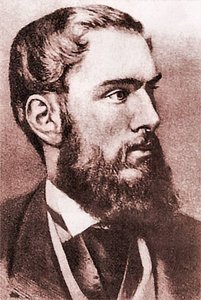
maksymilian dionizy gierymski
1846 - 1874 , Poland
プロフィール概要
- Artistic Movement Or Style: Munich Realistic School
- Artists Or Movements Influenced By This Artist:
- Realism
- Romanticism
- Artists Who Influenced This Artist:
- Carl von Piloty
- Franz Adam
- Date Of Birth: 1846, Warsaw, Poland
- Date Of Death: 1874, Reichenhall, Bavaria
- Full Name: Maksymilian Dionizy Gierymski
- Nationality: Polish
- Notable Artworks:
- Krajobraz leśny (1866)
- Wymarsz powstańców (1867)
- Powrót bez pana (1868)
- Place Of Birth: Warsaw, Poland

