

 プレビュー
プレビュー
 プリントを購入
 シェアする
シェアする シェアする
シェアする
 詳細を見る
詳細を見る

 ダウンロード
 似ている作品
 X線調査
X線調査 スライドショー
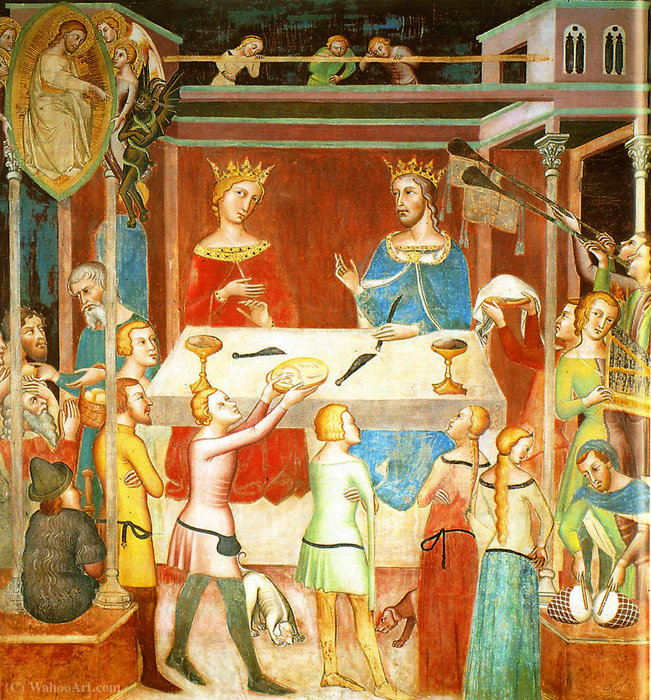
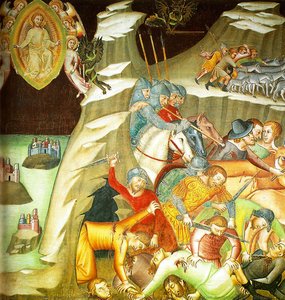
The devil gets groped by God of Job, fresco by Bartolo di Fredi (Duomo di San Gimignano)
 詳細を見る
詳細を見る
オンラインプレビューをはるかに凌ぐ、高解像度で鮮明なデジタル画像をご購入いただけます。
各ファイルは、社内の専門家が高度なツールと熟練した手作業によるレタッチを用いて、細心の注意を払って準備されています。すべての画像において、卓越した鮮明度、正確な色彩再現性、そして繊細なディテールを保証いたします。
最終ファイルは、プロフェッショナルな編集・印刷環境ですぐにご利用いただけるよう最適化された状態で、72時間以内にメールにてお届けいたします。これは、一流のデザインスタジオ、出版社、ギャラリーから信頼されているものと同等の品質です。
デジタル画像のご注文に付随する特典
高品質なデジタル画像配信を、確かな品質で。
ArtsDot.com を選ぶことは、単に画像を手に入れることではありません。それは、プロの手によって精密に仕上げられ、満足保証が付いた高品質なデジタルアートワークを受け取ることを意味します。ご注文いただいた際に自動的に付随する内容は、以下の通りです:

メールですぐにお届け
ご注文から72時間以内に、高解像度のデジタル画像ファイルがメールでお手元に届きます。すぐにそのままご利用いただけます。

AI技術で最適化されたデジタルファイル
お客様の作品は、高度なAIツールと専門家による手作業の編集を組み合わせてプロフェッショナルに最適化されており、細部のディテール、鮮明さ、そして正確な色再現性を最大限に引き出しています。

一生涯無料の再送サービス
ファイルを誤って削除したり、紛失してしまったりしましたか?ご安心ください。いつでも無料で再送いたします。

輸入手数料は一切かかりません
関税や手数料、配送料を気にすることなく、お気に入りのアートワークをすぐにお楽しみいただけます。デジタルダウンロードは常に免税です。

色彩再現の保証
プロ仕様のツールとカラーマネジメント技術を用いることで、デジタル画像が元の色を最大限に忠実に再現することを保証いたします。

60日間満足保証
ご購入いただいたデジタル画像にご満足いただけない場合は、60日以内であれば、修正または100%の返金(理由を問う必要はありません)をさせていただきます。

100% 返金保証
ご満足いただけない場合は、デジタルファイルを受け取ってから60日以内であれば、理由を問わず全額返金いたします。

まとめ買い割引
3枚購入で10%OFF - 5枚購入で15%OFF - 10枚以上購入で20%OFF。クリエイティブなプロジェクト、ギャラリー、エージェンシーに最適です。
関連作品
作家の略歴
Manfredi de Battilor Bartolo di Fredi: A Sienese Master of Biblical Narrative
Manfredi de Battilor Bartolo di Fredi (c. 1330 – 26 January 1410), often referred to as Bartolo Battiloro, stands as a pivotal figure within the vibrant artistic landscape of Siena during the Renaissance period. Born in Siena itself—a city renowned for its architectural grandeur and fervent devotion—Bartolo’s legacy resides primarily in his monumental frescoes adorning churches throughout Tuscany, notably the Cathedral of San Gimignano and St. Mary's Basilica in Siena. These paintings are not merely decorative embellishments; they represent a profound engagement with theological themes and masterful execution of artistic principles that cemented Bartolo’s place as one of the foremost Sienese fresco painters of his time.Early Life and Artistic Training
Information regarding Bartolo's formative years remains somewhat elusive, reflecting the typical paucity of biographical detail prevalent in medieval art history. However, scholarly consensus suggests he honed his skills within the influential workshop of Giovanni Pisano—a sculptor and painter who championed a stylistic approach rooted in Gothic traditions yet increasingly receptive to humanist ideals. This exposure undoubtedly instilled in Bartolo a deep understanding of sculptural form and compositional balance, elements that would subsequently permeate his fresco cycles. The influence of Pisano’s emphasis on expressive realism is palpable in Bartolo's depictions of biblical figures—particularly the poignant portrayal of Job—where anatomical accuracy combined with emotive gestures conveys profound spiritual contemplation.Notable Frescoes: Expressions of Faith and Artistic Innovation
Bartolo’s artistic output achieved its zenith during his tenure as cathedral painter in San Gimignano, where he undertook a ambitious project to decorate the nave with scenes from the Old Testament. The “Killing of the Servants of Job” fresco stands as a testament to Bartolo's technical prowess and artistic vision. Utilizing tempera on plaster—a technique favored by Sienese artists—Bartolo achieved remarkable luminosity and textural detail, capturing the agony and despair of Job’s companions with breathtaking sensitivity. His masterful use of chiaroscuro—the dramatic interplay between light and shadow—amplified the emotional impact of the composition, mirroring the stylistic trends emerging from Florence under Brunelleschi and Masaccio. Similarly, his depiction of The Adoration of the Shepherds in Siena's St Mary’s Basilica showcases a harmonious blend of Gothic and Renaissance elements, demonstrating Bartolo’s ability to synthesize disparate influences into a cohesive artistic statement.Stylistic Characteristics and Artistic Legacy
Bartolo’s frescoes are characterized by their meticulous attention to detail, anatomical accuracy, and expressive realism—traits that align seamlessly with the broader stylistic developments of the Quattrocento. However, Bartolo distinguishes himself from his contemporaries through a subtle infusion of Gothic sensibilities—particularly in drapery folds and architectural ornamentation—reflecting Siena's enduring connection to its medieval past. His work embodies the humanist spirit of the era, prioritizing psychological depth and conveying profound spiritual truths through carefully crafted imagery. Bartolo’s frescoes continue to inspire admiration for their artistic beauty and intellectual rigor, serving as invaluable sources of insight into Sienese art history and the broader cultural currents shaping Renaissance Italy. He remains a cornerstone of Siena's artistic heritage—a painter who elevated biblical narratives to levels of unparalleled emotional resonance and technical accomplishment.Historical Significance
Bartolo’s contribution to Sienese art is undeniable, establishing him as one of the most important artists of his generation. His frescoes not only beautified religious spaces but also served as vehicles for disseminating theological ideas and fostering a sense of civic pride within Siena. Furthermore, Bartolo's stylistic innovations—particularly his masterful use of tempera on plaster and his incorporation of Gothic elements—influenced subsequent generations of Sienese painters, shaping the artistic landscape of Tuscany for decades to come. His legacy endures as an exemplar of artistic excellence and spiritual devotion—a testament to the enduring power of art to illuminate human experience and convey timeless truths.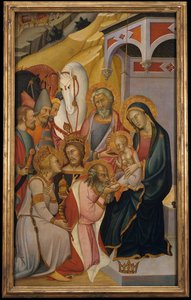
manfredi de battilor bartolo di fredi fredi
1330 - 1410 , Italy
プロフィール概要
- Artistic Movement Or Style: Sienese School
- Date Of Birth: c. 1330
- Date Of Death: 1410
- Full Name: Manfredi de Battilor Bartolo di Fredi
- Nationality: Italian
- Notable Artworks:
- The Adoration of the Shepherds
- Killing of the servants of Job
- Place Of Birth: Siena, Italy

