

 プレビュー
プレビュー
 プリントを購入
 シェアする
シェアする シェアする
シェアする
 詳細を見る
詳細を見る

 ダウンロード
 似ている作品
 X線調査
X線調査 スライドショー
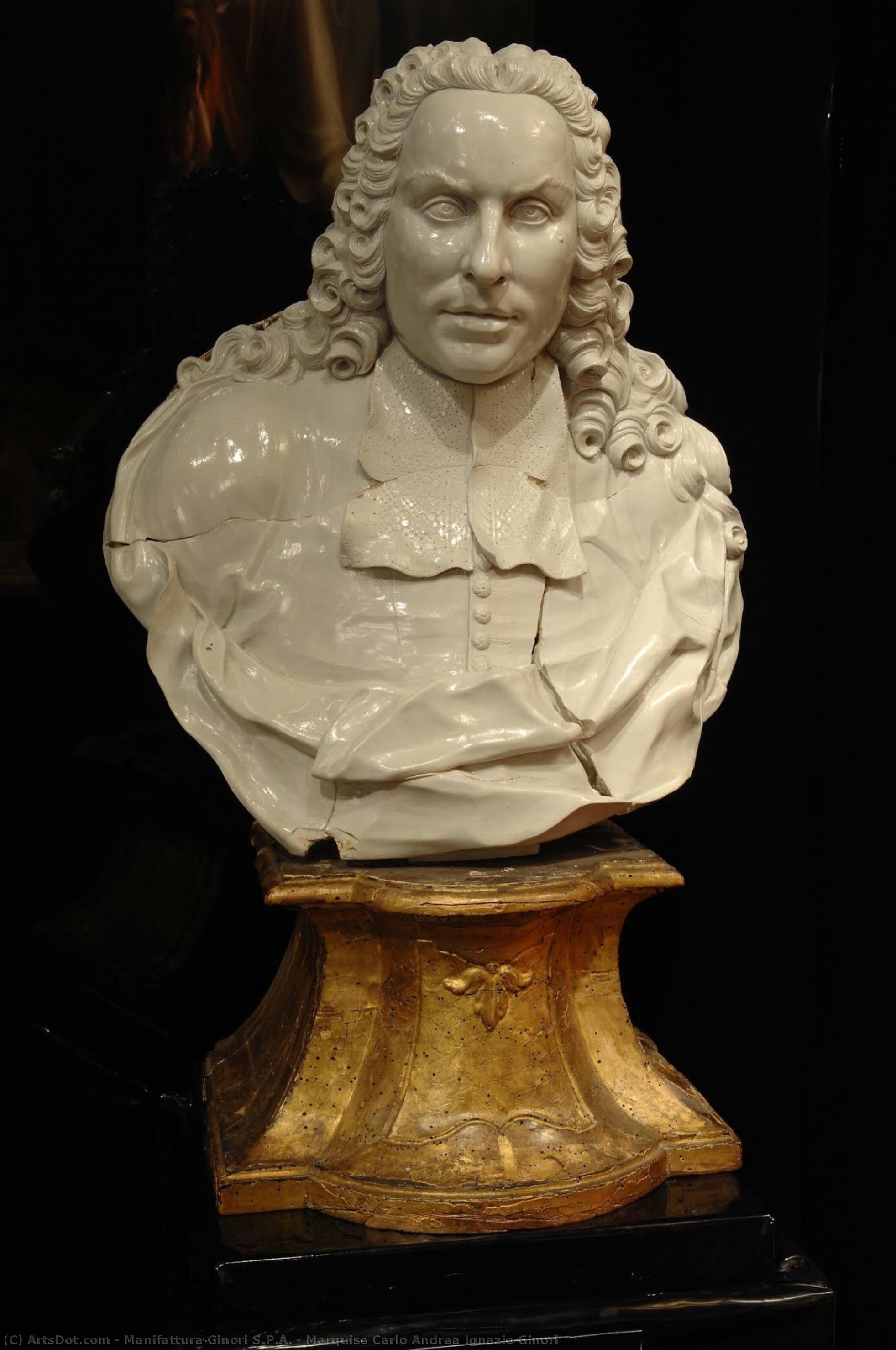
Marquise Carlo Andrea Ignazio Ginori


 詳細を見る
詳細を見る
オンラインプレビューをはるかに凌ぐ、高解像度で鮮明なデジタル画像をご購入いただけます。
各ファイルは、社内の専門家が高度なツールと熟練した手作業によるレタッチを用いて、細心の注意を払って準備されています。すべての画像において、卓越した鮮明度、正確な色彩再現性、そして繊細なディテールを保証いたします。
最終ファイルは、プロフェッショナルな編集・印刷環境ですぐにご利用いただけるよう最適化された状態で、72時間以内にメールにてお届けいたします。これは、一流のデザインスタジオ、出版社、ギャラリーから信頼されているものと同等の品質です。
デジタル画像のご注文に付随する特典
高品質なデジタル画像配信を、確かな品質で。
ArtsDot.com を選ぶことは、単に画像を手に入れることではありません。それは、プロの手によって精密に仕上げられ、満足保証が付いた高品質なデジタルアートワークを受け取ることを意味します。ご注文いただいた際に自動的に付随する内容は、以下の通りです:

メールですぐにお届け
ご注文から72時間以内に、高解像度のデジタル画像ファイルがメールでお手元に届きます。すぐにそのままご利用いただけます。

AI技術で最適化されたデジタルファイル
お客様の作品は、高度なAIツールと専門家による手作業の編集を組み合わせてプロフェッショナルに最適化されており、細部のディテール、鮮明さ、そして正確な色再現性を最大限に引き出しています。

一生涯無料の再送サービス
ファイルを誤って削除したり、紛失してしまったりしましたか?ご安心ください。いつでも無料で再送いたします。

輸入手数料は一切かかりません
関税や手数料、配送料を気にすることなく、お気に入りのアートワークをすぐにお楽しみいただけます。デジタルダウンロードは常に免税です。

色彩再現の保証
プロ仕様のツールとカラーマネジメント技術を用いることで、デジタル画像が元の色を最大限に忠実に再現することを保証いたします。

60日間満足保証
ご購入いただいたデジタル画像にご満足いただけない場合は、60日以内であれば、修正または100%の返金(理由を問う必要はありません)をさせていただきます。

100% 返金保証
ご満足いただけない場合は、デジタルファイルを受け取ってから60日以内であれば、理由を問わず全額返金いたします。

まとめ買い割引
3枚購入で10%OFF - 5枚購入で15%OFF - 10枚以上購入で20%OFF。クリエイティブなプロジェクト、ギャラリー、エージェンシーに最適です。
A Legacy Forged in Clay: The Enduring Story of Manifattura Ginori
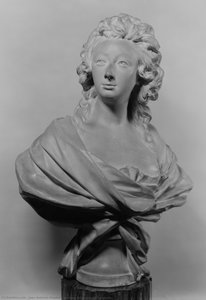
The tale of Manifattura Ginori S.p.A., a name synonymous with Italian porcelain artistry, is one that unfolds over nearly three centuries—a narrative woven with aristocratic vision, innovative technique, and an unwavering commitment to beauty. Founded in 1735 by Marchese Carlo Andrea Ginori near his villa in Doccia, nestled close to Florence, the manufactory wasn’t merely intended as a business venture; it was conceived as a testament to Italian ingenuity and a challenge to the established dominance of German and French porcelain production. Ginori's ambition extended beyond simply replicating existing styles. He sought to create something uniquely Italian, drawing inspiration from the rich artistic heritage of Florence and its celebrated sculptors. Initially, Manifattura Ginori distinguished itself by producing porcelain versions of statuettes and small sculptures—replicas cast from earlier bronze works created by Gaspare BruschiCarlo Ginori is represented with his wig and a big tie worn on a clothing fastened by a series of buttons; the bust is wrapped by a wide mantel, on which appears the mark of the Order of Saint Stephen (Order of Malta)This porcelain is the oldest example, among (only two known) portraits of the founder (1); In this first example the color of porcelain is white tending to a mild green, a feature of the very first production. This stands for the great care devoted to modelling and for the vivacity of expression.Elements such as wig curls waterfall or the elegant movement of the tie to detect a button of the dress, Even the detailed description of facial imperfections, suggest assigning to Gaspare Bruschi, the active leader in the Doccia manufacture between 1737 and the death in 1780 (2), the modeling of this bust. An attribution that finds comfort in the most recent criticism: Ginori Lisci (4) also recalls the name of the chief modeler as the author of a bust of Carlo Ginori. In the other document about the busts of Carlo Ginori, the one contained in the Inventario dè Modelli of the manufacturing, cites: Un busto di terra cotta ritratto di S.E. Il Sig.re Sen.re Carlo Ginori (6).The two known busts all present the Cross of Knight of St. Stephen, honor that Ginori receives in 1718 (7), and are, except for one, similar in clothing (varying the number of buttons and the treatment of the necktie): but if they mostly use white porcelain bases, certain signature of the later production, similar to those used for the famous Cesari series, in this one the base is made of gilded wood with in the center and in relief the Florentine lily. Ancient and destined from the beginning to the bust, is made of pear wood, the essence that Doccia used to make the bases in ebony wood (8).It remains to be said how the physiognomy used- Subject Matter: A Portrait Bust – Representing Carlo Ginori, Founder of Manifattura Ginori.
- Style: Neoclassical Influenced - Reflecting the artistic ideals of Enlightenment Europe with meticulous realism and elegant ornamentation.
- Technique: Porcelain Casting – Utilizing a sophisticated process involving moldmaking, slip casting, firing, and glazing to achieve exceptional detail and luminosity.
- Historical Context: Established in 1735 amidst fierce competition for porcelain supremacy, Ginori’s manufactory championed Italian artistic excellence against continental rivals.
- Emotional Impact: This artwork evokes admiration for artistic skill, reverence for Florentine history, and a sense of timeless beauty—a testament to Ginori's enduring legacy as a pioneer in porcelain craftsmanship.
関連作品





作家の略歴
A Legacy Forged in Clay: The Enduring Story of Manifattura Ginori
The story of Manifattura Ginori S.p.A., a name synonymous with Italian porcelain artistry, is one that unfolds over nearly three centuries—a narrative woven with aristocratic vision, innovative technique, and an unwavering commitment to beauty. Founded in 1735 by Marchese Carlo Andrea Ginori near his villa in Doccia, nestled close to Florence, the manufactory wasn’t merely intended as a business venture; it was conceived as a testament to Italian ingenuity and a challenge to the established dominance of German and French porcelain production. Ginori's ambition extended beyond simply replicating existing styles. He sought to create something uniquely Italian, drawing inspiration from the rich artistic heritage of Florence and its celebrated sculptors.
Initially, Manifattura Ginori distinguished itself by producing porcelain versions of statuettes and small sculptures—replicas cast from earlier bronze works created by Florentine masters like Giovanni Battista Foggini and Massimiliano Soldani. This focus on sculptural forms set it apart from many contemporary factories primarily dedicated to tableware. The early success was fueled by innovative techniques pioneered under Ginori’s direction, establishing a reputation for excellence that quickly spread beyond the Tuscan hills. However, following the Marchese's death in 1757, the factory underwent a shift, gradually adopting more conventional wares and embracing stylistic influences from across Europe—particularly Germany and France—while still maintaining its commitment to quality.
Artistic Collaborations and the Flourishing of Style
Throughout its history, Manifattura Ginori benefited immensely from collaborations with a diverse array of artists. These partnerships infused the manufactory’s output with fresh perspectives and broadened its artistic scope. Names like Thomas Moran, William James Glackens, Gilbert Munger, and Jean-François Raffaelli became associated with Ginori, contributing to designs that ranged from intricate floral patterns to evocative landscapes. The factory's ability to translate complex compositions onto porcelain was particularly evident in pieces such as “Cappella del Succorpo (Cappella Carafa)” by Thomas Malvern (Malvico) and the ambitious reproduction of Caravaggio’s "The Flagellation of Christ," demonstrating a remarkable technical skill and artistic sensitivity. Beyond these specific commissions, works like Andrea Belvedere's delicate "Flowers", Arthur B. Davies’ atmospheric “On the Cliffs”, Jacopo Sansovino’s classical “St James” and Tino di Camaino’s graceful “Charity” showcase the breadth of Ginori’s aesthetic range.
These creations weren’t confined to private collections; they found their way into prestigious museums like the Museo Nazionale di Capodimonte and the Duomo della Vergine Assunta, solidifying Manifattura Ginori's place within the canon of European art. The factory wasn’t simply producing decorative objects; it was crafting pieces that were recognized for their artistic merit and historical significance.
Innovation in Materials and Technique
The technical achievements of Manifattura Ginori are as noteworthy as its artistic contributions. Around 1750, the factory transitioned to hard-paste porcelain production—a significant advancement that required mastering a complex process. The precise composition of the porcelain mixture – kaolin (50%), feldspar (25%), and quartz (25%) – was carefully guarded, reflecting the importance placed on quality control. The firing process itself was equally demanding, involving two distinct stages: bisque firing at 1000°C followed by glaze firing at a much higher temperature of 1400°C.
But it wasn’t just about the materials; it was also about the skill of the artisans who brought those materials to life. Techniques like decal application, gilding, airbrushing, and meticulous hand-painting were employed to enhance the porcelain's beauty, transforming a raw material into objects of exquisite refinement. This dedication to artisanal craftsmanship remained a hallmark of Manifattura Ginori throughout its long history.
From Aristocratic Enterprise to Modern Luxury
Manifattura Ginori’s story isn’t without its complexities. The factory's management, deeply rooted in aristocratic tradition, influenced its long-term strategies and organizational structure. While this approach fostered a commitment to quality and innovation, it also contributed to periods of financial instability. Despite its rich heritage, the company faced bankruptcy in 2013, a poignant moment that underscored the challenges facing traditional manufacturing in a rapidly changing global market.
However, the story didn’t end there. The acquisition by Gucci signaled a new chapter for the brand, recognizing the enduring appeal of its legacy and the potential to reposition it within the luxury goods sector. Today, the name “Ginori 1735” is proudly used, acknowledging the factory's long history while embracing a contemporary vision. Although the Museo Richard Ginori della Manifattura di Doccia remains temporarily closed to visitors as of 2019, its collection stands as a testament to the enduring influence of this remarkable Italian manufactory—a legacy forged in clay and destined to inspire for generations to come.
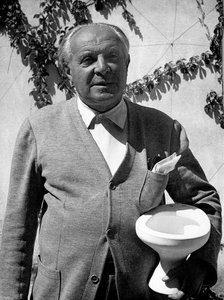
Manifattura Ginori S.p.A.
1735 - 2013 , Italy
プロフィール概要
- Artistic Movement Or Style: Neoclassical, Ceramics
- Artists Or Movements Influenced By This Artist:
- Thomas Moran
- William Glackens
- Gilbert Munger
- Artists Who Influenced This Artist:
- Giovanni Battista Foggini
- Massimiliano Soldani
- Date Of Birth: 1735
- Date Of Death: 2013
- Full Name: Manifattura Ginori S.p.A.
- Nationality: Italian
- Notable Artworks:
- Cappella del Succorpo
- The Flagellation of Christ
- Flowers
- On the Cliffs
- St James
- Charity
- Place Of Birth: Sesto Fiorentino, Italy

