

 プレビュー
プレビュー
 プリントを購入
 シェアする
シェアする シェアする
シェアする
 詳細を見る
詳細を見る

 ダウンロード
 似ている作品
 X線調査
X線調査 スライドショー
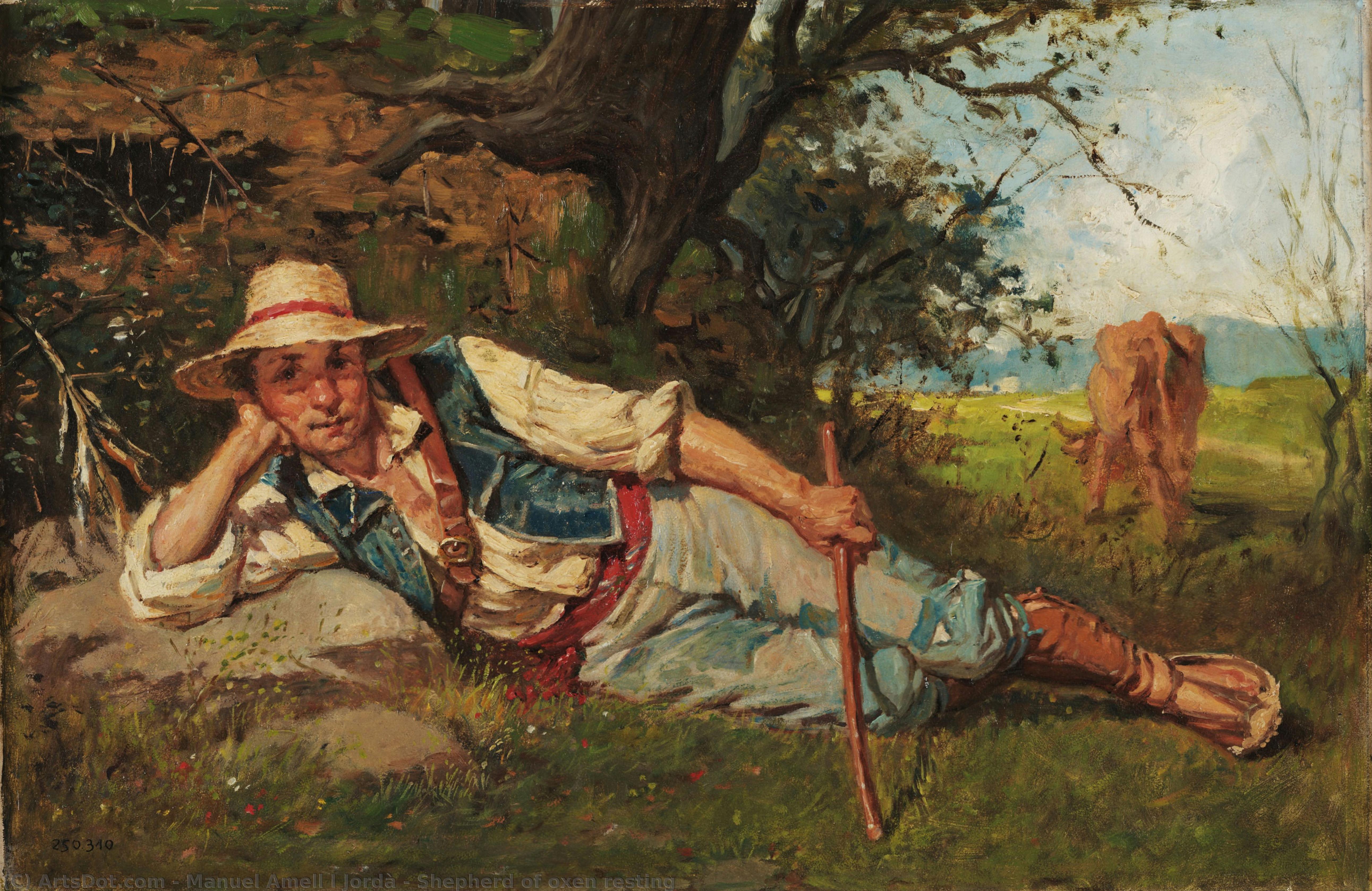
Shepherd of oxen resting

 詳細を見る
詳細を見る




































作品のオリジナル比率に合わせた、当店の規定サイズからお選びください。

特定のフレームやスペースに合わせて、ご希望のサイズをご入力いただけます。選択されたサイズが元の画像の比率と異なる場合、アートワークをトリミングするか、手描きで要素を追加して絵画を拡張いたします。デジタルモックアップ を制作し、制作開始前にご確認(承認)をいただきます。
画面上のプレビューは、実際のトリミングや拡張を正確に反映しているものではありません。最終的な構図は、モックアップによってのみ正確にご確認いただけます。
カスタムサイズもご利用いただけますが、元の比率を維持するためには、あらかじめ用意されたリストからサイズを選択することをお勧めいたします。
ご注文後、ArtsDot.com チームより詳細な指示をお送りするとともに、仕上がりイメージ(モックアップ)をご提供いたします。


 ガラスオプションは、110cm未満のサイズでのみご利用いただけます。

Shepherd of oxen resting
複製技法
複製画のサイズ
-


合計金額
$ 263
関連作品








アーティストの略歴
Washington Allston: Pioneer of American Romanticism
Born in Waccamaw Parish, South Carolina, in 1779 – a date now recognized as November 5th – Washington Allston stands as a pivotal figure in the early development of American landscape painting. His life and work were deeply intertwined with the burgeoning Romantic movement, a period characterized by an intense focus on emotion, imagination, and the sublime beauty of nature. While often overshadowed by his more famous contemporaries, Allston’s innovative techniques and evocative visions established a distinct American style that profoundly influenced generations of artists to come.
Allston's early years were shaped by his family’s plantation life and the loss of his father during the Revolutionary War. This personal history instilled in him a deep appreciation for the natural world, particularly the dramatic landscapes of the South Carolina coast. He received a formal education at Harvard College, but it was his time in England – beginning in 1801 – that truly ignited his artistic passion. He enrolled at the Royal Academy Schools in London, immersing himself in the study of classical art and mastering traditional techniques. However, it wasn’t merely imitation he sought; Allston quickly began to experiment with new approaches, incorporating dramatic lighting, atmospheric perspective, and a heightened sense of emotional intensity into his work.
His early paintings frequently depicted grand, theatrical scenes of nature – towering waterfalls, tempestuous seas, and imposing mountains. These works, such as *The Cataract of the James* (1809) and *The Storm at Sea* (1812), showcased his remarkable skill in rendering light and shadow, creating a palpable sense of drama and movement. Yet, as he matured, Allston’s focus shifted inward, exploring themes of memory, loss, and the human condition. His later paintings, like *Margaret Remington Dana* (1830-32) and *The Sylphs of the Seasons* (1841), are characterized by a more subjective and introspective quality, reflecting his personal struggles with grief and loneliness following the death of his wife, Ann Channing.
A Life Shaped by Travel and Artistic Pursuit
Allston’s artistic journey was marked by extensive travel throughout Europe. He spent years absorbing the art and culture of Paris, Venice, and Rome, studying the works of masters like Turner and Constable. His time in Italy proved particularly formative, exposing him to the grandeur of ancient ruins and the vibrant colors of the Mediterranean landscape. He also forged a close friendship with Washington Irving, another prominent figure in American literature and art, during his sojourn in Rome.
Returning to America in 1809, Allston established himself as a respected artist, exhibiting his work at prestigious venues such as the Royal Academy of London and the National Gallery in Washington D.C. He also pursued a career as a poet, publishing *The Sylphs of the Seasons* in 1813, a collection of poems that explored themes of nature, beauty, and mortality. His dual pursuits – painting and poetry – reflected his belief in the interconnectedness of art forms and his desire to express profound emotions through multiple mediums.
Technique and Innovation
Allston’s artistic style was distinguished by several key innovations. He pioneered the use of *contre-jour*, a technique involving placing the light source behind the subject, creating dramatic highlights and shadows that heightened the sense of depth and atmosphere. His paintings are also notable for their masterful manipulation of color, particularly his skillful blending of blues and greens to evoke the misty, ethereal qualities of twilight and dawn.
Furthermore, Allston’s compositions often featured a dynamic interplay between foreground and background, drawing the viewer's eye into the scene and creating a sense of spatial illusion. He was also an early adopter of atmospheric perspective, using subtle variations in color and tone to suggest distance and depth. His ability to capture the fleeting effects of light and weather – rain, mist, snow, and sunshine – set him apart from his contemporaries and established him as a master of Romantic landscape painting.
Legacy and Historical Significance
Washington Allston’s influence on American art is considerable, despite his relatively short career. He helped to establish the foundation for a distinctly American style of landscape painting, one that emphasized emotional expression, dramatic lighting, and an intimate connection with nature. His work paved the way for later artists such as Thomas Cole and Frederic Church, who built upon his innovations and further developed the Romantic tradition in America.
Today, Allston’s paintings are treasured for their beauty, technical skill, and emotional depth. They offer a glimpse into the mind of an artist grappling with profound questions about life, death, and the sublime power of nature – themes that continue to resonate with audiences today. His legacy endures as a testament to the enduring appeal of Romanticism and the transformative potential of art.
manuel amell i jordà
1843 - 1902 , Spain
基本情報
- Artistic Movement Or Style: Romantic landscape painting
- Artists Or Movements Influenced By This Artist: ['Washington Irving']
- Artists Who Influenced This Artist: ['Benjamin West']
- Date Of Birth: November 5, 1779
- Date Of Death: July 9, 1843
- Full Name: Washington Allston
- Nationality: American
- Notable Artworks:
- Ann Channing
- Margaret Dana
- Place Of Birth: Waccamaw Parish, SC

