

 プレビュー
プレビュー
 シェアする
シェアする シェアする
シェアする
 詳細を見る
詳細を見る

 ダウンロード
 似ている作品
 X線調査
X線調査 スライドショー
 統計情報
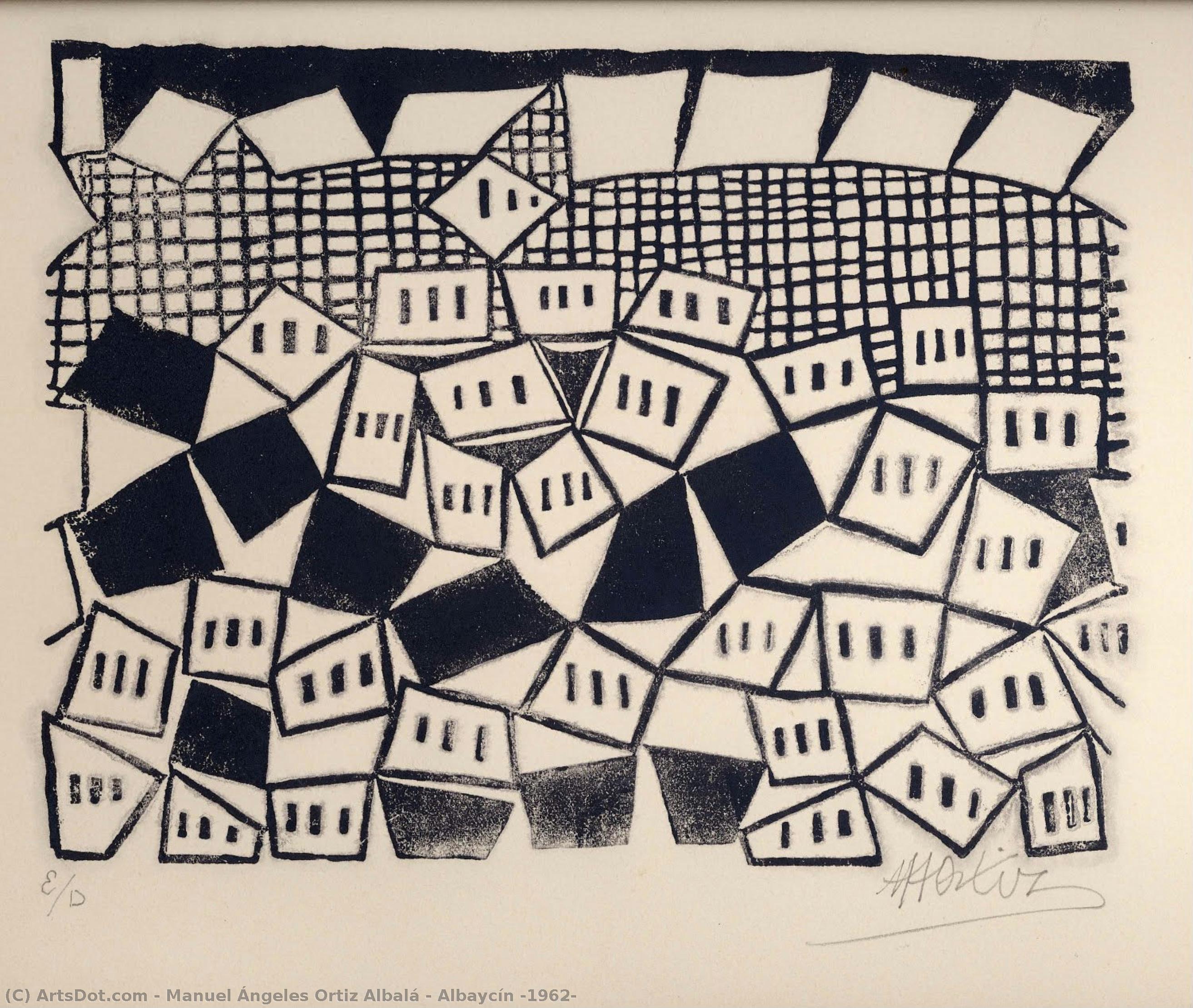
統計情報Albaycín (1962)
 25.0 x 32.0 cm
 Museum of Fine Arts of Granada
 詳細を見る
詳細を見る
オンラインプレビューをはるかに凌ぐ、高解像度で鮮明なデジタル画像をご購入いただけます。
各ファイルは、社内の専門家が高度なツールと熟練した手作業によるレタッチを用いて、細心の注意を払って準備されています。すべての画像において、卓越した鮮明度、正確な色彩再現性、そして繊細なディテールを保証いたします。
最終ファイルは、プロフェッショナルな編集・印刷環境ですぐにご利用いただけるよう最適化された状態で、72時間以内にメールにてお届けいたします。これは、一流のデザインスタジオ、出版社、ギャラリーから信頼されているものと同等の品質です。
デジタルアート
個人での鑑賞、印刷、クリエイティブなプロジェクト用に、高解像度ファイルをダウンロードできます。 ( プリント版に切り替え 手描きの絵画を購入)
デジタル画像のご注文に付随する特典
高品質なデジタル画像配信を、確かな品質で。
ArtsDot.com を選ぶことは、単に画像を手に入れることではありません。それは、プロの手によって精密に仕上げられ、満足保証が付いた高品質なデジタルアートワークを受け取ることを意味します。ご注文いただいた際に自動的に付随する内容は、以下の通りです:

メールですぐにお届け
ご注文から72時間以内に、高解像度のデジタル画像ファイルがメールでお手元に届きます。すぐにそのままご利用いただけます。

AI技術で最適化されたデジタルファイル
お客様の作品は、高度なAIツールと専門家による手作業の編集を組み合わせてプロフェッショナルに最適化されており、細部のディテール、鮮明さ、そして正確な色再現性を最大限に引き出しています。

一生涯無料の再送サービス
ファイルを誤って削除したり、紛失してしまったりしましたか?ご安心ください。いつでも無料で再送いたします。

輸入手数料は一切かかりません
関税や手数料、配送料を気にすることなく、お気に入りのアートワークをすぐにお楽しみいただけます。デジタルダウンロードは常に免税です。

色彩再現の保証
プロ仕様のツールとカラーマネジメント技術を用いることで、デジタル画像が元の色を最大限に忠実に再現することを保証いたします。

100日間満足保証
ご購入いただいたデジタル画像にご満足いただけない場合は、100日以内であれば、理由を問わず修正または100%の返金対応をさせていただきます。

100% 返金保証
ご満足いただけない場合は、デジタルファイルを受け取ってから100日以内であれば、理由を問わず全額返金いたします。

まとめ買い割引
3枚購入で10%OFF - 5枚購入で15%OFF - 10枚以上購入で20%OFF。クリエイティブなプロジェクト、ギャラリー、エージェンシーに最適です。
関連作品









作家の略歴
The Wild Heart of the West Coast: Unveiling Gluck’s Vision
Hannah Gluckstein, later known as Gluck, emerged from the vibrant and somewhat bohemian landscape of late 19th-century London to become a singular figure in British art. Born in 1895 into a wealthy Jewish family deeply rooted in commerce – her father, Joseph Gluckstein, was a key player in the burgeoning tobacco empire – Gluck’s early life was marked by both privilege and a subtle sense of displacement. Her upbringing, steeped in English traditions yet tinged with an underlying restlessness, profoundly shaped her artistic sensibility. Unlike many women of her era, she received a robust education, attending prestigious schools like St. Paul's Girls’ School and studying at the Slade School of Fine Art, laying the groundwork for a career that would defy conventional expectations. However, it was her relocation to Cornwall in 1920, joining the burgeoning artist colony at Lamorna, that truly ignited her creative fire and established her distinctive style. This move wasn't merely a geographical shift; it represented a conscious rejection of London’s constraints and an embrace of the rugged beauty and untamed spirit of the West Coast. Gluck’s work during this period is characterized by bold brushstrokes, vibrant colors, and a palpable sense of movement—a direct response to the dramatic coastal scenery and the ever-changing light of Cornwall. She wasn't interested in replicating reality with photographic precision; instead, she sought to capture the *feeling* of the landscape, imbuing her paintings with an emotional intensity that resonated deeply with viewers. Her portraits, often depicting herself alongside women from the Lamorna circle – including the celebrated lesbian artist Nesta Obermer—became iconic representations of female friendship and artistic solidarity, challenging societal norms and offering a glimpse into a world largely unseen by mainstream art circles.Early Influences and Artistic Development
Gluck’s artistic journey was shaped by a complex interplay of influences. Her father's background in international trade exposed her to diverse cultures and perspectives, fostering an appreciation for the exotic and unfamiliar. Her mother, Francesca Halle, a former opera singer, instilled in her a love of music and performance, which would later find expression in Gluck’s dynamic brushwork and sense of rhythm. Crucially, she studied under the guidance of John Guildhall at the Royal Academy, absorbing the techniques of traditional British landscape painting. However, it was her time with artists like George Trevelyan and Frank Borzello that truly liberated her style. These encounters exposed her to the burgeoning modernist movement and encouraged her to experiment with new approaches to color and composition. Notably, Gluck’s early work demonstrates a fascination with Japanese prints – Ukiyo-e—which she meticulously copied, not merely as exercises in technique but as a means of understanding the principles of flattened perspective, bold outlines, and expressive brushwork. This influence is evident in her later paintings, where she often employed similar compositional strategies to create a sense of immediacy and dynamism. Her artistic development wasn’t linear; it was characterized by a constant process of experimentation and refinement, driven by an insatiable curiosity and a willingness to challenge established conventions.The Lamorna Circle and a Revolutionary Style
Gluck's arrival at the Lamorna circle in 1920 marked a pivotal moment in her artistic career. This group of artists—including Fred Cormack, Frank Borzello, and George Trevelyan—created a vibrant hub of creative exchange, fostering a spirit of experimentation and collaboration. The Lamorna style was characterized by its loose brushwork, bright colors, and emphasis on capturing the essence of the landscape rather than its literal representation. Gluck quickly embraced this approach, developing her own distinctive voice within the group’s collective vision. Her paintings are often described as “impressionistic,” but they transcend simple categorization. She employed a technique she called "dynamic painting," characterized by rapid brushstrokes and a deliberate distortion of form to convey movement and emotion. This style was radically different from the more restrained approaches favored by many of her contemporaries, reflecting Gluck’s own unconventional personality and her deep connection to the wild, untamed beauty of Cornwall. Her use of color was particularly striking—she eschewed subtle gradations in favor of bold, contrasting hues that seemed to vibrate with energy.Themes and Legacy
Gluck's work is deeply rooted in themes of nature, identity, and female experience. Her paintings of the Cornish coastline capture not only the physical beauty of the landscape but also its inherent power and unpredictability. She frequently depicted herself alongside other women—often portraying them as equals, challenging traditional gender roles and celebrating female friendship. Her self-portraits, particularly those featuring Nesta Obermer, are considered groundbreaking for their frankness and emotional honesty. Gluck’s legacy extends beyond her individual paintings; she played a crucial role in shaping the artistic landscape of Cornwall and inspiring generations of artists. Despite facing significant challenges as a woman artist in a male-dominated field, she persevered, establishing herself as one of the most distinctive and compelling figures of the British modern art movement. Her work continues to be celebrated for its vibrant energy, emotional intensity, and profound connection to the natural world—a testament to the enduring power of her vision.Key Works
* *Lamorna Cove* (1923) * *The Beach at Lamorna* (1924) * *Nesta Obermer and Gluck* (1926) * *Cornish Coastline* (1928) * *The Sea* (1930)
manuel ángeles ortiz albalá
1895 - 1984 , Spain
プロフィール概要
- Artistic Movement Or Style: Modernism, Portraiture
- Artists Or Movements Influenced By This Artist: ["Lamorna artists' colony"]
- Artists Who Influenced This Artist: ['Alphonse Mucha']
- Date Of Birth: 13 August 1895
- Date Of Death: 10 January 1978
- Full Name: Hannah Gluckstein”
- Nationality: British
- Notable Artworks:
- Medallion
- A Coign of Vantage
- Place Of Birth: London, England