

 プレビュー
プレビュー
 プリントを購入
 シェアする
シェアする シェアする
シェアする
 詳細を見る
詳細を見る

 ダウンロード
 似ている作品
 X線調査
X線調査 スライドショー
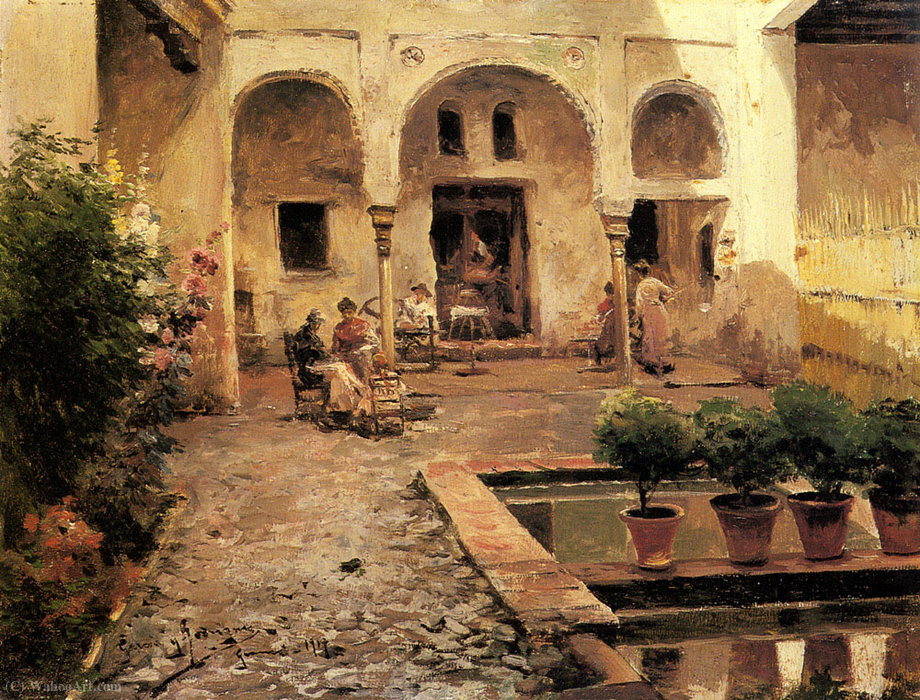
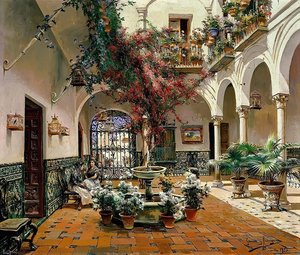
Figures in a Spanish Courtyard


 詳細を見る
詳細を見る




P118B $10

P118H $10

P118W $10

P438Z $10

P508JH $12

P508YH $12

P805H $10

P805Z $10

P919BZ $10

P919G $10

P919XJ $10

P959ZH $10

P968JZ $12

W106C $8

W218G $10

W218JH $8

W218Y $10

W307PJ $10

W316G $10

W316PJ $8

W316Y $10

W398PJ $8

W4111J $10

W500HY $15

W500JH $15

W692G $12

W849H $8

W940BG $15

W953PJ $8




作品のオリジナル比率に合わせた、当店の規定サイズからお選びください。

特定のフレームやスペースに合わせて、ご希望のサイズをご入力いただけます。選択されたサイズが元の画像の比率と異なる場合、アートワークをトリミングするか、手描きで要素を追加して絵画を拡張いたします。デジタルモックアップ を制作し、制作開始前にご確認(承認)をいただきます。
画面上のプレビューは、実際のトリミングや拡張を正確に反映しているものではありません。最終的な構図は、モックアップによってのみ正確にご確認いただけます。
カスタムサイズもご利用いただけますが、元の比率を維持するためには、あらかじめ用意されたリストからサイズを選択することをお勧めいたします。
ご注文後、ArtsDot.com チームより詳細な指示をお送りするとともに、仕上がりイメージ(モックアップ)をご提供いたします。


 ガラスオプションは、110cm未満のサイズでのみご利用いただけます。

Figures in a Spanish Courtyard
複製技法
複製画のサイズ
-


合計金額
$ 263
作品解説
A Window into Seville: Manuel García y Rodríguez’s ‘Figures in a Spanish Courtyard’
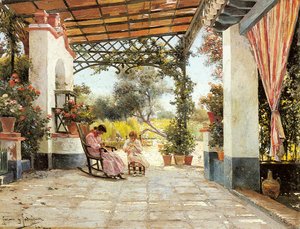
Manuel García y Rodríguez's “Figures in a Spanish Courtyard” is more than just a depiction of an outdoor scene; it’s a meticulously crafted snapshot of life in 19th-century Spain, rendered with the characteristic warmth and detail of costumbrismo. This painting transports us to a tranquil Seville courtyard, inviting contemplation of everyday moments – conversation, leisure, and the simple beauty of human connection. The artist's skill lies not just in his technical ability but in his profound understanding of capturing regional identity and atmosphere.

The scene unfolds with a quiet realism, showcasing several figures engaged in various activities. The arrangement of the chairs and tables suggests an intimate gathering, perhaps a family enjoying an afternoon conversation or a group of friends sharing stories. Notice the subtle variations in clothing – indicative of social standing and regional customs – adding layers of visual information to the composition. García’s attention to detail extends to the potted plant on the right, introducing a touch of naturalism that grounds the scene within its outdoor setting.
The Costumbrismo Movement & José de la Vega's Influence
García y Rodríguez was a key figure in the costumbrismo movement, a Spanish artistic trend prominent during the late 19th century. Costumbrismo sought to portray the authentic life and traditions of Spain – its people, landscapes, customs, and regional variations – with an emphasis on accuracy and emotional resonance. This approach was heavily influenced by José de la Vega Marrugal, who encouraged artists to focus on depicting everyday scenes rather than grand historical or mythological subjects. De la Vega’s guidance instilled in García a deep respect for the nuances of Sevillian life, which is vividly reflected in this painting.
The Escuela de Bellas Artes de Sevilla provided García with a rigorous artistic education, exposing him to the techniques and styles of prominent Sevillian artists like Eduardo Cano. This training undoubtedly shaped his approach to composition, color palette, and brushwork – elements that contribute significantly to the painting’s overall charm and authenticity.
Technique & Composition: A Study in Light and Atmosphere
García y Rodríguez employs a loose, impressionistic technique, prioritizing capturing the fleeting effects of light and atmosphere over precise detail. The brushstrokes are visible, contributing to a sense of spontaneity and immediacy. Note how he skillfully uses light to define forms and create depth within the courtyard – particularly evident in the dappled shadows cast by the foliage and the warm glow illuminating the figures. The composition is balanced and harmonious, guiding the viewer’s eye through the scene with subtle variations in scale and perspective.
Symbolism & Emotional Impact
Beyond its realistic depiction of daily life, “Figures in a Spanish Courtyard” evokes a sense of nostalgia and tranquility. It invites us to imagine ourselves part of this quiet moment, appreciating the simple pleasures of conversation, companionship, and connection with nature. The painting’s enduring appeal lies in its ability to capture a timeless quality – a reminder that human experiences remain constant across generations and cultures. This reproduction offers a beautiful opportunity to bring a piece of authentic Spanish artistry into your home or office.
関連作品
アーティストの略歴
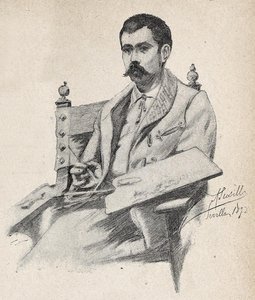
マヌエル・ガルシア・イ・ロドリゲス(1863年~1925年):セビリアの画家が見た光景
1863年にセビリアで生まれたマヌエル・ガルシア・イ・ロドリゲスは、スペインのコスタムブリズモや風景画において極めて重要な人物でした。この様式は、日常生活や地域の伝統を驚くほどの正確さで描き出すことに捧げられたものでした。当初は音楽に魅せられていた彼ですが、その情熱はすぐにキャンバスへと移り、ジョセ・デ・ラ・ベガ・マルルガルという指導的な影響を受けたことで、芸術的な規律への初期の深い理解を身につけることになります。彼の正式な教育はセビリア美術学校で続けられ、エドゥアルド・カノやマヌエル・ウッセル・デ・グインバルダ、エミリオ・サンチェス・ペリエといった巨匠たちのもとで研鑽を積みました。彼らは皆、セビリアの芸術的遺産に深く根ざした画家たちでした。- 初期のキャリアと評価: ガルシアの芸術的な道のりは、国立美術展(1887年、1890年、1895年)での名誉ある受賞から始まり、才能ある画家としての彼の評判を確固たるものにし、万国博覧会(1889年)やコロニアル博覧会といった著名な展示会からの委嘱を獲得しました。
- 学術的な加盟と影響: 1899年には、王立美術アカデミー・サン・フェルナンドの会員に迎えられ、これは彼の芸術的功績の証であり、セビリアの芸術的威信の象徴となり、スペインの芸術界における彼の地位をさらに強固なものにしました。
- 代表作: 彼の最も称賛される作品の中には、「セビリアの祭典」(1906年)があり、そこでは街の祝祭の精神が細部にわたって描かれています。「セビリアを望む川の風景」(1912年)は、黄金色の光に包まれたセビリアのパノラマビューを披露し、「子供たちと中庭」(1906年)は、アンダルシアの家族的な温かさを反映した家庭生活の魅力的な描写となっています。
- 挿絵と遺産: ガルシアの芸術的成果はイーゼルを超え、文学や芸術を専門とする雑誌『ブランコ・イ・ネグロ』のための魅惑的な白黒の挿絵として表現され、彼のビジョンをスペイン社会全体に広めました。彼の風景画は今日まで響き続け、カルメン・ティッセン美術館のような美術館のコレクションで複製され、個人の収集家たちから大切にされています。
マヌエル・ガルシア・イ・ロドリゲス
1863 - 1925 , スペイン
基本情報
- Artistic Movement Or Style: コスタムブリズモと風景画
- Artists Or Movements Influenced By This Artist: ['アルカラ・デ・グアダイラ派']
- Artists Who Influenced This Artist: ['ホセ・デ・ラ・ベガ・マルラガル']
- Date Of Death: 1925年
- Full Name: マヌエル・ガルシア・イ・ロドリゲス
- Nationality: スペイン人
- Notable Artworks:
- セビリアの祭り
- セビリアを望む川の風景
- 子供たちとのパティオ
- Place Of Birth: セビリア、スペイン
関連記事

ゴヤ傑作25選:スペインの魂を揺さぶる、深遠な芸術の世界 | ArtsDot
ゴヤ傑作25選:ロマン主義を代表するスペインの巨匠、フランシスコ・デ・ゴヤの世界へ。黒衣の女からマハまで、魂を揺さぶる絵画の物語と技法を紐解きます。ArtsDotで高品質なアートレプリカを見つけ、インテリアに深みと風格を。今すぐコレクションをご覧ください。
Manuel Benedito Vives: A Study of Light, Color & Emotional Resonance in Contemporary Spanish Painting
Explore the captivating world of Manuel Benedito Vives, a celebrated Spanish painter influenced by Sorolla. Discover his masterful portraits, luminous landscapes & enduring legacy – a favorite of the Spanish Royal Family. Art collectors will appreciate this in-depth study.
Rafael de Penagos: A Study in Spanish Portraiture & Artistic Identity
Explore the life & art of Rafael de Penagos, a leading Spanish Art Deco illustrator. Discover his iconic 'Penagos Woman', commercial work, and lasting legacy. Learn about this pivotal figure in 20th-century Spanish art history.
プラド美術館の至宝25選:名画が語るスペイン美術史 | ArtsDot
プラド美術館の至宝25選🎨 ベルラスケス、ゴヤの名画を紐解き、スペイン美術史を旅する。油絵、バロック、印象派…ArtsDotで高品質な複製画とインテリアアートを見つけよう。名画の世界をあなたの空間に✨ Explore the full collection online!
Ignacio Díaz Olano: Bridging Realism & Costumbrismo in Spanish Portraiture
Explore the captivating works of Ignacio Díaz Olano, a pivotal Spanish Realist painter. Discover his intimate portraits, evocative scenes of Andalusia, and unique 'Costumbrista' style. Learn about his legacy & find museum-quality reproductions.

