

 プレビュー
プレビュー
 プリントを購入
 シェアする
シェアする シェアする
シェアする
 詳細を見る
詳細を見る

 ダウンロード
 似ている作品
 X線調査
X線調査 スライドショー
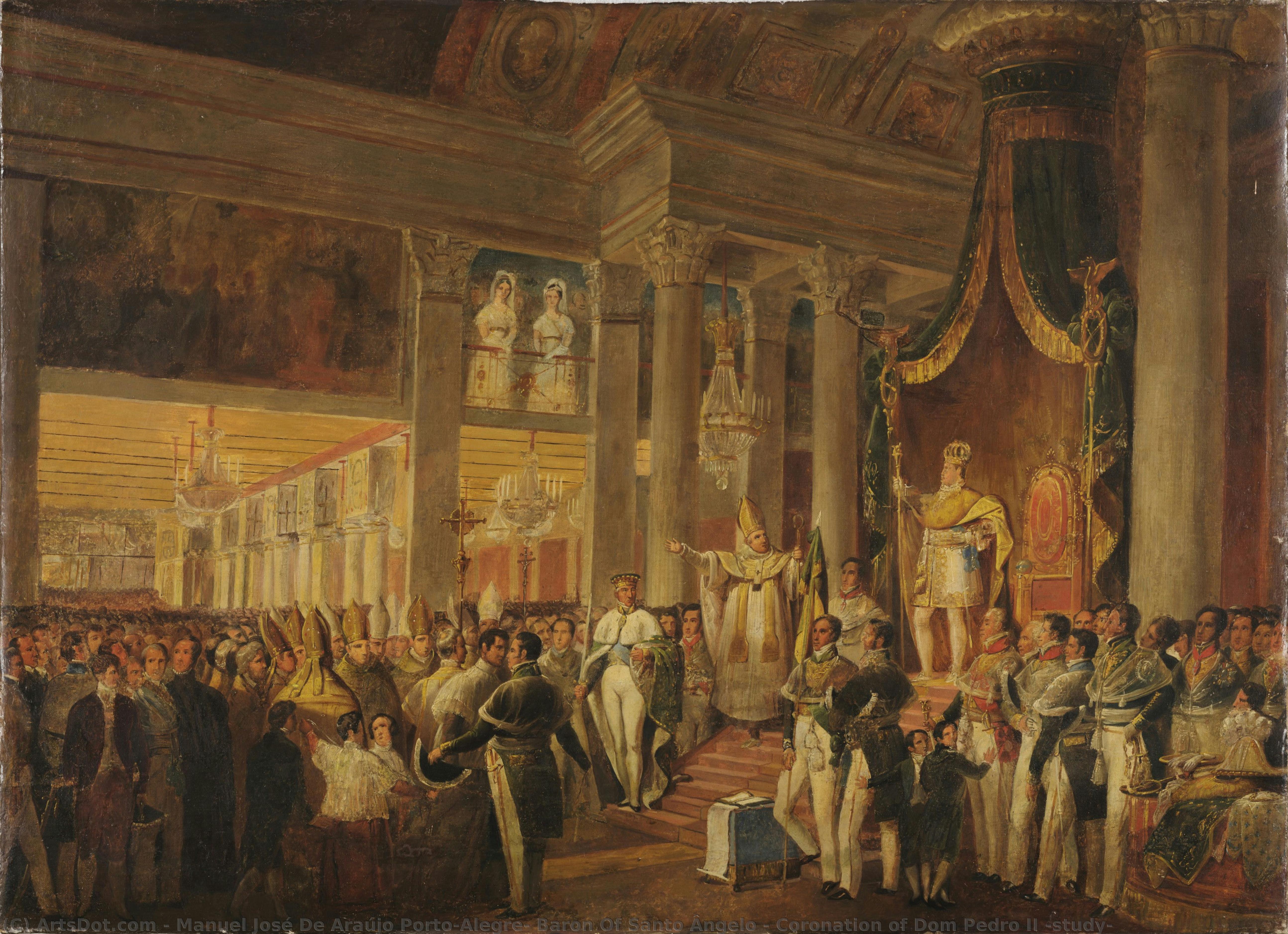
Coronation of Dom Pedro II (study)
 Oil On Canvas
- WallArt
- Romanticism
 1849
1849- 19th Century
 137.0 x 167.0 cm
 Museu Histórico Nacional
 詳細を見る
詳細を見る
オンラインプレビューをはるかに凌ぐ、高解像度で鮮明なデジタル画像をご購入いただけます。
各ファイルは、社内の専門家が高度なツールと熟練した手作業によるレタッチを用いて、細心の注意を払って準備されています。すべての画像において、卓越した鮮明度、正確な色彩再現性、そして繊細なディテールを保証いたします。
最終ファイルは、プロフェッショナルな編集・印刷環境ですぐにご利用いただけるよう最適化された状態で、72時間以内にメールにてお届けいたします。これは、一流のデザインスタジオ、出版社、ギャラリーから信頼されているものと同等の品質です。
デジタル画像のご注文に付随する特典
高品質なデジタル画像配信を、確かな品質で。
ArtsDot.com を選ぶことは、単に画像を手に入れることではありません。それは、プロの手によって精密に仕上げられ、満足保証が付いた高品質なデジタルアートワークを受け取ることを意味します。ご注文いただいた際に自動的に付随する内容は、以下の通りです:

メールですぐにお届け
ご注文から72時間以内に、高解像度のデジタル画像ファイルがメールでお手元に届きます。すぐにそのままご利用いただけます。

AI技術で最適化されたデジタルファイル
お客様の作品は、高度なAIツールと専門家による手作業の編集を組み合わせてプロフェッショナルに最適化されており、細部のディテール、鮮明さ、そして正確な色再現性を最大限に引き出しています。

一生涯無料の再送サービス
ファイルを誤って削除したり、紛失してしまったりしましたか?ご安心ください。いつでも無料で再送いたします。

輸入手数料は一切かかりません
関税や手数料、配送料を気にすることなく、お気に入りのアートワークをすぐにお楽しみいただけます。デジタルダウンロードは常に免税です。

色彩再現の保証
プロ仕様のツールとカラーマネジメント技術を用いることで、デジタル画像が元の色を最大限に忠実に再現することを保証いたします。

60日間満足保証
ご購入いただいたデジタル画像にご満足いただけない場合は、60日以内であれば、修正または100%の返金(理由を問う必要はありません)をさせていただきます。

100% 返金保証
ご満足いただけない場合は、デジタルファイルを受け取ってから60日以内であれば、理由を問わず全額返金いたします。

まとめ買い割引
3枚購入で10%OFF - 5枚購入で15%OFF - 10枚以上購入で20%OFF。クリエイティブなプロジェクト、ギャラリー、エージェンシーに最適です。
A Grand Spectacle of Imperial Majesty
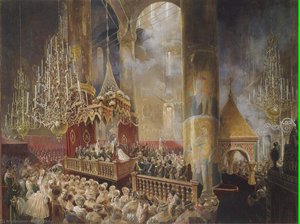
In the sweeping expanse of Manuel José de Araújo Porto-Alegre’s Coronation of Dom Pedro II (study), the viewer is not merely an observer but a guest within the hallowed, gilded halls of Brazilian history. This magnificent oil on canvas, dating from 1849, captures the profound gravity and ceremonial splendor of a moment that defined a nation. The composition is a masterclass in theatrical scale, presenting a grand hall flanked by imposing columns and illuminated by the soft, flickering glow of crystal chandeliers. At the heart of this architectural marvel stands Dom Pedro II, depicted in profile, crowned and poised with the weight of an empire upon his shoulders. The scene is thick with the atmosphere of a monumental event, where every figure—from the ecclesiastical leaders in their white and gold vestments to the noblemen and soldiers in their crisp uniforms—contributes to a sense of unified, historical destiny.
The artist’s technique breathes life into the stillness of the study, utilizing a rich palette that emphasizes the regal interplay of red, gold, and deep emerald. Porto-Alegre employs a Romantic sensibility, focusing on the emotional resonance of the crowd and the dramatic lighting that cascades over the coronation regalia. In the lower foreground, a table draped in luxurious red and gold fabric displays the sacred symbols of power: the sword, the cloak, and the gloves, each rendered with a tactile precision that invites the eye to linger on the textures of silk and metal. The movement within the painting is orchestrated through a complex arrangement of figures; the upward gesture of a priest’s staff and the fluttering of the Brazilian flag guide the viewer's gaze through the dense, celebratory throng, creating a rhythmic flow that mimics the very pulse of the ceremony.
Symbolism and the Romantic Spirit
Beyond its mere documentation of a political milestone, this work serves as a profound exploration of national identity and the Romantic ideals of the 19th century. Porto-Alegre, a pivotal figure in Brazilian art, weaves layers of symbolism into the very fabric of the hall. The presence of the clergy alongside the military and the nobility speaks to the intricate social contract of the era, where tradition and emerging statehood were inextricably linked. The light filtering through the scene acts as a metaphor for divine sanction, illuminating the young Emperor as a beacon of stability. For the discerning collector or interior designer, this piece offers more than just visual beauty; it provides a window into an era of profound transition, making it a powerful focal point for any space dedicated to heritage and classical elegance.
Integrating such a monumental work into a curated collection requires an appreciation for its narrative depth. Whether placed in a stately library or a grand salon, the Coronation of Dom Pedro II commands attention through its sheer scale and historical weight. The painting’s ability to evoke both the intimacy of a shared human moment—seen in the small figures of children amidst the crowd—and the overwhelming grandeur of imperial ritual makes it an unparalleled choice for those seeking to infuse their surroundings with a sense of timelessness, prestige, and the enduring spirit of Brazilian Romanticism.
関連作品


![Palácio Imperial De Petrópolis [imperial Palace At Petrópolis] — Agostinho José Da Mota, Landscape Realism](/media/artworks/images-thumb/4e/a5/4ea5b59dbff977a2832e47ecaeb49d71.jpg)
作家の略歴
Manuel José de Araújo Porto-Alegre, Baron of Santo Ângelo: A Life in Art and Letters
Early Life and Education
Born on November 29, 1806, in Rio Pardo, Brazil, Manuel José de Araújo Porto-Alegre, Baron of Santo Ângelo was a pivotal figure in 19th-century Brazilian art and culture. His early life demonstrated a strong inclination towards the arts, leading him to pursue formal training at the Imperial Academy of Fine Arts in Rio de Janeiro. He studied under the tutelage of Jean-Baptiste Debret, a French painter who played a crucial role in establishing artistic education in Brazil.
Artistic Career and Influences
Porto-Alegre’s artistic career flourished within the context of Romanticism, a movement that prioritized emotion, imagination, and individualism. He became renowned for his landscapes and portraits, which often captured the essence of Brazilian life and scenery. His work was deeply influenced by his travels to Europe, particularly Italy, where he encountered Gonçalves de Magalhães, another prominent Brazilian poet. This exposure broadened his artistic horizons and contributed to his nationalistic approach.
Key Artistic Contributions
- Landscapes: Porto-Alegre’s landscapes often depicted the natural beauty of Brazil, showcasing lush vegetation, dramatic waterfalls, and expansive vistas.
- Portraits: His portraits were characterized by their realism and attention to detail, capturing the personalities and social standing of his subjects.
- Literary Works: Beyond painting, Porto-Alegre was a prolific writer. His epic poem, “Colombo”, stands as a testament to his nationalistic fervor and literary talent.
Engagement with Brazilian Romanticism
Porto-Alegre actively participated in shaping the Romantic movement in Brazil through his contributions to influential magazines such as Niterói (1836) and Guanabara (1849). These publications served as platforms for disseminating Romantic ideals and fostering a sense of national identity.
Major Achievements and Legacy
Throughout his multifaceted career, Porto-Alegre excelled not only as an artist and writer but also as a politician, journalist, architect, caricaturist, historian, and art critic. This diverse range of pursuits underscores his intellectual curiosity and commitment to cultural development. His legacy continues to influence Brazilian art and literature, solidifying his place as a significant figure in the nation’s history.
Historical Significance
Manuel José de Araújo Porto-Alegre played a vital role in establishing a distinctly Brazilian artistic identity during the 19th century. His work reflected the social, political, and cultural transformations of his time, contributing to the formation of national consciousness. His contributions extended beyond the realm of art, encompassing literature, journalism, and politics, making him a true Renaissance man of Brazil.
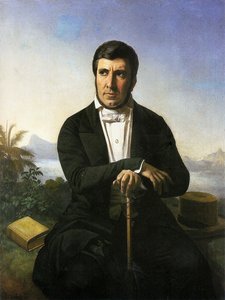
manuel josé de araújo porto-alegre, baron of santo ângelo
1806 - 1879 , Brazil
プロフィール概要
- Birth Date: November 29, 1806
- Birth Place: Rio Pardo do Sul, Brazil
- Death Date: 1879
- Influenced By: ['Jean-Baptiste Debret']
- Movement: Romanticism
- Name: Manuel José de Araújo Porto-Alegre, Baron of Santo Ângelo
- Nationality: Brazilian
- Notable Works: ['Colombo']

