

 プレビュー
プレビュー
 プリントを購入
 シェアする
シェアする シェアする
シェアする
 詳細を見る
詳細を見る

 ダウンロード
 似ている作品
 X線調査
X線調査 スライドショー
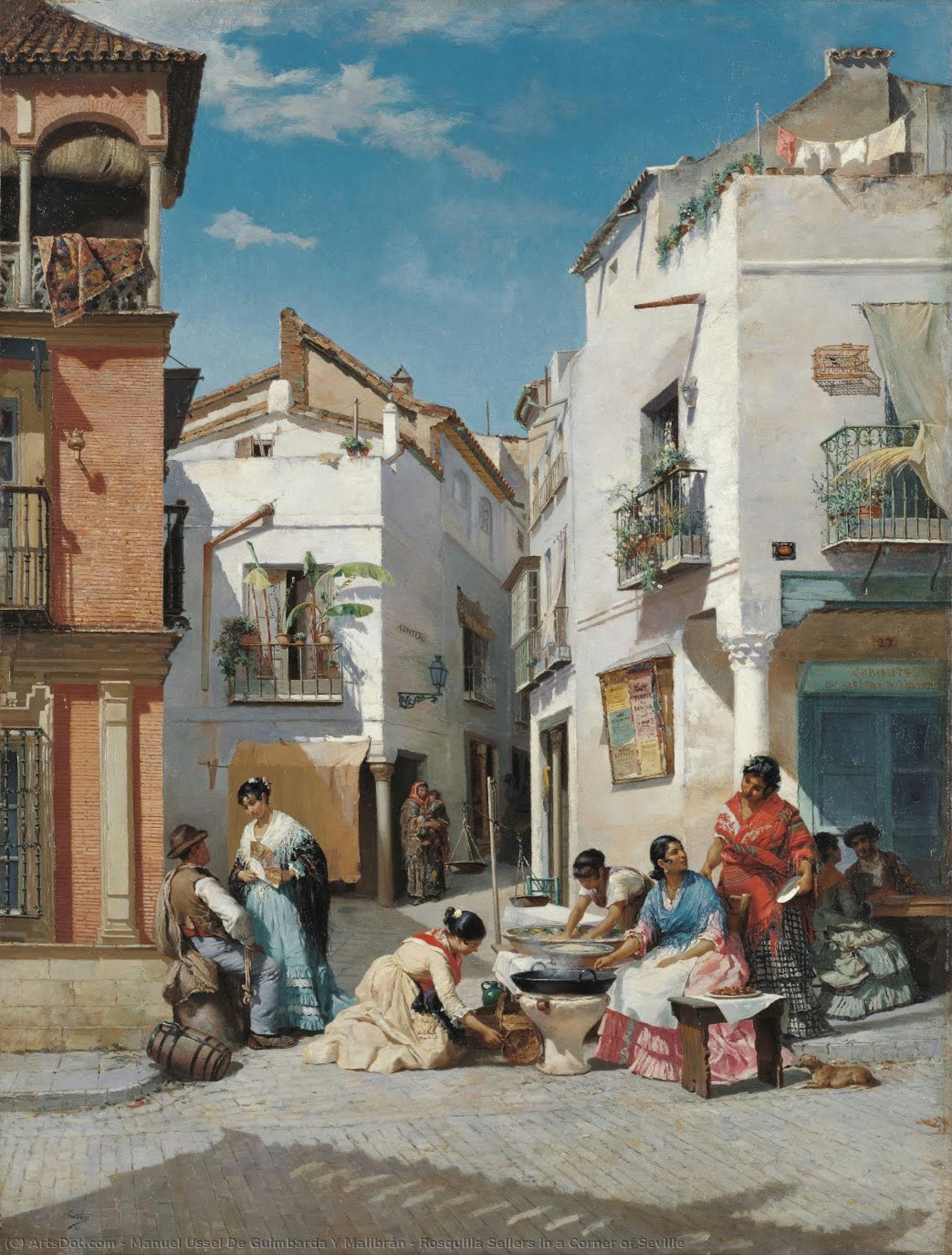
Rosquilla Sellers in a Corner of Seville
 Oil
Oil- WallArt
- Realism
 19th Century
 81.0 x 107.0 cm
 Museo Carmen Thyssen Málaga
 詳細を見る
詳細を見る




P118B $10

P118H $10

P118W $10

P438Z $10

P508JH $12

P508YH $12

P805H $10

P805Z $10

P919BZ $10

P919G $10

P919XJ $10

P959ZH $10

P968JZ $12

W106C $8

W218G $10

W218JH $8

W218Y $10

W307PJ $10

W316G $10

W316PJ $8

W316Y $10

W398PJ $8

W4111J $10

W500HY $15

W500JH $15

W692G $12

W849H $8

W940BG $15

W953PJ $8




作品のオリジナル比率に合わせた、当店の規定サイズからお選びください。

特定のフレームやスペースに合わせて、ご希望のサイズをご入力いただけます。選択されたサイズが元の画像の比率と異なる場合、アートワークをトリミングするか、手描きで要素を追加して絵画を拡張いたします。デジタルモックアップ を制作し、制作開始前にご確認(承認)をいただきます。
画面上のプレビューは、実際のトリミングや拡張を正確に反映しているものではありません。最終的な構図は、モックアップによってのみ正確にご確認いただけます。
カスタムサイズもご利用いただけますが、元の比率を維持するためには、あらかじめ用意されたリストからサイズを選択することをお勧めいたします。
ご注文後、ArtsDot.com チームより詳細な指示をお送りするとともに、仕上がりイメージ(モックアップ)をご提供いたします。


 ガラスオプションは、110cm未満のサイズでのみご利用いただけます。

Rosquilla Sellers in a Corner of Seville
複製技法
複製画のサイズ
-


合計金額
$ 263
A Glimpse into the Soul of Andalusia
In the heart of a narrow, sun-drenched alleyway in Seville, Manuel Ussel de Guimbarda y Malibrán captures a moment of profound communal intimacy. Rosquilla Sellers in a Corner of Seville is more than a mere depiction of street commerce; it is a window into a bygone era of Spanish social life. The painting invites the viewer to step into a bustling corner where the aroma of fresh pastries seems almost tangible. Here, amidst the shadows cast by towering buildings, a group of locals has gathered around a simple wooden table, creating a sanctuary of connection. The presence of a loyal dog resting near the scene and the casual arrangement of chairs suggest a rhythm of life that is unhurried, deeply rooted in the tradition of shared meals and spontaneous conversation.
The composition masterfully utilizes the architectural constraints of the Seville alleyway to focus the viewer's gaze on the human element. Ussel de Guimbarda employs a technique that balances light and shadow with remarkable sensitivity, a hallmark of his training at the Royal Academy of San Fernando. The way the light filters down into the narrow passage illuminates the textures of the stone walls and the vibrant details of the gathering, lending a sense of three-dimensional depth to the canvas. This interplay of light does not merely illuminate the scene; it breathes life into the figures, highlighting the subtle gestures of those engaged in dialogue and the quiet contentment found in the simplest of pleasures.
The Artistry of Connection and Tradition
As a painter of Cuban origin who found his artistic home in Spain, Ussel de Guimbarda brings a unique perspective to this Andalusian scene. His ability to blend historical accuracy with an evocative, almost cinematic atmosphere makes this piece a standout for collectors of 19th-century realism. The symbolism within the work is found not in overt metaphors, but in the very essence of the gathering itself—the bowl of food, the shared table, and the communal space serve as symbols of unity and the enduring strength of local traditions. There is a palpable sense of nostalgia in every brushstroke, evoking a time when the pulse of a city could be felt in its smallest, most tucked-away corners.
For the discerning interior designer or art enthusiast, this painting offers an unparalleled opportunity to introduce warmth and narrative depth into a space. Whether placed in a grand salon or a more intimate study, Rosquilla Sellers in a Corner of Seville acts as a conversational centerpiece. Its rich palette and soulful subject matter provide a sense of historical weight and cultural elegance, making it an ideal choice for those looking to curate a collection that celebrates the beauty of human interaction and the timeless charm of Spanish heritage. To possess a reproduction of this work is to hold a fragment of Seville's living history, a permanent invitation to pause and appreciate the beauty of the everyday.
関連作品

アーティストの略歴
Manuel Ussel de Guimbarda y Malibrán: A Life Bridging Military Service and Artistic Expression
- Born: Havana, Cuba (1833)
- Died: 1907
- Other Names: Manuel Wssel de Guimbarda, Manuel Ussel de Guimbarda y Malibran
Manuel Ussel de Guimbarda y Malibrán (often known as 'Wssel') was a Spanish painter of Cuban origin. His life exemplified a unique blend of military duty and artistic passion, demonstrating an unwavering commitment to both disciplines throughout his career. Born in Havana in 1833 to a military family, his early years were marked by personal tragedy with the loss of his mother and brother in 1841. This event prompted his father to relocate the family back to Spain.
Early Life and Education
In 1843, Manuel Ussel de Guimbarda y Malibrán moved to Madrid alongside his father and a servant. He was enrolled at the prestigious Royal Academy of San Fernando, where he studied under Leonardo Alenza. Despite receiving formal artistic training, Ussel chose an unconventional path, opting to follow in his family's footsteps and becoming a lieutenant in 1854. This decision highlights a fascinating duality within his character – a dedication to military service alongside a burgeoning artistic talent.
Artistic Development and Career
His first canvas was painted in 1855, inspired by the pivotal Battle of Lepanto. Following further studies in Cartagena, he became involved in local governance as a deputy within the provincial "Commission on Artistic Monuments." Marriage to the daughter of a wealthy businessman provided him with financial stability and access to influential circles.
A significant turning point arrived in 1867 when he moved to Seville. It was here, after his father's death, that Ussel fully dedicated himself to art. He quickly established a reputation as an exceptional portrait painter, but also produced numerous historical and religious works, alongside captivating costumbrista scenes depicting everyday life. His artistic output during this period showcased versatility and technical skill.
Style, Influences, and Notable Works
Ussel's style is characterized by its meticulous detail and realistic portrayal of subjects. While he developed a distinct personal aesthetic, his work demonstrates influences from other prominent artists. Comparisons have been drawn to the styles of Pablo Picasso and Salvador Dalí, though these connections are more stylistic than direct mentorship.
- Notable Works: Busto de mujer acodada, Musician with Guitar
Legacy and Later Years
Returning to Cartagena during a period of economic prosperity, Ussel established both an art workshop and a school for women, demonstrating his commitment to fostering artistic talent within the community. He received numerous commissions for murals and altarpieces, notably at the Iglesia de Santa María de Gracia and the Basílica de la Caridad. His contributions extended beyond painting; he decorated public spaces in Lorca, including murals representing industry, commerce, and agriculture.
Manuel Ussel de Guimbarda y Malibrán died in Cartagena in 1907, leaving behind a legacy of artistic achievement and community engagement. His paintings can be found in the Royal Academy of San Fernando, Iglesia de Santa María de Gracia, and Basílica de la Caridad, serving as enduring testaments to his talent and dedication.
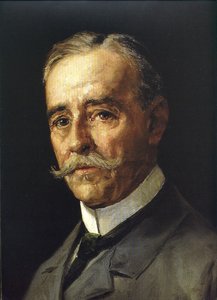
Manuel Ussel de Guimbarda y Malibrán
1833 - 1907 , Cuba
基本情報
- Artistic Movement Or Style: Costumbrista art
- Artists Who Influenced This Artist:
- Pablo Picasso
- Salvador Dalí
- Date Of Birth: November 26, 1833
- Date Of Death: May 9, 1907
- Full Name: Manuel Ussel de Guimbarda y Malibrán
- Nationality: Spanish
- Notable Artworks:
- Busto de mujer acodada
- Musician with guitar
- Place Of Birth: Havana, Cuba
関連記事
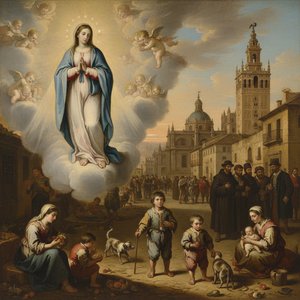
Bartolomé Esteban Murillo: Divine Light & Social Commentary in Golden Age Seville
Explore the captivating world of Bartolomé Esteban Murillo, a master of Spanish Baroque painting. Discover his luminous religious scenes, tender genre paintings & lasting legacy in Golden Age Seville. Learn more at ArtsDot.
Beyond Graffiti: Exploring the Evolution & Cultural Impact of Street Art for Collectors
Explore the evolution of street art from rebellious origins to a respected fine art form. Discover key artists like Banksy & learn how to collect urban art with confidence. Expert insights for discerning investors.
Rafael de Penagos: A Study in Spanish Portraiture & Artistic Identity
Explore the life & art of Rafael de Penagos, a leading Spanish Art Deco illustrator. Discover his iconic 'Penagos Woman', commercial work, and lasting legacy. Learn about this pivotal figure in 20th-century Spanish art history.

The Golden Age Reforged: Dramatic Realism & Religious Zeal in Spanish Baroque Art
Explore the dramatic world of Spanish Baroque art! Discover masters like Zurbarán & the powerful influence of religious zeal on painting techniques – a guide for collectors and enthusiasts.
Marianne North's Masterpieces: 25 Botanical Paintings That Bloom With Adventure | ArtsDot
Journey through the vibrant world of Marianne North’s botanical paintings! Explore 25 iconic artworks from this Victorian artist, celebrating exotic flora & travel. Find museum-quality reproductions and curated decor ideas at ArtsDot.com.

