

 プレビュー
プレビュー
 プリントを購入
 シェアする
シェアする シェアする
シェアする
 詳細を見る
詳細を見る

 ダウンロード
 似ている作品
 X線調査
X線調査 スライドショー
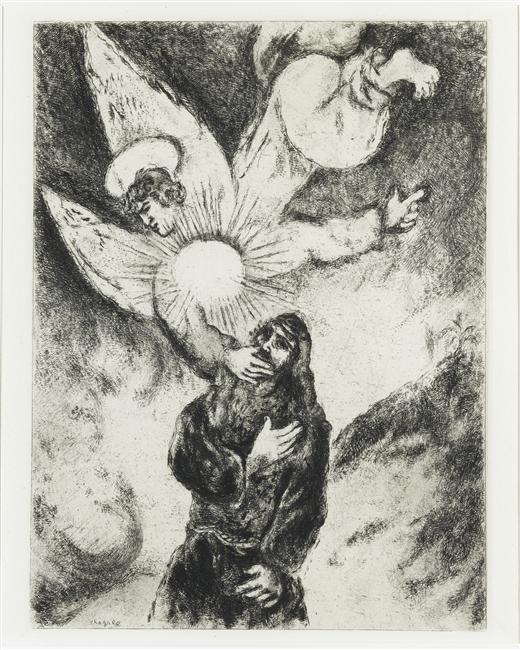
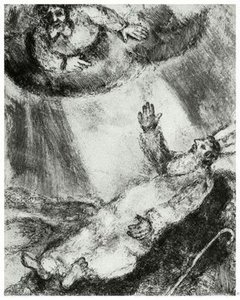
Jeremiah received Gift of the prophecy (Jeremiah, I, 4 10)
 Etching
- WallArt
- Naïve Art (Primitivism)
 1956
1956 32.0 x 24.0 cm
 詳細を見る
詳細を見る
オンラインプレビューをはるかに凌ぐ、高解像度で鮮明なデジタル画像をご購入いただけます。
各ファイルは、社内の専門家が高度なツールと熟練した手作業によるレタッチを用いて、細心の注意を払って準備されています。すべての画像において、卓越した鮮明度、正確な色彩再現性、そして繊細なディテールを保証いたします。
最終ファイルは、プロフェッショナルな編集・印刷環境ですぐにご利用いただけるよう最適化された状態で、72時間以内にメールにてお届けいたします。これは、一流のデザインスタジオ、出版社、ギャラリーから信頼されているものと同等の品質です。
デジタル画像のご注文に付随する特典
高品質なデジタル画像配信を、確かな品質で。
ArtsDot.com を選ぶことは、単に画像を手に入れることではありません。それは、プロの手によって精密に仕上げられ、満足保証が付いた高品質なデジタルアートワークを受け取ることを意味します。ご注文いただいた際に自動的に付随する内容は、以下の通りです:

メールですぐにお届け
ご注文から72時間以内に、高解像度のデジタル画像ファイルがメールでお手元に届きます。すぐにそのままご利用いただけます。

AI技術で最適化されたデジタルファイル
お客様の作品は、高度なAIツールと専門家による手作業の編集を組み合わせてプロフェッショナルに最適化されており、細部のディテール、鮮明さ、そして正確な色再現性を最大限に引き出しています。

一生涯無料の再送サービス
ファイルを誤って削除したり、紛失してしまったりしましたか?ご安心ください。いつでも無料で再送いたします。

輸入手数料は一切かかりません
関税や手数料、配送料を気にすることなく、お気に入りのアートワークをすぐにお楽しみいただけます。デジタルダウンロードは常に免税です。

色彩再現の保証
プロ仕様のツールとカラーマネジメント技術を用いることで、デジタル画像が元の色を最大限に忠実に再現することを保証いたします。

60日間満足保証
ご購入いただいたデジタル画像にご満足いただけない場合は、60日以内であれば、修正または100%の返金(理由を問う必要はありません)をさせていただきます。

100% 返金保証
ご満足いただけない場合は、デジタルファイルを受け取ってから60日以内であれば、理由を問わず全額返金いたします。

まとめ買い割引
3枚購入で10%OFF - 5枚購入で15%OFF - 10枚以上購入で20%OFF。クリエイティブなプロジェクト、ギャラリー、エージェンシーに最適です。
A Vision of Divine Revelation: Marc Chagall’s “Jeremiah Received Gift of the Prophecy”
Marc Chagall's "Jeremiah Received Gift of the Prophecy" (1956) isn’t merely a depiction of a biblical scene; it’s an immersive journey into the heart of faith, memory, and the profound loneliness of a prophet. This etching, rendered in stark black and white against a subtly textured paper surface, captures a pivotal moment from the Book of Jeremiah – the reception of divine prophecy by the reluctant messenger himself. Chagall, deeply rooted in his Jewish heritage and profoundly influenced by folklore and dreams, transforms this ancient narrative into a powerfully emotive visual experience, one that resonates with an almost unbearable intensity.
The composition immediately draws the eye to Jeremiah, positioned centrally on the left side of the sheet. He’s not a heroic figure; rather, he appears burdened, his posture suggesting both resignation and a quiet acceptance of his daunting task. His robes are simple, almost monastic in their design, emphasizing his role as a conduit for divine will. Above him, an angel – rendered with Chagall's signature loose, flowing lines – extends a hand, offering the gift of prophecy. This isn’t a triumphant, celebratory scene; instead, there’s a palpable sense of gravity and solemnity. The light emanating from the angel is diffused, creating a soft glow that highlights Jeremiah’s face, suggesting an internal struggle between doubt and conviction.
Naïve Art and the Language of Memory
Created in 1956, during a period of intense reflection for the artist, this work firmly places Chagall within the realm of Naïve Art (also known as Primitivism). This style, characterized by its directness, lack of academic technique, and reliance on symbolic imagery drawn from personal experience, allows Chagall to bypass rational representation and tap directly into the wellspring of memory and emotion. The simplified forms, flattened perspective, and vibrant use of line are hallmarks of this approach. It’s as if he's not painting a scene but rather reconstructing a dream – a potent distillation of his Jewish upbringing in Vitebsk, Belarus, a town that served as the emotional bedrock of his artistic universe.
The background is deliberately ambiguous, a swirling blend of muted tones and indistinct shapes. This lack of detail isn’t an absence of effort; it's a deliberate choice to focus attention on the central figures and to evoke a sense of timelessness. Notice the subtle inclusion of elements – a bird soaring upwards, another perched near the top right corner – that hint at themes of hope, freedom, and perhaps even Jeremiah’s own yearning for escape from his prophetic burden. These details aren't literal; they are symbolic fragments woven into the fabric of the scene.
Symbolism and the Weight of Prophecy
Beyond its immediate visual appeal, “Jeremiah Received Gift of the Prophecy” is rich in symbolism. The gift itself – the act of receiving prophecy – represents a profound responsibility and a heavy burden. Jeremiah’s posture reflects this weight; he's not accepting the gift with joy but with a quiet determination. The angel, often associated with divine guidance, here seems to be offering not just knowledge but also a shared sorrow—the understanding that bearing witness to impending doom is an isolating experience. The stark contrast between black and white further amplifies this sense of solemnity and underscores the gravity of the message being conveyed.
Chagall’s choice of etching as his medium is particularly significant. Etching, with its precise lines and tonal variations, allows for a delicate balance between control and spontaneity – mirroring the tension between Jeremiah's duty and his personal anguish. This reproduction captures that nuanced quality, offering a faithful representation of Chagall’s artistic vision while retaining the textural richness of the original print. It’s an artwork that invites contemplation, prompting viewers to consider not only the biblical narrative but also the universal themes of faith, doubt, and the human condition.
関連作品
作家の略歴
夢と色彩の詩人:マルク・シャガールの生涯
マルク・シャガール。その名は、鮮やかな色彩と幻想的なイメージが瞬時に浮かび上がるでしょう。1887年、ベラルーシのヴィテブスク近郊リオーズネ村にモーシェ・シャガルとして生まれた彼は、20世紀を代表する芸術家の一人として、絵画を通して独自の詩の世界を創造しました。彼の作品は、幼少期に育まれたユダヤ教の伝統や民話、そして故郷ヴィテブスクへの深い愛情が色濃く反映されており、現実と夢、記憶と感情が織りなす独特の美学を確立しました。「私は絵を描き終えるとき、自然が作り出したものをそれに当てはめてみます—岩、花、木の枝、あるいは自分の手です。もしその絵が人間の手で作りえないものとならぶことができれば、その絵は本物です。もし二つが衝突すれば、それは悪い芸術です。」シャガール自身の言葉が示すように、彼の作品は、内なる感情と精神性を追求したものであり、単なる現実の模倣を超越した表現を試みたのです。ヴィテブスクとパリ:芸術的探求の旅
幼少期を故郷ヴィテブスクで過ごしたシャガールにとって、その町は単なる生まれ故郷以上の意味を持ちました。それは彼の芸術的な宇宙の中心であり、空中に浮かぶ人物や奇妙な動物たちが住む、記憶に彩られた風景でした。ロシア正教の教会と賑やかなユダヤ人市場が共存するヴィテブスクの多様な文化は、彼独自の美意識を育み、その後の彼の芸術的探求に大きな影響を与えました。サンクトペテルブルクで地元のサイン画家から絵画を学び、その後レオン・バクストの下で研鑽を積んだシャガールは、パリへと旅立ちます。そこで彼は、キュビスムや象徴主義といった当時の最先端の芸術運動に触発されながらも、自身の内なる世界と故郷への想いを融合させた独自のスタイルを確立していきます。初期作品である『私と村』(1911年)は、場所の描写を超え、自己、記憶、そして個人と共同体の関係を探求する試みとして、彼の芸術的才能を示唆しています。革命と流浪:苦難の中で開花する創造性
第一次世界大戦が勃発すると、シャガールは一時的にロシアに留まり、ヴィテブスクで芸術学校を設立するなど、文化的な活動に積極的に参加しました。しかし、ロシア革命後の混乱期には、政治的な抑圧と経済的な困難に直面し、その創造性は試練にさらされます。1923年、彼は再びパリへと旅立ち、国際的な評価を得るようになります。『ヴィテブスクの上空』(1920-1922年)は、故郷への想いが色濃く反映された作品であり、彼の芸術的成熟度を示しています。第二次世界大戦の勃発により、ナチス占領下のフランスからアメリカへと逃れ、7年間をニューヨークで過ごすことになります。この時期は、精神的な苦悩と芸術的な実験が交錯するものであり、『白い十字架』(1938年)に見られるように、彼の作品に深い悲しみと不安の色合いが加わりました。戦後、彼はフランスに戻り、生涯をかけて絵筆を握り続けました。遺産:色彩と夢の普遍的なメッセージ
晩年は、パリ歌劇場天井画(1964年)やエルサレムのハダッサ・ヘブライ大学医学部病院のシナゴーグステンドグラスなど、数々の重要なプロジェクトを完成させます。これらの大規模な作品は、彼の芸術的ビジョンを建築空間に具現化し、見る者を魅了する没入型の環境を作り出しました。シャガールの影響は、シュルレアリスムを含む後世の多くの芸術家に及んでいます。彼は、ヨーロッパの近代主義とユダヤ文化のアイデンティティを結びつけ、「20世紀における最も重要なユダヤ人芸術家」として称賛されています。彼の作品は、愛、記憶、そして人間の想像力の無限の可能性を祝福するものであり、世界中の観客に普遍的なメッセージを伝えています。ヴィースバイエルン州のニースにあるマルク・シャガール美術館は、彼の遺産を称え、彼の作品群を展示しています。彼の鮮やかな色彩と夢のようなイメージは、これからも人々の心に深く刻まれ続けるでしょう。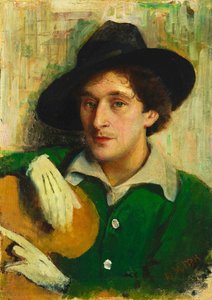
マルク・シャガール
1887 - 1985 , ベラルーシ
プロフィール概要
- フルネーム: マルク・シャガール
- 主な作品:
- 私と村
- 白十字架
- イェルサレムの窓
- 出生地: リヴォナ(ベラルーシ)
- 国籍: ロシア、フランス、ユダヤ系
- 影響を与えたアーティスト:
- パブロ・ピカソ
- ジョアン・ミロ
- 影響を受けたアーティスト:
- レオン・バクスト
- ロベルト・デラunay
- 死亡年月日: 1985年3月28日
- 生年月日: 1887年7月6日
- 芸術運動・スタイル: モダニズム、キュビスム、象徴主義

