 プレビュー
プレビュー
 シェアする
シェアする シェアする
シェアする
 詳細を見る
詳細を見る

 ダウンロード
 似ている作品
 X線調査
X線調査 スライドショー
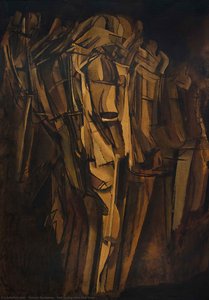
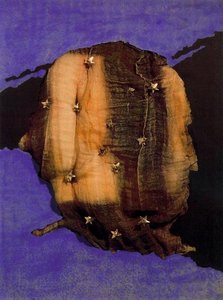
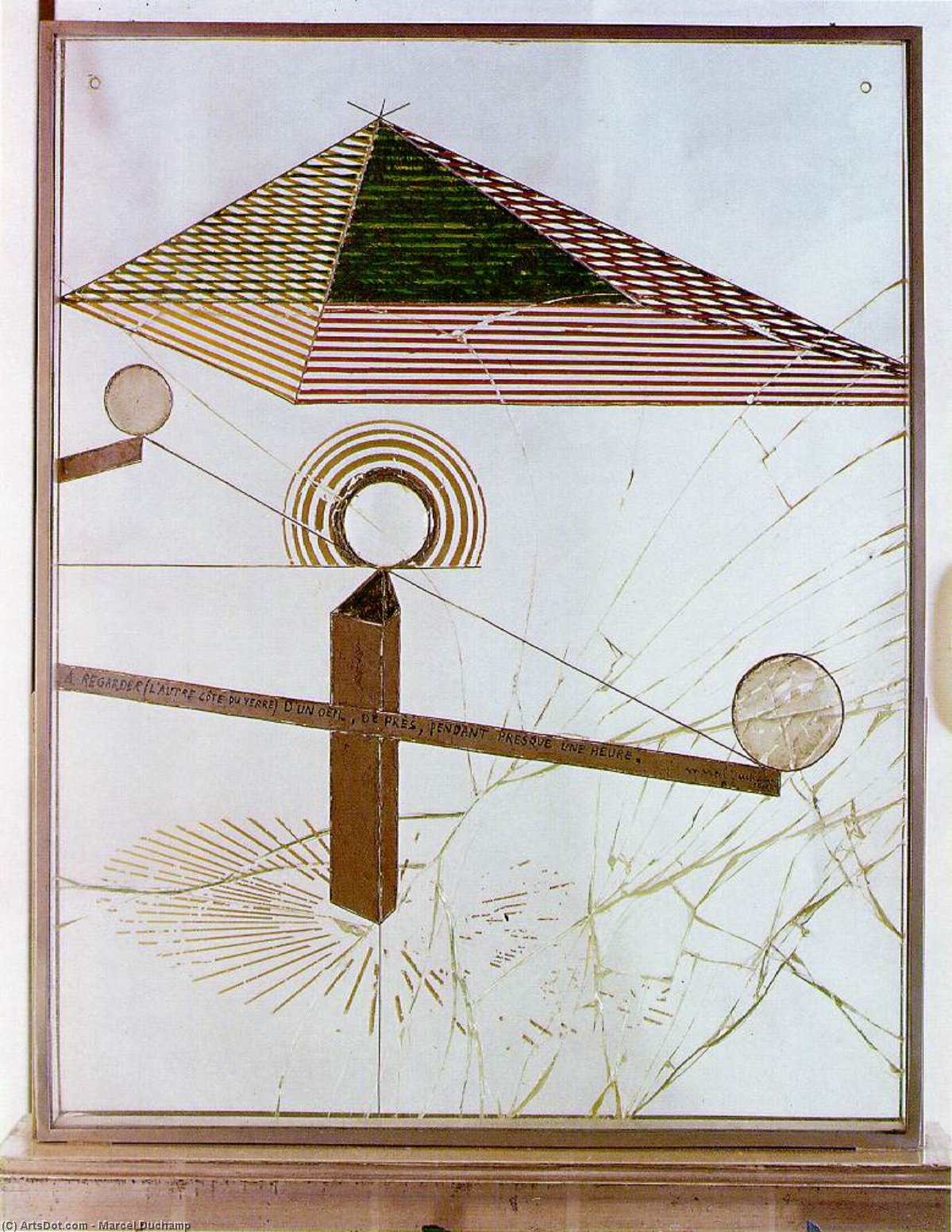
To be looked at (from the Other Side of the Glass) with One Eye, Close to, for Almost an Hour


 詳細を見る
詳細を見る
ジークレー/アートプリント
迅速な制作と多彩な仕上げオプションを備えた、ミュージアムクオリティのジークレーまたはキャンバスプリント。 ( 手描きの絵画を購入 画像を購入)




P118B $10

P118H $10

P118W $10

P438Z $10

P508JH $12

P508YH $12

P805H $10

P805Z $10

P919BZ $10

P919G $10

P919XJ $10

P959ZH $10

P968JZ $12

W106C $8

W218G $10

W218JH $8

W218Y $10

W307PJ $10

W316G $10

W316PJ $8

W316Y $10

W398PJ $8

W4111J $10

W500HY $15

W500JH $15

W692G $12

W849H $8

W940BG $15

W953PJ $8




作品のオリジナル比率に合わせた、当店の規定サイズからお選びください。

特定のフレームやスペースに合わせて、ご自身でサイズを指定することも可能です。選択されたサイズが元の画像の比率と一致しない場合、作品をトリミングするか、鏡面反射または単色での塗りつぶしによって画像を拡張いたします。制作を開始する前に、ご確認用のデジタルモックアップをお送りいたします。
画面上のプレビューには、実際のトリミングや拡張は反映されませんのでご注意ください。最終的な構図を正確に確認できるのは、モックアップのみとなります。
カスタムサイズも承っておりますが、元の比率を維持するためには、あらかじめ用意されたリストからサイズを選択することをお勧めいたします。


 ガラスオプションは、110cm未満のサイズでのみご利用いただけます。

To be looked at (from the Other Side of the Glass) with One Eye, Close to, for Almost an Hour
ジークレー/アートプリント
複製画のサイズ
-


合計金額
$ 62
Marcel Duchamp: A Revolutionary Artist
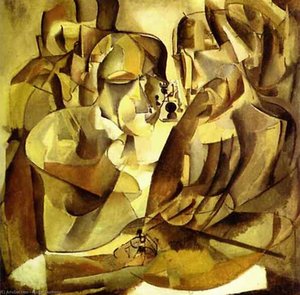
Marcel Duchamp (1887-1968) stands as one of the most influential figures in modern art, forever altering our understanding of what constitutes artistic creation and challenging conventional notions of beauty. His relentless questioning of established norms—a characteristic that permeated his entire oeuvre—established him as a pioneer of Conceptual Art and cemented his legacy as an artist who fundamentally reshaped the landscape of 20th-century visual culture. Born in Blainville-sur-Mer, Normandy, Duchamp initially pursued traditional artistic training, mastering techniques honed by Impressionism and Post-Impressionism. However, he swiftly abandoned these stylistic constraints, embarking on a path marked by experimentation and intellectual rigor that would ultimately propel him to the forefront of Dadaism and subsequently herald the dawn of Conceptual Art. His refusal to adhere to aesthetic standards—a deliberate act of defiance against artistic conventions—became his defining trait and fueled his groundbreaking explorations into the very nature of art itself.- Cubism: Duchamp’s early work demonstrates an engagement with Cubist principles, evident in pieces like *Portrait of Chess Players* (1911). He skillfully employed fragmented forms and multiple perspectives—techniques championed by Picasso and Braque—to depict subjects from unconventional viewpoints.
- Dadaism: Embracing the nihilistic spirit of Dadaism, Duchamp rejected artistic dogma and embraced chance as a creative force. This radical stance manifested in his provocative readymades, elevating ordinary objects into artworks through alteration of context or meaning.
To Be Looked At (From The Other Side Of The Glass) With One Eye, Close To, For Almost An Hour
Created in 1918 during the tumultuous period of World War I, *To Be Looked At* embodies Duchamp’s core artistic philosophy—a deliberate provocation designed to disrupt viewers' perceptions and provoke contemplation. This seemingly simple piece—consisting of a glass panel adorned with a mustache and goatee—is far from accidental; it serves as an instruction manual for the audience, urging them to observe it intently through one eye, close up, for approximately sixty minutes. The work’s title itself is deliberately ambiguous, referencing ophthalmology and inviting viewers to consider how perception shapes our experience of art. Duchamp's fascination with optics—particularly the phenomenon of magnification—is palpable in this piece, which utilizes a convex lens to distort the image and heighten its impact on the observer. As curator Anne Umland eloquently articulated, “The title of this work, which Duchamp said he ‘intended to sound like an oculist’s prescription,’ tells the viewer exactly how to look at it.”Influence And Legacy
Duchamp's readymades irrevocably altered the trajectory of modern art, inspiring movements such as Minimalism and Pop Art. His willingness to challenge artistic hierarchies—to elevate commonplace objects into artworks—established him as a visionary who questioned the boundaries between art and everyday life. The piece resides prominently within the Raymond Duchamp-Villon Museum in Karuizawa, Japan, showcasing an impressive collection of artworks spanning diverse periods and movements—including Dadaism—and solidifying Duchamp’s position as a pivotal figure in artistic history.Reproductions And Availability
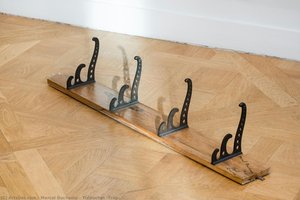
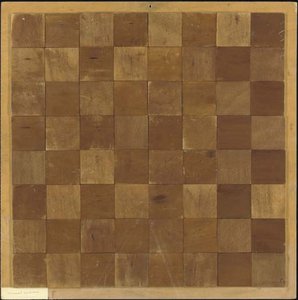
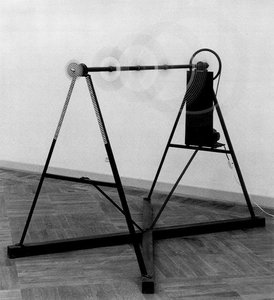
At ArtsDot.com, we offer meticulously crafted oil painting reproductions of *To Be Looked At*, ensuring that every nuance of the original artwork is faithfully recreated with exceptional precision and accuracy. Our skilled artists employ traditional techniques—inherited from masters like Rembrandt and Vermeer—to painstakingly reproduce Duchamp’s vision, capturing the subtle interplay of light and shadow and conveying the emotional depth inherent in his masterpiece. Explore our expansive collection of Marcel Duchamp's works, including *Fresh Widow* and *Chocolate Grinder No.2*, at /art/list/?Filter=7YLJ6S-Marcel-Duchamp-To-be-looked-at-(from-the-Other-Side-of-the-Glass)-with-One-... For a deeper understanding of Duchamp’s life and artistic journey, visit his page on https://ArtsDot.com/@/Marcel-Duchamp. To learn more about the Raymond Duchamp-Villon Museum and its remarkable collection, read /art/list/?Filter=A@D3ALVX-Raymond-Duchamp-Villon-Museum-A-Comprehensive-Guide.関連作品
アーティストの略歴
マルセル・デュシャン:芸術の定義を覆した革命家
マルセル・デュシャンは、1887年にノルマンディー地方ブレーヌヴィル=シュル=メールで生まれ、1968年にパリでその生涯を終えたフランス系アメリカ人アーティストです。彼は単なる画家ではありませんでした。むしろ、芸術の概念そのものを問い直し、現代美術の流れを大きく変えた思想的な挑発者だったのです。デュシャンの幼少期は一見すると平凡に見えるかもしれません。芸術を愛する家庭に育ち、兄弟たちはそれぞれ才能あるアーティストとして成功を収めました。しかし、この伝統的な環境の中でさえ、彼は既存の規範を打ち破るような、型破りな才能を秘めていました。デュシャンは当初、伝統的な技法を習得し、印象派以降のスタイルを実験しましたが、それは単なる技術の習得ではなく、芸術の本質、目的、そして定義そのものを問いかけるための基盤となったのです。彼の飽くなき知的探求心こそが、多作なキャリア全体を特徴づけるものとなりました。キュビスムからダダイズムへ:伝統からの脱却
デュシャンの芸術的遍歴は、常に進化し、確立された規範を意図的に放棄するものでした。初期のキュビスムへの関わり(1911年の『チェスプレイヤーの肖像』に見られるように)は、断片化された形態と多角的な視点に対する興味を示唆しており、伝統的な表現からの脱却でした。しかし、彼は単に視覚的要素を再配置するだけでは、彼が抱えるより深い問いに答えることはできないことに気づきました。第一次世界大戦の惨劇は、彼の不満をさらに煽り上げ、論理や理性、そして伝統的な芸術価値観を拒絶する運動であるダダイズムへと導きました。ダダイズムの中でこそ、デュシャンは初めて従来の芸術的概念を根本から覆し始めました。彼は美しいオブジェクトを作り出すことに関心を持っていませんでした。むしろ、思考を刺激し、前提を揺さぶり、美学的な判断の恣意性を暴露することを目的としていたのです。この時期に、彼の最も革新的なアイデアである「レディメイド」が誕生しました。レディメイドと芸術の転覆
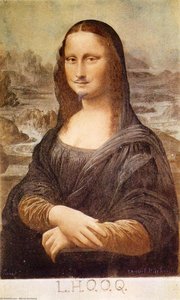
レディメイド——日常的で製造されたオブジェクトを選択し、芸術作品として提示する——デュシャンの最も重要な貢献です。これらは単なる偶然の発見物ではありませんでした。むしろ、芸術的な転覆という意図的な行為だったのです。例えば、小便器を『噴水』と名付け、R. Muttという偽名で独立アーティスト展に出品したことで、芸術的技能や作者そのものの定義に挑戦しました。作品は、誰が作ったのか、アーティストの手なのか、それともアイデアなのか?この問いかけこそが彼の実践の中心となり、コンセプトアートの基礎を築いたのです。『L.H.O.O.Q.』(1919年)のような他の著名なレディメイドは、モナ・リザの複製に口ひげと顎髭を描き加えたものであり、芸術史や確立された文化的アイコンに対する遊び心のある、しかし鋭い批判でした。これらの作品は、その美的な品質のために賞賛されることを意図したものではありませんでした。むしろ、議論を巻き起こし、鑑賞者が芸術とは何かという先入観を見直すよう促すことを目的としていたのです。デュシャンは、芸術は目に留まるのではなく、心に宿るべきだと信じていました。遺産と持続的な影響
マルセル・デュシャンの現代美術に対する影響力は計り知れません。彼は芸術の理解を根本的に変え、コンセプトアート、ミニマリズム、ポップアートなど、数多くの運動への道を開きました。アーティストのアイデア——作品背後にある概念——がその美学的な品質よりも重要であるという彼の強調は、今日でもアーティストにインスピレーションを与え続けています。- キュビスム: 形態の断片化と空間表現の初期の研究。
- ダダイズム: 論理や理性、そして伝統的な芸術的価値観を拒絶し、第一次世界大戦への反応として生まれた運動。
- コンセプトアート: 作品の美学的な品質よりも、作品背後にあるアイデアに重点を置く芸術形態。
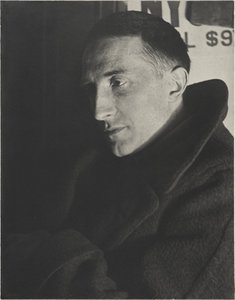
マルセル・デュシャン
1887 - 1968 , フランス
基本情報
- フルネーム: マルセル・デュシャン
- 主な作品:
- ファウンテン
- L.H.O.O.Q.
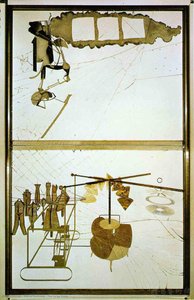
- 大きなガラス
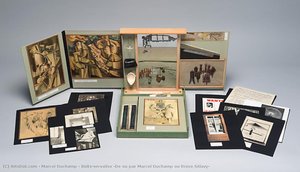
- ボワテ・アン・ヴァリーズ
- 出生地: ブロインヴィル=レ=ブーア(フランス)
- 国籍: フランス系アメリカ人
- 影響を与えたアーティストまたは運動:
- 概念美術
- ポップアート
- ミニマルアート
- 死亡年月日: 1968年10月2日
- 生年月日: 1887年7月28日
- 芸術運動またはスタイル:
- キュビスム
- ダダイスム
- 概念美術
関連記事

Bronze Sculptures That Defined Art History | ArtsDot
Journey through art history with our Top 10 bronze sculptures! Explore masterpieces by Rodin, Michelangelo & more. Discover stories behind iconic statues and find museum-quality reproductions for your home decor at ArtsDot.com.
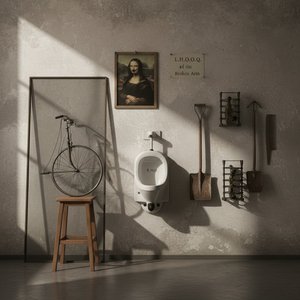
Marcel Duchamp: Challenging Conventions & Redefining Art in the 20th Century
Explore the revolutionary art of Marcel Duchamp! Discover how his Dadaist readymades challenged artistic conventions & redefined modern art. A deep dive into 'Fountain', conceptual shifts, and his lasting impact.

The Enduring Form: Exploring Themes & Techniques in Sculpture Across Historical Periods
Explore the rich history of sculpture from ancient masterpieces to contemporary innovations. Discover key techniques, influential artists & investment potential for discerning art collectors.

Bronze Age to Modern Masters: 10 Sculptures That Redefined Art | ArtsDot
Journey through art history with 10 legendary bronze sculptures – from Michelangelo's David to Rodin’s Thinker. Explore the stories, techniques & timeless beauty of these masterpieces. Find museum-quality reproductions & elevate your home decor on ArtsDot.com.

The Enduring Form: Sculpture Across History, Technique & Emotional Resonance
Explore the rich history of sculpture with ArtsDot. Discover key techniques, influential artists & investment potential for discerning collectors. Expert insights into valuing and collecting timeless masterpieces.