 プレビュー
プレビュー
 プリントを購入
 シェアする
シェアする シェアする
シェアする
 詳細を見る
詳細を見る

 ダウンロード
 似ている作品
 X線調査
X線調査 スライドショー
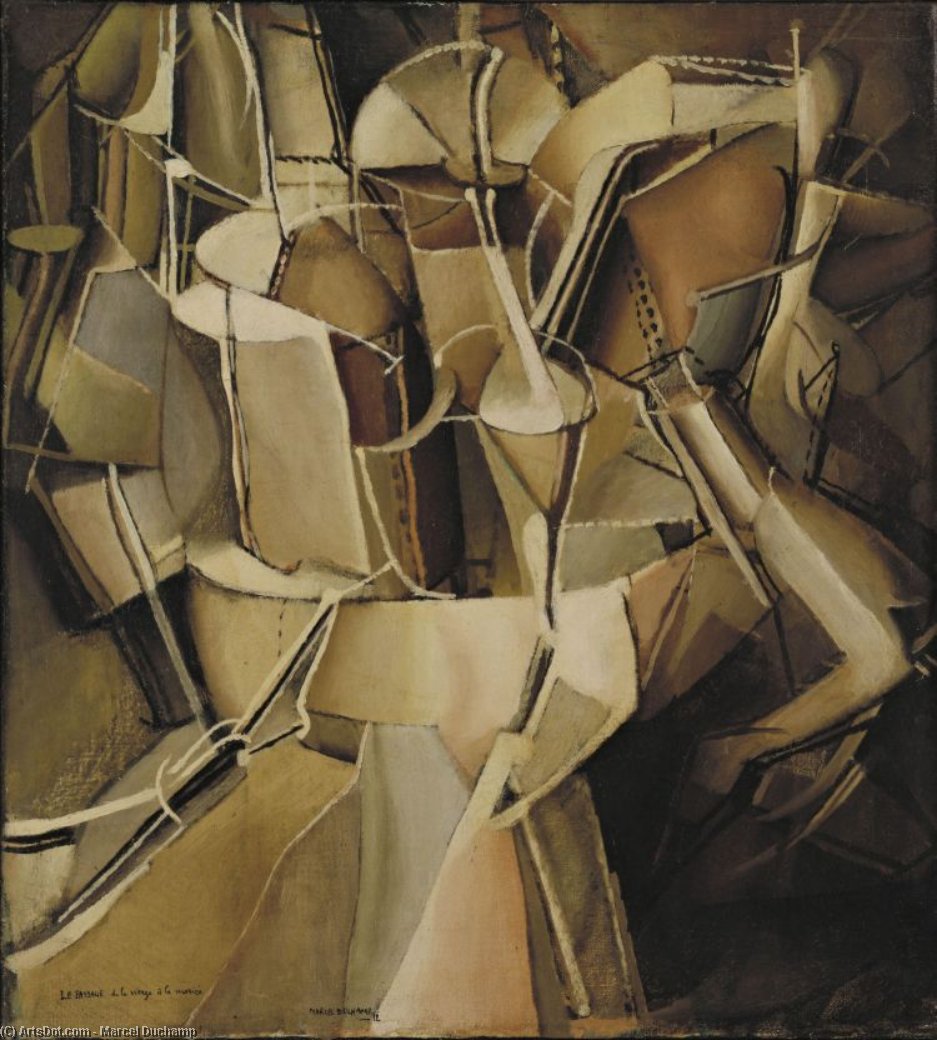
Transition of Virgin into a Bride_Le Passage de la Vierge à la Mariée


 詳細を見る
詳細を見る




P118B $10

P118H $10

P118W $10

P438Z $10

P508JH $12

P508YH $12

P805H $10

P805Z $10

P919BZ $10

P919G $10

P919XJ $10

P959ZH $10

P968JZ $12

W106C $8

W218G $10

W218JH $8

W218Y $10

W307PJ $10

W316G $10

W316PJ $8

W316Y $10

W398PJ $8

W4111J $10

W500HY $15

W500JH $15

W692G $12

W849H $8

W940BG $15

W953PJ $8




作品のオリジナル比率に合わせた、当店の規定サイズからお選びください。

特定のフレームやスペースに合わせて、ご希望のサイズをご入力いただけます。選択されたサイズが元の画像の比率と異なる場合、アートワークをトリミングするか、手描きで要素を追加して絵画を拡張いたします。デジタルモックアップ を制作し、制作開始前にご確認(承認)をいただきます。
画面上のプレビューは、実際のトリミングや拡張を正確に反映しているものではありません。最終的な構図は、モックアップによってのみ正確にご確認いただけます。
カスタムサイズもご利用いただけますが、元の比率を維持するためには、あらかじめ用意されたリストからサイズを選択することをお勧めいたします。
ご注文後、ArtsDot.com チームより詳細な指示をお送りするとともに、仕上がりイメージ(モックアップ)をご提供いたします。


 ガラスオプションは、110cm未満のサイズでのみご利用いただけます。

Transition of Virgin into a Bride_Le Passage de la Vierge à la Mariée
複製技法
複製画のサイズ
-


合計金額
$ 263
作品解説
Transition of Virgin into a Bride_Le Passage de la Vierge à la Mariée: A Cubist Revelation
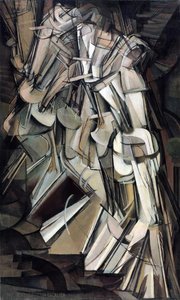
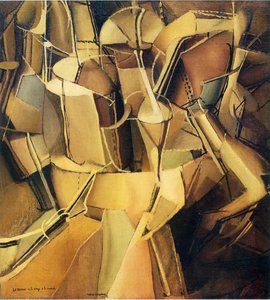
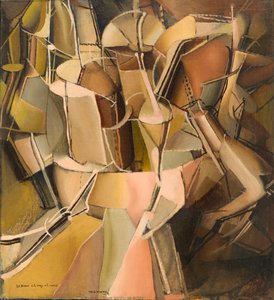
Marcel Duchamp’s “Transition of Virgin into a Bride” stands as an arresting testament to the artist's radical vision and masterful execution within the burgeoning landscape of early 20th-century art. Created in 1912, this painting isn’t merely a depiction; it’s an interrogation—a deliberate disruption of conventional artistic conventions that cemented Duchamp’s position as one of the pioneers of conceptual art and Dadaism. Its influence reverberates through subsequent generations of artists who continue to grapple with questions of representation and meaning.The Language of Cubism: Fragmentation and Multiple Perspectives
Duchamp's approach to “Transition of Virgin into a Bride” is firmly rooted in the principles of cubism, pioneered by Pablo Picasso and Georges Braque. Unlike traditional painting which strives for illusionistic depth—creating an image that mimics reality—cubism dismantles this façade. The canvas explodes with fragmented forms rendered from multiple viewpoints simultaneously. This technique isn’t about accurately portraying a single subject; it's about capturing its essence through the prism of perception itself. Notice how the woman’s body is dissected into geometric planes, revealing underlying structures and challenging our ingrained understanding of spatial relationships. Each shard contributes to a richer, more complex visual experience—one that prioritizes intellectual engagement over mere sensory pleasure.A Symphony of Symbolism: Womanhood, Music, and Transformation
The central figure embodies the transformative journey from innocence to maturity – the Virgin becoming Bride. This motif speaks to broader themes of femininity, spirituality, and societal expectations during the period. Surrounding her are two additional figures—one on either side—adding layers of narrative depth. These aren’t merely decorative elements; they actively participate in conveying meaning. The inclusion of musical instruments—violins, a trombone, and trumpet—is particularly noteworthy. Music was considered to be an expressive art form that mirrored the human condition, reflecting Duchamp's fascination with exploring ideas beyond visual representation. The instruments symbolize dynamism, movement, and perhaps even aspiration – mirroring the metamorphosis occurring within the central figure.Historical Context: Dadaism’s Challenge to Artistic Norms
“Transition of Virgin into a Bride” emerged during the tumultuous era of Dadaism—a movement born from disillusionment with the horrors of World War I and a vehement rejection of bourgeois values. Dada artists deliberately undermined established artistic conventions, embracing absurdity and chance as tools for critique. Duchamp’s work embodies this spirit of rebellion, questioning what constitutes art and advocating for conceptual ideas over technical skill. The Berardo Collection Museum in Lisbon houses an impressive collection of modern and contemporary art, including works by Marcel Duchamp. This museum provides a comprehensive guide to understanding the evolution of artistic movements, including cubism and conceptual art.Emotional Resonance: An Intriguing Paradox
Despite its intellectual rigor—its deliberate dismantling of pictorial illusion— “Transition of Virgin into a Bride” possesses an undeniable emotional resonance. The fragmented forms convey a sense of vulnerability and uncertainty alongside a quiet dignity. The artist invites viewers to contemplate the complexities of human experience, prompting reflection on themes of identity, transformation, and the elusive nature of beauty. It’s a painting that lingers in the mind long after viewing—a testament to Duchamp's ability to communicate profound ideas through deceptively simple visual language.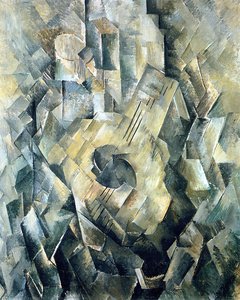
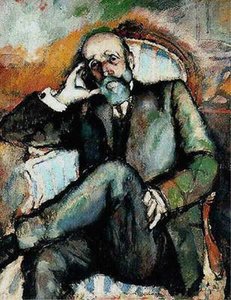
アーティストの略歴
マルセル・デュシャン:芸術の定義を覆した革命家
マルセル・デュシャンは、1887年にノルマンディー地方ブレーヌヴィル=シュル=メールで生まれ、1968年にパリでその生涯を終えたフランス系アメリカ人アーティストです。彼は単なる画家ではありませんでした。むしろ、芸術の概念そのものを問い直し、現代美術の流れを大きく変えた思想的な挑発者だったのです。デュシャンの幼少期は一見すると平凡に見えるかもしれません。芸術を愛する家庭に育ち、兄弟たちはそれぞれ才能あるアーティストとして成功を収めました。しかし、この伝統的な環境の中でさえ、彼は既存の規範を打ち破るような、型破りな才能を秘めていました。デュシャンは当初、伝統的な技法を習得し、印象派以降のスタイルを実験しましたが、それは単なる技術の習得ではなく、芸術の本質、目的、そして定義そのものを問いかけるための基盤となったのです。彼の飽くなき知的探求心こそが、多作なキャリア全体を特徴づけるものとなりました。キュビスムからダダイズムへ:伝統からの脱却
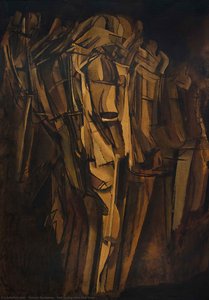
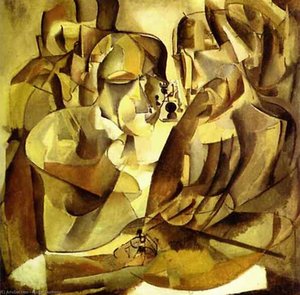
デュシャンの芸術的遍歴は、常に進化し、確立された規範を意図的に放棄するものでした。初期のキュビスムへの関わり(1911年の『チェスプレイヤーの肖像』に見られるように)は、断片化された形態と多角的な視点に対する興味を示唆しており、伝統的な表現からの脱却でした。しかし、彼は単に視覚的要素を再配置するだけでは、彼が抱えるより深い問いに答えることはできないことに気づきました。第一次世界大戦の惨劇は、彼の不満をさらに煽り上げ、論理や理性、そして伝統的な芸術価値観を拒絶する運動であるダダイズムへと導きました。ダダイズムの中でこそ、デュシャンは初めて従来の芸術的概念を根本から覆し始めました。彼は美しいオブジェクトを作り出すことに関心を持っていませんでした。むしろ、思考を刺激し、前提を揺さぶり、美学的な判断の恣意性を暴露することを目的としていたのです。この時期に、彼の最も革新的なアイデアである「レディメイド」が誕生しました。レディメイドと芸術の転覆
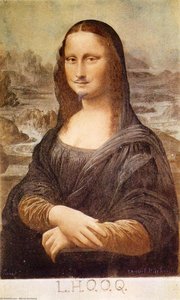
レディメイド——日常的で製造されたオブジェクトを選択し、芸術作品として提示する——デュシャンの最も重要な貢献です。これらは単なる偶然の発見物ではありませんでした。むしろ、芸術的な転覆という意図的な行為だったのです。例えば、小便器を『噴水』と名付け、R. Muttという偽名で独立アーティスト展に出品したことで、芸術的技能や作者そのものの定義に挑戦しました。作品は、誰が作ったのか、アーティストの手なのか、それともアイデアなのか?この問いかけこそが彼の実践の中心となり、コンセプトアートの基礎を築いたのです。『L.H.O.O.Q.』(1919年)のような他の著名なレディメイドは、モナ・リザの複製に口ひげと顎髭を描き加えたものであり、芸術史や確立された文化的アイコンに対する遊び心のある、しかし鋭い批判でした。これらの作品は、その美的な品質のために賞賛されることを意図したものではありませんでした。むしろ、議論を巻き起こし、鑑賞者が芸術とは何かという先入観を見直すよう促すことを目的としていたのです。デュシャンは、芸術は目に留まるのではなく、心に宿るべきだと信じていました。遺産と持続的な影響
マルセル・デュシャンの現代美術に対する影響力は計り知れません。彼は芸術の理解を根本的に変え、コンセプトアート、ミニマリズム、ポップアートなど、数多くの運動への道を開きました。アーティストのアイデア——作品背後にある概念——がその美学的な品質よりも重要であるという彼の強調は、今日でもアーティストにインスピレーションを与え続けています。- キュビスム: 形態の断片化と空間表現の初期の研究。
- ダダイズム: 論理や理性、そして伝統的な芸術的価値観を拒絶し、第一次世界大戦への反応として生まれた運動。
- コンセプトアート: 作品の美学的な品質よりも、作品背後にあるアイデアに重点を置く芸術形態。
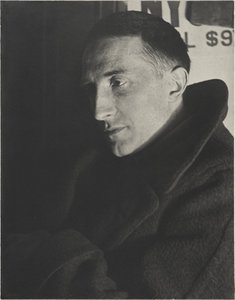
マルセル・デュシャン
1887 - 1968 , フランス
基本情報
- フルネーム: マルセル・デュシャン
- 主な作品:
- ファウンテン
- L.H.O.O.Q.
- 大きなガラス
- ボワテ・アン・ヴァリーズ
- 出生地: ブロインヴィル=レ=ブーア(フランス)
- 国籍: フランス系アメリカ人
- 影響を与えたアーティストまたは運動:
- 概念美術
- ポップアート
- ミニマルアート
- 死亡年月日: 1968年10月2日
- 生年月日: 1887年7月28日
- 芸術運動またはスタイル:
- キュビスム
- ダダイスム
- 概念美術
関連記事
Marcel Duchamp: Challenging Conventions & Redefining Art in the 20th Century
Explore the revolutionary art of Marcel Duchamp! Discover how his Dadaist readymades challenged artistic conventions & redefined modern art. A deep dive into 'Fountain', conceptual shifts, and his lasting impact.

ジョルジュ・ブラック傑作25選:革新的なキュビスムの世界と装飾への誘い
ジョルジュ・ブラックの傑作25選。キュビスムを代表する画家、その革新的な色彩と技法に迫ります。名画から知られざる逸品まで、美術史に残る作品群をArtsDot.comで鑑賞。お部屋を彩るアートプリントも多数ご用意。今すぐオンラインでコレクションをご覧ください。

Beyond Representation: Conceptual Art & the Enduring Legacy of Ideas
Explore the profound impact of Conceptual Art with ArtsDot. Discover its history, key artists like Duchamp & Kosuth, and learn how to collect this influential movement. Expert insights for discerning art collectors.
Dada: A Revolution of Anti-Art & the Rejection of Reason in Early 20th Century Aesthetics
Explore the revolutionary Dada art movement! Discover its origins, key artists like Duchamp & Arp, and lasting impact on modern art. A deep dive into anti-art & challenging conventions.
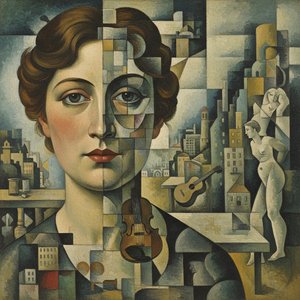
Deconstructing Reality: Cubism's Revolutionary Impact on 20th-Century Art
Explore the revolutionary world of Cubism with ArtsDot. Discover Picasso & Braque's groundbreaking techniques, its philosophical roots, and lasting impact on modern art. Expert insights for collectors.