

 プレビュー
プレビュー
 シェアする
シェアする シェアする
シェアする
 詳細を見る
詳細を見る

 ダウンロード
 似ている作品
 X線調査
X線調査 スライドショー
 統計情報
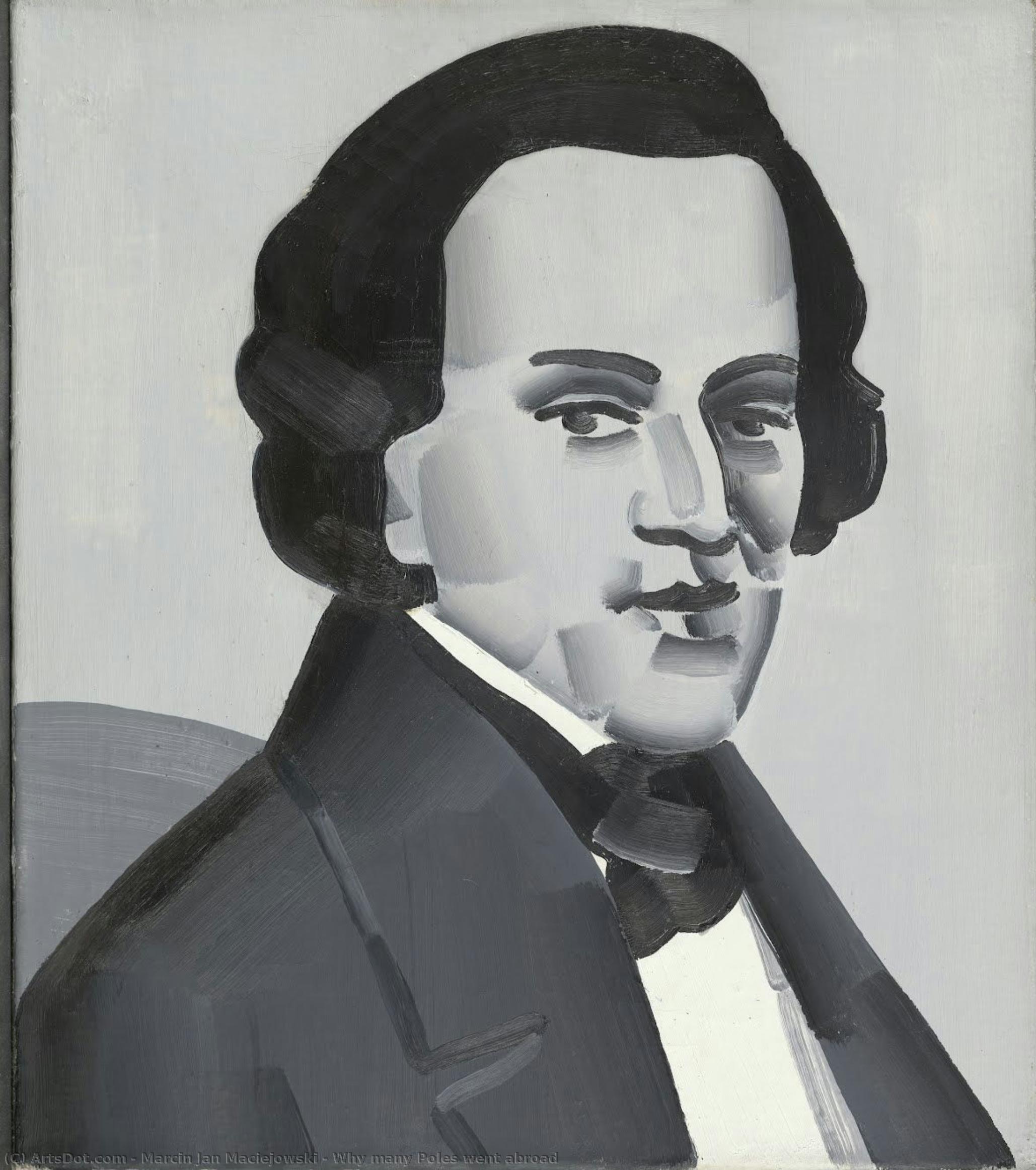
統計情報Why many Poles went abroad


 詳細を見る
詳細を見る
手描き油彩複製画
当社のアーティストが、お客様のご希望のサイズと額縁に合わせて、キャンバスに手描きで制作する油彩画です。 ( プリント版に切り替え デジタル画像販売へ切り替え)




































作品のオリジナル比率に合わせた、当店の規定サイズからお選びください。

特定のフレームやスペースに合わせて、ご希望のサイズをご入力いただけます。選択されたサイズが元の画像の比率と異なる場合、アートワークをトリミングするか、手描きで要素を追加して絵画を拡張いたします。デジタルモックアップ を制作し、制作開始前にご確認(承認)をいただきます。
画面上のプレビューは、実際のトリミングや拡張を正確に反映しているものではありません。最終的な構図は、モックアップによってのみ正確にご確認いただけます。
カスタムサイズもご利用いただけますが、元の比率を維持するためには、あらかじめ用意されたリストからサイズを選択することをお勧めいたします。
ご注文後、ArtsDot.com チームより詳細な指示をお送りするとともに、仕上がりイメージ(モックアップ)をご提供いたします。


 ガラスオプションは、110cm未満のサイズでのみご利用いただけます。

Why many Poles went abroad
複製技法
複製画のサイズ
-


合計金額
$ 263
関連作品
アーティストの略歴
Marcin Jan Maciejowski: A Chronicle of the Everyday
Born in Babice, Poland, in 1974, Marcin Jan Maciejowski’s artistic journey is a fascinating exploration of the commonplace—a deliberate rebellion against the grand narratives often associated with art. Initially hesitant to embrace the label “painter,” he began his career drawing inspiration not from lofty ideals or historical events, but from the seemingly unremarkable snapshots of daily life: advertisements, television commercials, and snippets gleaned from newspapers. This unconventional starting point has shaped a distinctive artistic voice characterized by wry humor, poignant observation, and a subtle critique of contemporary culture.
Maciejowski’s early influences are surprisingly diverse. He studied architecture at the Kraków University of Technology before shifting his focus to graphic design at the Academy of Fine Arts in Kraków, a move that proved pivotal to his artistic development. This background instilled in him a keen eye for composition, detail, and visual communication—skills he now expertly employs to transform fleeting images into enduring works of art. Notably, he was part of the Grupa Ładnie (Pretty Group) alongside fellow artists Wilhelm Sasnal and Rafał Bujnowski, a collective known for its playful approach to painting and its rejection of traditional academic styles. This formative experience fostered a spirit of experimentation and a willingness to challenge established artistic conventions.
The Language of Found Images
At the heart of Maciejowski’s practice lies his fascination with “found images”—those ubiquitous visuals that saturate our daily lives through advertising, television, and print media. He doesn't simply reproduce these images; rather, he meticulously analyzes them, extracting their essence and translating them into a unique painterly language. His process begins with collecting these fragments—photographs torn from newspapers or captured on film—which he then carefully arranges in notebooks, creating visual collages that serve as the foundation for his paintings.
Crucially, Maciejowski doesn’t aim to replicate the original images verbatim. Instead, he subtly alters them – removing extraneous details, manipulating colors, and adjusting compositions – effectively stripping away the promotional gloss and revealing a deeper layer of meaning. He often incorporates text into his work, frequently creating captions or quotations that further amplify the underlying themes. These inscriptions aren’t merely decorative; they serve as critical commentary, prompting viewers to question the messages conveyed by the original images and consider their role in shaping our perceptions.
A Flemish Influence & Contemporary Relevance
Despite his rejection of academic painting traditions, Maciejowski's work reveals a deep appreciation for Old Master techniques, particularly those of the Flemish Primitives. His meticulous attention to detail, use of muted colors, and emphasis on precise rendering evoke a sense of familiarity and timelessness. However, he doesn’t simply mimic these styles; instead, he adapts them to his own unique vision, creating paintings that are both historically informed and strikingly contemporary.
Maciejowski's subject matter—ordinary people in everyday situations—resonates powerfully with the concerns of the 21st century. His work offers a subtle but persistent critique of consumer culture, mass media, and the pervasive influence of advertising on our lives. By elevating these seemingly trivial subjects to the level of fine art, he forces us to confront the ways in which we are constantly bombarded by images and messages that shape our desires and beliefs.
Recognition & Legacy
Marcin Maciejowski’s work has garnered significant recognition both within Poland and internationally. He has exhibited his paintings in prestigious galleries across Europe, including Galerie Meyer Kainer in Vienna and the National Museum in Kraków. He was awarded Polityka's Paszport an award for visual arts in 2002, a testament to his innovative approach and critical perspective. His work is now represented in prominent public collections, reflecting its enduring appeal and artistic merit.
More than just a painter of advertisements, Marcin Jan Maciejowski has created a unique and compelling body of work that offers a poignant reflection on the complexities of contemporary life. His ability to find beauty and meaning in the mundane—to transform fleeting images into lasting works of art—solidifies his position as one of Poland’s most important and distinctive artists of our time.

marcin jan maciejowski
1974 - , Poland
基本情報
- Artistic Movement Or Style: Contemporary painting
- Artists Or Movements Influenced By This Artist:
- Advertising art
- Newspapers
- Artists Who Influenced This Artist:
- Flemish Primitive
- Wilhelm Sasnal
- Date Of Birth: 1974
- Full Name: Marcin Jan Maciejowski
- Nationality: Polish
- Notable Artworks:
- Why many Poles went abroad
- I live here and I feel good in here
- Place Of Birth: Babice, Poland
関連記事
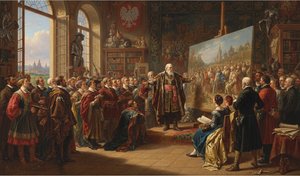
Jan Matejko: Historical Narrative & National Identity in 19th-Century Polish Painting
Explore the powerful historical paintings of Jan Matejko, Poland's national artist. Discover his iconic works & learn how he shaped Polish identity in the 19th century. High-quality reproductions available.

Dark Masterpieces: 10 Iconic Paintings Dominated by Black Tones |
Explore 10 iconic paintings dominated by black tones, from Rembrandt’s chiaroscuro to Goya's dark expressions. Discover the stories behind these masterpieces & find museum-quality art reproductions for your home at .
Mars Black Masterpieces: 10 Iconic Paintings & Timeless Art Decor Ideas
Delve into the power of 'Mars Black' with 10 iconic paintings by masters like Rembrandt & Caravaggio. Explore dramatic chiaroscuro, gothic art, and timeless beauty. Find museum-quality reproductions & elevate your home decor on .
Stanisław Wyspiański: Symbolism, National Identity & the Polish Secession
Explore the life & work of Stanisław Wyspiański, a pivotal figure in Polish Symbolism and the Young Poland movement. Discover his iconic paintings, dramas, and stained glass designs reflecting national identity & artistic innovation.
19th Century Masterpieces: 10 Paintings That Defined an Era | ArtsDot
Journey through 19th century art with ArtsDot! Explore 10 iconic paintings – from Monet & Renoir to Courbet – and discover the stories behind Romanticism, Realism & Impressionism. Find museum-quality reproductions for your home decor. Explore the full collection online!