

 プレビュー
プレビュー
 プリントを購入
 シェアする
シェアする シェアする
シェアする
 詳細を見る
詳細を見る

 ダウンロード
 似ている作品
 X線調査
X線調査 スライドショー
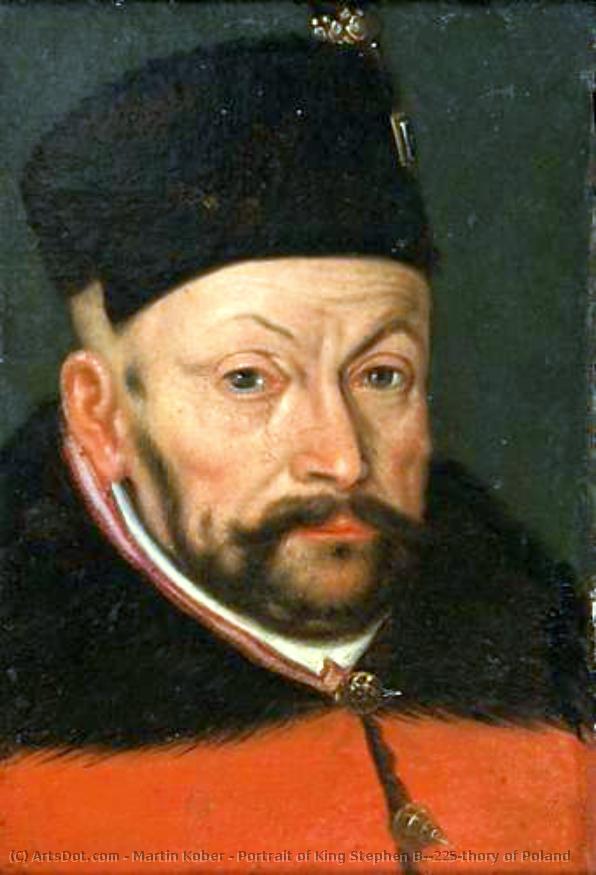
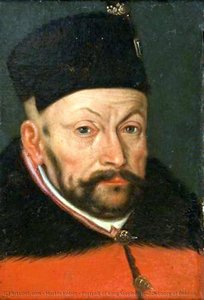
Portrait of King Stephen Báthory of Poland


 詳細を見る
詳細を見る
オンラインプレビューをはるかに凌ぐ、高解像度で鮮明なデジタル画像をご購入いただけます。
各ファイルは、社内の専門家が高度なツールと熟練した手作業によるレタッチを用いて、細心の注意を払って準備されています。すべての画像において、卓越した鮮明度、正確な色彩再現性、そして繊細なディテールを保証いたします。
最終ファイルは、プロフェッショナルな編集・印刷環境ですぐにご利用いただけるよう最適化された状態で、72時間以内にメールにてお届けいたします。これは、一流のデザインスタジオ、出版社、ギャラリーから信頼されているものと同等の品質です。
デジタル画像のご注文に付随する特典
高品質なデジタル画像配信を、確かな品質で。
ArtsDot.com を選ぶことは、単に画像を手に入れることではありません。それは、プロの手によって精密に仕上げられ、満足保証が付いた高品質なデジタルアートワークを受け取ることを意味します。ご注文いただいた際に自動的に付随する内容は、以下の通りです:

メールですぐにお届け
ご注文から72時間以内に、高解像度のデジタル画像ファイルがメールでお手元に届きます。すぐにそのままご利用いただけます。

AI技術で最適化されたデジタルファイル
お客様の作品は、高度なAIツールと専門家による手作業の編集を組み合わせてプロフェッショナルに最適化されており、細部のディテール、鮮明さ、そして正確な色再現性を最大限に引き出しています。

一生涯無料の再送サービス
ファイルを誤って削除したり、紛失してしまったりしましたか?ご安心ください。いつでも無料で再送いたします。

輸入手数料は一切かかりません
関税や手数料、配送料を気にすることなく、お気に入りのアートワークをすぐにお楽しみいただけます。デジタルダウンロードは常に免税です。

色彩再現の保証
プロ仕様のツールとカラーマネジメント技術を用いることで、デジタル画像が元の色を最大限に忠実に再現することを保証いたします。

60日間満足保証
ご購入いただいたデジタル画像にご満足いただけない場合は、60日以内であれば、修正または100%の返金(理由を問う必要はありません)をさせていただきます。

100% 返金保証
ご満足いただけない場合は、デジタルファイルを受け取ってから60日以内であれば、理由を問わず全額返金いたします。

まとめ買い割引
3枚購入で10%OFF - 5枚購入で15%OFF - 10枚以上購入で20%OFF。クリエイティブなプロジェクト、ギャラリー、エージェンシーに最適です。
The Regal Presence of Stephen Báthory: A Renaissance Masterpiece by Marcin Kober
Marcin Kober’s “Portrait of King Stephen Báthory of Poland,” painted in 1583, is more than just a royal likeness; it's a meticulously crafted window into the heart of late Renaissance Europe and the burgeoning power of the Polish-Lithuanian Commonwealth. This arresting portrait, now housed within the Congregation of Missions Convent’s Historical-Missionary Museum in Kraków, captures not merely the physical appearance of Stephen Báthory but also his commanding presence, projecting an aura of authority and strategic intellect that defined his reign.
Kober, a pivotal figure in Polish art history, stands as arguably the first artist to systematically document the portraits of central European monarchs. Trained initially within the vibrant artistic community of Prague – influenced by the sophisticated Spanish court traditions – he brought this meticulous realism and decorative sensibility to Poland, establishing a new standard for royal iconography. The painting’s genesis lies in a period of significant political maneuvering; Báthory's election as king followed a complex succession struggle, highlighting the importance of visual representation in solidifying his legitimacy.
A Symphony of Warmth: Color and Composition
The portrait immediately draws the eye with its rich, layered palette dominated by deep reds, earthy browns, and subtle variations of gold. Kober masterfully employs these warm tones to create a sense of gravitas and power, mirroring the king’s status. The crimson garment, meticulously rendered with visible brushstrokes that suggest luxurious velvet, commands attention while contrasting sharply with the dark hues of his hat and fur collar – elements that subtly emphasize his regal bearing. The careful placement of the King's head within the frame, slightly turned to the right, establishes a direct engagement with the viewer, inviting contemplation and conveying an undeniable sense of command.
Compositionally, the portrait adheres to the traditional conventions of royal portraits from the period, yet Kober infuses it with a dynamism rarely seen in earlier depictions. The King’s gaze is intense and unwavering, projecting both wisdom and resolve. The subtle tilt of his head adds a touch of formality while simultaneously suggesting an active mind at work. The dark background serves to isolate the subject, further amplifying his importance and drawing attention to every detail of his attire and expression.
Crafting Reality: Technique and Materials
Kober’s technical skill is evident in every brushstroke. He utilizes a layered approach, building up color gradually through multiple applications of oil paint on canvas or panel – a technique that allows for remarkable depth and luminosity. The artist skillfully employs chiaroscuro—the dramatic contrast between light and shadow—to sculpt the King's face, highlighting his features and creating a sense of three-dimensionality. The texture of the fur collar is rendered with meticulous detail, suggesting its plushness and richness through carefully observed brushwork.
Notably, Kober’s technique isn’t one of smooth, idealized representation; rather, it embraces visible brushstrokes, lending a sense of immediacy and authenticity to the portrait. This deliberate choice reflects the Renaissance emphasis on naturalism and the artist's role as a craftsman—a testament to his dedication to capturing the essence of his subject.
Symbolic Weight: Authority and Legacy
Beyond its technical brilliance, “Portrait of King Stephen Báthory” is laden with symbolic meaning. The king’s attire – particularly the crimson garment – signifies his royal status and power. His direct gaze conveys authority and a sense of unwavering resolve, reflecting his role as a strong leader during a turbulent period in Polish history. The portrait served not only to commemorate a ruler but also to reinforce his legitimacy and project an image of strength and stability—crucial elements for any monarch seeking to maintain control.
Furthermore, the painting’s creation coincided with Báthory's significant military achievements, most notably his successful campaign against Russia in Livonia. This victory cemented his legacy as a skilled strategist and warrior, further enhancing the portrait’s symbolic value. It stands as a powerful testament to a king who skillfully navigated complex political landscapes and left an indelible mark on Polish history.
A Timeless Masterpiece: Reproduction Possibilities
Today, “Portrait of King Stephen Báthory” remains a captivating work of art, offering a glimpse into the world of Renaissance Poland. High-quality reproductions capture the painting’s rich colors and intricate details, allowing viewers to appreciate Kober's masterful technique and the portrait’s enduring symbolic power. Whether adorning a grand salon or a private study, this iconic image continues to evoke a sense of regal authority and timeless beauty.
関連作品


作家の略歴
The Architect of Royal Identity: The Life and Legacy of Marcin Kober
In the grand, sweeping tapestry of Central European history, few artists have played as vital a role in weaving the visual identity of monarchs as Marcin Kober. Born around 1550 in the vibrant city of Wrocław, Poland, Kober was far more than a mere chronicler of faces; he was a pioneer who transformed the way power was perceived and recorded. His journey began not in the courts of kings, but through the rigorous discipline of the guild system. As a young journeyman, he traveled through Germany, absorbing the diverse techniques and stylistic nuances of various workshops. This period of wandering was essential, providing him with a cosmopolitan artistic vocabulary that would later allow him to bridge the gap between the local traditions of the Polish-Lithuanian Commonwealth and the sophisticated, Spanish-influenced aesthetics of the Habsburg courts.
The true metamorphosis of Kober’s career occurred when his path intersected with the highest echelons of European royalty. By 1583, he had arrived in the Polish-Lithuanian Commonwealth, quickly ascending to the position of court painter for King Stephen Báthory and Queen Anna Jagiellon. It was during this era that Kober began to develop what would become known as the "Báthory School." His work during this period was characterized by a profound sense of Renaissance realism, where the physical likeness of the subject was married to a symbolic grandeur. He did not simply paint skin and fabric; he painted authority, legitimacy, and the divine right of kings. His ability to capture the commanding presence of Báthory established a visual language for Polish royalty that would endure for well over a century.
A Master of Courtly Elegance and Symbolism
Kober’s artistic evolution was deeply shaped by his time in Prague, a city that served as a melting pot of international styles under the reign of Emperor Rudolf II. In the vibrant atmosphere of the Imperial court, Kober encountered the subtle, decorative elegance of Spanish portraiture, which favored a meticulous attention to detail and a refined use of color. This influence is palpable in his later works, where the heavy, regal textures of velvet and lace are rendered with such precision that they seem almost tactile. His portraits became masterclasses in psychological depth; he possessed a rare ability to present a sovereign as both an untouchable icon of state and a human being possessing quiet strength and introspective grace.
The breadth of his technical mastery is perhaps best seen in the diversity of his formats. While his large-scale royal portraits commanded the halls of palaces, Kober also excelled in the intimate medium of miniatures. His Miniature of Queen Anna Habsburg serves as a breathtaking example of how he could condense an entire aura of majesty into a small, oval frame. In these smaller works, every brushstroke carries weight, using light and shadow to create a sense of three-dimensional life that transcends the physical limitations of the medium. His work was never merely decorative; it was a carefully constructed instrument of diplomacy and propaganda, designed to project an image of stability and continuity during turbulent political eras.
Historical Significance and the Polish Portrait Tradition
The historical importance of Marcin Kober cannot be overstated. Before his emergence, portraiture in Poland had not yet established itself as a dominant or specialized branch of fine art. Kober changed this trajectory forever, acting as the precursor to the Polish Sarmatian portrait genre. By integrating the sophisticated humanist ideals of the Renaissance with the specific cultural identity of the Polish nobility, he provided the foundation upon which future generations of Polish artists would build. His influence can be traced through the decades, as the iconography he established for the Vasa dynasty became the standard for how the Commonwealth viewed its own leadership.
Even as his career took him across borders—from the workshops of Germany to the Imperial splendor of Prague and back to the royal centers of Kraków and Warsaw—his core mission remained the same: the documentation of a changing world through the lens of royal dignity. Today, his works reside in prestigious museums across Europe, serving as silent witnesses to the grandeur of a bygone era. To study Kober is to study the very birth of a national artistic identity, making him one of the most significant figures in the history of Central European portraiture.
marcin kober
Poland
プロフィール概要
- Artistic Movement Or Style: Renaissance
- Artists Or Movements Influenced By This Artist: ['Polish Sarmatian Portrait']
- Artists Who Influenced This Artist: ['Spanish Portraiture']
- Date Of Birth: ca. 1550
- Date Of Death: before 1598
- Full Name: Marcin Kober
- Nationality: Polish
- Notable Artworks:
- Portrait of Stephen Báthory
- Portrait of Queen Anne of Austria
- Portrait of King Stephen Bathory
- Place Of Birth: Wrocław, Poland

