 プレビュー
プレビュー
 シェアする
シェアする シェアする
シェアする
 詳細を見る
詳細を見る

 ダウンロード
 似ている作品
 X線調査
X線調査 スライドショー
 統計情報
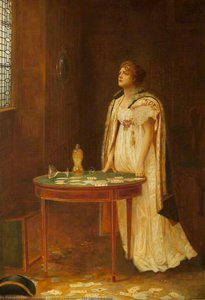
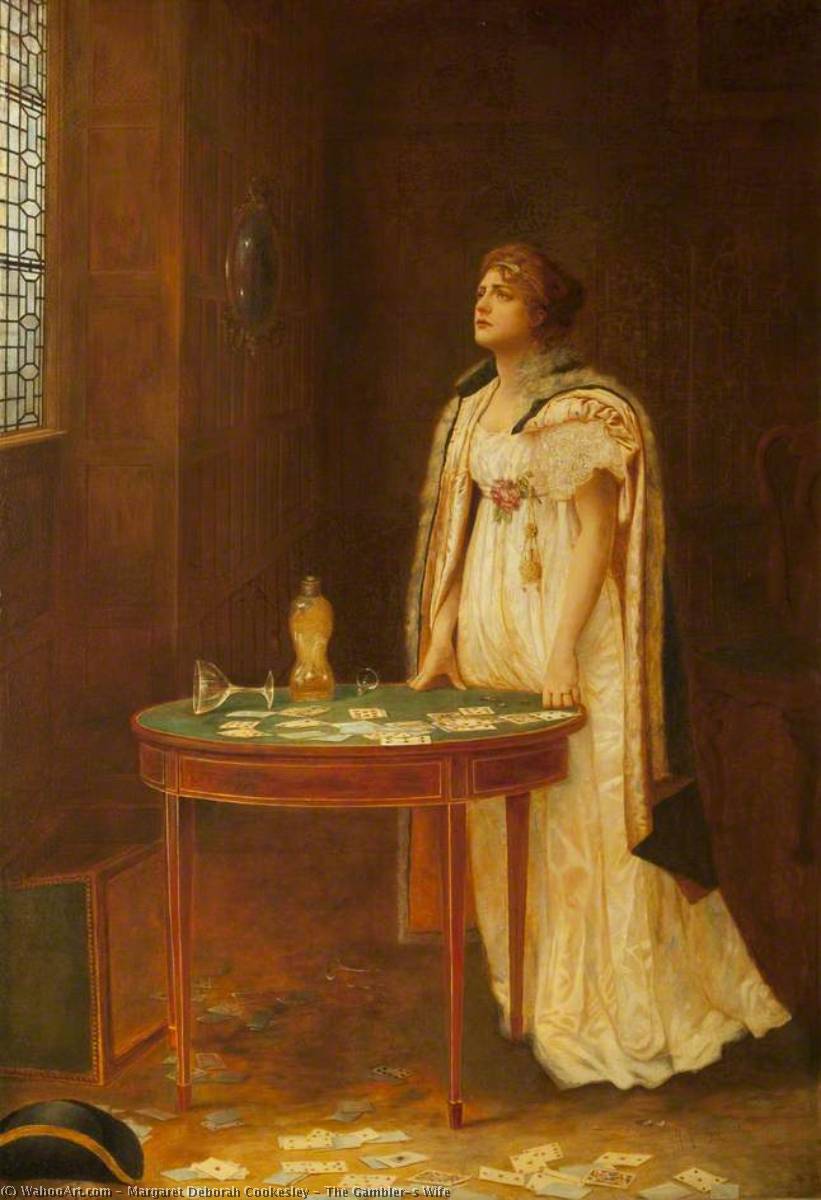
統計情報The Gambler's Wife
 1897
1897 150.0 x 105.0 cm
 Towneley Hall Art Gallery - Museum
Explore the captivating paintings of Margaret Deborah Cookesley, renowned for her evocative Oriental scenes & historical portraits (Cleopatra, Gambler's Wife). Discover timeless artistry!
 詳細を見る
詳細を見る
手描き油彩複製画
当社のアーティストが、お客様のご希望のサイズと額縁に合わせて、キャンバスに手描きで制作する油彩画です。 ( プリント版に切り替え デジタル画像販売へ切り替え)




































標準サイズ
オーダーメイド
CM
INCH
作品のオリジナル比率に合わせた、当店の規定サイズからお選びください。
Loading sizes...

幅
高さ
特定のフレームやスペースに合わせて、ご希望のサイズをご入力いただけます。選択されたサイズが元の画像の比率と異なる場合、アートワークをトリミングするか、手描きで要素を追加して絵画を拡張いたします。デジタルモックアップ を制作し、制作開始前にご確認(承認)をいただきます。
画面上のプレビューは、実際のトリミングや拡張を正確に反映しているものではありません。最終的な構図は、モックアップによってのみ正確にご確認いただけます。
カスタムサイズもご利用いただけますが、元の比率を維持するためには、あらかじめ用意されたリストからサイズを選択することをお勧めいたします。
カスタマイズの例:顔をお客様の写真に置き換える、ペットを追加する(例:猫を犬に変更)、背景に隠れたメッセージを入れる、背景の風景や要素を変更するなど。
ご注文後、ArtsDot.com チームより詳細な指示をお送りするとともに、仕上がりイメージ(モックアップ)をご提供いたします。
ご注文後、ArtsDot.com チームより詳細な指示をお送りするとともに、仕上がりイメージ(モックアップ)をご提供いたします。


 ガラスオプションは、110cm未満のサイズでのみご利用いただけます。

The Gambler's Wife
複製技法
複製画のサイズ
-


合計金額
$ 263
関連作品




アーティストの略歴
A Glimpse into Eastern Worlds: The Art of Margaret Deborah Cookesley
Margaret Deborah Cookesley occupies a fascinating, yet often overlooked, space within the landscape of 19th-century Victorian art. While biographical details remain scarce – a common fate for many women artists of her time – her canvases speak volumes, transporting viewers to richly imagined scenes of the Middle East and offering compelling historical portraits. Cookesley’s work isn't simply *about* these subjects; it embodies a particular fascination with narrative, atmosphere, and the complexities of cross-cultural representation prevalent during an era of increasing British engagement with the Orient. Her paintings are not mere documentation but rather evocative interpretations, steeped in romanticism and informed by contemporary literature and popular perceptions. She carved a niche for herself depicting intimate moments within harems, bustling marketplaces, and scenes of everyday life, often imbued with a sense of mystery and allure.Early Life and Artistic Development
The details surrounding Cookesley’s formal training are largely unknown. However, the technical skill evident in her paintings suggests a solid foundation in academic techniques. She appears to have been self-taught or received instruction from private tutors – opportunities available to women of means during the Victorian period but rarely leading to public recognition within established art institutions. Her early works demonstrate a proficiency in portraiture, which later evolved into larger, more complex compositions featuring Orientalist themes. It’s plausible that Cookesley's interest in the East was sparked by the proliferation of travel literature and exhibitions showcasing artifacts from Egypt, Turkey, and other regions. The British Empire’s expanding reach brought these cultures increasingly into public consciousness, fueling a widespread fascination – and often, romanticized notions – about life beyond its borders. Her paintings don’t suggest direct travel to the Middle East; instead, they reveal a meticulous study of available imagery, combined with a powerful imaginative capacity.Themes and Style: Orientalism and Narrative
Cookesley's oeuvre is dominated by scenes set in the Ottoman Empire and North Africa. She masterfully captures the play of light and shadow within interior spaces – particularly harems – creating an atmosphere of both intimacy and veiled secrecy. Her depictions of women are often central, portraying them not as passive objects but as individuals with agency and inner lives, even if framed within the conventions of Orientalist representation. “Cleopatra” is perhaps one of her most recognizable works, presenting a regal yet vulnerable queen, far removed from the grand historical narratives typically associated with the Egyptian ruler. Similarly, “The Gambler’s Wife” offers a poignant glimpse into the emotional turmoil of a woman caught in a precarious situation, hinting at stories beyond what is immediately visible on the canvas.- Detailed Interiors: Cookesley's meticulous attention to detail in depicting fabrics, furnishings, and architectural elements creates immersive environments.
- Emotional Depth: Her portraits are not merely likenesses but convey a sense of inner life and psychological complexity.
- Narrative Focus: Each painting suggests a larger story, inviting viewers to speculate about the lives and experiences of her subjects.