

 プレビュー
プレビュー
 シェアする
シェアする シェアする
シェアする
 詳細を見る
詳細を見る

 ダウンロード
 似ている作品
 X線調査
X線調査 スライドショー
 Stats
StatsNow Phoenix

 詳細を見る
詳細を見る
手描き油彩複製画
当社のアーティストが、お客様のご希望のサイズと額縁に合わせて、キャンバスに手描きで制作する油彩画です。 ( Switch to Print Switch to Digital Image)




































作品のオリジナル比率に合わせた、当店の規定サイズからお選びください。

特定のフレームやスペースに合わせて、ご希望のサイズをご入力いただけます。選択されたサイズが元の画像の比率と異なる場合、アートワークをトリミングするか、手描きで要素を追加して絵画を拡張いたします。デジタルモックアップ を制作し、制作開始前にご確認(承認)をいただきます。
画面上のプレビューは、実際のトリミングや拡張を正確に反映しているものではありません。最終的な構図は、モックアップによってのみ正確にご確認いただけます。
カスタムサイズもご利用いただけますが、元の比率を維持するためには、あらかじめ用意されたリストからサイズを選択することをお勧めいたします。
ご注文後、ArtsDot.com チームより詳細な指示をお送りするとともに、仕上がりイメージ(モックアップ)をご提供いたします。


 ガラスオプションは、110cm未満のサイズでのみご利用いただけます。

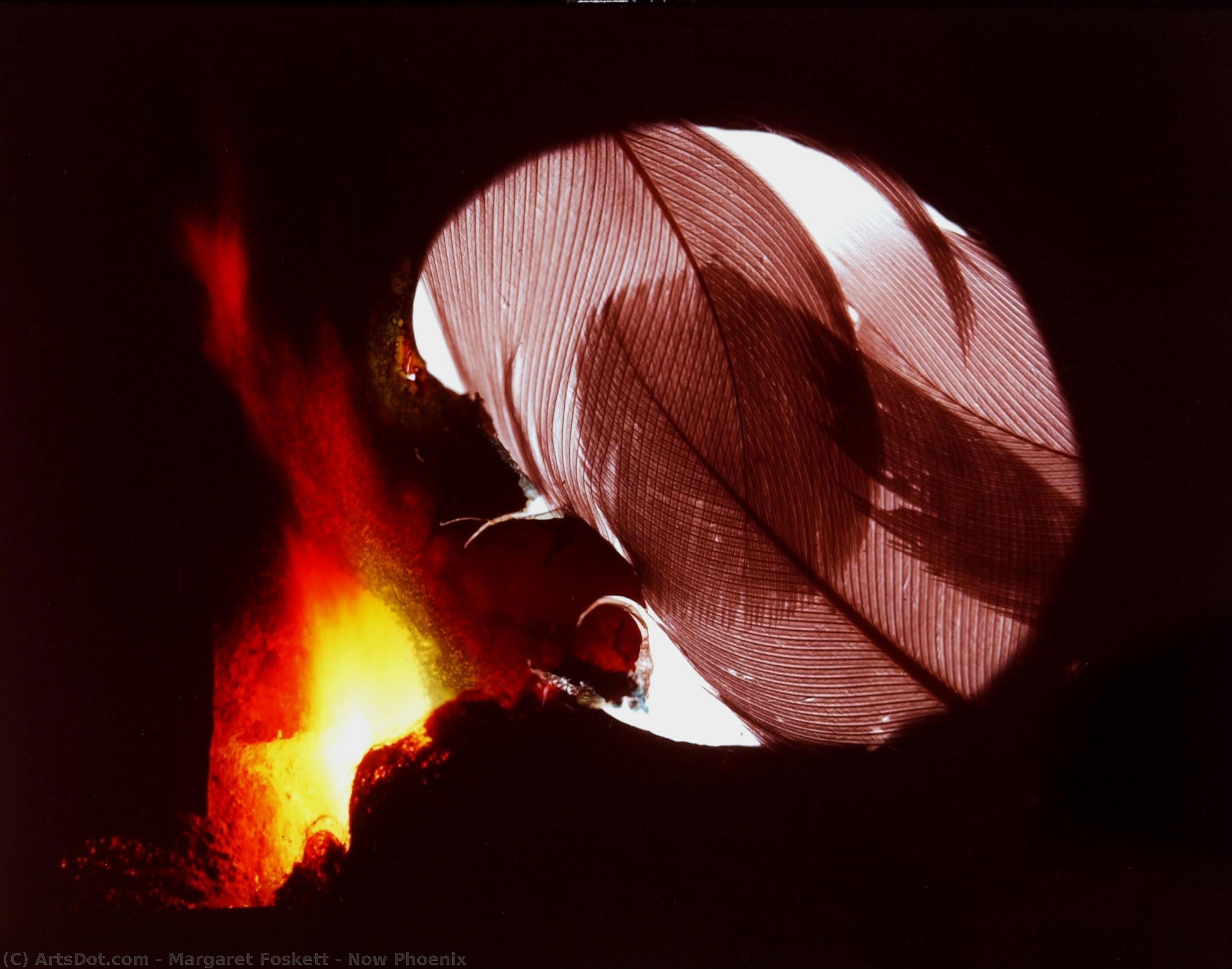
Now Phoenix
複製技法
複製画のサイズ
-


合計金額
$ 263
関連作品





アーティストの略歴
Arthur Hughes (1832–1915): A Pre-Raphaelite Visionary
Arthur Hughes, born in London in 1832 and passing away in Kew in 1915, stands as a quietly significant figure within the landscape of Victorian art. While he never achieved the widespread fame of his Pre-Raphaelite contemporaries like Rossetti or Millais, Hughes cultivated a deeply personal and evocative style that deserves greater recognition for its unique blend of Romanticism, Symbolism, and a profound engagement with literature and mythology. His life was one of constant evolution, marked by periods of intense artistic exploration and a dedication to illustration that ultimately defined much of his output. Hughes’s early education at Archbishop Tenison's Grammar School provided a solid foundation, but it was his time at the School of Design, Somerset House, studying under Alfred Stevens, that truly ignited his artistic passion. It was here he began to develop his skills in watercolour and drawing, absorbing the academic traditions while simultaneously seeking inspiration beyond them. A pivotal moment arrived in 1847 when he won an art studentship at the Royal Academy Schools, a gateway to the vibrant artistic circles of London. His debut exhibition in 1848 with *Musidora*, a melancholic portrait, signaled his arrival on the scene and hinted at the emotional depth that would characterize much of his work. Hughes’s connection to the Pre-Raphaelite Brotherhood began not through formal membership but through a shared aesthetic sensibility. He encountered the group's ideals – a reverence for nature, a rejection of academic artifice, and an interest in medieval and Renaissance sources – through reading *The Germ*, the Pre-Raphaelite magazine. This encounter profoundly shaped his artistic trajectory, leading him to embrace a more lyrical and symbolic approach to painting. He met key figures like William Holman Hunt, Dante Gabriel Rossetti, and Ford Madox Brown, absorbing their ideas and techniques while forging his own distinctive voice. His 1852 exhibition of *Ophelia*, inspired by Tennyson’s poem, marked a significant step towards fully realizing this Pre-Raphaelite influence, showcasing his ability to capture both the beauty and tragedy inherent in literary themes. The subsequent works like *April Love* (1855-6) and *The Long Engagement* (c. 1854-9), often depicting scenes from Arthurian legend or Shakespearean plays, further solidified his reputation within the movement.Illustrator and the Shaping of Style
While Hughes is primarily remembered for his paintings, a significant portion of his artistic career was dedicated to illustration. Beginning in 1855, he secured commissions from prominent publishers like Thomas Hughes, George Macdonald, and Christina Rossetti, illustrating their works – including *The Parent’s Magazine* and *The Queen*. This work demanded a meticulous attention to detail and a mastery of watercolour techniques, skills that undoubtedly informed his painting style. His illustrations were characterized by a delicate beauty, often infused with a dreamlike quality and a subtle use of symbolism. The influence of Japanese woodblock prints was also evident in his illustrative work, particularly in the way he employed flattened perspectives and vibrant colours.A Shift Towards Symbolism and Personal Vision
As the 1860s progressed, Hughes’s artistic style underwent a subtle but significant transformation. He began to move away from the overtly romanticized depictions of the Pre-Raphaelite Brotherhood, embracing a more introspective and symbolic approach. His paintings became less focused on narrative scenes and more concerned with exploring inner states of emotion and memory. This shift is particularly evident in works like *The Garden of Love* (1867), which utilizes a muted palette and ambiguous imagery to evoke a sense of melancholy and longing. His move to the countryside, culminating in his relocation to Kew in 1858, provided him with a new source of inspiration, drawing upon the natural beauty of Surrey for his subject matter.Later Years and Legacy
Hughes continued to paint and illustrate throughout his life, exhibiting at the Royal Academy in 1908 – his final public exhibition – and producing a substantial body of work that reveals a remarkable consistency of vision. His later paintings often featured portraits of family members and landscapes imbued with a quiet dignity and a sense of timelessness. Following his death in 1915, his estate was sold at auction, highlighting the significance of his artistic output. Retrospective exhibitions were held in 1900, 1904, 1916, and 1971, ensuring that his work would be recognized by a wider audience. Today, Arthur Hughes’s paintings are housed in major museums across Britain, including the Tate Gallery (London), Birmingham Museum & Art Gallery, and Manchester City Art Gallery, testament to the enduring power of his Pre-Raphaelite vision. His legacy lies not only in his beautiful artwork but also in his dedication to exploring the depths of human emotion through a uniquely personal and evocative style.Further Resources
- Tate Gallery: Arthur Hughes 1832–1915: https://www.tate.org.uk/art/artists/arthur-hughes-283
- Artfacts: Top Artists and Art Events in 1915: https://artfacts.net/year/1915

margaret foskett
1915 - 2016 , United Kingdom
基本情報
- Artistic Movement Or Style: Cubism, Fauvism, Surrealism
- Artists Or Movements Influenced By This Artist:
- Russian Avant-Garde
- Cubism
- Surrealism
- Artists Who Influenced This Artist:
- John Ruskin
- Walter Crane
- William James Linton
- Date Of Birth: July 7, 1887
- Date Of Death: March 14, 1915
- Full Name: Marc Chagall
- Nationality: Russian/French
- Notable Artworks:
- I and the Village
- The Fiddler
- Maternity
- Circus Polka
- Place Of Birth: Vitebsk (Belarus)