

 プレビュー
プレビュー
 プリントを購入
 シェアする
シェアする シェアする
シェアする
 詳細を見る
詳細を見る

 ダウンロード
 似ている作品
 X線調査
X線調査 スライドショー
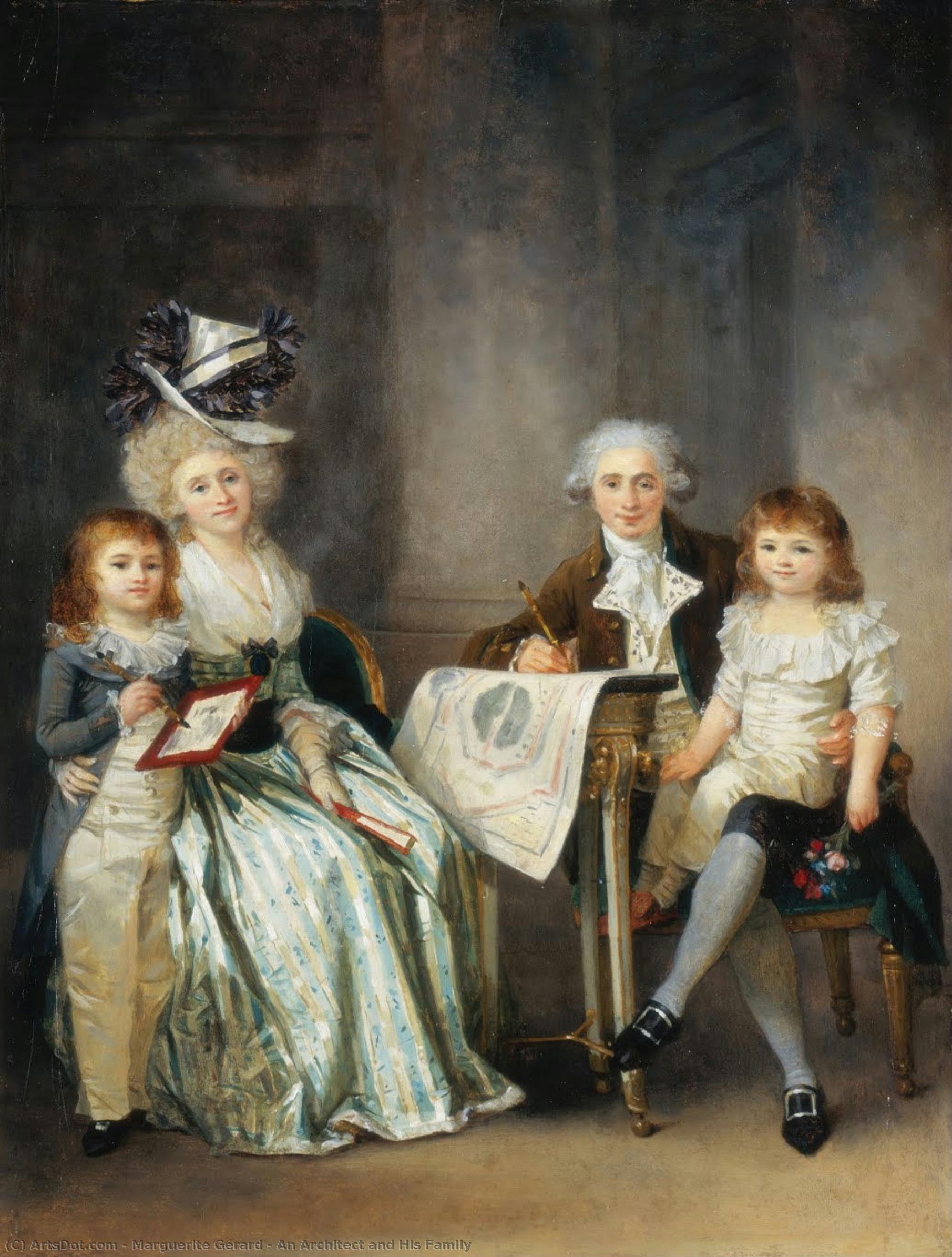
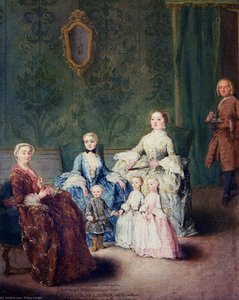
An Architect and His Family

 詳細を見る
詳細を見る




































作品のオリジナル比率に合わせた、当店の規定サイズからお選びください。

特定のフレームやスペースに合わせて、ご希望のサイズをご入力いただけます。選択されたサイズが元の画像の比率と異なる場合、アートワークをトリミングするか、手描きで要素を追加して絵画を拡張いたします。デジタルモックアップ を制作し、制作開始前にご確認(承認)をいただきます。
画面上のプレビューは、実際のトリミングや拡張を正確に反映しているものではありません。最終的な構図は、モックアップによってのみ正確にご確認いただけます。
カスタムサイズもご利用いただけますが、元の比率を維持するためには、あらかじめ用意されたリストからサイズを選択することをお勧めいたします。
ご注文後、ArtsDot.com チームより詳細な指示をお送りするとともに、仕上がりイメージ(モックアップ)をご提供いたします。


 ガラスオプションは、110cm未満のサイズでのみご利用いただけます。

An Architect and His Family
複製技法
複製画のサイズ
-


合計金額
$ 263
関連作品





アーティストの略歴
A Life Dedicated to Art
Marguerite Gérard emerged as a remarkable figure in late 18th and early 19th-century France, a pioneering woman who carved out a successful career as a genre painter at a time when the art world was largely dominated by men. Born in the fragrant town of Grasse in 1761, her path to artistic recognition began not within the hallowed halls of an academy – access denied to most women of her era – but through family connections and the generous mentorship of her brother-in-law, the celebrated Rococo master Jean-Honoré Fragonard. At just eight years old, a move to Paris with her sister Marie-Anne, who was married to Fragonard, irrevocably altered the course of young Marguerite’s life. This relocation placed her at the heart of the Parisian art scene and provided an invaluable opportunity to learn from one of its leading lights.Formative Years and Artistic Collaboration
The atmosphere within the Fragonard household was undoubtedly stimulating, a crucible where artistic talent could flourish. Marguerite quickly became an unofficial apprentice, initially honing her skills by studying Fragonard’s drawings and creating etchings based on his work. This early period of collaboration culminated in 1778 with the production of nine etchings, a project now understood to be largely driven by Gérard herself. Historians believe she was the primary artist behind five of these works, with Fragonard likely offering guidance or producing duplicates for instructional purposes. This collaborative spirit wasn’t merely technical; it fostered a deep artistic kinship that would shape Gérard's style and subject matter. However, lacking formal academic training – specifically, access to life drawing – she consciously steered away from historical or mythological subjects, instead focusing on the intimate world of everyday life.A Distinctive Style: Domesticity and Dutch Influences
Gérard’s artistic development was uniquely informed by her circumstances. Unable to study the nude form, she turned towards genre scenes – depictions of domestic interiors, familial interactions, and moments of quiet contemplation. Her style reveals a clear debt to 17th-century Dutch masters like Gerard ter Borch and Gabriel Metsu, artists renowned for their meticulous attention to detail, subtle use of light, and finely blended brushstrokes. Unlike many female painters who sought legitimacy through references to classical antiquity, Gérard deliberately chose to portray scenes from earlier centuries, evoking a sense of nostalgia and intimacy. Recurring motifs in her work – domestic cats and dogs, musical instruments, books – underscore themes of motherhood, childhood, female companionship, and the simple pleasures of home life. Her paintings are not grand statements but rather quiet observations, imbued with warmth and psychological insight.Recognition and Legacy
Marguerite Gérard’s career spanned over fifty years, a testament to her dedication and talent. She exhibited regularly at the Paris Salon from 1799 to 1824, earning three medals for her artwork and gaining recognition among prominent patrons. Notably, Emperor Napoleon himself purchased *The Clemency of Napoleon* in 1808, a significant endorsement of her growing reputation. Her paintings were highly sought after by wealthy collectors, while engravings of her works broadened her audience considerably. Works like *Lady Reading in an Interior* (1795), with its neoclassical elegance and quiet intellectualism, and *Portrait of Maréchale Lannes, Duchesse de Montebello with Her Children* (1814) demonstrate her skill in both genre painting and portraiture. Perhaps one of the most touching examples of her style is *Sleep my child*, an oil painting portraying motherhood and music with neoclassical elegance. Gérard’s historical significance lies not only in her artistic achievements but also in breaking down barriers for women artists. She proved that success was possible outside the confines of the traditional academic system, paving the way for future generations to pursue their creative ambitions. Her influence extended even within her family; she mentored her nephew, Alexandre-Évariste Fragonard, nurturing his talent with the same care and dedication that had been shown to her. Marguerite Gérard’s legacy endures as a testament to the power of perseverance, artistic vision, and the enduring appeal of intimate scenes from everyday life.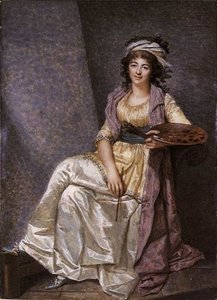
Marguerite Gérard
1761 - 1837 , France
基本情報
- Artistic Movement Or Style: Genre painting, Rococo
- Artists Or Movements Influenced By This Artist: ['Alexandre-Évariste Fragonard']
- Artists Who Influenced This Artist:
- Jean-Honoré Fragonard
- Gerard ter Borch
- Gabriel Metsu
- Date Of Birth: 1761
- Date Of Death: 1837
- Full Name: Marguerite Gérard
- Nationality: French
- Notable Artworks:
- Lady Reading in an Interior
- Portrait of Maréchale Lannes
- Sleep my child
- The Clemency of Napoleon
- Place Of Birth: Grasse, France

