

 プレビュー
プレビュー
 シェアする
シェアする シェアする
シェアする
 詳細を見る
詳細を見る

 ダウンロード
 似ている作品
 X線調査
X線調査 スライドショー
 Stats
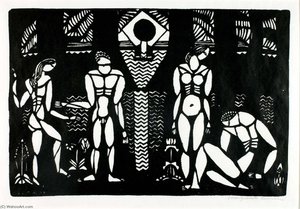
StatsThe Dance
 Expressionism
 1917
1917 27.0 x 20.0 cm
 詳細を見る
詳細を見る
手描き油彩複製画
当社のアーティストが、お客様のご希望のサイズと額縁に合わせて、キャンバスに手描きで制作する油彩画です。 ( Switch to Print Switch to Digital Image)




































作品のオリジナル比率に合わせた、当店の規定サイズからお選びください。

特定のフレームやスペースに合わせて、ご希望のサイズをご入力いただけます。選択されたサイズが元の画像の比率と異なる場合、アートワークをトリミングするか、手描きで要素を追加して絵画を拡張いたします。デジタルモックアップ を制作し、制作開始前にご確認(承認)をいただきます。
画面上のプレビューは、実際のトリミングや拡張を正確に反映しているものではありません。最終的な構図は、モックアップによってのみ正確にご確認いただけます。
カスタムサイズもご利用いただけますが、元の比率を維持するためには、あらかじめ用意されたリストからサイズを選択することをお勧めいたします。
ご注文後、ArtsDot.com チームより詳細な指示をお送りするとともに、仕上がりイメージ(モックアップ)をご提供いたします。


 ガラスオプションは、110cm未満のサイズでのみご利用いただけます。

The Dance
複製技法
複製画のサイズ
-


合計金額
$ 363
Artistic Style and Technique
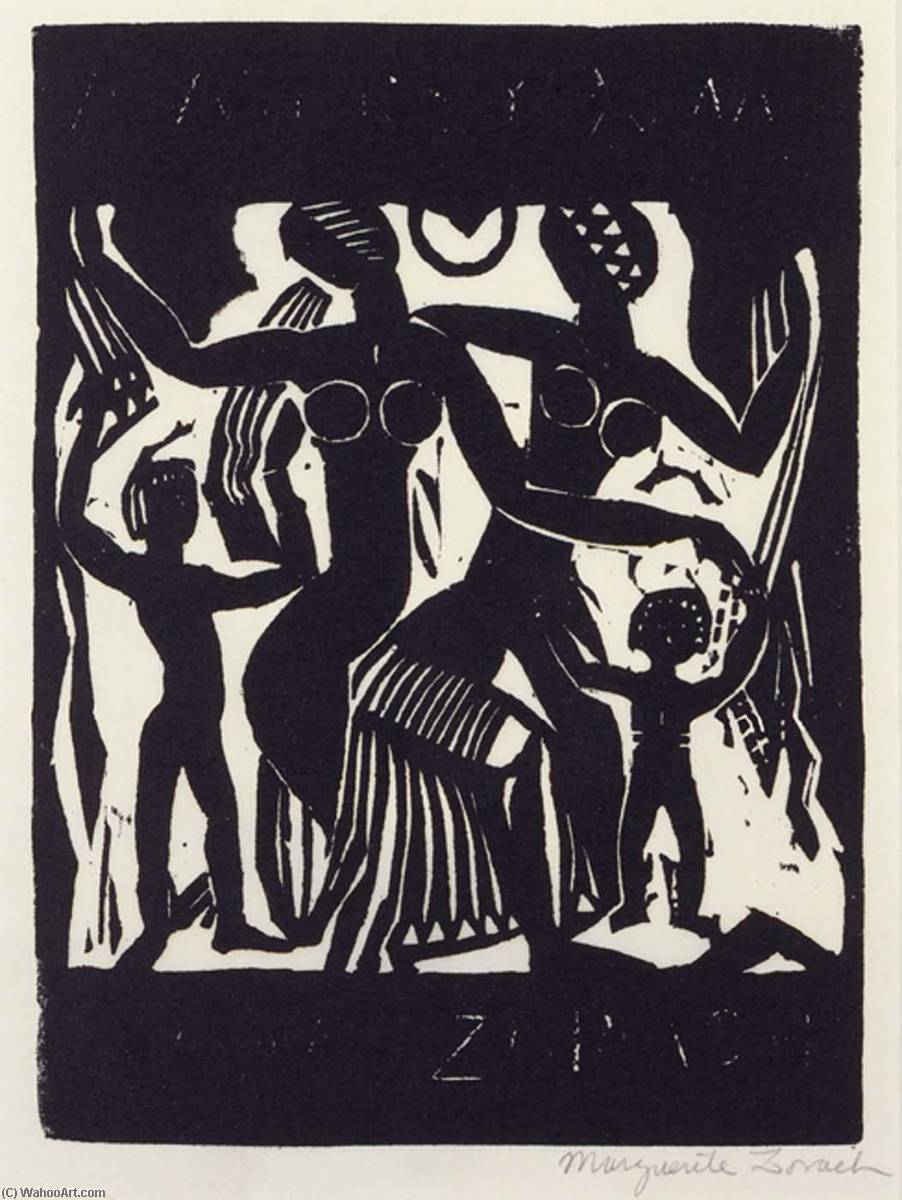
Marguerite Zorach's artistic style is characterized by bold lines, vibrant colors, and a sense of movement and energy. In The Dance, she uses these techniques to capture the dynamic movement of the dancers, conveying a sense of joy and freedom. The use of linoleum cut on paper adds a unique texture and depth to the painting, making it a truly remarkable piece of art. Key Features of the Painting:- The painting depicts a group of people dancing together, lost in the moment and fully expressing themselves.
- The dancers are positioned in various poses, with some standing closer to the front while others are further back.
- The use of bold lines and vibrant colors adds to the energy and dynamism of the painting.
Artist's Background and Inspiration
Marguerite Zorach was an American artist known for her modernist style and her ability to capture the essence of everyday life. Her inspiration for The Dance likely came from her observations of people dancing and her desire to convey the joy and freedom that comes with it.For more information on Marguerite Zorach and her artwork, visit https://ArtsDot.com and explore the various paintings and artists featured on the site, including The Dance by Marguerite Zorach. You can also learn more about the Smithsonian American Art Museum and its collection of American art on https://ArtsDot.com.
関連作品

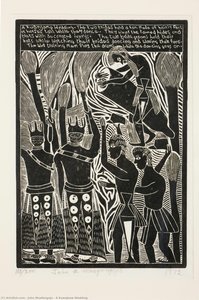
アーティストの略歴
Marguerite Zorach: A Pioneer of American Modernism
Early Life and Education
- Born in Santa Rosa, California in 1887, Marguerite Zorach came from a family with roots in New England seafaring and Pennsylvania Quaker traditions.
- Her early education included music lessons and four years of Latin at Fresno High School, reflecting her parents’ commitment to a liberal arts upbringing.
- She was among the first women admitted to Stanford University in 1908 but left before graduating to pursue art studies in France.
Paris and Fauvist Influences
- In Paris, Zorach immediately encountered the groundbreaking works of Henri Matisse and André Derain at the Salon d'Automne, profoundly impacting her artistic direction.
- Despite being initially rejected from the École des Beaux-Arts, she studied at the Académie de la Palette under John Duncan Fergusson and Jacques-Emile Blanche, fostering her unique style.
- She actively participated in modernist exhibitions like the Société des Artistes Indépendants and the Salon d'Automne, connecting with prominent figures such as Pablo Picasso, Gertrude Stein, and Henri Rousseau.
- It was in Paris that she met her future husband and artistic collaborator, William Zorach.
Global Travels and Artistic Development
- A lengthy world tour with her aunt from 1911-1912 took her to Jerusalem, Egypt, India, Burma, China, Hong Kong, Japan, and Hawaii.
- These travels broadened her artistic horizons, leading to more abstract compositions and the use of bold colors with thick black outlines in her landscapes.
- Upon returning to California, she painted the Sierra Nevada mountains but faced disapproval from her parents, resulting in the destruction of much of her early work.
New York and Collaborative Work
- After marrying William Zorach in 1912, she moved to New York City, where they began a lifelong artistic partnership.
- Both participated in the influential 1913 Armory Show, marking a turning point for modern art in America.
- They experimented with various art forms, including poetry, alongside their painting and sculpture.
- Their Greenwich Village home became a vibrant salon for artists and intellectuals.
Major Achievements and Artistic Style
- Zorach won the 1920 Logan Medal of the Arts, recognizing her significant contributions to American art.
- Her artistic style is characterized by bold Fauvist colors, simplified forms, and a focus on capturing the essence of landscapes and figures.
- She worked across multiple mediums, including painting, textiles (bedspreads), and graphic design.
- Notable works include “Memories of my California Childhood” (1921) and “Nevada Falls, Yosemite Valley, California” (1920).
Historical Significance
- Marguerite Zorach was a key figure in the introduction of modernism to America.
- Her work challenged traditional artistic conventions and paved the way for future generations of American artists.
- As a female artist during a period of significant social change, she broke barriers and contributed to the growing recognition of women in the art world.
- She remains an important example of an early 20th-century artist who embraced experimentation and pushed the boundaries of artistic expression.
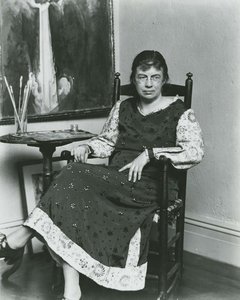
Marguerite Zorach
1887 - 1968
基本情報
- Birth Date: 1887
- Birth Place: Santa Rosa, California
- Death Date: 1968
- Influenced: ['William Zorach']
- Influenced By:
- Henri Matisse
- Andre Derain
- Movement: Fauvism, Modernism
- Name: Marguerite Zorach
- Nationality: American
- Notable Works:
- Memories of my california childhood (1921)
- Nevada Falls, Yosemite Valley, California (1920)
- The Dance (1917)
関連記事
Marguerite Zorach: Pioneering American Modernism & Bridging Aesthetics
Explore the groundbreaking work of Marguerite Zorach, a pivotal figure in American Modernism. Discover her Fauvist paintings, collaborative spirit with William Zorach, and lasting influence on 20th-century art. A guide for collectors.

葛飾北斎:25の傑作が語る浮世絵の世界 - ArtsDot
葛飾北斎の25選:『神奈川沖浪裏』や『富嶽三十六景』など、浮世絵の世界を深く探求。木版画の技法と日本美術の美をArtsDotで。高品質なアートプリントで空間に感動を。コレクションはこちら。

Echoes of Time: Exploring the Enduring Appeal & Historical Context of Vintage Art Prints
Explore the captivating world of vintage art prints! Discover their history, collecting tips & enduring appeal. Expert insights on chromolithography and building a legacy collection with ArtsDot.

The Enduring Legacy of Fine Art Prints: Technique, History & Aesthetic Impact
Explore the rich history & techniques of fine art prints. Discover investment potential, assess authenticity, and learn how to preserve your collection with expert guidance. Trusted insights for discerning collectors.

Giclée Prints: Archival Quality & Aesthetic Nuances for the Discerning Collector
Explore the world of giclée prints with ArtsDot. Learn about archival quality, aesthetic nuances & investment potential. Expert guidance for discerning art collectors seeking museum-quality reproductions and lasting value.