 プレビュー
プレビュー
 シェアする
シェアする シェアする
シェアする
 詳細を見る
詳細を見る

 ダウンロード
 似ている作品
 X線調査
X線調査 スライドショー
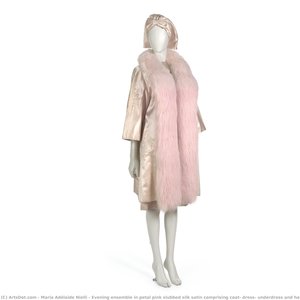
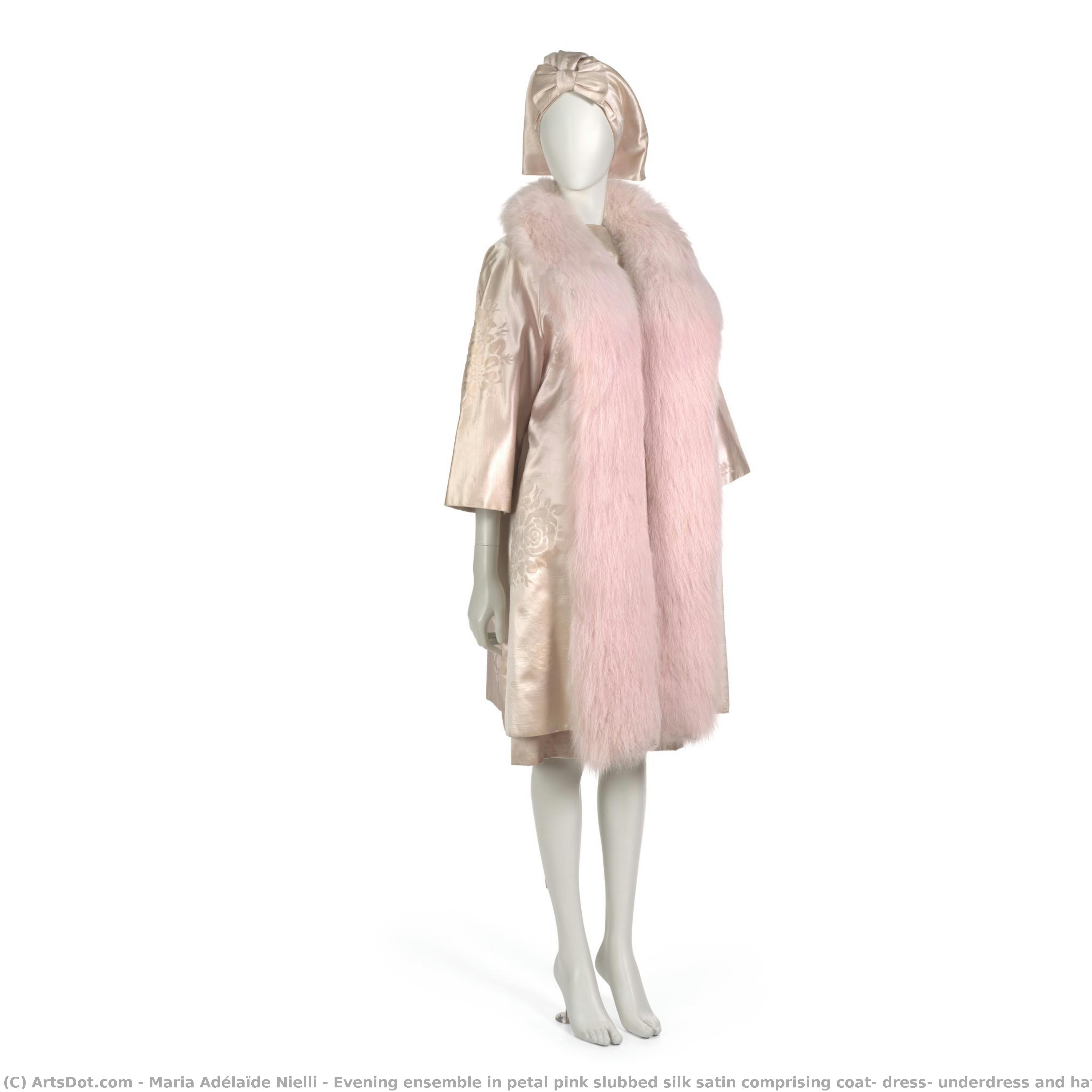
ピンクのスラブシルクサテンのコート、ドレス、アンダードレスと帽子


 詳細を見る
詳細を見る
ジークレー/アートプリント
迅速な制作と多彩な仕上げオプションを備えた、ミュージアムクオリティのジークレーまたはキャンバスプリント。 ( 手描きの絵画を購入 画像を購入)




P118B $10

P118H $10

P118W $10

P438Z $10

P508JH $12

P508YH $12

P805H $10

P805Z $10

P919BZ $10

P919G $10

P919XJ $10

P959ZH $10

P968JZ $12

W106C $8

W218G $10

W218JH $8

W218Y $10

W307PJ $10

W316G $10

W316PJ $8

W316Y $10

W398PJ $8

W4111J $10

W500HY $15

W500JH $15

W692G $12

W849H $8

W940BG $15

W953PJ $8




作品のオリジナル比率に合わせた、当店の規定サイズからお選びください。

特定のフレームやスペースに合わせて、ご自身でサイズを指定することも可能です。選択されたサイズが元の画像の比率と一致しない場合、作品をトリミングするか、鏡面反射または単色での塗りつぶしによって画像を拡張いたします。制作を開始する前に、ご確認用のデジタルモックアップをお送りいたします。
画面上のプレビューには、実際のトリミングや拡張は反映されませんのでご注意ください。最終的な構図を正確に確認できるのは、モックアップのみとなります。
カスタムサイズも承っておりますが、元の比率を維持するためには、あらかじめ用意されたリストからサイズを選択することをお勧めいたします。


 ガラスオプションは、110cm未満のサイズでのみご利用いただけます。

ピンクのスラブシルクサテンのコート、ドレス、アンダードレスと帽子
ジークレー/アートプリント
複製画のサイズ
-


合計金額
$ 62
イタリアのファッションデザイナー、ニナ・リッチー:静かな革命の創造者
この美しいエキゾチックな衣装は、イタリア生まれのデザイナー、マリア・アデライド・ニッリによる1969年の作品です。彼女の名前を知らない方には、フランスで活躍する洗練されたファッションブランドの一角として知られるかもしれません。しかし、この衣装が持つ静かな革命は、その背景にある歴史と芸術的な技術に隠されています。ニッリの人生は、単なるドレスメーカーからの成長物語ではありません。それは、ヨーロッパのスタイルに対する鋭い観察眼と、繊細なデザイン感覚によって形作られた驚くべき道のりなのです。衣装の詳細と構成
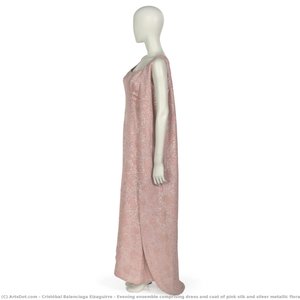
このエキゾチックな衣装は、ピンク色のスラブシルクサテンで作られています。特に印象的なのは、バラが散りばめられた豪華なボロシェーの刺繍です。コート、ドレス、アンダードレス、帽子という4つの要素で構成されており、それぞれの素材と技術が巧みに組み合わされています。コートはアラインシルエットで、3分の4丈のラグラン袖と広めの cuffs が特徴です。バックには白いフォックスファーが襟元に飾り付けられ、裏地には同じ色のボロシェー刺繍が施されています。ドレスはシンプルなデザインながらも、美しいピンク色のジュエルネックとフロントに2つのパッチポケットが付いています。アンダードレスは同じ素材で、後ろからファスナーが開く設計になっています。そして帽子はスノードのような優雅な形状で、前にはバラの花びらが飾られています。これらの要素が一体となり、当時のファッション界に新たなスタンダードを提示しました。デザインと技術の背景
ニッリのデザイン哲学は、女性の美しさを最大限に引き出すことでした。彼女は、伝統的なシルエットを踏襲しながらも、新しい素材や技法を取り入れました。特にスラブシルクサテンという素材は、独特の質感を生み出し、衣装の色をより豊かに表現しました。また、ボロシェーの刺繍は、繊細な技術と芸術的なセンスが結びついた美しい装飾です。この技術はイタリアで古くから受け継がれており、ニッリのデザインに特別な意味を持っています。彼女は常に時代の流れを読み取りながらも、その中で独自のスタイルを見つけ出し続けたのです。歴史的意義と感情的な影響
1960年代のファッションシーンにおいて、ニッリの衣装は単なる美しいデザインではありませんでした。それは、当時の女性たちの価値観やライフスタイルの変化を反映したものでした。彼女のデザインは、女性がより自由で自信を持って生きられるように促し、同時にエレガントさと優雅さを表現しました。この衣装を見る人は、当時の時代の空気を感じながらも、現代においてもその美しいシルエットと繊細な色彩に感動するはずです。ニッリの作品は、ファッション史において忘れられない遺産として語り継がれています。関連作品
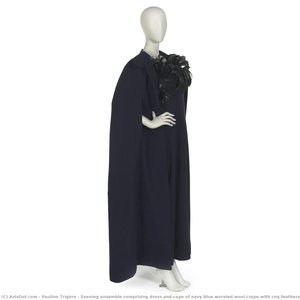
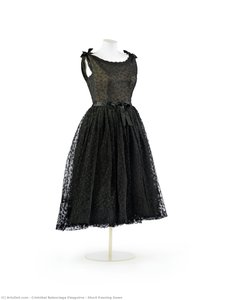
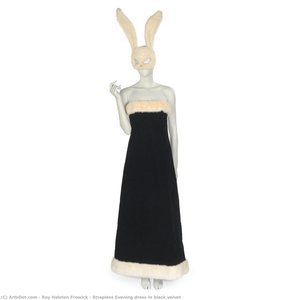
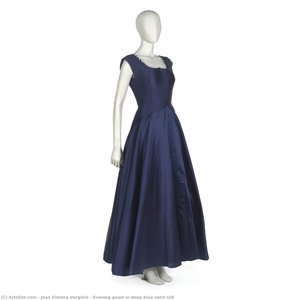

アーティストの略歴
The Quiet Revolution: Maria Adélaïde Nielli, Pioneer of Feminine Elegance
Maria Adélaïde Nielli – or Nina Ricci as she became known to the world – was a figure often shrouded in the subtle elegance of her designs, yet whose life and career represent a quiet revolution within the Parisian fashion landscape. Born in Turin, Italy, in 1883, her journey from a young apprentice dressmaker to the founder of one of France’s most enduring luxury brands is a testament to her innate talent, astute business sense, and unwavering dedication to crafting garments that celebrated the feminine form. Her early years were marked by a swift relocation to France at the age of twelve, an experience that undoubtedly shaped her keen eye for detail and appreciation for European style. This move set the stage for a career defined by a sophisticated understanding of silhouette and a masterful ability to translate fleeting trends into timeless pieces.Early Years and the Rise of Raffin
Nielli’s apprenticeship provided a crucial foundation, immersing her in the practicalities of dressmaking and establishing a deep respect for quality materials and construction. It wasn't long before she ascended to the role of head designer at just twenty-two years old, demonstrating an exceptional aptitude for pattern making and garment creation. In 1904, she married Luigi Ricci, a composer and jeweler, forging a partnership that initially focused on creating bespoke jewelry alongside her burgeoning design work. This dual pursuit honed her eye for color, texture, and the interplay of materials – skills that would later become hallmarks of the Nina Ricci brand. Her time at the House of Raffin from 1908 to 1932 proved formative, exposing her to a wider range of clientele and allowing her to refine her aesthetic sensibilities within a more established fashion house. It was during this period she began to develop the signature style that would distinguish her work: an emphasis on graceful draping, subtle embellishments, and a focus on flattering the female figure.The Birth of Nina Ricci and Licensing Innovation
In 1932, at the age of fifty, Nielli boldly decided to break free from the constraints of working for another house and establish her own brand – Nina Ricci. This decision was driven by a desire to maintain complete creative control and to pursue a vision that prioritized elegance and femininity above all else. Initially operating from a small atelier on Boulevard de Capucines in Paris, the brand quickly gained recognition for its exquisitely crafted dresses, coats, and accessories. A key element of Nielli’s success lay in her pioneering approach to licensing – a strategy remarkably ahead of its time. As early as 1960, Nina Ricci began collaborating with upscale boutiques, allowing them to reproduce her patterns and designs, thereby expanding the brand's reach without sacrificing its unique identity. This innovative move established Nina Ricci as a leader in the burgeoning world of licensing and paved the way for other luxury brands to follow suit.A Style Defined by Grace and Refinement
The aesthetic of Nina Ricci’s designs is instantly recognizable: a delicate balance between classic elegance and modern sensibility. Her garments were characterized by flowing lines, subtle drapery, and an exquisite attention to detail. She possessed a remarkable ability to work with fabrics – transforming simple materials into breathtaking creations through masterful cutting and draping techniques. A particular strength was her skill in utilizing prints, creating visually stunning designs that celebrated the beauty of color and pattern. Her use of contrasting textures and luxurious embellishments added depth and richness to her collections, while maintaining a sense of understated sophistication. The influence of ancient Greek aesthetics is often cited as a key inspiration, reflected in the graceful silhouettes and flowing fabrics of her garments.Legacy and Enduring Influence
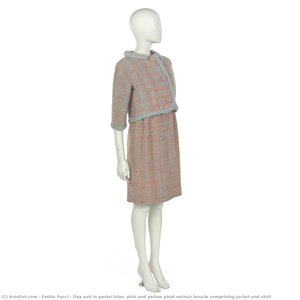
Nina Ricci passed away in Paris in 1970, leaving behind a legacy that continues to resonate within the fashion industry. The Nina Ricci brand, now owned by Puig, remains a symbol of French elegance and feminine style. Her pioneering approach to licensing, her commitment to quality craftsmanship, and her unwavering dedication to creating garments that celebrate the female form have cemented her place as a true innovator in the world of haute couture. Her designs are still sought after today, admired for their timeless beauty and enduring appeal – a testament to the quiet revolution she initiated over a century ago. The short-sleeved wool tweed coat from 1960, now part of ArtsDot’s collection, exemplifies this mid-century modern masterpiece, showcasing her ability to blend practicality with sophisticated design.
maria adélaïde nielli
1883 - 1970 , Italy
基本情報
- Artistic Movement Or Style: Haute couture, Feminine design
- Artists Or Movements Influenced By This Artist: ['']
- Artists Who Influenced This Artist: ['']
- Date Of Death: 1970
- Full Name: Maria Adélaïde Nielli”
- Nationality: Italian-French
- Nina Ricci: Date of birth": "1883
- Notable Artworks:
- Short-sleeved coat
- Nina Ricci dresses
- Place Of Birth: Turin, Italy
関連記事
Cristóbal Balenciaga: Deconstructing Haute Couture's Architectural Legacy
Explore the revolutionary world of Cristóbal Balenciaga, the 'couturier's couturier'. Discover his architectural designs, lasting influence on haute couture, and guide to collecting rare pieces. A connoisseur’s resource.

Monochrome Visions: Exploring the Aesthetic & Historical Significance of Black & White Photography
Explore the rich history & artistic power of black and white photography. From early techniques to iconic masters like Ansel Adams, discover why monochrome continues to captivate art lovers today. Expert insights for collectors.
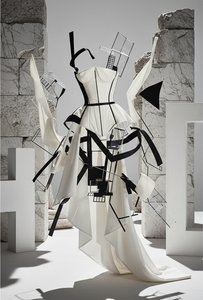
Gianfranco Ferré: Deconstructing Haute Couture – A Legacy of Architectural Form
Explore the revolutionary world of Gianfranco Ferré, 'the architect of fashion.' Discover his architectural approach to haute couture, iconic Dior designs, and lasting influence on luxury style. A deep dive for collectors & enthusiasts.

Beyond the Lens: Photography's Enduring Influence on Modern & Contemporary Art
Explore photography's pivotal role in shaping modern & contemporary art. Discover key movements, influential artists like Stieglitz, and expert collecting advice from ArtsDot.

Pictorialism: A Search for Artistic Photography's Soul – Aesthetics, Techniques & Legacy
Explore the captivating world of Pictorialism – a pivotal movement that transformed photography into fine art. Discover key artists like Stieglitz & Käsebier, techniques, and collecting tips from experts.