

 プレビュー
プレビュー
 プリントを購入
 シェアする
シェアする シェアする
シェアする
 詳細を見る
詳細を見る

 ダウンロード
 似ている作品
 X線調査
X線調査 スライドショー
A.T.M.O.T.W.


 詳細を見る
詳細を見る




P118B $10

P118H $10

P118W $10

P438Z $10

P508JH $12

P508YH $12

P805H $10

P805Z $10

P919BZ $10

P919G $10

P919XJ $10

P959ZH $10

P968JZ $12

W106C $8

W218G $10

W218JH $8

W218Y $10

W307PJ $10

W316G $10

W316PJ $8

W316Y $10

W398PJ $8

W4111J $10

W500HY $15

W500JH $15

W692G $12

W849H $8

W940BG $15

W953PJ $8




作品のオリジナル比率に合わせた、当店の規定サイズからお選びください。

特定のフレームやスペースに合わせて、ご希望のサイズをご入力いただけます。選択されたサイズが元の画像の比率と異なる場合、アートワークをトリミングするか、手描きで要素を追加して絵画を拡張いたします。デジタルモックアップ を制作し、制作開始前にご確認(承認)をいただきます。
画面上のプレビューは、実際のトリミングや拡張を正確に反映しているものではありません。最終的な構図は、モックアップによってのみ正確にご確認いただけます。
カスタムサイズもご利用いただけますが、元の比率を維持するためには、あらかじめ用意されたリストからサイズを選択することをお勧めいたします。
ご注文後、ArtsDot.com チームより詳細な指示をお送りするとともに、仕上がりイメージ(モックアップ)をご提供いたします。


 ガラスオプションは、110cm未満のサイズでのみご利用いただけます。

A.T.M.O.T.W.
複製技法
複製画のサイズ
-


合計金額
$ 263
The Genesis of a Concrete Dialogue
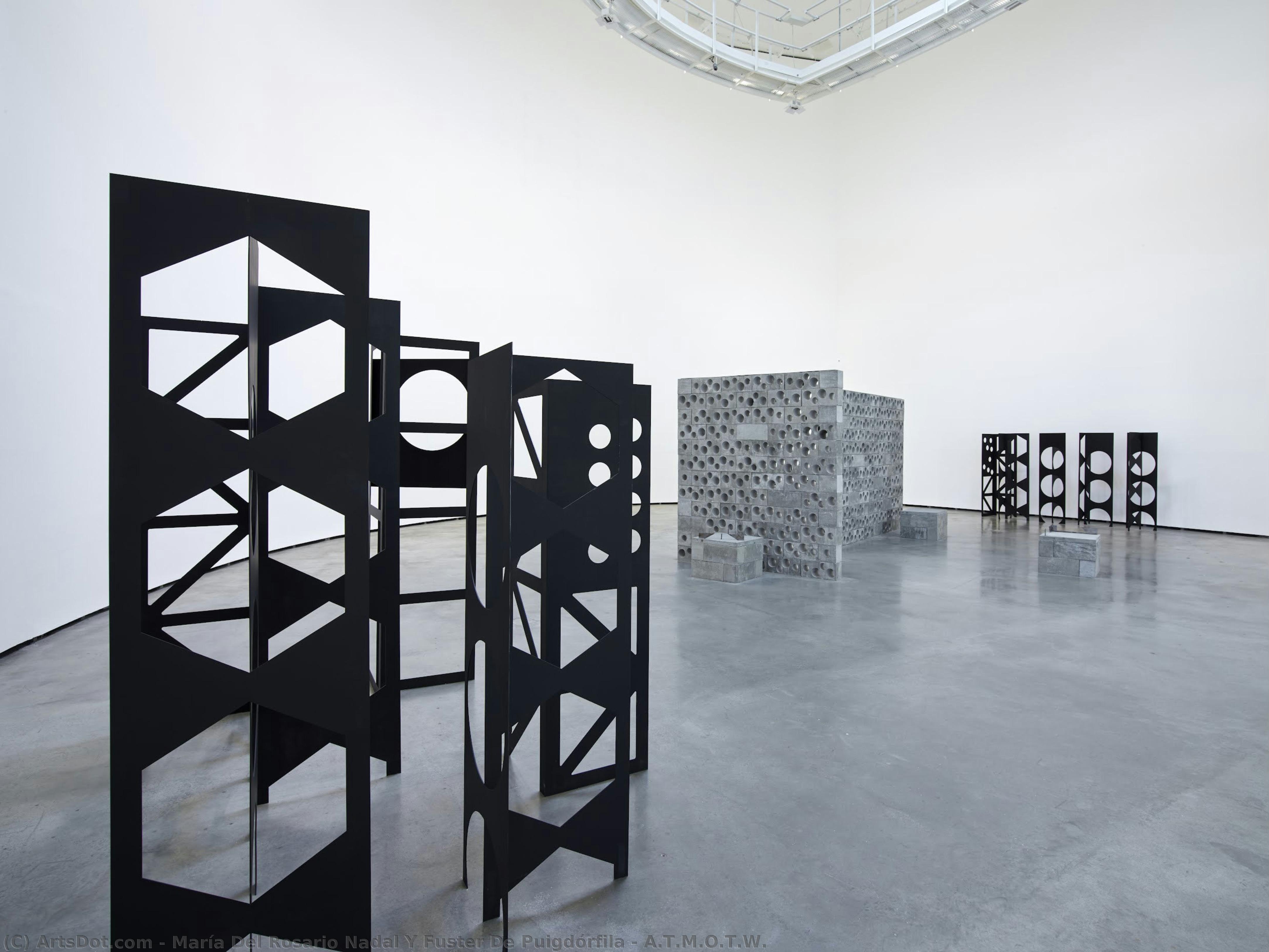
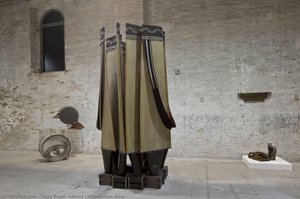
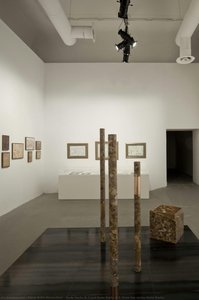
Xabier Salaberria’s “A.T.M.O.T.W.” (All The Material Of The World) isn't merely an assemblage of sculptures; it’s a carefully orchestrated invitation to contemplate the very nature of representation and the layered history embedded within modern art. Born in 1969, Salaberria has spent his career dissecting the conventions of sculpture, particularly its relationship to architecture and the industrial age. This piece, conceived specifically for the 2013 exhibition “Garmendia, Maneros Zabala, Salaberria,” operates as a deliberate deconstruction, drawing upon a rich tapestry of influences – from the pioneering Rietveld Pavilion’s geometric elegance to the monumental scale of Basque architectural traditions. The installation resides within a starkly minimalist museum space, its concrete forms acting as both echoes and critiques of the building's own structure, creating a dialogue between the external and internal realms.
A Symphony of Geometric Forms
The visual impact of “A.T.M.O.T.W.” is immediately arresting – a controlled chaos of interlocking squares, rectangles, and circular apertures rendered in smooth, grey concrete. Each sculpture possesses a distinct presence, ranging from the imposing solidity of some pieces to the more delicate intricacy of others. The repetition of these fundamental geometric shapes isn’t simply decorative; it speaks to the serialization inherent in mass production – a key element Salaberria interrogates throughout his work. Notice how the openings within the forms aren't merely absences, but active participants in the composition, inviting viewers to step into and interact with the space. The deliberate use of negative space is as crucial as the solid form itself, fostering a sense of openness and encouraging contemplation.
Echoes of Modernism and Beyond
Salaberria’s choice of concrete isn't arbitrary. Concrete, a material synonymous with the Industrial Revolution and the rise of modern architecture, carries significant historical weight. By utilizing this material, he directly engages with the legacy of movements like De Stijl and Bauhaus, whose emphasis on geometric abstraction and functional design profoundly shaped 20th-century art and architecture. However, “A.T.M.O.T.W.” transcends a simple homage to these precedents. The inclusion of references to Basque sculpture – a tradition deeply rooted in the region’s history and identity – subtly shifts the focus towards local context while simultaneously acknowledging the broader global dialogue surrounding modernism. The installation also subtly nods to the architectural principles of Gerrit Rietveld, whose pavilion exemplified a revolutionary approach to space and form.
A Space for Reflection: The Museum as Stage
More than just an artistic statement, “A.T.M.O.T.W.” transforms the museum itself into a subject of inquiry. The title – "All The Material Of The World" – suggests a vastness and accumulation of knowledge, mirroring the museum’s role as a repository of cultural artifacts. By placing his sculptures within this institutional setting, Salaberria prompts viewers to consider how museums represent and interpret history, challenging the traditional notion of the museum as a neutral space for objective display. The two chairs strategically positioned within the installation invite a pause, encouraging visitors to engage with the artwork on a more personal level – to contemplate its meaning and their own relationship to it. The stark lighting further enhances this contemplative atmosphere, casting dramatic shadows that emphasize the three-dimensionality of the forms.
Capturing the Essence: Photographic Details
- Overall Impression: A black and white photograph presenting a concrete sculpture installation within a modern museum space. The composition is dominated by several large-scale sculptures arranged across the room, with stark lighting creating strong contrasts between light and shadow.
- Composition: Utilizes a wide-angle perspective to capture the entirety of the installation and its surroundings. Sculptures are strategically positioned throughout the frame, guiding the viewer's eye. The chairs add a human element.
- Color Palette: Monochromatic – shades of gray and black emphasize forms and textures, contributing to formality and restraint.
- Lines & Shapes: Strong vertical and horizontal lines define architecture and sculptures. Geometric shapes (squares, rectangles, circles) are repeated, creating order and rhythm.
- Textures: Concrete sculptures exhibit a rough texture contrasting with the polished floor, adding depth and dimension.
- Lighting: Directional light from an unseen source casts sharp shadows, highlighting three-dimensionality.
- Perspective & Depth: Wide-angle lens creates spaciousness and depth within the room. Linear perspective enhances the illusion of distance.
関連作品

関連記事

Bronze Sculptures That Defined Art History | ArtsDot
Journey through art history with our Top 10 bronze sculptures! Explore masterpieces by Rodin, Michelangelo & more. Discover stories behind iconic statues and find museum-quality reproductions for your home decor at ArtsDot.com.

The Enduring Form: Exploring Themes & Techniques in Sculpture Across Historical Periods
Explore the rich history of sculpture from ancient masterpieces to contemporary innovations. Discover key techniques, influential artists & investment potential for discerning art collectors.

The Enduring Form: Sculpture Across History, Technique & Emotional Resonance
Explore the rich history of sculpture with ArtsDot. Discover key techniques, influential artists & investment potential for discerning collectors. Expert insights into valuing and collecting timeless masterpieces.

Bronze Age to Modern Masters: 10 Sculptures That Redefined Art | ArtsDot
Journey through art history with 10 legendary bronze sculptures – from Michelangelo's David to Rodin’s Thinker. Explore the stories, techniques & timeless beauty of these masterpieces. Find museum-quality reproductions & elevate your home decor on ArtsDot.com.
青銅彫刻の永続的遺産:歴史、技法、そして現代における解釈
青銅彫刻の歴史、技法、現代における解釈を専門家が解説。古代から現代までの貴重な作品群を深く理解し、コレクションや投資に役立つ情報を提供します。美術品鑑定、修復についてもご紹介。