 プレビュー
プレビュー
 プリントを購入
 シェアする
シェアする シェアする
シェアする
 詳細を見る
詳細を見る

 ダウンロード
 似ている作品
 X線調査
X線調査 スライドショー
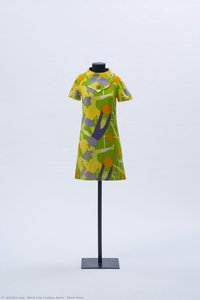
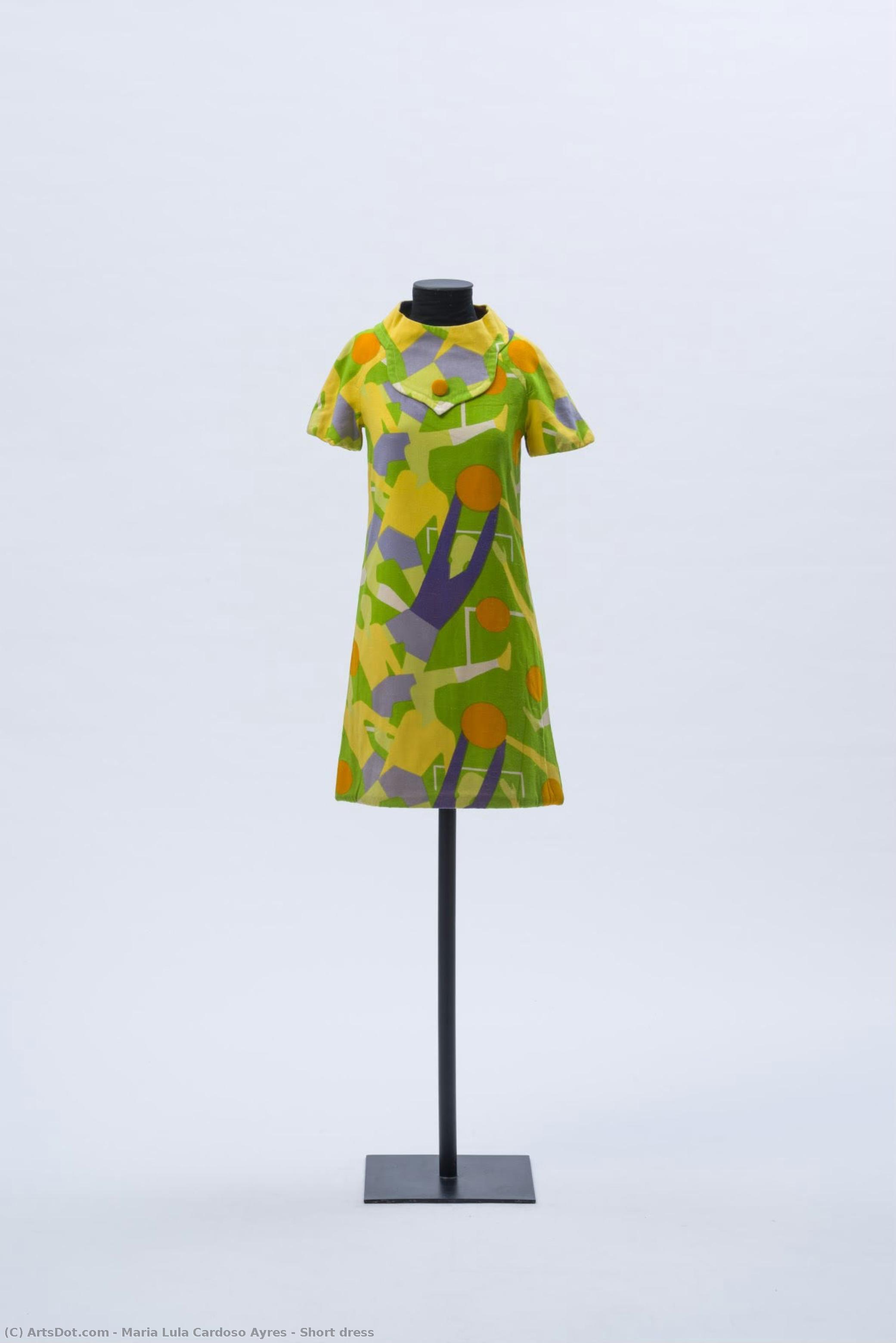
ショートドレス


 詳細を見る
詳細を見る




P118B $10

P118H $10

P118W $10

P438Z $10

P508JH $12

P508YH $12

P805H $10

P805Z $10

P919BZ $10

P919G $10

P919XJ $10

P959ZH $10

P968JZ $12

W106C $8

W218G $10

W218JH $8

W218Y $10

W307PJ $10

W316G $10

W316PJ $8

W316Y $10

W398PJ $8

W4111J $10

W500HY $15

W500JH $15

W692G $12

W849H $8

W940BG $15

W953PJ $8




作品のオリジナル比率に合わせた、当店の規定サイズからお選びください。

特定のフレームやスペースに合わせて、ご希望のサイズをご入力いただけます。選択されたサイズが元の画像の比率と異なる場合、アートワークをトリミングするか、手描きで要素を追加して絵画を拡張いたします。デジタルモックアップ を制作し、制作開始前にご確認(承認)をいただきます。
画面上のプレビューは、実際のトリミングや拡張を正確に反映しているものではありません。最終的な構図は、モックアップによってのみ正確にご確認いただけます。
カスタムサイズもご利用いただけますが、元の比率を維持するためには、あらかじめ用意されたリストからサイズを選択することをお勧めいたします。
ご注文後、ArtsDot.com チームより詳細な指示をお送りするとともに、仕上がりイメージ(モックアップ)をご提供いたします。


 ガラスオプションは、110cm未満のサイズでのみご利用いただけます。

ショートドレス
複製技法
複製画のサイズ
-


合計金額
$ 263
作品解説
マリア・ルラ・カルドソ・アイレスの「ショートドレス」について
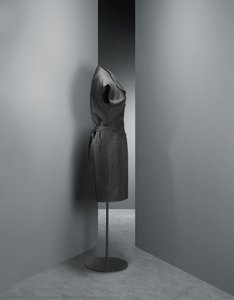
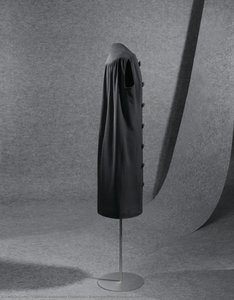
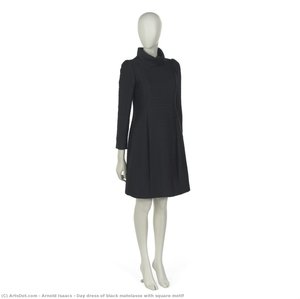
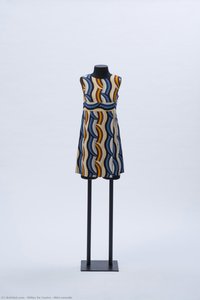
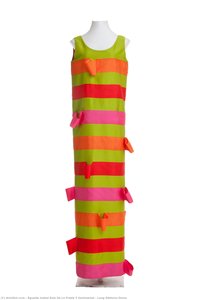
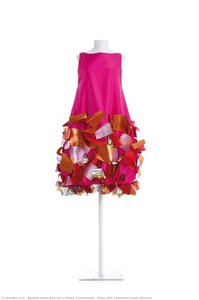
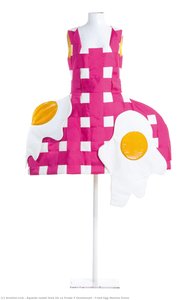
マリア・ルラ・カルドソ・アイレスは、ブラジル美術界に大きな影響を与えた画家であり、特に鮮やかな色彩と独特のデザインが特徴的な短いドレスを制作したことで知られています。ペルナンブーク出身のアイレスは、ドイツの彫刻家ハイナヒュース・モイゼルとの出会いをきっかけに芸術的感性を養い、地域の伝統を守るための献身的な姿勢を示しました。彼の指導のもとでアイレスは、シュルレアリスムや表現主義といったヨーロッパ美術運動の影響を受けながら独自のスタイルを確立していきました。 初期のインフルエンスと芸術的形成におけるモイゼルの影響 アイレスの幼少期は、ヨーロッパ美術運動との接触を通じて特徴づけられました。特にシュルレアリスムと表現主義は彼女の芸術観に深い影響を与え、国際的な美術潮流を吸収しながらブラジル独自の美意識を追求する姿勢を育みました。モイゼルは彼女に地域の美術遺産を守ることの重要性を強調し、彼の熱意がアイレスの芸術活動の基礎となりました。この指導は彼女が表現主義やシュルレアリスムといったヨーロッパ美術運動の影響を受けながら独自のスタイルを確立することを可能にし、その後の作品に大きな影響を与えました。モイゼルは特にドイツ美術における伝統的な技法と新しい表現方法の融合を重視し、アイレスに彼の芸術哲学を伝えました。彼は彼女に「美は驚きであり、予想外の発見である」という考え方を植え付け、彼女が常に新しい視点を持つように促しました。モイゼルはまた、彼女に伝統的な美術技法と現代的な表現方法を組み合わせることで、より豊かな芸術作品を生み出すことができることを示唆しました。 フェニテでのファッションショーとブラジルにおけるブランドプロモーション戦略 アイレスの芸術活動は、特に1960年代に展開されたフェニテでのファッションショーにおいて大きな注目を集めました。このイベントはブラジルの最大のファッションイベントであり、当時の劇場、ダンス、音楽などの専門家が参加し、その壮大なスケールと革新的な演出で観客を魅了しました。アイレスの作品は、このファッションショーを通じてブランドイメージを高めるための効果的な手段となり、彼女の芸術活動に新たな視点をもたらしました。フェニテでのファッションショーは国際的なトレンドを取り入れながらブラジル独自の美意識を表現し、当時のファッション業界に大きな刺激を与えました。アイレスは特にファッションデザイナーやアーティストとのコラボレーションを通じて新しいスタイルを生み出し、その作品は当時のファッション界で革新的な動きを起こしました。彼女のファッションデザインは伝統的な美術技法と現代的なトレンドを融合させ、ブラジルにおけるファッション文化の発展に貢献しました。フェニテでのファッションショーはアイレスが自身の芸術活動を通して社会にメッセージを発信し、その作品は現代のファッション界に新たなインスピレーションを与えました。 「ショートドレス」のデザインと色彩パレット:1960年代のファッションへの影響 アイレスの「ショートドレス」のデザインは、有機的なフォルムと洗練された曲線が特徴です。このドレスは鮮やかな黄色を基調とし、緑、オレンジ、紫などのアクセントカラーを使用しています。これらの色は規則正しいパターンで配置され、視覚的な興味を引き出す効果があります。また、ドレスにはシンプルな幾何学模様と抽象的な形状が組み込まれており、ファッションデザイナーに新たなデザインのアイデアを提供しました。アイレスは特に1960年代のファッションにおける色彩パレットの多様性を重視し、この時代のトレンドを反映した大胆な色使いを実現しました。彼女のデザインは当時のファッション界で大きな話題となり、その色彩パレットは現代のファッションにも影響を与えています。「ショートドレス」の色調は明るく遊び心のあるものであり、1960年代の楽観主義とエネルギーを表現しています。このドレスのデザインは新しい素材やスタイルを取り入れながらブラジルにおけるファッション文化の発展に貢献しました。アイレスは特にファッションデザイナーとして時代の変化に対応し、その作品は現代のファッションにも影響を与えています。彼女のファッションデザインは伝統的な美術技法と現代的なトレンドを融合させ、ブラジルにおけるファッション文化の発展に貢献しました。 結論:マリア・ルラ・カルドソ・アイレスの「ショートドレス」は、ブラジル美術界における革新的な芸術作品であり、その美しい色彩と洗練されたデザインは現代のファッションにも影響を与えています。彼女の作品は単なる衣服のデザインにとどまらず、当時の社会情勢や文化的な価値観を反映しており、美術愛好家やコレクターだけでなく、インテリアデザイナーなど幅広い層の人々にとってインスピレーションとなるでしょう。関連作品

アーティストの略歴
The Vibrant Legacy of Maria Lula Cardoso Ayres
In the heart of Pernambuco, where the rhythms of Brazilian culture pulse with an unmistakable vitality, the name Maria Lula Cardoso Ayres resonates as a symbol of artistic innovation and cultural preservation. Born in Recife in 1932, Ayres emerged not merely as a creator of objects, but as a weaver of identities. Her life’s work served as a bridge between the ancestral echoes of Brazil and the sophisticated movements of European modernism. Guided by the early mentorship of the German stained-glass artist Heinrich Moser, she developed an aesthetic sensibility that honored regional traditions while fearlessly embracing the avant-garde. This unique duality allowed her to transform everyday mediums into profound explorations of color, form, and national spirit.
The trajectory of Ayres’s career was marked by a restless, brilliant curiosity. Her formative years were shaped by exposure to Surrealism and Expressionism during her studies abroad, experiences that infused her work with a complex layer of psychological depth and structural experimentation. Yet, despite the allure of international trends, her heart remained anchored in the soil of Brazil. This commitment was most tangibly realized through her establishment of the ‘Escola de Belas Artes do Recife.’ Through this institution, she sought to nurture a new generation of artists, ensuring that the creative pulse of Pernambuco would continue to beat with strength and autonomy long after her own brush had rested.
A Tapestry of Color and Form
Perhaps the most enchanting chapter of Ayres’s legacy lies in her revolutionary approach to textile art. She possessed a singular ability to treat fabric as a canvas for high art, most notably through her iconic short dresses. These garments were far more than mere fashion; they were wearable compositions that utilized bold geometric patterns and kaleidoscopic hues to dance across the body. In these textiles, one finds a masterful application of color theory, where each thread and pattern serves to explore the tension between abstraction and figuration. Her designs captured a sense of movement and joy, reflecting a deep fascination with how visual rhythm can mirror the lively spirit of Brazilian life.
Beyond the tactile intimacy of her textiles, Ayres commanded much larger scales through her monumental mural paintings. These works functioned as visual chronicles of Pernambuco’s identity, capturing the essence of the landscape and its people in sweeping, impactful strokes. Her murals were not merely decorations for walls but were profound architectural interventions that brought art into the public consciousness. Whether working with the delicate intricacies of fabric or the expansive surfaces of a wall, her technique remained rooted in a deliberate exploration of visual composition, making her a true pioneer of multidisciplinary expression.
Historical Significance and Enduring Influence
The historical importance of Maria Lula Cardoso Ayres extends far beyond the boundaries of her physical creations. She stood at a pivotal moment in Brazilian art history, navigating the complex tensions between regional identity and national recognition. Her ability to synthesize the local—the folk, the traditional, and the cultural—with the global—the abstract and the modern—helped redefine what it meant to be a Brazilian artist in a rapidly changing world. She challenged the notion that regional art was merely "folklore," proving instead that it could be a sophisticated vehicle for profound artistic discourse.
Today, her influence can be felt in the continued vibrancy of the Pernambucan art scene and in the enduring legacy of the school she helped found. Her life remains a testament to the power of artistic devotion:
- Cultural Preservation: A lifelong dedication to honoring and elevating Brazilian regional traditions.
- Interdisciplinary Mastery: The seamless blending of textile design, mural painting, and educational leadership.
- Aesthetic Innovation: The introduction of bold, geometric abstraction into the realm of wearable art and public spaces.
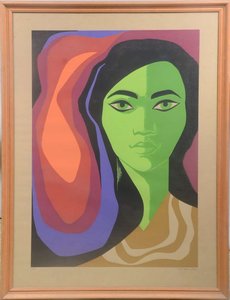
maria lula cardoso ayres
1932 - 2018 , Brazil
基本情報
- Artistic Movement Or Style: Abstract Expressionism & Figurative Art
- Artists Or Movements Influenced By This Artist: ['São Paulo Museum of Art']
- Artists Who Influenced This Artist: ['Heinrich Moser']
- Date Of Birth: 1932
- Full Name: Maria Lula Cardoso Ayres
- Nationality: Brazilian
- Notable Artworks: ['Folclore 2']
- Place Of Birth: Recife, Brazil
関連記事
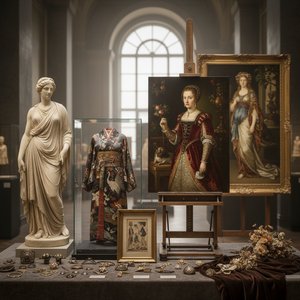
Draped Narratives: Fashion as Symbol & Subject in Historical Art
Explore the fascinating history of fashion as a symbol of power & status in art! Discover masterpieces from Gainsborough to Tissot and learn how clothing shaped societal narratives. Find museum-quality reproductions at ArtsDot.
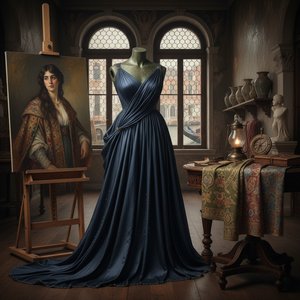
Mariano Fortuny: A Fusion of Art, Fashion & Design – Exploring a Venetian Innovator's Legacy
Explore the captivating world of Mariano Fortuny – artist, designer & innovator. Discover his revolutionary textiles, iconic Delphos gown, and lasting influence on art, fashion & interiors. A collector's guide to a Venetian master.

Crimson Threads of Narrative: Exploring Symbolism & Representation in Artworks Featuring the Red Dress
Explore the rich symbolism of the red dress in art history! From ancient power displays to iconic portraits like Cézanne’s 'Madame Cezanne', discover the cultural and artistic significance behind this captivating color. Expert analysis & insights.
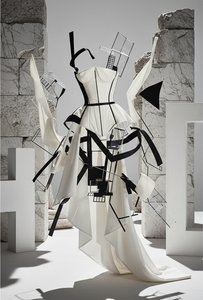
Gianfranco Ferré: Deconstructing Haute Couture – A Legacy of Architectural Form
Explore the revolutionary world of Gianfranco Ferré, 'the architect of fashion.' Discover his architectural approach to haute couture, iconic Dior designs, and lasting influence on luxury style. A deep dive for collectors & enthusiasts.
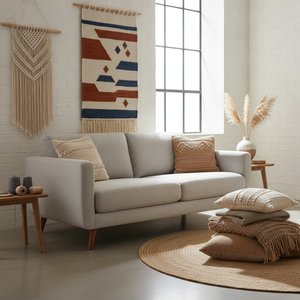
Woven Wonders: A Beginner's Guide to Elevating Your New Home with Timeless Textile Art
Discover how to transform your new home with the warmth of textile art. Our expert guide for newlyweds explores handwoven tapestries, tactile fibers, and timeless ways to curate a soulful, sophisticated interior through beautiful woven wonders.