

 プレビュー
プレビュー
 シェアする
シェアする シェアする
シェアする
 詳細を見る
詳細を見る

 ダウンロード
 似ている作品
 X線調査
X線調査 スライドショー
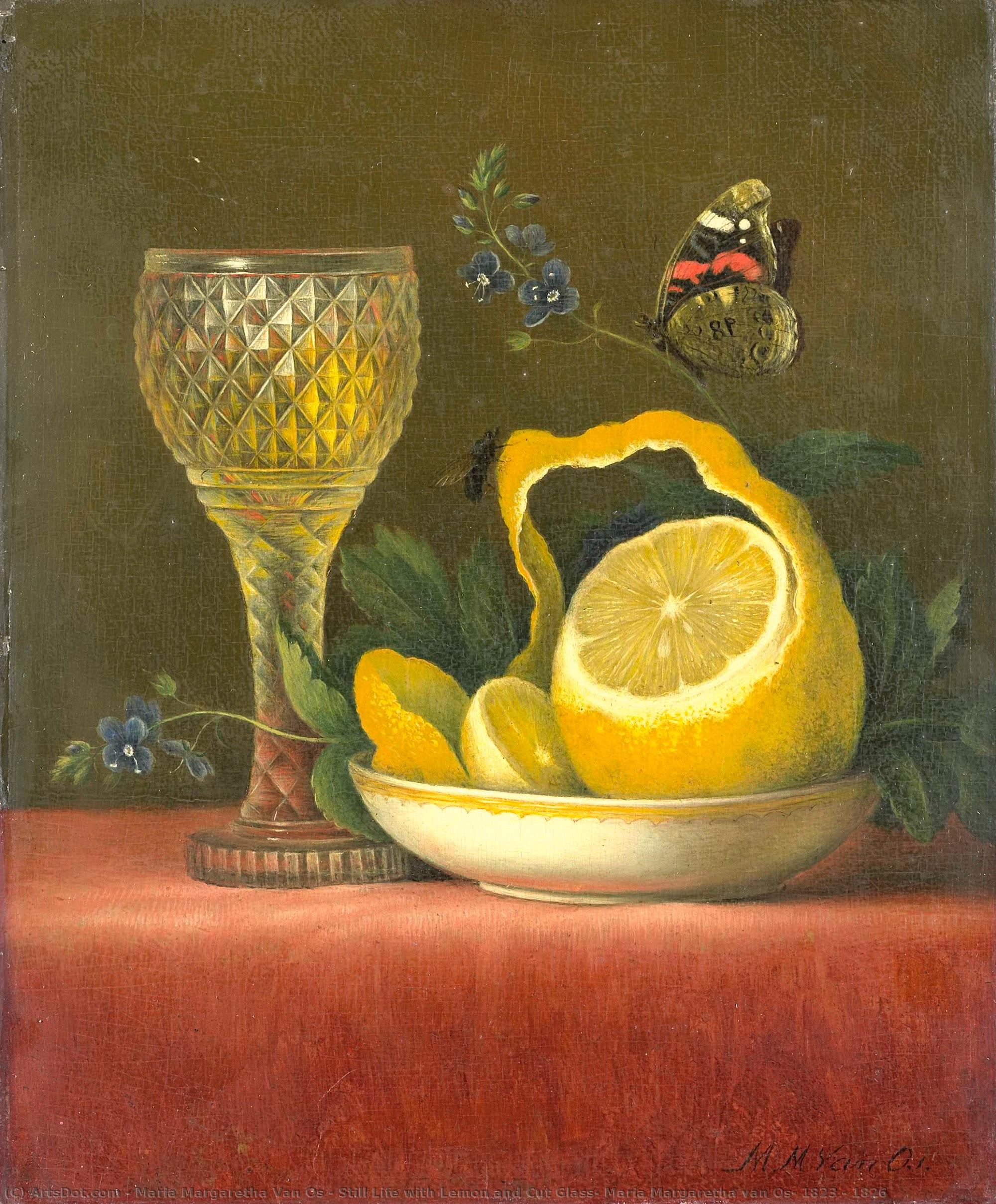
Still Life with Lemon and Cut Glass, Maria Margaretha van Os, 1823 - 1826
 Classical Still Life
 1826
1826 27.0 x 23.0 cm
 詳細を見る
詳細を見る
ジークレー/アートプリント
迅速な制作と多彩な仕上げオプションを備えた、ミュージアムクオリティのジークレーまたはキャンバスプリント。 ( 手描きの絵画を購入 画像を購入)




































作品のオリジナル比率に合わせた、当店の規定サイズからお選びください。

特定のフレームやスペースに合わせて、ご自身でサイズを指定することも可能です。選択されたサイズが元の画像の比率と一致しない場合、作品をトリミングするか、鏡面反射または単色での塗りつぶしによって画像を拡張いたします。制作を開始する前に、ご確認用のデジタルモックアップをお送りいたします。
画面上のプレビューには、実際のトリミングや拡張は反映されませんのでご注意ください。最終的な構図を正確に確認できるのは、モックアップのみとなります。
カスタムサイズも承っておりますが、元の比率を維持するためには、あらかじめ用意されたリストからサイズを選択することをお勧めいたします。


 ガラスオプションは、110cm未満のサイズでのみご利用いただけます。

Still Life with Lemon and Cut Glass, Maria Margaretha van Os, 1823 - 1826
ジークレー/アートプリント
複製画のサイズ
-


合計金額
$ 62
関連作品
アーティストの略歴
Maria Margaretha van Os: A Dutch Master of Floral Still Life
Born in The Hague in 1779, Maria Margaretha van Os emerged as a significant figure within the vibrant artistic landscape of early 19th-century Netherlands. As the daughter of the esteemed painter Jan van Os and Susanna de la Croix (a talented pastel portraitist), she inherited not only an artistic legacy but also a deep appreciation for meticulous observation and skillful rendering – qualities that would define her distinctive style. Her life, intertwined with that of her family, particularly her brothers Pieter Gerardus van Os and Georgius Jacobus Johannes van Os, provided a rich foundation for her artistic development, fostering a close-knit environment where the principles of painting were diligently imparted.
Van Os’s early training was undoubtedly shaped by her father's expertise in landscape and still life. Her mother’s background in pastel portraiture further broadened her artistic horizons, introducing her to techniques of delicate shading and nuanced color application. However, it was the world of fruit and flower still lifes that truly captivated Maria Margaretha, becoming the central focus of her oeuvre. These weren't merely depictions of objects; they were carefully constructed arrangements designed to evoke a sense of beauty, tranquility, and even a subtle melancholy – a hallmark of the era’s Neoclassical aesthetic.
The Language of Flowers
Van Os’s paintings are renowned for their exquisite realism and an almost obsessive attention to detail. She meticulously studied the forms and textures of her subjects—a single lemon, a cluster of roses, or a scattering of wildflowers—capturing their delicate beauty with astonishing precision. Her compositions often feature luxurious fabrics like velvet and silk draped beneath the floral arrangements, adding layers of visual richness and hinting at the opulence of the Dutch Golden Age. The use of light is particularly noteworthy; she masterfully employed chiaroscuro to create dramatic contrasts between highlights and shadows, lending a three-dimensional quality to her still lifes.
The significance of flowers in Van Os’s work extends beyond mere aesthetic appeal. Flowers held profound symbolic meaning during this period, often used to convey emotions, virtues, or even philosophical concepts. Her paintings subtly allude to these associations, inviting the viewer to contemplate the deeper layers of meaning embedded within each arrangement. The careful selection and placement of each element—from the vibrant hues of the blossoms to the reflective surfaces of cut glass—contribute to a carefully orchestrated visual narrative.
A Royal Recognition
In 1826, Maria Margaretha van Os received a prestigious honor: honorary membership in the Koninklijke Academie voor Beeldende Kunsten in Amsterdam. This recognition acknowledged her considerable talent and established her as one of the leading flower painters of her time. It was a significant achievement for a woman artist operating within a male-dominated art world, demonstrating a growing acceptance of female artistic contributions.
Her work gained further acclaim through exhibitions and sales, securing her financial independence and allowing her to continue pursuing her passion. Notably, she maintained close professional ties with her sister Petronella van Woensel, another accomplished flower painter, fostering a collaborative spirit within their family’s artistic lineage. The shared dedication to capturing the ephemeral beauty of nature cemented their bond and enriched the artistic community they inhabited.
Legacy and Influence
Maria Margaretha van Os died in The Hague in 1862, leaving behind a remarkable body of work that continues to captivate viewers today. Her meticulous technique, evocative compositions, and profound understanding of floral symbolism have secured her place as a key figure in the history of Dutch still life painting. Her influence can be seen in subsequent generations of artists who followed in her footsteps, demonstrating the enduring appeal of her elegant and meticulously rendered depictions of nature’s bounty.
Today, works by Van Os are held in prestigious collections worldwide, testament to their artistic merit and historical significance. Studying her paintings offers a valuable glimpse into the cultural values and aesthetic sensibilities of 19th-century Netherlands – a world where beauty, tranquility, and the quiet contemplation of nature were highly prized.
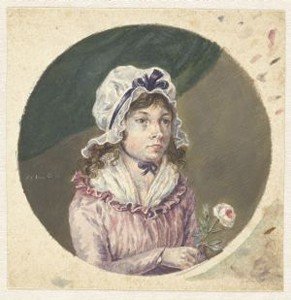
maria margaretha van os
1779 - 1862 , Netherlands
基本情報
- Artistic Movement Or Style: Flower still lifes
- Artists Or Movements Influenced By This Artist:
- Georgius Jacobus Johannes van Os
- Pieter Gerardus van Os
- Artists Who Influenced This Artist:
- Jan van Os
- Susanna de la Croix
- Date Of Birth: November 15, 1779
- Date Of Death: November 17, 1862
- Full Name: Maria Margaretha van Os
- Nationality: Dutch
- Notable Artworks:
- Still Life with Lemon...
- Vanitas-Stilleben
- Place Of Birth: The Hague, Netherlands
関連記事
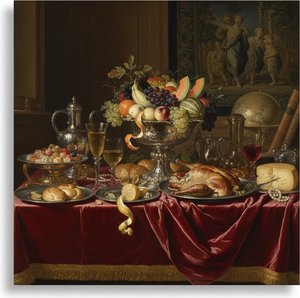
Abraham Hendricksz van Beyeren: Pioneering Dutch Still Life & the Banquet Tradition
Explore the captivating world of Dutch Golden Age still life with Abraham van Beyeren. Discover his innovative techniques, symbolic banquet scenes & lasting influence on art history. Learn about collecting these masterpieces.

レンブラント傑作25選:光と影の巨匠、魂を揺さぶる名画の世界 | ArtsDot
レンブラントの傑作25選。光と影の魔術師が描いた魂を揺さぶる名画の世界へ。美術史に残る自画像、夜警、宗教画…ArtsDotで高品質なアートプリントやインテリアアートをお楽しみください。コレクションはこちら→
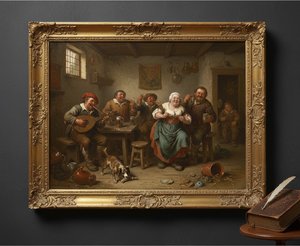
Adriaen van Ostade: A Master of Dutch Genre Painting & Social Commentary
Explore the life & work of Adriaen van Ostade, a leading Dutch Golden Age painter. Discover his realistic genre scenes, social commentary, and lasting influence on art history. Learn more at ArtsDot.
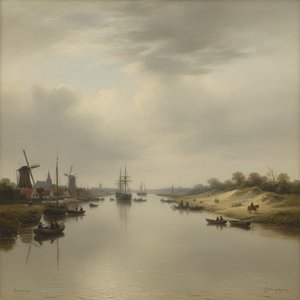
Jan van Goyen: Master of Dutch Landscape & Atmospheric Perspective
Discover Jan van Goyen, the master of Dutch landscape painting. Explore his subtle technique, atmospheric realism & lasting influence on art history. Learn about this 17th-century pioneer at ArtsDot.

Dutch Baroque Masters: 10 Paintings That Shaped an Era | ArtsDot
Journey through the Golden Age with our guide to the Top 10 Dutch Baroque masterpieces! Explore iconic paintings by Rembrandt, Vermeer & Frans Hals. Find museum-quality art reproductions and elevate your home decor at ArtsDot.com.

