

 プレビュー
プレビュー
 プリントを購入
 シェアする
シェアする シェアする
シェアする
 詳細を見る
詳細を見る

 ダウンロード
 似ている作品
 X線調査
X線調査 スライドショー
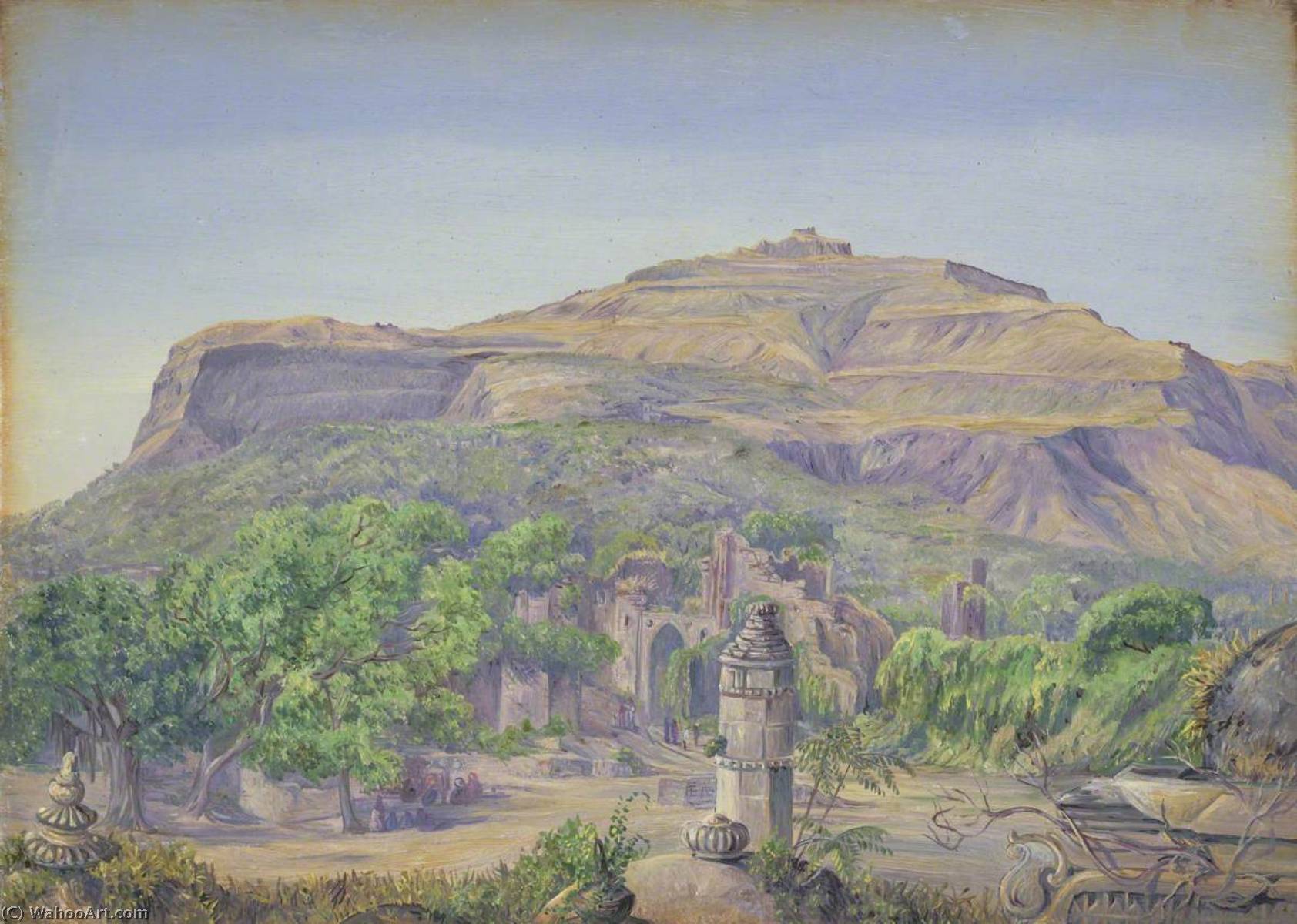
'Champaneer, near Baroda, India. Febr. 1879'
 Acrylic On Canvas
- WallArt
- Botanical Illustration
 1879
1879 34.0 x 47.0 cm
 大英図書館
大英図書館
 詳細を見る
詳細を見る
オンラインプレビューをはるかに凌ぐ、高解像度で鮮明なデジタル画像をご購入いただけます。
各ファイルは、社内の専門家が高度なツールと熟練した手作業によるレタッチを用いて、細心の注意を払って準備されています。すべての画像において、卓越した鮮明度、正確な色彩再現性、そして繊細なディテールを保証いたします。
最終ファイルは、プロフェッショナルな編集・印刷環境ですぐにご利用いただけるよう最適化された状態で、72時間以内にメールにてお届けいたします。これは、一流のデザインスタジオ、出版社、ギャラリーから信頼されているものと同等の品質です。
デジタル画像のご注文に付随する特典
高品質なデジタル画像配信を、確かな品質で。
ArtsDot.com を選ぶことは、単に画像を手に入れることではありません。それは、プロの手によって精密に仕上げられ、満足保証が付いた高品質なデジタルアートワークを受け取ることを意味します。ご注文いただいた際に自動的に付随する内容は、以下の通りです:

メールですぐにお届け
ご注文から72時間以内に、高解像度のデジタル画像ファイルがメールでお手元に届きます。すぐにそのままご利用いただけます。

AI技術で最適化されたデジタルファイル
お客様の作品は、高度なAIツールと専門家による手作業の編集を組み合わせてプロフェッショナルに最適化されており、細部のディテール、鮮明さ、そして正確な色再現性を最大限に引き出しています。

一生涯無料の再送サービス
ファイルを誤って削除したり、紛失してしまったりしましたか?ご安心ください。いつでも無料で再送いたします。

輸入手数料は一切かかりません
関税や手数料、配送料を気にすることなく、お気に入りのアートワークをすぐにお楽しみいただけます。デジタルダウンロードは常に免税です。

色彩再現の保証
プロ仕様のツールとカラーマネジメント技術を用いることで、デジタル画像が元の色を最大限に忠実に再現することを保証いたします。

60日間満足保証
ご購入いただいたデジタル画像にご満足いただけない場合は、60日以内であれば、修正または100%の返金(理由を問う必要はありません)をさせていただきます。

100% 返金保証
ご満足いただけない場合は、デジタルファイルを受け取ってから60日以内であれば、理由を問わず全額返金いたします。

まとめ買い割引
3枚購入で10%OFF - 5枚購入で15%OFF - 10枚以上購入で20%OFF。クリエイティブなプロジェクト、ギャラリー、エージェンシーに最適です。
作品の詳細
A Victorian Explorer’s Vision: ‘Champaneer, near Baroda, India. Febr. 1879’ by Marianne North
Marianne North's 'Champaneer, near Baroda, India. Febr. 1879' is more than just a landscape painting; it’s a vibrant testament to a woman defying Victorian expectations and embracing a life of passionate exploration. Painted in February 1879, this work offers a glimpse into the world through the eyes of an intrepid artist who traded societal constraints for the boundless beauty of the natural world. The scene unfolds within a rugged, mountainous terrain – a dramatic backdrop that immediately establishes a sense of scale and grandeur. Notice how North masterfully employs atmospheric perspective; distant peaks soften and fade into a hazy blue, drawing the viewer’s eye towards the central focus of the composition.
The painting's subject matter is deceptively simple: a small village nestled amongst the hills, punctuated by the presence of two figures. These individuals – likely local inhabitants – are rendered with a delicate realism that contrasts subtly with the sweeping grandeur of the landscape. Their inclusion isn’t merely decorative; it anchors the scene, providing a vital human element and hinting at the interconnectedness between people and their environment. The placement near the right side suggests a quiet observation, inviting us to contemplate their lives within this remote setting.
The Botanical Artist's Technique: A Fusion of Observation and Impression
Marianne North was not simply an artist; she was a dedicated botanist, meticulously documenting flora across continents. This painting exemplifies her unique approach – seamlessly blending artistic skill with scientific observation. Her technique is characterized by loose, expressive brushstrokes, creating a sense of immediacy and capturing the fleeting effects of light and shadow. Unlike many artists of the time who relied heavily on studio-based work, North undertook extensive field trips, often traveling alone for months at a time to sketch and paint directly from nature.
The layering of colors is particularly noteworthy. North utilizes a technique known as ‘broken color,’ applying thin washes of pigment over dry underpaintings to build up depth and luminosity. This method allows her to capture the subtle nuances of light reflecting off the mountains, the foliage, and the sky with remarkable accuracy. Her palette leans towards earthy tones – ochres, browns, greens – punctuated by vibrant blues and purples in the sky, creating a harmonious balance between warmth and coolness.
Symbolism and Victorian Adventure
‘Champaneer’ resonates deeply within the context of 19th-century British exploration and the burgeoning field of botany. Marianne North's journeys were not merely expeditions for artistic inspiration; they were driven by a genuine desire to document and preserve the world’s plant life, often at considerable personal risk. The painting can be interpreted as an embodiment of Victorian ideals – a celebration of scientific discovery, imperial expansion (albeit viewed through a lens of appreciation rather than exploitation), and the romantic allure of the unknown.
The choice of Baroda, in present-day Gujarat, India, is significant. It reflects North’s interest in documenting diverse ecosystems and cultures. The mountainous landscape itself carries symbolic weight – representing both challenge and opportunity, a visual metaphor for the artist's own journey of self-discovery and artistic fulfillment. Furthermore, the inclusion of local figures subtly acknowledges the beauty and value of indigenous landscapes, moving beyond purely Western perspectives.
A Timeless Appeal: Reproduction and Interior Design
'Champaneer, near Baroda, India. Febr. 1879' offers a captivating window into a bygone era – a time of bold exploration, artistic innovation, and a profound connection with the natural world. ArtsDot’s hand-painted reproductions faithfully capture the essence of North’s original work, preserving its delicate brushwork, vibrant colors, and evocative atmosphere.
- Size Options: Available in a range of sizes to suit your space and budget.
- Hand-Painted Reproduction: Each reproduction is meticulously created by skilled artists using traditional techniques, ensuring unparalleled quality and authenticity.
- Perfect for Interior Design: The painting’s serene landscape and subtle human presence make it a versatile addition to any room – from a study or living area to a bedroom or hallway. Its muted palette complements a wide range of interior styles, adding a touch of Victorian elegance and natural beauty.
Bring the spirit of Marianne North’s adventurous vision into your home with a stunning reproduction of ‘Champaneer, near Baroda, India. Febr. 1879’. Explore our collection today and discover the timeless appeal of this remarkable artwork.
関連作品
作家の略歴
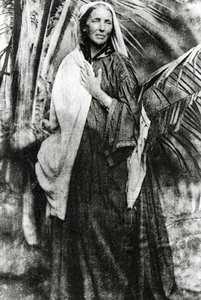
ヴィクトリア朝の冒険家、植物画家マリアンヌ・ノース
19世紀後半、社会規範に縛られず、自らの足で世界を駆け巡り、その目に映った鮮やかな植物たちをキャンバスに永遠に残した女性芸術家、マリアンヌ・ノース。彼女の人生は、絵筆と冒険心という二つの情熱によって彩られた、まさに稀有な物語です。ハンプシャー州のハスティングスで生まれたノースは、当初音楽の才能が開花しそうでしたが、病に倒れ、その代わりに花の絵画へと情熱を注ぎました。やがて彼女は、単なる趣味から、世界中の植物相を記録するという壮大な芸術的探求へと旅立ちます。
ノースの冒険は、1870年代初頭に本格的に始まりました。父親の死後、彼女は自らの財産を元手に、北米、南米、アジア、オセアニアと、地球上のあらゆる地域を訪れました。カナダの雄大な森林からブラジルの熱帯雨林、日本の繊細な桜並木まで、彼女はそれぞれの土地に息づく植物たちの生命力と美しさを、油彩という珍しい技法で描き出しました。当時の女性が単独で世界を旅することは稀であり、ノースの行動は、社会的な制約を打ち破る大胆さを示すものでした。
芸術的特徴について言えば、ノースの作品は、その写実性と鮮やかな色彩が際立っています。彼女は植物の形態だけでなく、周囲の環境や光の表現にもこだわり、まるでそこにいるかのような臨場感を創り出しました。また、単なる植物の記録にとどまらず、それぞれの土地の風景や文化も描き込み、作品に深みを与えています。例えば、ボルネオの熱帯雨林を描いた「テゴロ、サラワク」は、その息を呑むような緑と光のコントラストによって、見る者を異次元の世界へと誘います。
ノースの芸術的探求は、単なる個人的な情熱にとどまらず、科学的な価値も持ち合わせていました。彼女は植物学者のジョセフ・ダルトン・フッカーと親交があり、その影響を受けながら、植物の観察眼を磨き上げました。彼女の作品は、当時の植物相の研究に貴重な資料を提供し、失われつつある自然環境の記録として、今日でも重要な意義を持っています。
キューガーデンズにおける遺産
ノースが世界中から持ち帰った膨大なコレクションは、1882年にロンドンのキューガーデンズに寄贈され、彼女自身の名前を冠した「マリアンヌ・ノース・ギャラリー」として公開されました。これは、女性芸術家による単独の展示室としては、イギリスにおいて他に類を見ないものであり、彼女の功績を称えるとともに、後世の芸術家や科学者へのインスピレーションの源となっています。ギャラリーには800点を超える作品が収蔵されており、ノースの冒険と芸術的才能の証として、今もなお多くの人々を魅了し続けています。
彼女の作品群は、単なる植物画のコレクションではありません。それは、19世紀末の世界の自然環境を鮮やかに映し出すタイムカプセルのようなものであり、現代社会が直面する環境問題への警鐘とも言えるでしょう。ノースの遺産は、芸術と科学の融合という形で、未来へと受け継がれていくのです。
影響と意義
マリアンヌ・ノースは、ヴィクトリア朝時代の女性にとっての可能性を広げた先駆者として、今日でも高く評価されています。彼女の冒険心、芸術的才能、そして科学への情熱は、多くの人々に勇気を与え、社会的な制約を超えて自らの夢を追求することの大切さを教えてくれます。また、彼女の作品は、自然保護の重要性を訴えるメッセージとして、現代社会においても共鳴し続けています。
- 影響を受けた芸術家: フレデリック・エドウィン・チャーチ
- 主な作品: 「テゴロ、サラワク」、「ヒマラヤの道」、「アジュメール湖」
- ギャラリーの場所: ロンドンのキューガーデンズ
マリアンヌ・ノースは、絵筆を通して世界を記録し、その美しさを後世に伝えるという使命を果たしました。彼女の作品は、自然への畏敬の念と、芸術を通じて世界を変えることのできる力を、私たちに教えてくれるのです。
マリアン・ノース
1830 - 1890 , イギリス
プロフィール概要
- フルネーム: マリアンヌ・ノース
- 主な作品:
- テゴロ、サラワク
- チベットからの道
- アジュメール湖
- 出身地: ハスティングズ、イギリス
- 国籍: イギリス
- 影響を受けたアーティスト: ['ジョセフ・ダルトン・フッカー']
- 没年月日: 1890年8月30日
- 生年月日: 1830年10月24日
- 芸術運動またはスタイル: ヴィクトリア朝自然主義

