 プレビュー
プレビュー
 シェアする
シェアする シェアする
シェアする
 詳細を見る
詳細を見る

 ダウンロード
 似ている作品
 X線調査
X線調査 スライドショー
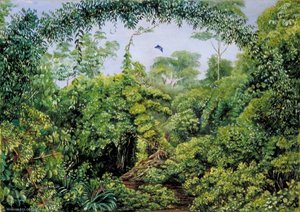
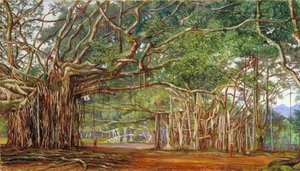
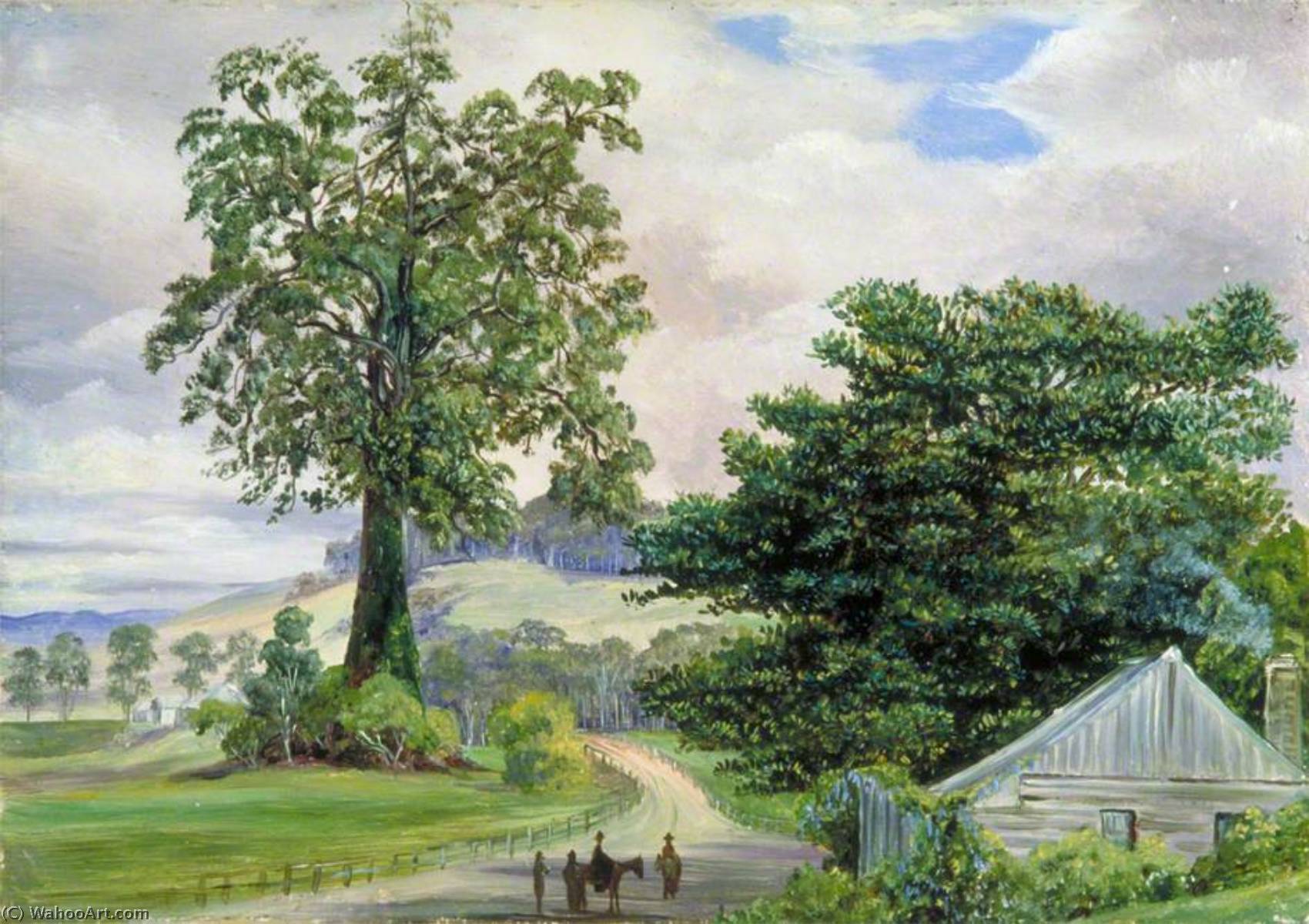
Fig Tree Village and Its Big Godfather, Illawarra
 Oil On Canvas
- WallArt
- Victorian Adventurer in Bloom
 1880
1880 26.0 x 36.0 cm
 Marianne North Gallery
 詳細を見る
詳細を見る
ジークレー/アートプリント
迅速な制作と多彩な仕上げオプションを備えた、ミュージアムクオリティのジークレーまたはキャンバスプリント。 ( 手描きの絵画を購入 画像を購入)




P118B $10

P118H $10

P118W $10

P438Z $10

P508JH $12

P508YH $12

P805H $10

P805Z $10

P919BZ $10

P919G $10

P919XJ $10

P959ZH $10

P968JZ $12

W106C $8

W218G $10

W218JH $8

W218Y $10

W307PJ $10

W316G $10

W316PJ $8

W316Y $10

W398PJ $8

W4111J $10

W500HY $15

W500JH $15

W692G $12

W849H $8

W940BG $15

W953PJ $8




作品のオリジナル比率に合わせた、当店の規定サイズからお選びください。

特定のフレームやスペースに合わせて、ご自身でサイズを指定することも可能です。選択されたサイズが元の画像の比率と一致しない場合、作品をトリミングするか、鏡面反射または単色での塗りつぶしによって画像を拡張いたします。制作を開始する前に、ご確認用のデジタルモックアップをお送りいたします。
画面上のプレビューには、実際のトリミングや拡張は反映されませんのでご注意ください。最終的な構図を正確に確認できるのは、モックアップのみとなります。
カスタムサイズも承っておりますが、元の比率を維持するためには、あらかじめ用意されたリストからサイズを選択することをお勧めいたします。


 ガラスオプションは、110cm未満のサイズでのみご利用いただけます。

Fig Tree Village and Its Big Godfather, Illawarra
ジークレー/アートプリント
複製画のサイズ
-


合計金額
$ 62
作品詳細説明
A Victorian Vision of Rural Harmony: Marianne North’s “Fig Tree Village”
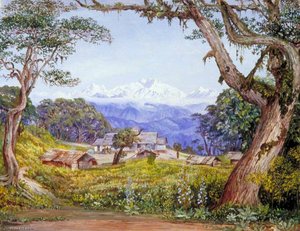
Marianne North's "Fig Tree Village and Its Big Godfather, Illawarra," painted in 1880, isn’t merely a depiction of a landscape; it’s a carefully constructed tableau brimming with Victorian sensibilities, botanical observation, and a subtle narrative of community. The painting transports the viewer to a small Australian village nestled beneath the sprawling canopy of a colossal fig tree – a landmark so imposing that it dominates the scene, effectively acting as both guardian and central figure. North, a pioneering botanist and artist who dedicated her life to documenting the world’s flora through meticulous watercolor paintings, imbued this work with an almost anthropological interest in the lives intertwined with the natural world.
The style leans heavily into the aesthetic conventions of the late Victorian era – a romanticized view of rural life. The composition is deliberately balanced, employing a classical arrangement reminiscent of Dutch Golden Age landscapes. A gentle recession into the distance creates depth, drawing the eye towards the village and then back to the monumental fig tree. Notice the careful attention to detail: the thatched roofs of the cottages, the simple clothing of the villagers, and the meticulously rendered foliage all contribute to an atmosphere of quiet contentment. Yet, there’s a distinct lack of dynamism; it's a scene frozen in time, radiating a serene stillness that speaks volumes about North’s artistic vision.
The Fig Tree: A Symbol of Shelter and Authority
The colossal fig tree itself is the undeniable focal point. Its immense trunk, nearly as wide as the entire canvas, isn't just a structural element; it’s a potent symbol. Figs were historically associated with protection, fertility, and abundance in many cultures – qualities mirrored in this idyllic village setting. The “Big Godfather” moniker, subtly suggested by the painting’s title, elevates the tree to a position of authority and benevolent guardianship over the community below. It's a visual representation of nature providing sustenance and shelter, a cornerstone of Victorian ideals about the harmony between humanity and the natural world.
The villagers, rendered with understated dignity, appear engaged in everyday activities – tending gardens, chatting by the tree’s roots, perhaps even sharing a meal. Their presence reinforces the theme of communal life and the importance of connection to one another and their environment. There's an almost timeless quality to their interactions, suggesting a way of life rooted in tradition and respect for the land.
Technique and Context: A Pioneering Approach
North’s technique is remarkably precise for a watercolorist. She employed a layering method, building up color gradually to achieve rich textures and subtle gradations of light and shadow. The meticulous detail in the foliage – each leaf, each branch – demonstrates her dedication to botanical accuracy. Crucially, North wasn't simply copying what she saw; she was actively interpreting it through an artistic lens. Her paintings were not mere illustrations but carefully considered compositions designed to evoke a specific mood and convey a deeper meaning.
Born in 1830, Marianne North defied societal expectations by embarking on a lifelong journey of exploration and artistic creation. She traveled extensively throughout the world, often venturing into remote regions where few Western artists had ever ventured. Her work was groundbreaking for its time – a rare example of a woman artist pursuing her passion with unwavering determination and producing scientifically accurate botanical illustrations. “Fig Tree Village” exemplifies this spirit of adventure and intellectual curiosity, reflecting North’s commitment to documenting the beauty and diversity of the natural world.
A Legacy of Observation and Beauty
Today, "Fig Tree Village and Its Big Godfather, Illawarra" stands as a testament to Marianne North's extraordinary life and artistic legacy. It offers a glimpse into a bygone era – a time when artists sought to capture the essence of nature and celebrate the simple pleasures of rural life. The painting’s enduring appeal lies in its ability to transport us to another place and time, inviting us to contemplate the profound connection between humanity and the natural world. Reproductions of this captivating artwork offer a beautiful way to bring a touch of Victorian charm and botanical inspiration into any space.
関連作品
アーティストの略歴
ヴィクトリア朝の冒険家、植物画家マリアンヌ・ノース
19世紀後半、社会規範に縛られず、自らの足で世界を駆け巡り、その目に映った鮮やかな植物たちをキャンバスに永遠に残した女性芸術家、マリアンヌ・ノース。彼女の人生は、絵筆と冒険心という二つの情熱によって彩られた、まさに稀有な物語です。ハンプシャー州のハスティングスで生まれたノースは、当初音楽の才能が開花しそうでしたが、病に倒れ、その代わりに花の絵画へと情熱を注ぎました。やがて彼女は、単なる趣味から、世界中の植物相を記録するという壮大な芸術的探求へと旅立ちます。
ノースの冒険は、1870年代初頭に本格的に始まりました。父親の死後、彼女は自らの財産を元手に、北米、南米、アジア、オセアニアと、地球上のあらゆる地域を訪れました。カナダの雄大な森林からブラジルの熱帯雨林、日本の繊細な桜並木まで、彼女はそれぞれの土地に息づく植物たちの生命力と美しさを、油彩という珍しい技法で描き出しました。当時の女性が単独で世界を旅することは稀であり、ノースの行動は、社会的な制約を打ち破る大胆さを示すものでした。
芸術的特徴について言えば、ノースの作品は、その写実性と鮮やかな色彩が際立っています。彼女は植物の形態だけでなく、周囲の環境や光の表現にもこだわり、まるでそこにいるかのような臨場感を創り出しました。また、単なる植物の記録にとどまらず、それぞれの土地の風景や文化も描き込み、作品に深みを与えています。例えば、ボルネオの熱帯雨林を描いた「テゴロ、サラワク」は、その息を呑むような緑と光のコントラストによって、見る者を異次元の世界へと誘います。
ノースの芸術的探求は、単なる個人的な情熱にとどまらず、科学的な価値も持ち合わせていました。彼女は植物学者のジョセフ・ダルトン・フッカーと親交があり、その影響を受けながら、植物の観察眼を磨き上げました。彼女の作品は、当時の植物相の研究に貴重な資料を提供し、失われつつある自然環境の記録として、今日でも重要な意義を持っています。
キューガーデンズにおける遺産
ノースが世界中から持ち帰った膨大なコレクションは、1882年にロンドンのキューガーデンズに寄贈され、彼女自身の名前を冠した「マリアンヌ・ノース・ギャラリー」として公開されました。これは、女性芸術家による単独の展示室としては、イギリスにおいて他に類を見ないものであり、彼女の功績を称えるとともに、後世の芸術家や科学者へのインスピレーションの源となっています。ギャラリーには800点を超える作品が収蔵されており、ノースの冒険と芸術的才能の証として、今もなお多くの人々を魅了し続けています。
彼女の作品群は、単なる植物画のコレクションではありません。それは、19世紀末の世界の自然環境を鮮やかに映し出すタイムカプセルのようなものであり、現代社会が直面する環境問題への警鐘とも言えるでしょう。ノースの遺産は、芸術と科学の融合という形で、未来へと受け継がれていくのです。
影響と意義
マリアンヌ・ノースは、ヴィクトリア朝時代の女性にとっての可能性を広げた先駆者として、今日でも高く評価されています。彼女の冒険心、芸術的才能、そして科学への情熱は、多くの人々に勇気を与え、社会的な制約を超えて自らの夢を追求することの大切さを教えてくれます。また、彼女の作品は、自然保護の重要性を訴えるメッセージとして、現代社会においても共鳴し続けています。
- 影響を受けた芸術家: フレデリック・エドウィン・チャーチ
- 主な作品: 「テゴロ、サラワク」、「ヒマラヤの道」、「アジュメール湖」
- ギャラリーの場所: ロンドンのキューガーデンズ
マリアンヌ・ノースは、絵筆を通して世界を記録し、その美しさを後世に伝えるという使命を果たしました。彼女の作品は、自然への畏敬の念と、芸術を通じて世界を変えることのできる力を、私たちに教えてくれるのです。
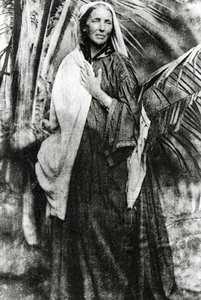
マリアン・ノース
1830 - 1890 , イギリス
基本情報
- フルネーム: マリアンヌ・ノース
- 主な作品:
- テゴロ、サラワク
- チベットからの道
- アジュメール湖
- 出身地: ハスティングズ、イギリス
- 国籍: イギリス
- 影響を受けたアーティスト: ['ジョセフ・ダルトン・フッカー']
- 没年月日: 1890年8月30日
- 生年月日: 1830年10月24日
- 芸術運動またはスタイル: ヴィクトリア朝自然主義
関連記事
Marianne North's Masterpieces: 25 Botanical Paintings That Bloom With Adventure | ArtsDot
Journey through the vibrant world of Marianne North’s botanical paintings! Explore 25 iconic artworks from this Victorian artist, celebrating exotic flora & travel. Find museum-quality reproductions and curated decor ideas at ArtsDot.com.
Victorian Botanical Painting: Science, Art & Aesthetic Sensibility
Explore the exquisite world of Victorian botanical art! Discover the science & artistry behind stunning floral illustrations by Gould, Muckley & more. Learn about collecting, value & investment at ArtsDot.
The Flourishing Canvas: A Historical Journey Through Botanical Illustration
Explore the captivating history of botanical illustration! Discover renowned artists like Robert Havell & Mary Walcott, learn about techniques, and find museum-quality art at ArtsDot.com.
The Flourishing Canvas: A Historical Journey Through Botanical Illustration
Explore the captivating history of botanical illustration! Discover renowned artists like Robert Havell & Mary Walcott, learn about techniques, and find museum-quality art at ArtsDot.com.
Arboreal Echoes: A Historical & Artistic Exploration of Trees in Painting
Explore the rich history of trees in painting! Discover symbolism, Romantic masterpieces by Caspar David Friedrich & beyond. A curated journey for art enthusiasts.