 プレビュー
プレビュー
 プリントを購入
 シェアする
シェアする シェアする
シェアする
 詳細を見る
詳細を見る

 ダウンロード
 似ている作品
 X線調査
X線調査 スライドショー
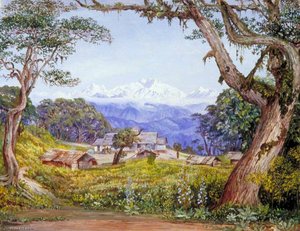
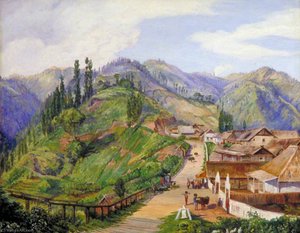
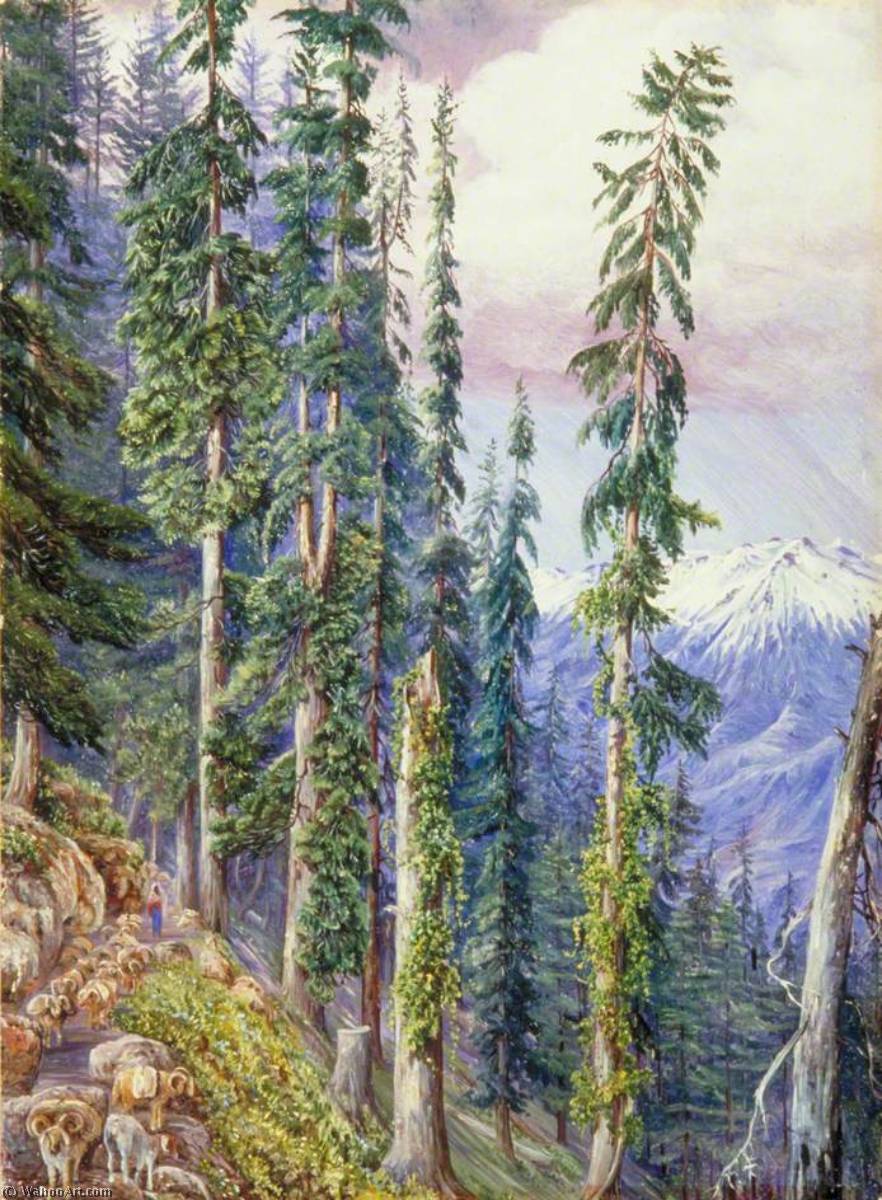
On the Way from Tibet near Nagkunda, North India
 Oil On Canvas
- WallArt
- Romantic Landscape Painting
 1878
1878 47.0 x 34.0 cm
 Marianne North Gallery
 詳細を見る
詳細を見る




P118B $10

P118H $10

P118W $10

P438Z $10

P508JH $12

P508YH $12

P805H $10

P805Z $10

P919BZ $10

P919G $10

P919XJ $10

P959ZH $10

P968JZ $12

W106C $8

W218G $10

W218JH $8

W218Y $10

W307PJ $10

W316G $10

W316PJ $8

W316Y $10

W398PJ $8

W4111J $10

W500HY $15

W500JH $15

W692G $12

W849H $8

W940BG $15

W953PJ $8




作品のオリジナル比率に合わせた、当店の規定サイズからお選びください。

特定のフレームやスペースに合わせて、ご希望のサイズをご入力いただけます。選択されたサイズが元の画像の比率と異なる場合、アートワークをトリミングするか、手描きで要素を追加して絵画を拡張いたします。デジタルモックアップ を制作し、制作開始前にご確認(承認)をいただきます。
画面上のプレビューは、実際のトリミングや拡張を正確に反映しているものではありません。最終的な構図は、モックアップによってのみ正確にご確認いただけます。
カスタムサイズもご利用いただけますが、元の比率を維持するためには、あらかじめ用意されたリストからサイズを選択することをお勧めいたします。
ご注文後、ArtsDot.com チームより詳細な指示をお送りするとともに、仕上がりイメージ(モックアップ)をご提供いたします。


 ガラスオプションは、110cm未満のサイズでのみご利用いただけます。

On the Way from Tibet near Nagkunda, North India
複製技法
複製画のサイズ
-


合計金額
$ 263
A Vision of the Roof of the World: Marianne North’s “On the Way from Tibet”
Marianne North's "On the Way from Tibet near Nagkunda, North India," painted in 1878, isn’t merely a landscape; it’s an immersive experience. Captured with a Romantic sensibility and executed in rich oil paints, this artwork transports us to the dramatic heights of the Himalayas, specifically the region surrounding Nagkunda in present-day Himachal Pradesh. It's a testament to North’s extraordinary dedication – she spent years traversing continents, meticulously documenting flora and fauna, and ultimately establishing her own gallery dedicated to showcasing her remarkable findings. This painting embodies that spirit of adventurous scientific observation blended with profound artistic appreciation for the natural world.
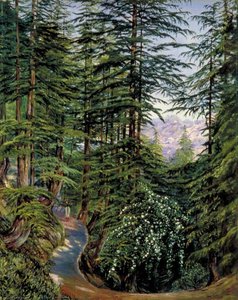
The scene unfolds before us: towering evergreen trees, their branches reaching towards a perpetually snow-capped mountain range. The composition is powerfully vertical, emphasizing the scale and grandeur of these colossal peaks – a deliberate choice to evoke a sense of awe and humility in the viewer. A winding path, barely discernible amidst the dense forest, hints at human presence within this vast wilderness, grounding the scene while simultaneously highlighting the immensity of the landscape. The light is soft and diffused, suggesting either an overcast day or the early morning’s first blush, contributing to a mood of serene contemplation.
Romantic Realism: Technique and Artistic Choices
North's technique is characterized by a masterful blend of Romantic idealism and meticulous realism. The brushstrokes are visible, lending texture and depth to the foliage and rock formations – a deliberate departure from the smooth, polished surfaces favored by some contemporary artists. She employed layering techniques, building up color gradually to create atmospheric perspective, with distant mountains rendered in cooler blues and grays, while closer trees retain their vibrant greens and browns. The use of subtle gradations of color adds to the illusion of depth and volume, drawing the eye into the heart of the forest.
Notably, North’s approach was remarkably unconventional for a female artist of her time. She eschewed formal training, preferring to learn through direct observation and tireless travel. This self-taught expertise is evident in the accuracy with which she depicts the Himalayan flora and geology – a testament to her dedication as both an artist and a botanist. The painting’s palette leans heavily towards cool tones—blues, greens, and grays—creating a sense of tranquility and reflecting the crisp mountain air. However, warmer browns and yellows are strategically placed in the foreground vegetation, providing visual contrast and anchoring the scene to the earth.
Symbolism and the Spirit of Exploration
Beyond its stunning depiction of a specific landscape, “On the Way from Tibet” carries deeper symbolic weight. The towering mountains represent not only physical grandeur but also the challenges and mysteries of exploration – mirroring North’s own relentless pursuit of knowledge and adventure. The winding path symbolizes humanity's journey through nature, inviting us to contemplate our place within this vast and ancient world. The painting speaks to a Romantic fascination with the sublime—the awe-inspiring power and beauty of the natural world that can simultaneously inspire both reverence and humility.
Furthermore, it’s important to consider North's broader context: she was a pioneer for women in science and art. Her dedication to documenting the natural world, often venturing into remote and challenging locations, challenged societal expectations and paved the way for future generations of female explorers and artists. “On the Way from Tibet” stands as a powerful reminder of her extraordinary legacy – a celebration of both artistic skill and unwavering curiosity.
A Timeless Masterpiece: Reproduction and Inspiration
Reproductions of "On the Way from Tibet near Nagkunda, North India" capture the essence of this remarkable painting. Whether adorning a wall in a study or gracing a living room, it evokes a sense of tranquility, adventure, and connection to the natural world. Its rich colors, detailed textures, and evocative composition make it an ideal choice for those seeking a piece that is both visually stunning and intellectually stimulating. Consider framing this artwork within a contemporary setting – its dramatic scale will command attention while its timeless subject matter offers a constant source of inspiration.
関連作品
アーティストの略歴
ヴィクトリア朝の冒険家、植物画家マリアンヌ・ノース
19世紀後半、社会規範に縛られず、自らの足で世界を駆け巡り、その目に映った鮮やかな植物たちをキャンバスに永遠に残した女性芸術家、マリアンヌ・ノース。彼女の人生は、絵筆と冒険心という二つの情熱によって彩られた、まさに稀有な物語です。ハンプシャー州のハスティングスで生まれたノースは、当初音楽の才能が開花しそうでしたが、病に倒れ、その代わりに花の絵画へと情熱を注ぎました。やがて彼女は、単なる趣味から、世界中の植物相を記録するという壮大な芸術的探求へと旅立ちます。
ノースの冒険は、1870年代初頭に本格的に始まりました。父親の死後、彼女は自らの財産を元手に、北米、南米、アジア、オセアニアと、地球上のあらゆる地域を訪れました。カナダの雄大な森林からブラジルの熱帯雨林、日本の繊細な桜並木まで、彼女はそれぞれの土地に息づく植物たちの生命力と美しさを、油彩という珍しい技法で描き出しました。当時の女性が単独で世界を旅することは稀であり、ノースの行動は、社会的な制約を打ち破る大胆さを示すものでした。
芸術的特徴について言えば、ノースの作品は、その写実性と鮮やかな色彩が際立っています。彼女は植物の形態だけでなく、周囲の環境や光の表現にもこだわり、まるでそこにいるかのような臨場感を創り出しました。また、単なる植物の記録にとどまらず、それぞれの土地の風景や文化も描き込み、作品に深みを与えています。例えば、ボルネオの熱帯雨林を描いた「テゴロ、サラワク」は、その息を呑むような緑と光のコントラストによって、見る者を異次元の世界へと誘います。
ノースの芸術的探求は、単なる個人的な情熱にとどまらず、科学的な価値も持ち合わせていました。彼女は植物学者のジョセフ・ダルトン・フッカーと親交があり、その影響を受けながら、植物の観察眼を磨き上げました。彼女の作品は、当時の植物相の研究に貴重な資料を提供し、失われつつある自然環境の記録として、今日でも重要な意義を持っています。
キューガーデンズにおける遺産
ノースが世界中から持ち帰った膨大なコレクションは、1882年にロンドンのキューガーデンズに寄贈され、彼女自身の名前を冠した「マリアンヌ・ノース・ギャラリー」として公開されました。これは、女性芸術家による単独の展示室としては、イギリスにおいて他に類を見ないものであり、彼女の功績を称えるとともに、後世の芸術家や科学者へのインスピレーションの源となっています。ギャラリーには800点を超える作品が収蔵されており、ノースの冒険と芸術的才能の証として、今もなお多くの人々を魅了し続けています。
彼女の作品群は、単なる植物画のコレクションではありません。それは、19世紀末の世界の自然環境を鮮やかに映し出すタイムカプセルのようなものであり、現代社会が直面する環境問題への警鐘とも言えるでしょう。ノースの遺産は、芸術と科学の融合という形で、未来へと受け継がれていくのです。
影響と意義
マリアンヌ・ノースは、ヴィクトリア朝時代の女性にとっての可能性を広げた先駆者として、今日でも高く評価されています。彼女の冒険心、芸術的才能、そして科学への情熱は、多くの人々に勇気を与え、社会的な制約を超えて自らの夢を追求することの大切さを教えてくれます。また、彼女の作品は、自然保護の重要性を訴えるメッセージとして、現代社会においても共鳴し続けています。
- 影響を受けた芸術家: フレデリック・エドウィン・チャーチ
- 主な作品: 「テゴロ、サラワク」、「ヒマラヤの道」、「アジュメール湖」
- ギャラリーの場所: ロンドンのキューガーデンズ
マリアンヌ・ノースは、絵筆を通して世界を記録し、その美しさを後世に伝えるという使命を果たしました。彼女の作品は、自然への畏敬の念と、芸術を通じて世界を変えることのできる力を、私たちに教えてくれるのです。
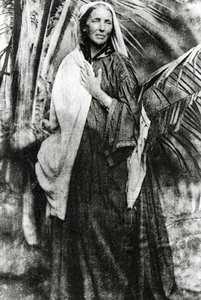
マリアン・ノース
1830 - 1890 , イギリス
基本情報
- フルネーム: マリアンヌ・ノース
- 主な作品:
- テゴロ、サラワク
- チベットからの道
- アジュメール湖
- 出身地: ハスティングズ、イギリス
- 国籍: イギリス
- 影響を受けたアーティスト: ['ジョセフ・ダルトン・フッカー']
- 没年月日: 1890年8月30日
- 生年月日: 1830年10月24日
- 芸術運動またはスタイル: ヴィクトリア朝自然主義
関連記事
Marianne North's Masterpieces: 25 Botanical Paintings That Bloom With Adventure | ArtsDot
Journey through the vibrant world of Marianne North’s botanical paintings! Explore 25 iconic artworks from this Victorian artist, celebrating exotic flora & travel. Find museum-quality reproductions and curated decor ideas at ArtsDot.com.

ロマン派ランドスケープ:時代を彩る巨匠の10選|アートとインテリアの世界
ロマン派絵画の時代を彩る10選。巨匠たちの風景が織りなす感動の世界へ。ターナー、ルーベンスなど、名作の裏話と高精細複製でアートをお部屋に。ArtsDot.comで至福のアート体験を。

Evocations of Place: A Historical Journey Through Landscape Art
Explore the rich history of landscape art with ArtsDot. Discover renowned artists, movements like Impressionism & Romanticism, and expert guidance for collecting timeless pieces. Find your perfect serene escape today!
The Sublime and the Picturesque: Exploring Emotion & Nature in Romantic Landscape Painting
Explore the emotional power of Romantic landscape painting! Discover the sublime & picturesque traditions, key artists like Friedrich & Cole, and find your perfect artwork at ArtsDot.
Evoking Emotion & Transcendence: Romantic Landscape Painting (18th-19th Century)
Explore the emotional depth of Romantic landscape painting (18th-19th century). Discover key artists like Friedrich & Cole, and the concepts of the sublime. Expert insights for art lovers & collectors.