 シェアする
シェアする シェアする
シェアする
 詳細を見る
詳細を見る

 ダウンロード
 似ている作品
 スライドショー
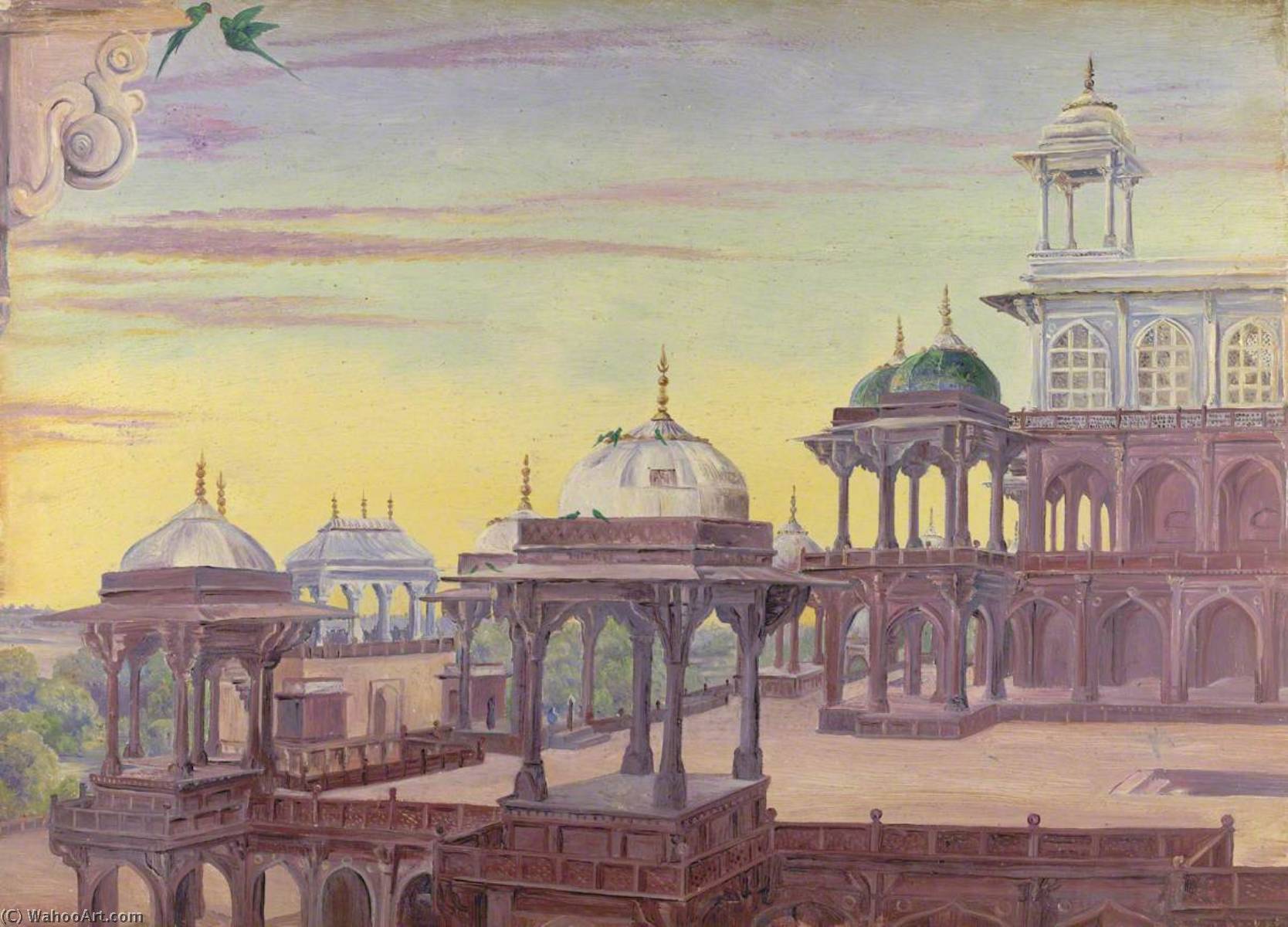
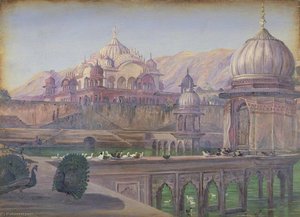
'Sikundra. Agra. India. April 1878'
 Giclée Print
- Digital
- Mughal Miniature Painting
 1878
1878 35.0 x 48.0 cm
 大英図書館
大英図書館
 詳細を見る
詳細を見る
ジークレー/アートプリント
迅速な制作と多彩な仕上げオプションを備えた、ミュージアムクオリティのジークレーまたはキャンバスプリント。 ( 手描きの絵画を購入 画像を購入)




































作品のオリジナル比率に合わせた、当店の規定サイズからお選びください。

特定のフレームやスペースに合わせて、ご自身でサイズを指定することも可能です。選択されたサイズが元の画像の比率と一致しない場合、作品をトリミングするか、鏡面反射または単色での塗りつぶしによって画像を拡張いたします。制作を開始する前に、ご確認用のデジタルモックアップをお送りいたします。
画面上のプレビューには、実際のトリミングや拡張は反映されませんのでご注意ください。最終的な構図を正確に確認できるのは、モックアップのみとなります。
カスタムサイズも承っておりますが、元の比率を維持するためには、あらかじめ用意されたリストからサイズを選択することをお勧めいたします。


 ガラスオプションは、110cm未満のサイズでのみご利用いただけます。

'Sikundra. Agra. India. April 1878'
ジークレー/アートプリント
複製画のサイズ
-


合計金額
$ 62
作品詳細説明
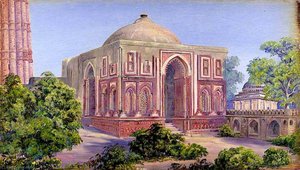
A Glimpse of Mughal Majesty: Marianne North’s ‘Sikundra. Agra. India. April 1878’
Marianne North's 'Sikundra. Agra. India. April 1878' is more than just a depiction of an Indian tomb complex; it’s a vibrant window into the spirit of a Victorian explorer and artist who defied societal expectations to pursue her passions with unwavering determination. Painted in 1878, this exquisite miniature captures the grandeur and serenity of Sikundra, a mausoleum within Agra's Mughal architectural landscape, bathed in the ethereal light of either dawn or dusk. The scene unfolds as an elevated perspective reveals a meticulously crafted ensemble of arched pavilions and slender columns, creating a profound sense of spatial depth and echoing the power and wealth associated with the Mughal dynasty.
North’s artistic journey began not with grand salons but with a deep fascination for botany, fueled by personal circumstances following her mother's death. This passion led her on an extraordinary series of expeditions across Asia and Africa, during which she meticulously documented and painted hundreds of plant species – a remarkable feat for a woman traveling alone in the late 19th century. ‘Sikundra’ exemplifies this dedication to observation; every detail, from the intricate carvings adorning the pavilions to the subtle play of light on the stone surfaces, speaks to North's keen eye and her commitment to capturing the essence of her subjects.
The Language of Mughal Art
The painting is firmly rooted in the rich tradition of Mughal miniature painting. The composition adheres to a classic symmetrical arrangement, with the largest pavilion dominating the central focus – a technique designed to draw the viewer’s eye towards the horizon and establish a sense of balance and order. Notice the deliberate use of straight lines defining the architecture, juxtaposed against the gentle curves of the arches and decorative elements; this interplay creates visual interest and reinforces the painting's formal structure. The flattened perspective, characteristic of Mughal miniatures, lends a stylized quality to the scene, prioritizing beauty and elegance over strict realism.
The color palette is remarkably restrained yet luminous, relying on layered washes of pigment – likely egg tempera or a similar medium – to achieve subtle gradations and atmospheric effects. The artist masterfully employs light and shadow to sculpt the forms, creating an illusion of depth and volume within the confined space of the miniature. Floral motifs and stylized birds are delicately interwoven throughout the design, adding flourishes of ornamentation that were integral to Mughal aesthetics and symbolizing prosperity and eternal life.
Symbolism and Historical Context
'Sikundra' is not merely a picturesque landscape; it’s imbued with symbolic meaning reflective of Mughal culture. The tomb complex itself represents power, wealth, and devotion – hallmarks of the Mughal emperors who commissioned such elaborate monuments to honor their ancestors. The architectural elements—the towering pavilions, the graceful arches, and the carefully arranged gardens—were all designed to evoke a sense of paradise on earth, reflecting the Mughal belief in the afterlife and the importance of religious piety. The painting offers a poignant glimpse into a world where art served as both a testament to imperial authority and a conduit for spiritual contemplation.
A Timeless Masterpiece – Reproduction Possibilities
ArtsDot is proud to offer meticulously crafted hand-painted reproductions of Marianne North’s ‘Sikundra. Agra. India. April 1878’. These reproductions capture the essence of the original, faithfully recreating the painting's delicate details, luminous colors, and atmospheric depth. Whether you are an art collector seeking a unique addition to your collection, or an interior designer searching for a captivating piece to enhance a space, our reproduction provides an authentic representation of this remarkable work. The scale of 35 x 48 cm makes it ideal for display in a variety of settings, bringing the beauty and serenity of Mughal India into your home or office.
関連作品
アーティストの略歴
ヴィクトリア朝の冒険家、植物画家マリアンヌ・ノース
19世紀後半、社会規範に縛られず、自らの足で世界を駆け巡り、その目に映った鮮やかな植物たちをキャンバスに永遠に残した女性芸術家、マリアンヌ・ノース。彼女の人生は、絵筆と冒険心という二つの情熱によって彩られた、まさに稀有な物語です。ハンプシャー州のハスティングスで生まれたノースは、当初音楽の才能が開花しそうでしたが、病に倒れ、その代わりに花の絵画へと情熱を注ぎました。やがて彼女は、単なる趣味から、世界中の植物相を記録するという壮大な芸術的探求へと旅立ちます。
ノースの冒険は、1870年代初頭に本格的に始まりました。父親の死後、彼女は自らの財産を元手に、北米、南米、アジア、オセアニアと、地球上のあらゆる地域を訪れました。カナダの雄大な森林からブラジルの熱帯雨林、日本の繊細な桜並木まで、彼女はそれぞれの土地に息づく植物たちの生命力と美しさを、油彩という珍しい技法で描き出しました。当時の女性が単独で世界を旅することは稀であり、ノースの行動は、社会的な制約を打ち破る大胆さを示すものでした。
芸術的特徴について言えば、ノースの作品は、その写実性と鮮やかな色彩が際立っています。彼女は植物の形態だけでなく、周囲の環境や光の表現にもこだわり、まるでそこにいるかのような臨場感を創り出しました。また、単なる植物の記録にとどまらず、それぞれの土地の風景や文化も描き込み、作品に深みを与えています。例えば、ボルネオの熱帯雨林を描いた「テゴロ、サラワク」は、その息を呑むような緑と光のコントラストによって、見る者を異次元の世界へと誘います。
ノースの芸術的探求は、単なる個人的な情熱にとどまらず、科学的な価値も持ち合わせていました。彼女は植物学者のジョセフ・ダルトン・フッカーと親交があり、その影響を受けながら、植物の観察眼を磨き上げました。彼女の作品は、当時の植物相の研究に貴重な資料を提供し、失われつつある自然環境の記録として、今日でも重要な意義を持っています。
キューガーデンズにおける遺産
ノースが世界中から持ち帰った膨大なコレクションは、1882年にロンドンのキューガーデンズに寄贈され、彼女自身の名前を冠した「マリアンヌ・ノース・ギャラリー」として公開されました。これは、女性芸術家による単独の展示室としては、イギリスにおいて他に類を見ないものであり、彼女の功績を称えるとともに、後世の芸術家や科学者へのインスピレーションの源となっています。ギャラリーには800点を超える作品が収蔵されており、ノースの冒険と芸術的才能の証として、今もなお多くの人々を魅了し続けています。
彼女の作品群は、単なる植物画のコレクションではありません。それは、19世紀末の世界の自然環境を鮮やかに映し出すタイムカプセルのようなものであり、現代社会が直面する環境問題への警鐘とも言えるでしょう。ノースの遺産は、芸術と科学の融合という形で、未来へと受け継がれていくのです。
影響と意義
マリアンヌ・ノースは、ヴィクトリア朝時代の女性にとっての可能性を広げた先駆者として、今日でも高く評価されています。彼女の冒険心、芸術的才能、そして科学への情熱は、多くの人々に勇気を与え、社会的な制約を超えて自らの夢を追求することの大切さを教えてくれます。また、彼女の作品は、自然保護の重要性を訴えるメッセージとして、現代社会においても共鳴し続けています。
- 影響を受けた芸術家: フレデリック・エドウィン・チャーチ
- 主な作品: 「テゴロ、サラワク」、「ヒマラヤの道」、「アジュメール湖」
- ギャラリーの場所: ロンドンのキューガーデンズ
マリアンヌ・ノースは、絵筆を通して世界を記録し、その美しさを後世に伝えるという使命を果たしました。彼女の作品は、自然への畏敬の念と、芸術を通じて世界を変えることのできる力を、私たちに教えてくれるのです。
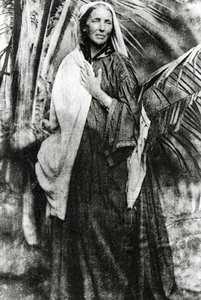
マリアン・ノース
1830 - 1890 , イギリス
基本情報
- フルネーム: マリアンヌ・ノース
- 主な作品:
- テゴロ、サラワク
- チベットからの道
- アジュメール湖
- 出身地: ハスティングズ、イギリス
- 国籍: イギリス
- 影響を受けたアーティスト: ['ジョセフ・ダルトン・フッカー']
- 没年月日: 1890年8月30日
- 生年月日: 1830年10月24日
- 芸術運動またはスタイル: ヴィクトリア朝自然主義
関連記事
Marianne North's Masterpieces: 25 Botanical Paintings That Bloom With Adventure | ArtsDot
Journey through the vibrant world of Marianne North’s botanical paintings! Explore 25 iconic artworks from this Victorian artist, celebrating exotic flora & travel. Find museum-quality reproductions and curated decor ideas at ArtsDot.com.
Raja Ravi Varma: Bridging Tradition & Modernity in 19th-Century Indian Art
Explore the life & art of Raja Ravi Varma, a pioneer who fused European techniques with Indian iconography. Discover his iconic paintings, lasting legacy, and influence on modern Indian art at ArtsDot.
Shadow Catcher: Edward S. Curtis & the Ethnographic Portraiture of a Vanishing West
Explore the life & work of Edward S. Curtis, the 'Shadow Catcher,' and his groundbreaking photographic documentation of Native American cultures. Discover iconic images from *The North American Indian* and a critical look at his lasting legacy.

Echoes of 1878: Artistic Responses to a Year of Transformation & Turmoil
Explore the artistic landscape of 1878! Discover Realism & Impressionism masters like Degas & Renoir, and their captivating depictions of Parisian life. Learn about collecting art from this pivotal era.
The Flourishing Canvas: A Historical Journey Through Botanical Illustration
Explore the captivating history of botanical illustration! Discover renowned artists like Robert Havell & Mary Walcott, learn about techniques, and find museum-quality art at ArtsDot.com.