

 プレビュー
プレビュー
 プリントを購入
 シェアする
シェアする シェアする
シェアする
 詳細を見る
詳細を見る

 ダウンロード
 似ている作品
 X線調査
X線調査 スライドショー
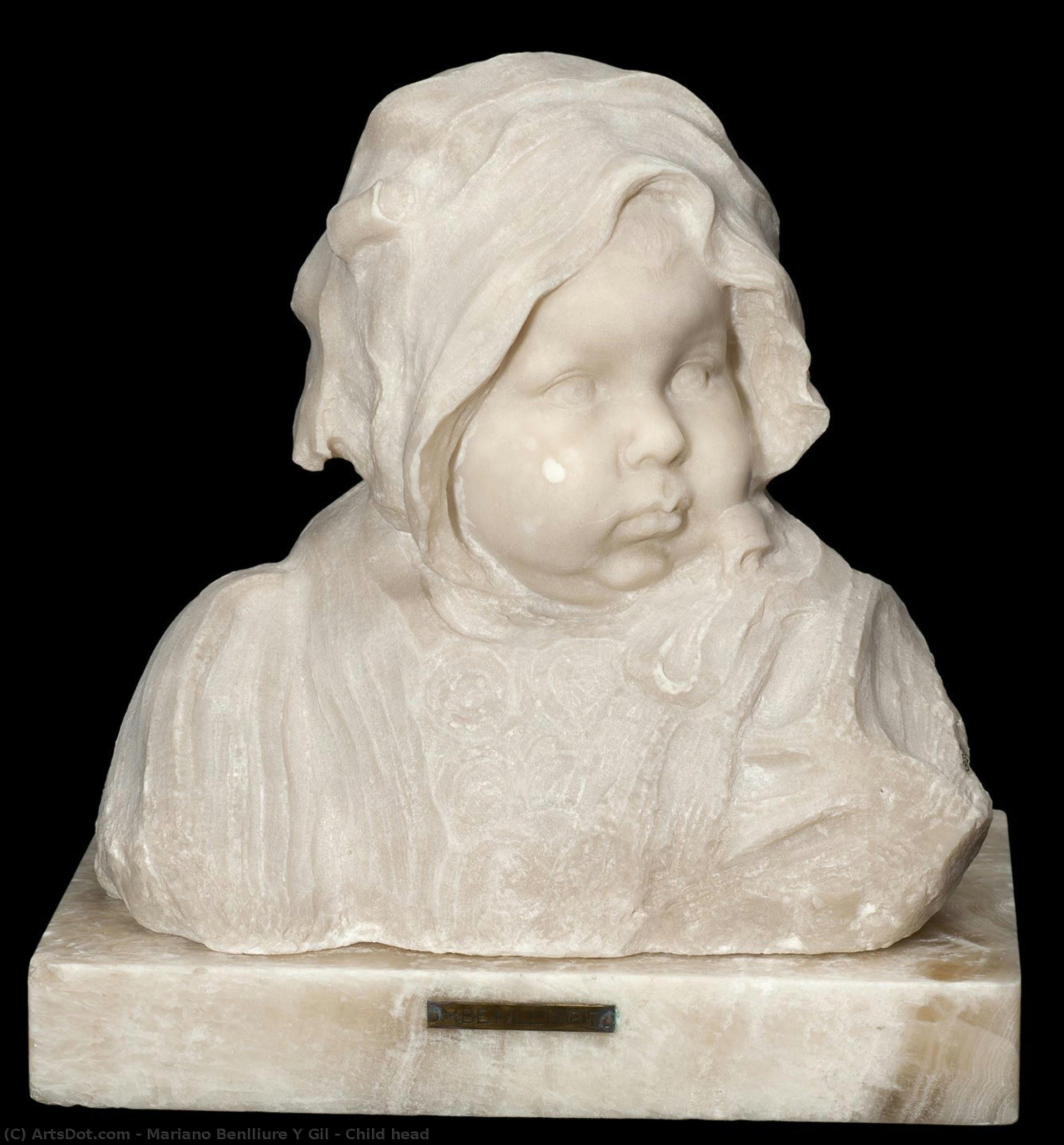
Child head
 Acrylic On Canvas
- WallArt
- Heroic realism
 1912
1912 36.0 x 37.0 cm
 Vil·la Casals-Museu Pau Casals
 詳細を見る
詳細を見る
オンラインプレビューをはるかに凌ぐ、高解像度で鮮明なデジタル画像をご購入いただけます。
各ファイルは、社内の専門家が高度なツールと熟練した手作業によるレタッチを用いて、細心の注意を払って準備されています。すべての画像において、卓越した鮮明度、正確な色彩再現性、そして繊細なディテールを保証いたします。
最終ファイルは、プロフェッショナルな編集・印刷環境ですぐにご利用いただけるよう最適化された状態で、72時間以内にメールにてお届けいたします。これは、一流のデザインスタジオ、出版社、ギャラリーから信頼されているものと同等の品質です。
デジタル画像のご注文に付随する特典
高品質なデジタル画像配信を、確かな品質で。
ArtsDot.com を選ぶことは、単に画像を手に入れることではありません。それは、プロの手によって精密に仕上げられ、満足保証が付いた高品質なデジタルアートワークを受け取ることを意味します。ご注文いただいた際に自動的に付随する内容は、以下の通りです:

メールですぐにお届け
ご注文から72時間以内に、高解像度のデジタル画像ファイルがメールでお手元に届きます。すぐにそのままご利用いただけます。

AI技術で最適化されたデジタルファイル
お客様の作品は、高度なAIツールと専門家による手作業の編集を組み合わせてプロフェッショナルに最適化されており、細部のディテール、鮮明さ、そして正確な色再現性を最大限に引き出しています。

一生涯無料の再送サービス
ファイルを誤って削除したり、紛失してしまったりしましたか?ご安心ください。いつでも無料で再送いたします。

輸入手数料は一切かかりません
関税や手数料、配送料を気にすることなく、お気に入りのアートワークをすぐにお楽しみいただけます。デジタルダウンロードは常に免税です。

色彩再現の保証
プロ仕様のツールとカラーマネジメント技術を用いることで、デジタル画像が元の色を最大限に忠実に再現することを保証いたします。

100日間満足保証
ご購入いただいたデジタル画像にご満足いただけない場合は、100日以内であれば、修正または100%の返金(理由を問う必要はありません)をさせていただきます。

100% 返金保証
ご満足いただけない場合は、デジタルファイルを受け取ってから100日以内であれば、理由を問わず全額返金いたします。

まとめ買い割引
3枚購入で10%OFF - 5枚購入で15%OFF - 10枚以上購入で20%OFF。クリエイティブなプロジェクト、ギャラリー、エージェンシーに最適です。
A Fragment of Grief: Exploring the Poignancy of Mariano Benlliure’s “Child Head”
Mariano Benlliure y Gil's "Child Head," a small but profoundly moving sculpture created in 1912, transcends mere representation to embody a potent distillation of sorrow and vulnerability. Born in Valencia, Spain, during a period of significant artistic transition – bridging the realism of the past with nascent influences from Impressionism and Symbolism – Benlliure was already establishing himself as a master of capturing psychological depth through his sculpted portraits. This particular piece, rendered in a meticulously detailed marble that suggests both coolness and an underlying warmth, isn’t simply a depiction of a baby; it's a carefully constructed meditation on loss and the enduring nature of childhood innocence.
The photograph itself offers a remarkably intimate view. The artist has chosen to focus tightly on the infant’s face, emphasizing the delicate curve of its cheekbone, the subtle furrowing of its brow, and most strikingly, the suggestion of tears welling in its eyes. This close-up composition immediately draws the viewer into an almost unbearable proximity with the subject's emotional state. The marble’s texture is remarkably smooth, yet subtly veined – a deliberate choice that lends a sense of life and fragility to the stone, mirroring the ephemeral nature of childhood itself.
The Sculptor’s Legacy: Benlliure within the Spanish Artistic Landscape
Mariano Benlliure y Gil's career was inextricably linked with the vibrant artistic scene of late 19th and early 20th century Spain. He emerged from a family steeped in artistic tradition, benefiting from the tutelage of Francisco Domingo Marqués, a prominent painter and sculptor. This lineage instilled within him a deep understanding of classical forms and techniques, which he skillfully blended with his own distinctive style – characterized by a remarkable ability to convey emotion through subtle gestures and nuanced expressions. His work frequently explored themes of heroism and historical narrative, as evidenced in monumental sculptures like the “Monument to José de San Martín” in Peru and the “Tomb of Práxedes Mateo Sagasta” in Madrid. However, "Child Head" represents a shift towards a more introspective and emotionally charged subject matter, revealing a previously unseen vulnerability within his oeuvre.
The sculpture’s creation coincided with a period of social and political upheaval in Spain – the rise of republicanism and the subsequent instability of the monarchy. This context undoubtedly influenced Benlliure's artistic choices, prompting him to explore themes of loss, grief, and the fragility of human existence. The work is often interpreted as a poignant reflection on the anxieties and uncertainties of the era.
Symbolic Resonance: Tears, Stone, and the Echoes of Grief
The most arresting element of “Child Head” is undoubtedly the suggestion of tears streaming down the infant’s cheeks. While seemingly simple, this detail carries immense symbolic weight. It immediately evokes a sense of profound sadness and vulnerability, inviting viewers to contemplate the source of the child's sorrow. The marble itself – traditionally associated with permanence and endurance – serves as a stark contrast to the fleeting nature of childhood and the inevitability of loss. The cool, unyielding quality of the stone underscores the enduring nature of grief, suggesting that it can linger long after the initial pain has subsided.
Furthermore, the closed eyes of the child contribute to the sculpture’s overall sense of melancholy. They suggest a state of quiet contemplation, as if the infant is lost in its own thoughts and memories. The subtle tilt of the head adds another layer of complexity, hinting at a deep-seated sadness that transcends mere physical discomfort.
A Timeless Portrait of Vulnerability: Reproduction and Beyond
Reproductions of “Child Head” offer an exceptional opportunity to bring this poignant work into private collections and interior spaces. The meticulous detail captured in the original sculpture is faithfully reproduced, allowing viewers to appreciate the artist’s extraordinary skill and sensitivity. The choice of marble ensures a luxurious feel, while the subtle variations in tone and texture create a sense of depth and realism. Consider framing the reproduction within a simple, elegant setting – perhaps a neutral-toned room with soft lighting – to allow the sculpture's emotional impact to fully resonate. “Child Head” is more than just a beautiful object; it’s a powerful reminder of the fragility of life and the enduring power of human emotion.
関連作品


作家の略歴
A Legacy in Bronze and Stone: The Life and Art of Mariano Benlliure y Gil
Mariano Benlliure y Gil, born in Valencia, Spain, on September 8, 1862, emerged as one of the most significant Spanish sculptors of his generation. His story is one woven with familial artistic influence, a passionate pursuit of skill, and an eventual mastery that left an indelible mark on the public art landscape of Spain and beyond. From early inclinations towards depicting the drama of bullfighting – initially rendered in wax and then cast in bronze – Benlliure’s talent was evident from a young age. At just thirteen years old, his *modello* of a picador garnered recognition at the prestigious Exposición Nacional de Bellas Artes in 1876, signaling the arrival of a promising new voice in Spanish art. This early success wasn't merely a youthful flourish; it was the first step on a path that would lead him to embrace sculpture as his primary medium and establish himself as a leading figure in the heroic realist style. Initially exploring painting with studies in Paris, facilitated by his master Francisco Domingo Marqués, a pivotal journey to Rome in 1879 proved transformative. Encountering the monumental works of Michelangelo ignited within Benlliure a fervent dedication to sculpture, forever altering the course of his artistic career.The Shaping of a Style: Naturalism and Impressionistic Echoes
Benlliure’s artistic style is characterized by a compelling blend of meticulous naturalism and an impressionistic spontaneity that breathes life into his creations. He possessed an extraordinary ability to capture the essence of his subjects, imbuing them with both realism and profound artistic expression. This wasn't simply about replicating form; it was about conveying emotion, personality, and narrative through the language of sculpture. His skill became particularly evident in his monumental public works and exquisitely detailed portrait busts. These weren’t merely representations; they were statements—powerful tributes to historical figures and insightful studies of individual character. The tomb of Práxedes Mateo Sagasta within Madrid's Pantheon of Illustrious Men stands as a testament to this ability, while the monument to José de San Martín in Lima, Peru, demonstrates his international acclaim. Other notable works include the monuments dedicated to Álvaro de Bazán and Isabella the Catholic, each a powerful embodiment of Spanish history and national pride. Perhaps his most celebrated achievement is the bronze equestrian statue of Alfonso XII gracing Madrid’s El Retiro park—a dynamic composition that captures both the majesty of the monarch and the energy of the horse. Beyond these grand public statements, Benlliure excelled in sculptural portraits, immortalizing prominent figures like Joaquín Sorolla and León Bonnat with remarkable sensitivity and skill. Works such as “Odón de Buen”, “Queen Mª Cristina”, “Maestro Serrano” and “Ramon y Cajal” further showcase his mastery of portraiture, revealing a deep understanding of human anatomy and expression.Influences and Artistic Development
The foundations of Benlliure’s artistic journey were deeply rooted in family and tradition. His brother, José Benlliure y Gil, a painter himself, played an important role in his early development, fostering a creative environment that nurtured Mariano's burgeoning talent. However, it was the encounter with Michelangelo’s sculptures in Rome that proved to be the defining moment, solidifying his commitment to sculpture and shaping his artistic vision. Beyond this pivotal influence, Benlliure remained deeply connected to Spanish artistic traditions, frequently drawing inspiration from themes related to Spanish history, culture, and folklore. While firmly grounded in realism, he wasn't immune to the currents of modern art; impressionistic tendencies subtly infused his work, adding a sense of spontaneity and vibrancy to his compositions. This delicate balance between tradition and innovation is what sets Benlliure apart. His close friendship with the painter Joaquín Sorolla also played a role in his artistic evolution, influencing his use of light and color—qualities that he skillfully translated into the three-dimensional realm of sculpture.A Lasting Legacy
Mariano Benlliure y Gil is rightfully regarded as one of Spain’s most important sculptors. His contribution to public art is immense, enriching cities with monuments that commemorate historical figures and events, serving as enduring symbols of national identity and cultural heritage. He didn't just create sculptures; he created landmarks—points of reference for generations to come. Beyond his tangible works, Benlliure’s influence extended to subsequent artists, inspiring them with his realistic style, technical skill, and unwavering dedication to his craft. His legacy continues to resonate today, as his sculptures are admired not only for their artistic merit but also for their role in preserving Spain's rich cultural heritage. He passed away in Madrid on November 9, 1947, leaving behind a body of work that stands as a testament to his talent, vision, and enduring impact on the world of sculpture. His sculptures remain powerful reminders of a bygone era, yet their artistic qualities ensure they will continue to captivate and inspire for centuries to come.Notable Works
- The tomb of Práxedes Mateo Sagasta: A solemn tribute within the Pantheon of Illustrious Men, Madrid.
- Monument to José de San Martín: An imposing figure in Lima, Peru, honoring a pivotal South American leader.
- Monument to Álvaro de Bazán: A commanding presence in Plaza de la Villa, Madrid.
- Monument to Isabella the Catholic: A regal tribute in Granada, celebrating a significant historical figure.
- Monument to General Cassola: Located in Parque del Oeste, Madrid, commemorating a military leader.
- Monument to Maria Christina of Bourbon: An elegant sculpture gracing Madrid.
- Equestrian Statue of Alfonso XII: Perhaps his most iconic work, dominating El Retiro park in Madrid.
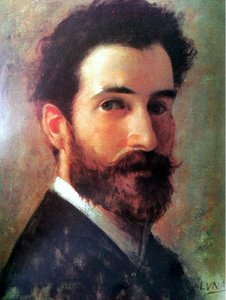
Mariano Benlliure y Gil
1862 - 1947