 プリントを購入
 シェアする
シェアする シェアする
シェアする
 詳細を見る
詳細を見る

 ダウンロード
 似ている作品
 スライドショー
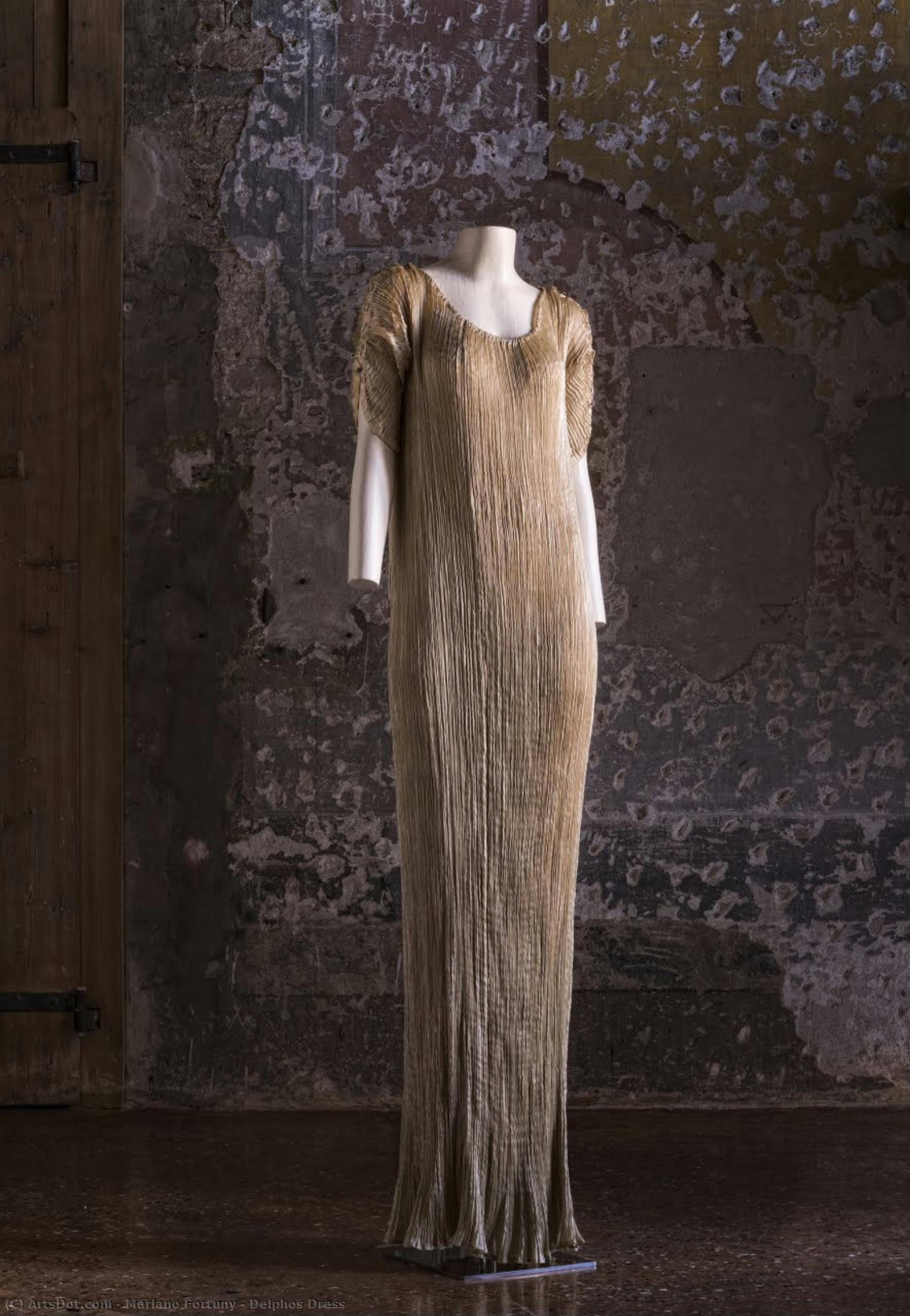
Delphos Dress


 詳細を見る
詳細を見る




































作品のオリジナル比率に合わせた、当店の規定サイズからお選びください。

特定のフレームやスペースに合わせて、ご希望のサイズをご入力いただけます。選択されたサイズが元の画像の比率と異なる場合、アートワークをトリミングするか、手描きで要素を追加して絵画を拡張いたします。デジタルモックアップ を制作し、制作開始前にご確認(承認)をいただきます。
画面上のプレビューは、実際のトリミングや拡張を正確に反映しているものではありません。最終的な構図は、モックアップによってのみ正確にご確認いただけます。
カスタムサイズもご利用いただけますが、元の比率を維持するためには、あらかじめ用意されたリストからサイズを選択することをお勧めいたします。
ご注文後、ArtsDot.com チームより詳細な指示をお送りするとともに、仕上がりイメージ(モックアップ)をご提供いたします。


 ガラスオプションは、110cm未満のサイズでのみご利用いただけます。

Delphos Dress
複製技法
複製画のサイズ
-


合計金額
$ 263
作品解説
The Enigmatic Delphos Dress: A Glimpse of Ancient Grace in Venetian Silk
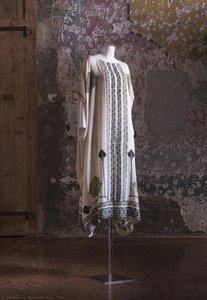
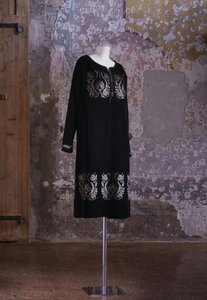
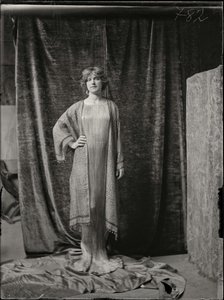
Mariano Fortuny’s “Delphos Dress,” born from the confluence of Spanish artistry and Italian innovation, isn't merely a garment; it’s a whispered echo of classical antiquity rendered in shimmering silk. Created around 1907 and reaching its iconic form by 1909, this dress represents a pivotal moment in fashion history – a daring departure from restrictive corsetry while simultaneously invoking the timeless elegance of ancient Greece. The story behind its creation is as captivating as the dress itself, revealing a collaborative spirit between Fortuny and his wife, Henriette Nigrin, whose ingenious pleating technique remains a marvel of textile engineering to this day.
The genesis of the Delphos lies in Fortuny’s fascination with the Charioteer of Delphi, a bronze statue discovered in 1896 that embodied the ideal of athletic grace and restrained power. This image served as the foundation for the dress's design – a deliberate homage to the chiton, the simple tunic worn by Greek athletes and heroes. Fortuny sought to capture this spirit of effortless movement and understated beauty within a garment suitable for modern women. The resulting silhouette is remarkably fluid, a column of silk that drapes elegantly over the body without clinging or restricting, creating an illusion of both strength and vulnerability.
The Art of Pleating: A Secret Technique
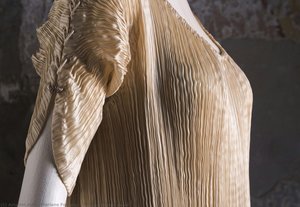
What truly distinguishes the Delphos dress is its revolutionary pleating technique. While Fortuny filed the patent for the manufacturing method in his own name, meticulous research reveals that Henriette Nigrin was the true inventor. Her innovative system involved a complex process of hand-sewing narrow widths of silk together to create hundreds of tiny, meticulously arranged folds – up to 450 per cloth! This painstaking labor resulted in a fabric that possessed an unparalleled elasticity and fluidity, mimicking the drape of the ancient chiton while offering a contemporary level of comfort. The pleating wasn’t simply decorative; it was integral to the dress's structure, allowing it to move with the wearer’s body and creating a mesmerizing visual effect.
The process itself involved a unique combination of heat, pressure, and ceramic rods – a closely guarded secret that has never been fully replicated. This bespoke method ensured that each Delphos dress was utterly unique, a testament to the dedication and skill of the artisans who crafted them. The resulting fabric shimmered with an iridescent quality, reflecting light in subtle yet captivating ways, further enhancing the dress’s ethereal beauty.
Symbolism and Emotional Resonance
Beyond its technical brilliance, the Delphos dress is laden with symbolism. It represents a rejection of Victorian constraints and a celebration of the female form – a return to a more natural and unadorned aesthetic. The choice of silk, a luxurious and historically significant fabric, further elevates the dress’s status, suggesting both wealth and sophistication. The subtle color palette—often in muted tones like apricot, pearl grey, or blush pink—adds to the dress's understated elegance, evoking a sense of timelessness and grace.
Furthermore, the Delphos embodies a powerful dialogue between past and present. By referencing ancient Greece, Fortuny not only created a fashionable garment but also tapped into a rich cultural heritage – a reminder of ideals of beauty, athleticism, and human potential. Wearing a Delphos dress is akin to stepping back in time, connecting with a legacy of artistic achievement and embracing the enduring allure of classical aesthetics. It’s an investment in a piece that speaks volumes about style, craftsmanship, and the timeless pursuit of elegance.
A Legacy Enduring: Reproductions and Inspiration
Today, reproductions of the Delphos dress continue to captivate collectors and designers alike. ArtsDot's meticulously crafted hand-painted recreations capture the essence of Fortuny’s original design with remarkable accuracy, preserving the intricate pleating and luxurious silk texture. Whether adorning a grand ballroom or gracing a contemporary editorial shoot, the Delphos remains a potent symbol of timeless style and artistic innovation – a testament to the enduring power of beauty and the genius of Mariano Fortuny and Henriette Nigrin.
関連作品
アーティストの略歴
生い立ちと芸術への目覚め
1871年、スペインのグラナダに生まれたマリアーノ・フォルトゥニーは、その生涯を多岐にわたる芸術分野に捧げた革新的なデザイナーであり画家でした。幼少期、父である同名の画家の死により家族はパリに移住し、母との生活の中で様々な織物や生地に触れる機会を得ます。この経験が、フォルトゥニーの創造性を刺激し、後の彼の作品に大きな影響を与えることとなりました。絵画、写真、彫刻、建築、版画、そして舞台照明と、幼い頃から多様な才能を発揮していた彼は、単なる画家やデザイナーという枠を超え、芸術家としての可能性を広げていきました。革新的な発明と舞台美術への貢献
フォルトゥニーは、1901年から1934年の間に20以上の特許を取得するなど、数々の画期的な発明を生み出しました。特に舞台美術の分野における彼の功績は大きく、劇場デザインに革命をもたらしました。彼は、四分円形の石膏または布製の構造物である「フォルトゥニー・シクロラマ・ドーム」を開発し、間接照明を用いることで、シーン間のスムーズな移行を実現しました。1904年に発表された彼の論文『舞台照明』("Éclairage Scénique")は、光の反射を利用して色彩、強度、特性を変えるという発見を詳細に記述しており、その独創性は高く評価されました。フォルトゥニーの舞台照明技術は、当時の劇場空間に新たな可能性をもたらし、観客に没入感のある体験を提供しました。影響を受けた人物とコラボレーション
1920年代に入ると、フォルトゥニーの作品は広く認知されるようになります。彼は多くの著名な人物と協力関係を築き、芸術活動をさらに発展させました。特に重要なコラボレーションとしては、ドイツの作曲家リヒャルト・ワーグナーとの交流が挙げられます。ワーグナーのオペラに触発されたフォルトゥニーは、その場面を描いた絵画を制作しました。また、ミラノのスカラ座では、彼のドームを設置し、より大規模な劇場に合わせて改良するとともに、構造体を緊張させるための吸気ファンを発明しました。これらのコラボレーションを通じて、フォルトゥニーは芸術と技術の融合を追求し、舞台美術の新たな地平を開拓していきました。遺産と後世への影響
1949年5月3日、マリアーノ・フォルトゥニーはイタリアのヴェネツィアでその生涯を閉じました。彼の作品はフランスの小説家マルセル・プルーストに深い感銘を与え、ペレ・ヒメフェールの小説『フォルトゥニー』によって彼の人生が描かれました。フォルトゥニーの遺産は、現代の舞台美術にも色濃く残っており、その革新的なアイデアと技術は、今もなお多くの芸術家たちに影響を与え続けています。ArtsDotのコレクションでは、フォルトゥニーの発明やデザインについてさらに詳しく知ることができます。また、アメリカの歴史を形作った不幸な出来事である博物館炎上事件(アメリカ合衆国)における彼の作品の影響についても探求することができます。マリアーノ・フォルトゥニーと他の芸術家の選抜された絵画
- マリアーノ・フォルトゥニー: ティーガウン(ボストン美術館、アメリカ合衆国)はArtsDotのコレクションで入手可能です。
- マルク・シャガール: 「歌の歌IVへの習作」(素朴派/原始主義)はArtsDotのコレクションで入手可能です。
- パブロ・ピカソ: クラリネット(分析的キュビズム、油彩)はArtsDotのコレクションで入手可能です。
- フィンセント・ファン・ゴッホ: 樹木の根(50 x 100 cm、ポスト印象派、油彩)はArtsDotのコレクションで入手可能です。
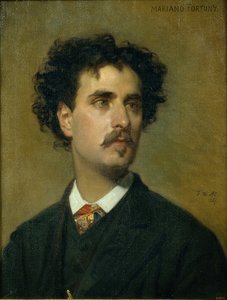
マリアーノ・フォルトゥニー
1871 - 1949 , スペイン
基本情報
- Artistic Movement Or Style: オリエンタリズム
- Artists Or Movements Influenced By This Artist: ['マルセル・プルースト']
- Artists Who Influenced This Artist: ['リヒャルト・ワーグナー']
- Date Of Birth: 1871年5月11日
- Date Of Death: 1949年5月3日
- Full Name: マリアノ・フォルトゥーニ・イ・マルサル
- Nationality: スペイン人
- Notable Artworks:
- ティガウン
- アンリエット・フォルトゥーニの肖像
- Place Of Birth (City And Country): スペイン、グラナダ
関連記事
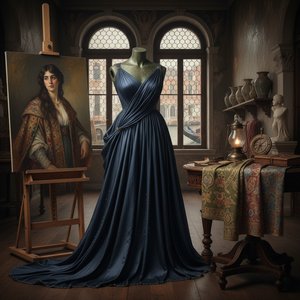
Mariano Fortuny: A Fusion of Art, Fashion & Design – Exploring a Venetian Innovator's Legacy
Explore the captivating world of Mariano Fortuny – artist, designer & innovator. Discover his revolutionary textiles, iconic Delphos gown, and lasting influence on art, fashion & interiors. A collector's guide to a Venetian master.
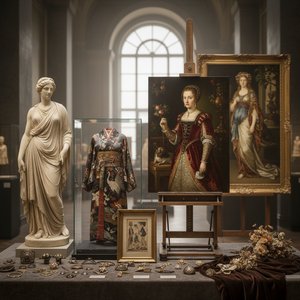
Draped Narratives: Fashion as Symbol & Subject in Historical Art
Explore the fascinating history of fashion as a symbol of power & status in art! Discover masterpieces from Gainsborough to Tissot and learn how clothing shaped societal narratives. Find museum-quality reproductions at ArtsDot.

Crimson Threads of Narrative: Exploring Symbolism & Representation in Artworks Featuring the Red Dress
Explore the rich symbolism of the red dress in art history! From ancient power displays to iconic portraits like Cézanne’s 'Madame Cezanne', discover the cultural and artistic significance behind this captivating color. Expert analysis & insights.

Cristóbal Balenciaga: Deconstructing Haute Couture's Architectural Legacy
Explore the revolutionary world of Cristóbal Balenciaga, the 'couturier's couturier'. Discover his architectural designs, lasting influence on haute couture, and guide to collecting rare pieces. A connoisseur’s resource.

The Gilded Age Reimagined: Exploring the Aesthetic Principles & Enduring Legacy of Art Deco
Explore the captivating world of Art Deco! Discover its origins, defining features, cultural impact & enduring legacy. Expert insights for collectors and design enthusiasts. Shop handmade reproductions at ArtsDot.