 プリントを購入
 シェアする
シェアする シェアする
シェアする
 詳細を見る
詳細を見る

 ダウンロード
 似ている作品
 スライドショー
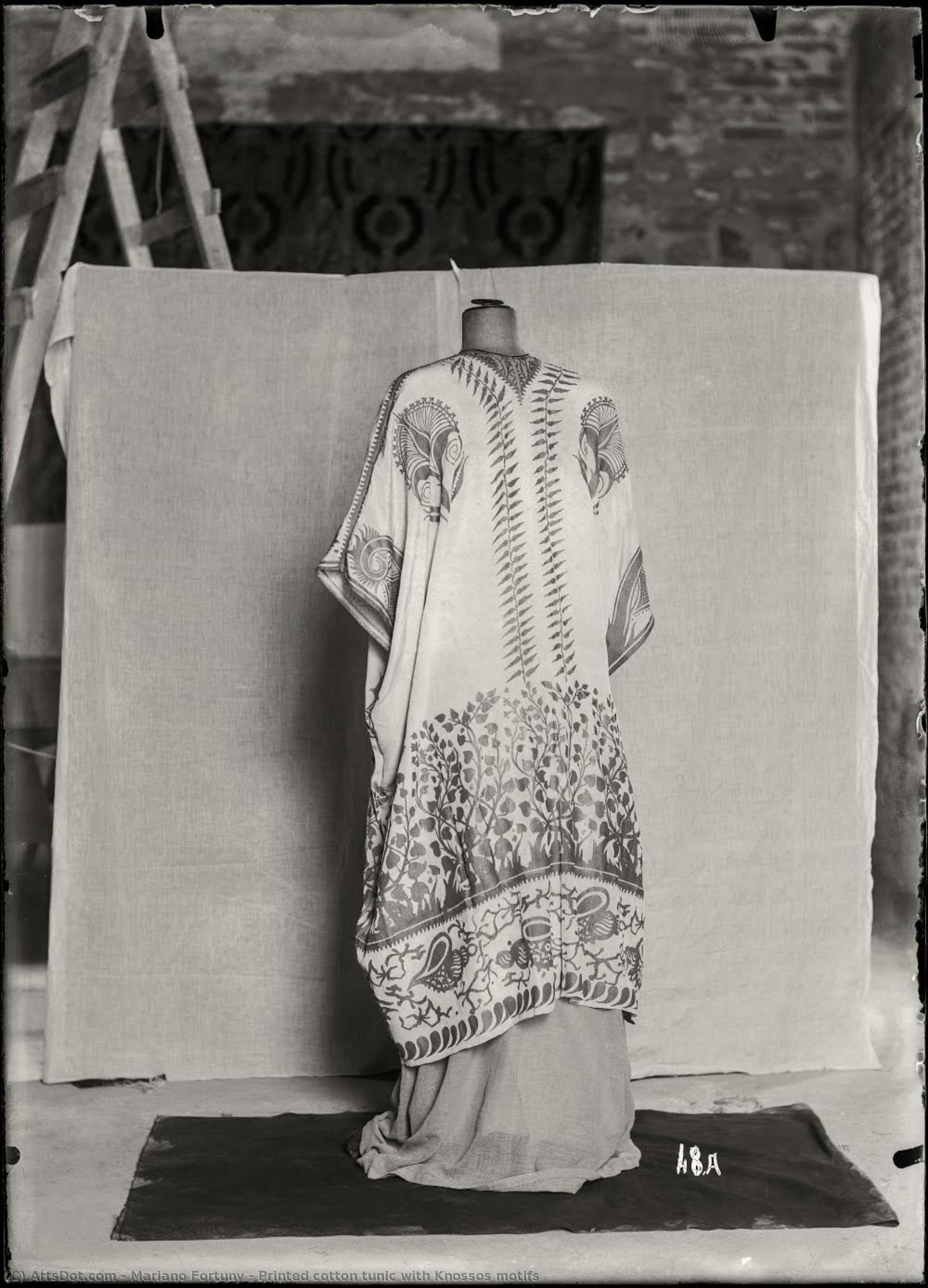
Printed cotton tunic with Knossos motifs
 Textile
- Textile
- Orientalism
 1915
1915 18.0 x 13.0 cm
 Palazzo Fortuny
 詳細を見る
詳細を見る




































作品のオリジナル比率に合わせた、当店の規定サイズからお選びください。

特定のフレームやスペースに合わせて、ご希望のサイズをご入力いただけます。選択されたサイズが元の画像の比率と異なる場合、アートワークをトリミングするか、手描きで要素を追加して絵画を拡張いたします。デジタルモックアップ を制作し、制作開始前にご確認(承認)をいただきます。
画面上のプレビューは、実際のトリミングや拡張を正確に反映しているものではありません。最終的な構図は、モックアップによってのみ正確にご確認いただけます。
カスタムサイズもご利用いただけますが、元の比率を維持するためには、あらかじめ用意されたリストからサイズを選択することをお勧めいたします。
ご注文後、ArtsDot.com チームより詳細な指示をお送りするとともに、仕上がりイメージ(モックアップ)をご提供いたします。


 ガラスオプションは、110cm未満のサイズでのみご利用いただけます。

Printed cotton tunic with Knossos motifs
複製技法
複製画のサイズ
-


合計金額
$ 263
作品解説
A Glimpse into Ottoman Echoes: Mariano Fortuny’s “Printed Cotton Tunic with Knossos Motifs”
The year is 1915, and within the bustling atelier of Mariano Fortuny y Marsal in Venice, a textile masterpiece emerges – “Printed Cotton Tunic with Knossos Motifs.” More than just a garment, this piece represents a pivotal moment in the artist’s career, embodying his revolutionary approach to design and his deep fascination with ancient cultures. Captured through a remarkably detailed black-and-white photograph by Fortuny himself, the image offers a window into a world of intricate patterns, luxurious fabrics, and a distinctly Orientalist aesthetic that would define his legacy.
The photograph’s strength lies in its documentary quality – it feels less like a polished advertisement and more like a captured moment. The stark backdrop of a weathered brick wall, punctuated by the scaffolding hinting at the workshop's industrious activity, provides an intriguing contrast to the vibrant textile dominating the frame. The mannequin, a simple yet effective device, allows the viewer to fully appreciate the garment’s design without distraction. Notice the careful lighting, diffusing shadows and highlighting the texture of both the fabric and the wall – a testament to Fortuny's meticulous attention to detail.
A Tapestry of Influences: The Knossos Motif and Ottoman Design
The central element of this tunic is undoubtedly its captivating design. The intricate floral motif, reminiscent of ancient Greek pottery found at Knossos, immediately draws the eye. Stylized birds and other creatures are interwoven within the blossoms, creating a complex and visually rich composition. However, the influence extends far beyond classical Greece; subtle echoes of Ottoman designs – particularly in the geometric patterns and use of color (though rendered in monochrome here) – can be discerned. Fortuny was deeply inspired by the exotic textiles he encountered during his travels to North Africa and the Middle East, skillfully blending these influences into a uniquely personal style.
The choice of cotton as the primary fabric speaks volumes about Fortuny’s commitment to innovation. He wasn't simply replicating existing patterns; he was pioneering new printing techniques that allowed for incredibly detailed and nuanced designs on textiles. This photograph offers a rare glimpse into this process, hinting at the painstaking labor involved in creating such a complex piece.
The Legacy of Palazzo Fortuny: Innovation and Artistic Vision
“Printed Cotton Tunic with Knossos Motifs” is inextricably linked to the story of Palazzo Fortuny, the artist’s workshop and home in Venice. Established in 1907 alongside his wife, Cecilia de Madrazo, this space became a crucible for artistic experimentation and textile production. Fortuny's inventions – including the “fortuny cyclorama dome” which revolutionized theatrical lighting – were born within these walls, and countless designs emerged from its workshops.
The photograph’s date of 1915 places it firmly within this period of intense creativity. It reflects a time when Fortuny was pushing the boundaries of textile design, challenging conventional notions of pattern and color, and establishing himself as a leading figure in the international fashion world. The image serves as a powerful reminder of his pioneering spirit and his ability to seamlessly blend historical references with contemporary aesthetics.
A Timeless Masterpiece: Reproduction and Artistic Appreciation
Today, ArtsDot offers high-quality reproductions of “Printed Cotton Tunic with Knossos Motifs,” allowing art lovers worldwide to experience the beauty and complexity of this iconic textile. The original’s meticulous detail and evocative atmosphere are faithfully captured in these reproductions, making them ideal additions to any collection or interior design scheme. More than just a print, it's an invitation to step back in time and appreciate the genius of Mariano Fortuny – a true visionary who transformed textiles into works of art.
関連作品
アーティストの略歴
生い立ちと芸術への目覚め
1871年、スペインのグラナダに生まれたマリアーノ・フォルトゥニーは、その生涯を多岐にわたる芸術分野に捧げた革新的なデザイナーであり画家でした。幼少期、父である同名の画家の死により家族はパリに移住し、母との生活の中で様々な織物や生地に触れる機会を得ます。この経験が、フォルトゥニーの創造性を刺激し、後の彼の作品に大きな影響を与えることとなりました。絵画、写真、彫刻、建築、版画、そして舞台照明と、幼い頃から多様な才能を発揮していた彼は、単なる画家やデザイナーという枠を超え、芸術家としての可能性を広げていきました。革新的な発明と舞台美術への貢献
フォルトゥニーは、1901年から1934年の間に20以上の特許を取得するなど、数々の画期的な発明を生み出しました。特に舞台美術の分野における彼の功績は大きく、劇場デザインに革命をもたらしました。彼は、四分円形の石膏または布製の構造物である「フォルトゥニー・シクロラマ・ドーム」を開発し、間接照明を用いることで、シーン間のスムーズな移行を実現しました。1904年に発表された彼の論文『舞台照明』("Éclairage Scénique")は、光の反射を利用して色彩、強度、特性を変えるという発見を詳細に記述しており、その独創性は高く評価されました。フォルトゥニーの舞台照明技術は、当時の劇場空間に新たな可能性をもたらし、観客に没入感のある体験を提供しました。影響を受けた人物とコラボレーション
1920年代に入ると、フォルトゥニーの作品は広く認知されるようになります。彼は多くの著名な人物と協力関係を築き、芸術活動をさらに発展させました。特に重要なコラボレーションとしては、ドイツの作曲家リヒャルト・ワーグナーとの交流が挙げられます。ワーグナーのオペラに触発されたフォルトゥニーは、その場面を描いた絵画を制作しました。また、ミラノのスカラ座では、彼のドームを設置し、より大規模な劇場に合わせて改良するとともに、構造体を緊張させるための吸気ファンを発明しました。これらのコラボレーションを通じて、フォルトゥニーは芸術と技術の融合を追求し、舞台美術の新たな地平を開拓していきました。遺産と後世への影響
1949年5月3日、マリアーノ・フォルトゥニーはイタリアのヴェネツィアでその生涯を閉じました。彼の作品はフランスの小説家マルセル・プルーストに深い感銘を与え、ペレ・ヒメフェールの小説『フォルトゥニー』によって彼の人生が描かれました。フォルトゥニーの遺産は、現代の舞台美術にも色濃く残っており、その革新的なアイデアと技術は、今もなお多くの芸術家たちに影響を与え続けています。ArtsDotのコレクションでは、フォルトゥニーの発明やデザインについてさらに詳しく知ることができます。また、アメリカの歴史を形作った不幸な出来事である博物館炎上事件(アメリカ合衆国)における彼の作品の影響についても探求することができます。マリアーノ・フォルトゥニーと他の芸術家の選抜された絵画
- マリアーノ・フォルトゥニー: ティーガウン(ボストン美術館、アメリカ合衆国)はArtsDotのコレクションで入手可能です。
- マルク・シャガール: 「歌の歌IVへの習作」(素朴派/原始主義)はArtsDotのコレクションで入手可能です。
- パブロ・ピカソ: クラリネット(分析的キュビズム、油彩)はArtsDotのコレクションで入手可能です。
- フィンセント・ファン・ゴッホ: 樹木の根(50 x 100 cm、ポスト印象派、油彩)はArtsDotのコレクションで入手可能です。
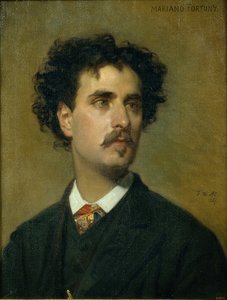
マリアーノ・フォルトゥニー
1871 - 1949 , スペイン
基本情報
- Artistic Movement Or Style: オリエンタリズム
- Artists Or Movements Influenced By This Artist: ['マルセル・プルースト']
- Artists Who Influenced This Artist: ['リヒャルト・ワーグナー']
- Date Of Birth: 1871年5月11日
- Date Of Death: 1949年5月3日
- Full Name: マリアノ・フォルトゥーニ・イ・マルサル
- Nationality: スペイン人
- Notable Artworks:
- ティガウン
- アンリエット・フォルトゥーニの肖像
- Place Of Birth (City And Country): スペイン、グラナダ
関連記事
Mariano Fortuny: A Fusion of Art, Fashion & Design – Exploring a Venetian Innovator's Legacy
Explore the captivating world of Mariano Fortuny – artist, designer & innovator. Discover his revolutionary textiles, iconic Delphos gown, and lasting influence on art, fashion & interiors. A collector's guide to a Venetian master.

Giclée Prints: Archival Quality & Aesthetic Nuances for the Discerning Collector
Explore the world of giclée prints with ArtsDot. Learn about archival quality, aesthetic nuances & investment potential. Expert guidance for discerning art collectors seeking museum-quality reproductions and lasting value.

The Enduring Legacy of Fine Art Prints: Technique, History & Aesthetic Impact
Explore the rich history & techniques of fine art prints. Discover investment potential, assess authenticity, and learn how to preserve your collection with expert guidance. Trusted insights for discerning collectors.

Echoes of Time: Exploring the Enduring Appeal & Historical Context of Vintage Art Prints
Explore the captivating world of vintage art prints! Discover their history, collecting tips & enduring appeal. Expert insights on chromolithography and building a legacy collection with ArtsDot.
The Enduring Legacy of Printmaking: Techniques, Themes & Artistic Innovation Across Centuries
Explore the rich history of printmaking with ArtsDot. Discover techniques from intaglio to lithography, learn about collecting valuable prints & find museum-quality reproductions. Expert insights for art enthusiasts and collectors.