

 プレビュー
プレビュー
 プリントを購入
 シェアする
シェアする シェアする
シェアする
 詳細を見る
詳細を見る

 ダウンロード
 似ている作品
 X線調査
X線調査 スライドショー
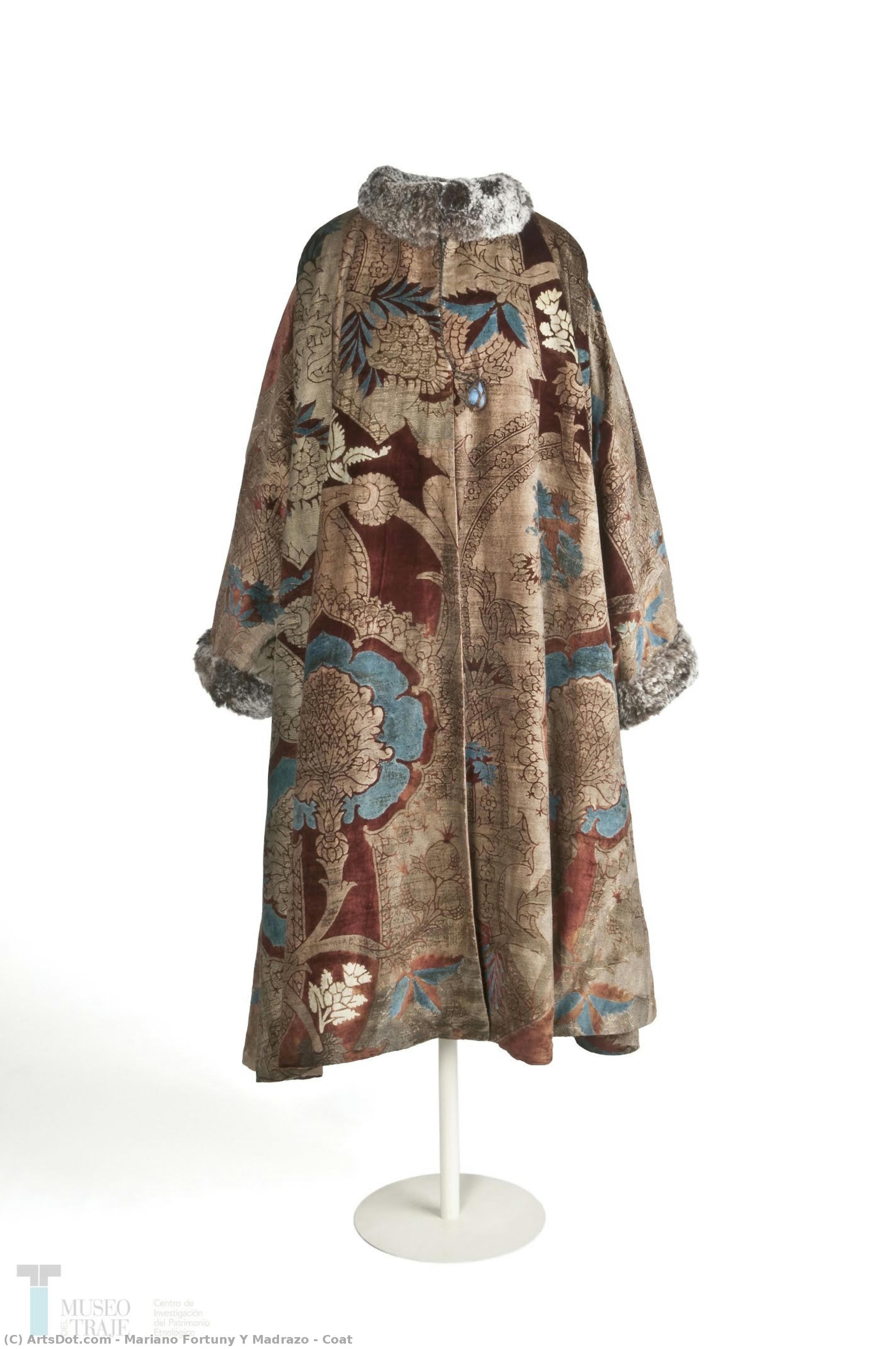
Coat


 詳細を見る
詳細を見る




P118B $10

P118H $10

P118W $10

P438Z $10

P508JH $12

P508YH $12

P805H $10

P805Z $10

P919BZ $10

P919G $10

P919XJ $10

P959ZH $10

P968JZ $12

W106C $8

W218G $10

W218JH $8

W218Y $10

W307PJ $10

W316G $10

W316PJ $8

W316Y $10

W398PJ $8

W4111J $10

W500HY $15

W500JH $15

W692G $12

W849H $8

W940BG $15

W953PJ $8




作品のオリジナル比率に合わせた、当店の規定サイズからお選びください。

特定のフレームやスペースに合わせて、ご希望のサイズをご入力いただけます。選択されたサイズが元の画像の比率と異なる場合、アートワークをトリミングするか、手描きで要素を追加して絵画を拡張いたします。デジタルモックアップ を制作し、制作開始前にご確認(承認)をいただきます。
画面上のプレビューは、実際のトリミングや拡張を正確に反映しているものではありません。最終的な構図は、モックアップによってのみ正確にご確認いただけます。
カスタムサイズもご利用いただけますが、元の比率を維持するためには、あらかじめ用意されたリストからサイズを選択することをお勧めいたします。
ご注文後、ArtsDot.com チームより詳細な指示をお送りするとともに、仕上がりイメージ(モックアップ)をご提供いたします。


 ガラスオプションは、110cm未満のサイズでのみご利用いただけます。

Coat
複製技法
複製画のサイズ
-


合計金額
$ 263
作品解説
A Venetian Echo: Exploring Mariano Fortuny’s “Coat”
The velvet coat—a garment steeped in history and reimagined with breathtaking artistry—stands as a testament to Mariano Fortuny y Madrazo's singular vision of blending Renaissance grandeur with the innovative spirit of early 20th-century Venice. More than just fabric draped over form, this piece embodies a profound dialogue between past and present, inviting contemplation on themes of luxury, theatrical performance, and the enduring allure of decorative art. Fortuny’s meticulous craftsmanship—evident in every stitch and printed motif—elevates it to an object of exquisite beauty and intellectual curiosity.Historical Context: Othello and Venetian Tradition
Fortuny conceived “Coat” specifically for Pietro Scharoff's production of Shakespeare’s “Othello” at the Doge’s Palace in 1940. Venice, by this time, was a city grappling with the legacy of its imperial past while simultaneously embracing modernity—a dichotomy perfectly mirrored in Fortuny’s artistic endeavors. He sought to recapture the opulent aesthetic of fifteenth-century European courts, referencing gowns and coats worn by royalty and nobility – garments designed for both visual splendor and symbolic representation. The theatrical commission demanded a costume that would convey character and emotion, grounding its fantastical imagery in tangible references to Venetian heritage.Technique: Printing Innovation and Velvet Mastery
Fortuny’s genius lay not merely in selecting the medium—deep burgundy velvet—but in mastering its transformative potential through groundbreaking textile printing techniques. Unlike conventional methods of decoration, Fortuny employed a meticulous process involving multiple layers of pigment applied onto the velvety surface, resulting in astonishingly vibrant floral prints. These prints depict stylized pomegranates reminiscent of Renaissance art, thistle blossoms symbolizing resilience and nobility, and pine cones representing permanence and strength—elements deliberately chosen to resonate with the play’s narrative concerns. The fabric itself was treated with care, ensuring optimal adhesion of the pigment and preserving its sumptuous texture.Composition & Color Palette: Symmetry and Richness
The coat's composition is strikingly symmetrical, reflecting Fortuny’s unwavering commitment to balance and harmony—a hallmark of Venetian decorative art. Positioned centrally on a stark white mannequin against a neutral backdrop, this deliberate choice maximizes visibility of the garment’s intricate patterns and emphasizes its overall form. The dominant color—the velvety burgundy—is complemented by polychromatic floral motifs printed in beige, blue, green, and gold—creating a complex visual tapestry that captivates the eye. These hues are carefully calibrated to evoke feelings of warmth, sophistication, and regal splendor, mirroring the opulent atmosphere of the Doge’s Palace and reinforcing the theatrical commission's purpose.Symbolism & Emotional Impact: Luxury as Narrative Device
Beyond its technical brilliance, “Coat” operates on a symbolic level—a deliberate deployment of decorative elements to convey narrative meaning. The floral motifs aren’t merely ornamental; they serve as visual shorthand for themes explored in Shakespeare’s drama—representing beauty amidst turmoil and embodying the enduring values of Venetian culture. Fortuny's aim was to transport viewers into the world of “Othello,” immersing them in a sensory experience that mirrored the play’s emotional core. The garment itself embodies luxury—a tangible manifestation of power, prestige, and artistic aspiration—inspiring awe and admiration for its creator’s unparalleled skill and vision.Concluding Thoughts: An Heirloom of Venetian Artistry
Mariano Fortuny's “Coat” transcends mere costume design; it stands as an emblem of Venice’s artistic legacy—a captivating fusion of historical reference and innovative technique that continues to inspire collectors and interior designers alike. Its enduring appeal resides in its ability to evoke a profound emotional response—a sense of wonder at the beauty of form, color, and texture—and to reaffirm the transformative power of art to transcend time and place.関連作品


アーティストの略歴
ヴェネツィアの万能天才:マリアノ・フォルトゥニの生涯と遺産
革新、芸術性、そしてヴェネツィアの魅惑的な神秘性と同義である名前、マリアノ・フォルトゥニ・イ・マドラゾ。彼は単なる画家やデザイナーという枠に収まる存在ではありませんでした。1871年にスペインのグラナダに生まれた彼の人生は、果てしない好奇心と、あらゆる分野における美学的完璧さへの揺るぎない追求の証そのものでした。高名な画家であった父を早くに亡くしたことで、彼は母と共にパリへと移り住み、そこで若きマリアノは19世紀後半の活気に満向ち溢れる芸術の潮流に身を投じることになります。この形成期は、彼に技術的な基礎をもたらしただけでなく、色彩や質感、そして視覚的表現が持つ力への深い洞察を植え付けました。しかし、彼の創造的精神に真の火を灯したのは、1889年のヴェネツィアへの移住でした。この街が持つ豊かな歴史、独特の光、そして過ぎ去りし時代の栄華を感じさせる情緒は、永続的なインスピレーションの源となり、その後の数十年にわたる彼の芸術的ビジョンを形作っていくことになったのです。舞台照明からテキスタイル革命へ
フォルトゥニの天才性は、芸術と発明をシームレスに融合させる能力にありました。彼は単に美しいものを作り出すだけでは満足せず、それらを生み出すプロセスそのものを理解し、制御しようと試みたのです。当初、演劇の世界に魅了された彼は、反射光を利用した独創的な照明システムを通じて舞台照明に革命をもたらしました。単純な直接光を超え、繊出し細やかな空気感やドラマチックな効果を生み出したのです。この光への執着は舞台の枠を超え、後のテキスタイル(織物)制作にも影響を与えました。彼は単に布地をデザインしていたのではなく、それを「工学」として捉えていました。独自の染色技法を開発し、さらには、かつては不可能であった効果を実現するために機械さえも発明したのです。彼のデザインは単なる審美的なものではなく、光が布地とどのように相互作用するかを操るものであり、それによって彼の代名な、まるで空中に漂うかのような、きらめく幻想的な質感が生まれました。この献身的な探求心により、彼は20を超える発明の特許を取得しており、その芸術的感性と並び立つ驚異的な技術力を証明しています。デルフォス・ドレスとフォルトゥニの美学
数多くの分野に貢献した彼ですが、今日においてマリアノ・フォルトゥニの名が最も広く知られているのは、ファッションへの革命的なアプローチによるものでしょう。1906年、彼はヴェネツィアにオートクチュール・メゾンを開設し、既成概念を打ち破るドレスで瞬く間に名声を博しました。1920年頃に発表された象徴的な「デルフォス」ドレスは、現代的なエレガンスと自由のシンボルとなりました。古代ギリシャの彫刻に見られる流れるようなドレープにインスピレーションを得たこれらのドレスは、特別にプリーツ加工を施したシルクで作られ、身体のラインに沿って優雅な流動性を持って寄り添います。それは伝統的な仕立てとは異なり、むしろ着る人の体に自然と纏い、力みのない洗練された効果を生み出しました。デルフォスのみならず、豊かで複雑な模様を持つ彼のテキスタイルは、世界中のインテリアへと広がり、ヴェネツィア特有の情緒を纏って壁や家具を彩りました。その布地は単なる装飾品ではなく、歴史の重みと時代を超越した美しさを宿した、それ自体がひとつの芸術作品だったのです。永続する影響力
マリアノ・フォルトゥニが遺したレガシーは、彼が生み出した見事な衣服やテキスタイルの範囲を遥かに超えています。彼はデザインに対する包括的なアプローチを体現していました。真の芸術とは、最初のコンセプトから最終的な完成に至るまで、創造プロセスのあらゆる段階を極めることであると信じていたのです。職人技への献身、革新的な精神、そして美への揺るぎない追求は、今なおアーティストやデザイナーたちにインスピレーションを与え続けています。ヴェネツィアのジュデッカ島で今も稼働し続けるフォルトゥニの工場は、彼が切り拓いた伝統的な技法を守り続けており、彼の不朽のビジョンの証として存在しています。さらに、かつての邸宅に収められたマリアノ・フォルトゥニ・イ・マドラゾ美術館は、彼の多面的な世界を垣間見る魅力的な場所であり、芸術作品やデザインだけでなく、彼の発明品や、その並外れた創造力を育んだ空気感までも伝えています。彼はまさにヴェネツィアの魔術師でした。伝統に革新を吹き込み、芸術、ファッション、そしてデザインの世界に消えることのない足跡を残したのです。主な業績とコレクション
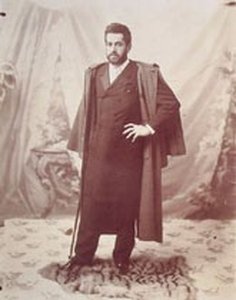
マリアノ・フォルトゥニ・イ・マドラソ
1871 - 1949 , スペイン
基本情報
- Artistic Movement Or Style: アール・デコ、ヴェネツィア美術
- Artists Or Movements Influenced By This Artist:
- ファッションデザイナー
- テキスタイルアーティスト
- Artists Who Influenced This Artist:
- マリアーノ・フォルトゥニ・イ・マルサル
- リヒャルト・ワーグナー
- Date Of Birth: 1871年5月11日
- Date Of Death: 1949年
- Full Name: マリアーノ・フォルトゥニ・イ・マドラソ
- Nationality: スペイン
- Notable Artworks:
- 水を汲む
- ティーガウン
- スウォッチ
- テキスタイル印刷用マトリックス
- アンリエット・フォルトゥニの肖像
- マリア・テレサ・デ・マドラソ
- Place Of Birth: スペイン、グラナダ
関連記事

ジャコポ・ティンコレット:至高の25選 – ヴェネツィア巨匠のドラマと光の世界 | ArtsDot
ジャコポ・ティンコレットの至高の25選。ドラマと光の世界を彩るヴェネツィア派巨匠の名画を紐解きます。ルネサンス絵画からバロック絵画まで、ArtsDotで高品質な複製画やインテリアアートを見つけましょう。傑作コレクションをオンラインで探求してください。
The Gilded Age Reimagined: Exploring the Aesthetic Principles & Enduring Legacy of Art Deco
Explore the captivating world of Art Deco! Discover its origins, defining features, cultural impact & enduring legacy. Expert insights for collectors and design enthusiasts. Shop handmade reproductions at ArtsDot.
The Gleaming Geometry of Desire: Exploring Art Deco's Enduring Influence on Visual Culture
Explore the captivating world of Art Deco! Discover its history, key characteristics, enduring influence on design & collecting with expert insights from ArtsDot.com.
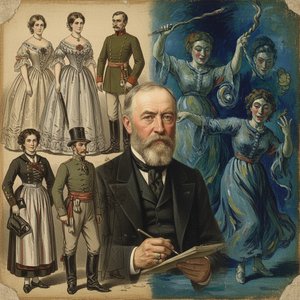
Albert Kretschmer: Capturing 19th-Century Costume & the Seeds of Expressionism
Explore the exquisite costume studies of Albert Kretschmer (1825-1891). Discover his detailed illustrations, influence on art history & connection to early Expressionism. Learn about collecting this remarkable artist's work.

The Golden Light of Innovation: Exploring the Venetian Renaissance Art Movement (1430–1580)
Explore the Golden Age of Venetian art (1430–1580). Discover Giorgione, Titian & Tintoretto's techniques, the 'colorito' revolution, and lasting influence. Expert insights for collectors & enthusiasts.

