 プレビュー
プレビュー
 プリントを購入
 シェアする
シェアする シェアする
シェアする
 詳細を見る
詳細を見る

 ダウンロード
 似ている作品
 X線調査
X線調査 スライドショー
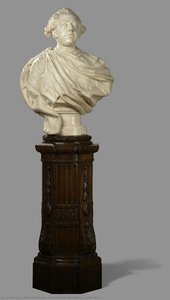
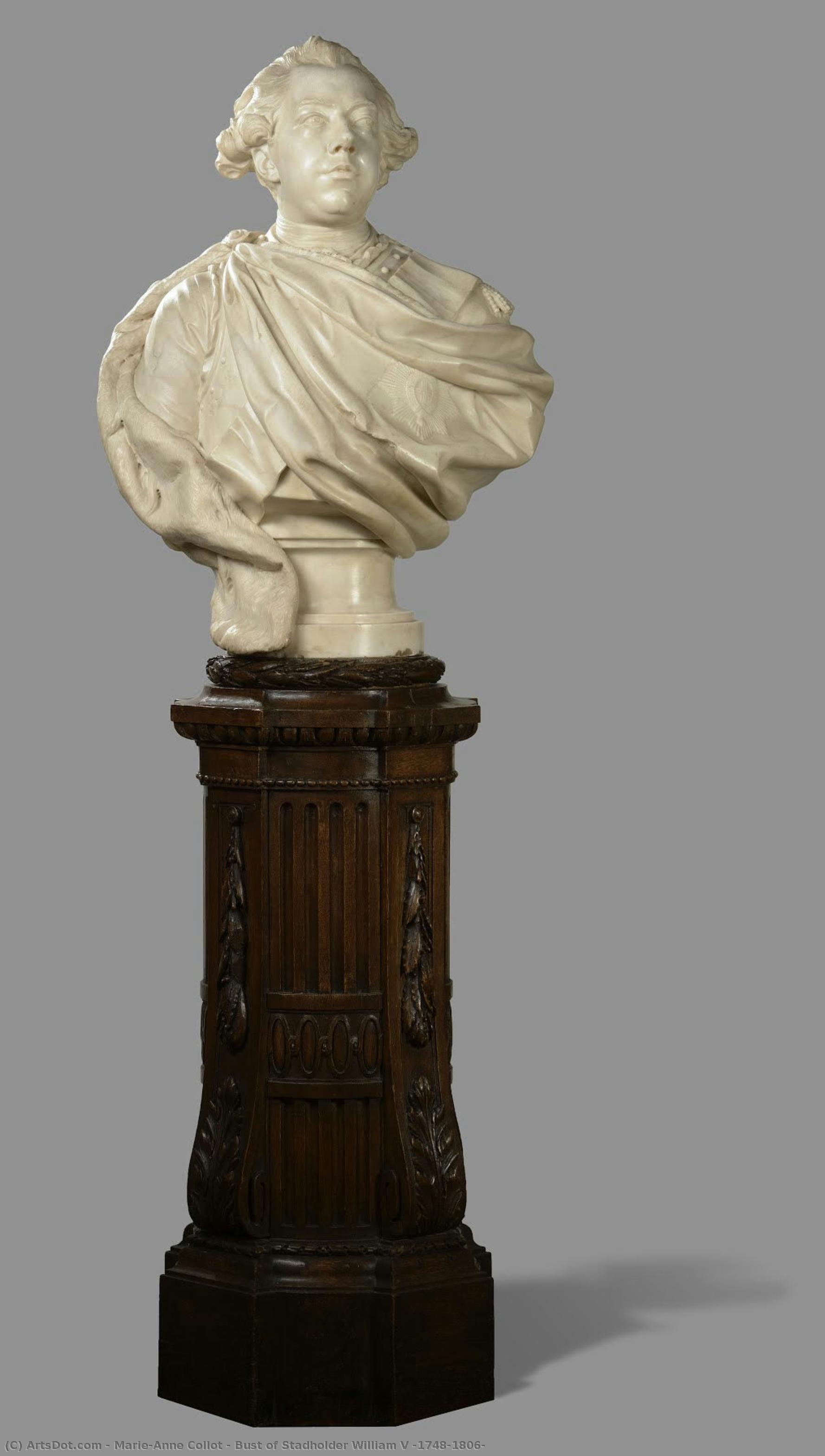
ウィリアム五世の肖像彫刻


 詳細を見る
詳細を見る




P118B $10

P118H $10

P118W $10

P438Z $10

P508JH $12

P508YH $12

P805H $10

P805Z $10

P919BZ $10

P919G $10

P919XJ $10

P959ZH $10

P968JZ $12

W106C $8

W218G $10

W218JH $8

W218Y $10

W307PJ $10

W316G $10

W316PJ $8

W316Y $10

W398PJ $8

W4111J $10

W500HY $15

W500JH $15

W692G $12

W849H $8

W940BG $15

W953PJ $8




作品のオリジナル比率に合わせた、当店の規定サイズからお選びください。

特定のフレームやスペースに合わせて、ご希望のサイズをご入力いただけます。選択されたサイズが元の画像の比率と異なる場合、アートワークをトリミングするか、手描きで要素を追加して絵画を拡張いたします。デジタルモックアップ を制作し、制作開始前にご確認(承認)をいただきます。
画面上のプレビューは、実際のトリミングや拡張を正確に反映しているものではありません。最終的な構図は、モックアップによってのみ正確にご確認いただけます。
カスタムサイズもご利用いただけますが、元の比率を維持するためには、あらかじめ用意されたリストからサイズを選択することをお勧めいたします。
ご注文後、ArtsDot.com チームより詳細な指示をお送りするとともに、仕上がりイメージ(モックアップ)をご提供いたします。


 ガラスオプションは、110cm未満のサイズでのみご利用いただけます。

ウィリアム五世の肖像彫刻
複製技法
複製画のサイズ
-


合計金額
$ 263
作品解説
マリー=アン・コルロットのスタッドハラドウィリアム5世像について
マリー=アン・コルロットはフランスで活躍した彫刻家であり、エティエンヌ=モーリス・ファルコンエとの親交を深めた芸術家の娘として知られています。彼女の作品は、特にロシア皇帝ピョートル大帝の肖像画が印象的です。この作品は、フランス啓蒙時代の美術界に大きな影響を与え、その革新的な技術と表現力は現代においても高く評価されています。背景と画家エティエンヌ=モーリス・ファルコンエとの関係
マリー=アン・コルロットの彫刻活動は、エティエンヌ=モーリス・ファルコンエとの深い芸術的パートナーシップによって支えられました。ファルコンエは当時、フランスで最も優れた彫刻家の一人であり、啓蒙時代の思想家たちと交流を深めました。彼は特にドイデロとアレムベルトの百科事典に貢献したことで知られています。コルロットはファルコンエの工房で学び、彼の指導のもと、芸術的な才能を磨き上げました。この関係は、彼女の作品に共通する洗練された美意識と社会に対する批判精神を反映しています。作品の特徴:技術とスタイル
スタッドハラドウィリアム5世像は、コルロットが卓越した技術を用いて制作した作品です。彼女は主に白い pedestal に置かれた男性の顔を描き込みました。コルロットは特にローマ彫刻の影響を受け、理想化された人体表現を追求しました。この作品は、繊細な質感と正確な解剖学的知識が用いられ、当時の美術界で高い評価を得ました。コルロットの彫刻技法は、石膏やテラコッタなどの素材を用いて制作され、その表面には緻密な化粧仕上げが行われました。これにより、作品は見る人に感動的な美しさを与えるとともに、ピョートル大帝の威厳と知性を表現しています。歴史的意義と象徴性
スタッドハラドウィリアム5世像は、ピョートル大帝の肖像画として制作され、ロシア皇帝国の権威を示す重要な芸術作品です。コルロットはファルコンエと共にピョートル大帝の銅像を制作するためにロシアに渡り、このプロジェクトは当時の美術界で大きな話題となりました。ピョートル大帝はロシアにおける政治改革と軍事力の強化を推進した人物であり、彼の肖像画は当時の社会情勢を反映しています。コルロットの作品は、単なる芸術的な表現にとどまらず、歴史的な出来事と人物に対する深い理解を示しており、見る人に感動と啓示を与えます。現代への影響とインテリアデザインへの応用
マリー=アン・コルロットのスタッドハラドウィリアム5世像は、その美しい造型と洗練された技術が現代においても高く評価されています。この作品は、美術館や個人コレクションで展示され、多くの人々を魅了しています。特に白い pedestal に置かれた男性の顔は、静謐さと威厳を感じさせます。スタッドハラドウィリアム5世像のような彫刻作品は、高級感のあるインテリアデザインに最適であり、空間に洗練された美しさを加えてくれます。コルロットの芸術精神は、現代のアーティストやデザイナーたちにインスピレーションを与え続けています。関連作品
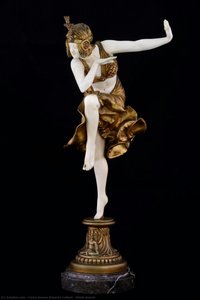
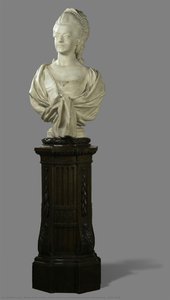
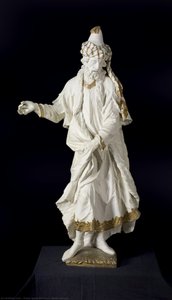
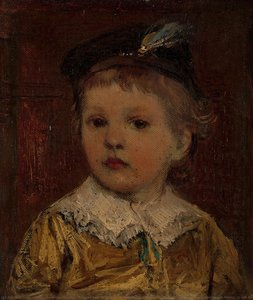
アーティストの略歴
William Hogarth: A Moralist of the Brush
William Hogarth, born in London on November 10, 1697, stands as a pivotal figure in British art history – a pioneering satirist, engraver, and painter who fundamentally shifted perceptions of visual storytelling. His life was one of relentless ambition tempered by financial hardship, and his artistic legacy continues to resonate through its sharp social commentary and innovative use of sequential imagery. Hogarth’s career spanned nearly six decades, during which he wrestled with the expectations of a courtly art world while forging a distinctly independent path, ultimately establishing himself as the first great English-born artist to garner international acclaim.Early Life and Artistic Foundations
Jonathan Hogarth, William's father, was a minor classical scholar whose struggles with printers and patrons fueled a lifelong resentment within his son. This early experience instilled in young William a deep distrust of established institutions and a fierce determination to control his own artistic destiny. Despite his father’s limited support, William received an education focused on the classics, which he later acknowledged as largely unproductive. However, his innate talent for drawing was nurtured through visits to a local painter's workshop, where he began to hone his skills in mimicking characters and capturing scenes from everyday life. Crucially, he apprenticed himself to a silversmith at the age of fifteen, an experience that, while initially perceived as unfulfilling, ultimately provided him with invaluable technical training in engraving – a skill that would become central to his artistic practice. This period instilled in him a pragmatic approach to his career and a willingness to experiment outside traditional methods, shaping his distinctive style.The Rise of the Engraver and Moralist
Hogarth’s early success stemmed largely from his skill as an engraver, producing intricate designs for silverware and decorative objects. However, he quickly recognized the potential of engraving to convey narrative and satire – a medium that allowed him to combine meticulous detail with biting social critique. His breakthrough came with *A Scheme Heroicall Enquire into the Vertues of Several Ladies*, a series of engravings depicting the lives of fashionable women in London, published in 1730-31. This work established his reputation as a moralist and satirist, exposing the superficiality and hypocrisy of high society through a series of often unflattering portraits and scenes of debauchery. Following this success, he began to develop his most famous series: *Marriage A Bed of Roses* (1738), *Hearthstone* (1740-42), and the monumental *Rake’s Progress* (1735-38). These eight engravings chronicle the downfall of Tom King, a dissolute rake, from his carefree youth to his eventual ruin, offering a stark moral lesson through vivid imagery and carefully constructed narratives.Technique and Innovation
Hogarth’s artistic technique was characterized by its meticulous detail, precise composition, and innovative use of sequential imagery. He employed a distinctive style of engraving – known as “Hogarthian” – that emphasized sharp contrasts between light and shadow, creating dramatic effects and highlighting the emotional states of his subjects. He meticulously planned each scene, often sketching multiple studies before committing them to plate. Crucially, he broke with traditional portraiture by incorporating narrative elements into his works, presenting a series of interconnected images that told a complete story. This approach, anticipating developments in photography and film, established him as a pioneer of sequential art – a technique that would later influence artists such as Gustave Courbet and Émile Zola. Furthermore, Hogarth’s use of perspective and spatial relationships was remarkably advanced for his time, contributing to the illusionistic quality of his engravings.Legacy and Influence
William Hogarth died in London on October 26, 1764, at the age of 66. While he never achieved the financial success he had hoped for as a history painter or portraitist, his influence on subsequent generations of artists was profound. His satirical works challenged social conventions and exposed hypocrisy, paving the way for later social critics and reformers. His innovative use of sequential imagery influenced the development of caricature and comic strip art. Moreover, his theories about aesthetics – articulated in *An Essay on the Theory of Painting* (1753) – provided a framework for understanding visual perception and artistic representation that resonated with Romantic writers like William Blake and Lord Byron. Today, Hogarth is recognized as one of the most important figures in British art history, celebrated for his sharp wit, technical skill, and enduring contribution to the development of narrative illustration. His works continue to be studied and admired for their social commentary, artistic innovation, and timeless appeal.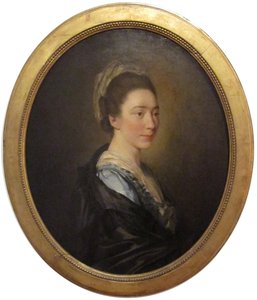
marie-anne collot
1745 - 1814 , France
基本情報
- Artistic Movement Or Style: Moral & satirical engravings/paintings
- Artists Or Movements Influenced By This Artist: ['Romantic literature']
- Date Of Birth: November 10, 1697
- Date Of Death: October 26, 1764
- Full Name: William Hogarth
- Nationality: English
- Notable Artworks: ['A Rake’s Progress']
- Place Of Birth: London, England
関連記事
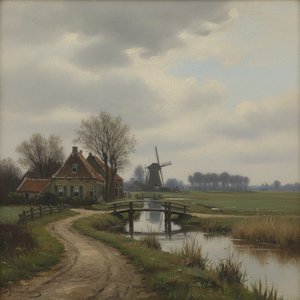
Jacob Henricus Maris: A Master of Dutch Atmospheric Realism & the Intimate Landscape
Explore the captivating world of Jacob Henricus Maris, a leading figure of the Dutch Hague School. Discover his atmospheric landscapes, signature brushstrokes & lasting influence on 19th-century art. Learn more at ArtsDot.
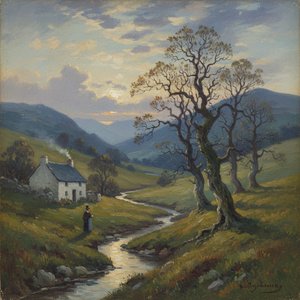
Penry Williams: Evoking Welsh Nostalgia Through Impressionistic Landscapes
Explore the captivating world of Penry Williams (1802-1885), a Welsh artist renowned for his evocative Impressionistic landscapes and scenes of Italy. Discover his life, style & legacy with ArtsDot.
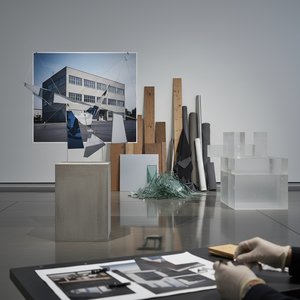
Christopher Williams: Deconstructing Representation & Materiality in Contemporary Art
Explore the groundbreaking work of Christopher Williams, a pivotal figure in contemporary art. This analysis delves into his deconstruction of representation, materiality, and institutional critique – essential reading for serious collectors.

Mary Vaux Walcott: Botanical Precision & Artistic Vision in American Conservation
Discover the exquisite botanical watercolors of Mary Vaux Walcott, celebrated as the 'Audubon of Botany.' Explore her life, art, and lasting impact on American conservation through detailed illustrations & Smithsonian contributions.
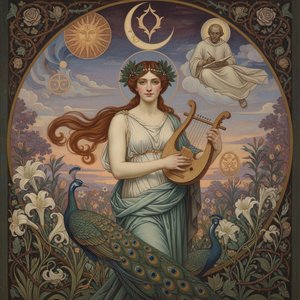
Sir William Blake Richmond: A Visionary of Aestheticism & Symbolism
Explore the life & art of Sir William Blake Richmond, a pivotal figure bridging Pre-Raphaelitism and Aestheticism. Discover his stunning portraits, mosaics at St Paul's Cathedral, and lasting influence on Victorian art.