

 プレビュー
プレビュー
 プリントを購入
 シェアする
シェアする シェアする
シェアする
 詳細を見る
詳細を見る

 ダウンロード
 似ている作品
 X線調査
X線調査 スライドショー
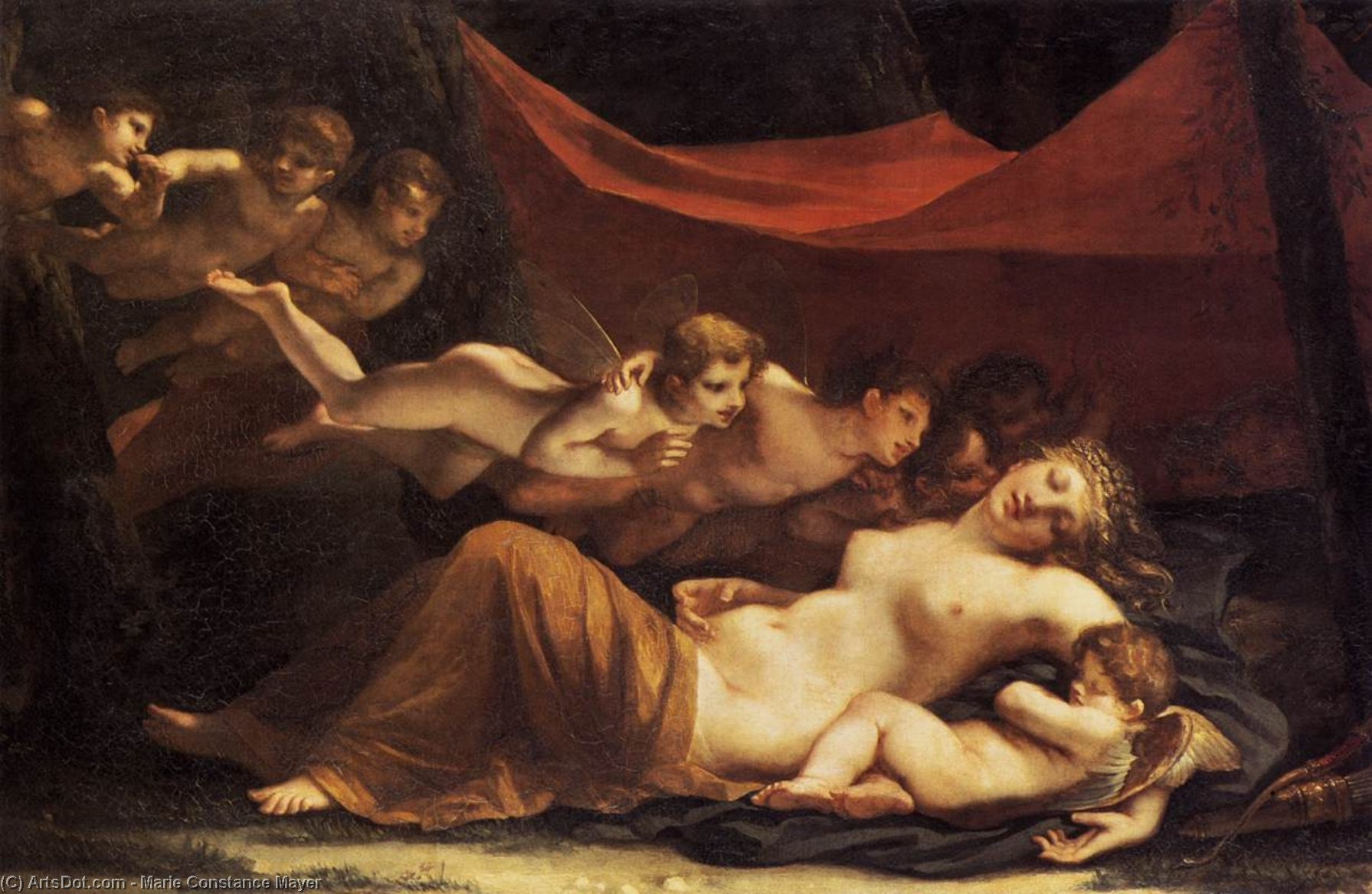
The Sleep of Venus and Cupid
 Oil On Canvas
- WallArt
- Baroque
 1806
1806 97.0 x 145.0 cm
 ウォールスコレクション
 詳細を見る
詳細を見る




P118B $10

P118H $10

P118W $10

P438Z $10

P508JH $12

P508YH $12

P805H $10

P805Z $10

P919BZ $10

P919G $10

P919XJ $10

P959ZH $10

P968JZ $12

W106C $8

W218G $10

W218JH $8

W218Y $10

W307PJ $10

W316G $10

W316PJ $8

W316Y $10

W398PJ $8

W4111J $10

W500HY $15

W500JH $15

W692G $12

W849H $8

W940BG $15

W953PJ $8




作品のオリジナル比率に合わせた、当店の規定サイズからお選びください。

特定のフレームやスペースに合わせて、ご希望のサイズをご入力いただけます。選択されたサイズが元の画像の比率と異なる場合、アートワークをトリミングするか、手描きで要素を追加して絵画を拡張いたします。デジタルモックアップ を制作し、制作開始前にご確認(承認)をいただきます。
画面上のプレビューは、実際のトリミングや拡張を正確に反映しているものではありません。最終的な構図は、モックアップによってのみ正確にご確認いただけます。
カスタムサイズもご利用いただけますが、元の比率を維持するためには、あらかじめ用意されたリストからサイズを選択することをお勧めいたします。
ご注文後、ArtsDot.com チームより詳細な指示をお送りするとともに、仕上がりイメージ(モックアップ)をご提供いたします。


 ガラスオプションは、110cm未満のサイズでのみご利用いただけます。

The Sleep of Venus and Cupid
複製技法
複製画のサイズ
-


合計金額
$ 338
Marie Constance Mayer’s Dramatic Ode to Eros
Marie Constance Mayer’s “Sleep of Venus & Cupid” (1806) stands as a testament to both artistic brilliance and personal hardship—a poignant reflection of the complexities faced by women artists navigating the evolving landscape of French Neoclassicism. Executed in oil on canvas, this monumental painting captures a scene steeped in mythological allusion, drawing heavily from classical narratives surrounding Aphrodite (Venus), goddess of love and beauty, and her son Cupid, messenger of desire.
- Subject Matter & Narrative: The artwork depicts Venus reclining gracefully upon a bed draped with sumptuous fabrics—a deliberate echo of idealized depictions found in Roman sculpture. Beside her lies Cupid, poised to bestow kisses upon her slumbering form, symbolizing the transformative power of love and its ability to inspire divine intervention. This narrative draws upon established mythological tropes, conveying themes of passion, vulnerability, and transcendent grace.
- Style & Influences: Mayer’s style firmly aligns with Baroque aesthetics despite her teacher's influence—a stylistic paradox that speaks volumes about the artistic currents of the time. The dramatic chiaroscuro lighting – a hallmark of Baroque painting – casts deep shadows across the canvas, emphasizing the central figures and creating an atmosphere of theatrical grandeur. This technique prioritizes emotional intensity and visual drama over strict realism.
- Technique & Materials: Mayer’s meticulous approach to execution is evident in her masterful use of glazing and scumbling—techniques that build up layers of color to achieve luminous effects and imbue the painting with palpable texture. The oil paint medium itself contributes to a sense of materiality, mirroring the opulent fabrics and decorative elements characteristic of Baroque interiors.
- Historical Context: Created in 1806 during Josephine Bonaparte’s reign—the Empress herself owning this artwork— “Sleep of Venus & Cupid” reflects the artistic patronage prevalent within the Napoleonic era. It represents a continuation of Neoclassical ideals championed by artists like Prud'hon, yet subtly incorporates Baroque stylistic elements, demonstrating the fluidity and dynamism of artistic expression.
- Symbolism & Emotional Impact: Beyond its narrative content, the painting operates on multiple symbolic levels. Venus embodies feminine beauty and purity, while Cupid represents youthful passion and divine grace—concepts central to Enlightenment thought and Romantic sensibilities. The overall impression is one of profound serenity juxtaposed with latent erotic energy, inviting contemplation on themes of desire, spirituality, and the transformative potential of love.
This captivating artwork exemplifies Mayer’s artistic prowess and underscores the enduring fascination with mythological narratives within European art history. A reproduction offers an exceptional opportunity to appreciate the grandeur of Baroque artistry and immerse oneself in a scene brimming with emotional resonance—a timeless masterpiece destined to inspire collectors and interior designers alike.
関連作品



アーティストの略歴
Marie Constance Mayer: Life and Artistic Journey
Born in France around 1774, Marie Constance Mayer lived a life marked by artistic talent, personal struggles, and complex relationships within the Neoclassical art world. Her career, often described as "brilliant but bitter," reflects both her successes as a woman artist in post-Revolutionary France and the challenges she faced due to gender bias and dependence on male colleagues.
Early Training and Influences
Mayer's artistic training began with established artists of the time. She initially studied under Jean-Baptiste Greuze, known for his genre scenes and portraits. This early instruction provided her with a foundation in traditional painting techniques and an understanding of popular subject matter. Her style was influenced by the Neoclassical movement, characterized by its emphasis on clarity, order, and idealized forms.
Collaboration and Dependence on Pierre-Paul Prud'hon
A significant portion of Mayer’s artistic development occurred through her long association with Pierre-Paul Prud'hon, a leading French painter. Their relationship was complex, involving both collaboration and dependence. He sketched designs and compositions, while she executed the paintings. Many works were exhibited under her name, but later attributed to Prud'hon when they entered public collections. This practice blurred the lines of authorship and contributed to confusion regarding their individual contributions.
- Collaborative Process: Prud’hon sketched designs; Mayer painted them.
- Attribution Issues: Works initially exhibited under Mayer's name were later attributed to Prud'hon in public collections.
Major Achievements and Artistic Style
Despite the challenges of attribution, Mayer achieved recognition for her artistic skill. Her style was characterized by Neoclassical principles, with a focus on clarity, idealized forms, and refined execution. She excelled in portraiture, genre scenes, and miniature paintings.
- Portraiture: She created portraits of individuals from various social backgrounds.
- Genre Scenes: Mayer painted scenes depicting everyday life and popular activities.
- Miniature Paintings: She was skilled in creating small-scale paintings with intricate detail.
Later Years, Personal Struggles, and Historical Significance
Mayer’s later years were marked by personal struggles and a sense of unfulfilled potential. Her dependence on Prud'hon and the subsequent attribution issues hindered her recognition as an independent artist. She died in 1821, leaving behind a legacy complicated by questions of authorship and gender bias.
- Unrecognized Contributions: Her individual contributions were often overshadowed by Prud’hon's reputation.
- Historical Significance: Mayer represents the challenges faced by women artists in post-Revolutionary France, who sought to make progress despite gender bias and limited opportunities.
Legacy and Recognition
In recent years, there has been renewed interest in Mayer’s life and work. Art historians are reevaluating her contributions and seeking to clarify the complex relationship between her and Prud'hon. Her story serves as a reminder of the importance of recognizing the achievements of women artists throughout history.
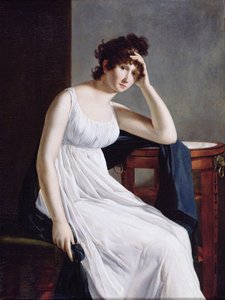
Marie Constance Mayer
1774 - 1821 , France
基本情報
- Artistic Movement Or Style: Neoclassical
- Artists Or Movements Influenced By This Artist:
- Pauline Auzou
- Marguerite Gérard
- Artists Who Influenced This Artist:
- Pierre-Paul Prud'hon
- Jean-Baptiste Greuze
- Date Of Birth: 1774
- Date Of Death: 1821
- Full Name: Marie Constance Mayer
- Nationality: French
- Notable Artworks:
- Venus and Cupid Sleeping
- Amable Tastu
- Place Of Birth: France
関連記事

バロックのドラマ:現代のインテリアに壮麗さと情感を取り込む
バロック様式の歴史、絵画、家具の魅力をご紹介。ArtsDotでは、高品質な油絵複製やカスタムポートレートをご提供し、現代のインテリアに壮麗さと情感を取り入れます。アートコンサルテーションも承ります。

The Dramatic Flourish: Exploring the Baroque Movement's Enduring Legacy in Art History
Explore the dramatic world of Baroque art! Discover iconic artists like Caravaggio & Rubens, defining techniques, and its lasting impact on art history. Expert insights for collectors & enthusiasts at ArtsDot.

バロック美術を極めた至宝:時代を彩る10大名作の世界
バロック美術の華!カラヴァッジョ、ベルニーニら巨匠が創り上げた10大名作を徹底解剖。ドラマチックな色彩と豪華絢爛の世界観に触れ、至宝のアートプリントで空間を彩ろう。ArtsDot.comで美術館品質の複製と洗練されたインテリアを見つけましょう!

The Visceral Stage: Exploring Dramatic Narratives & Emotional Intensity in Baroque Art
Explore the dramatic world of Baroque art! Discover iconic masters like Caravaggio & Rembrandt, their techniques, and the movement's lasting impact. Expert insights for collectors & enthusiasts at ArtsDot.
Theatricality & Triumph: Baroque Drama in Painting & Sculpture
Explore the dramatic world of Baroque art! Discover its history, defining characteristics, & lasting influence on painting & sculpture. Expert insights into Caravaggio, Zurbarán, and Bernini – plus high-quality reproductions at ArtsDot.

