

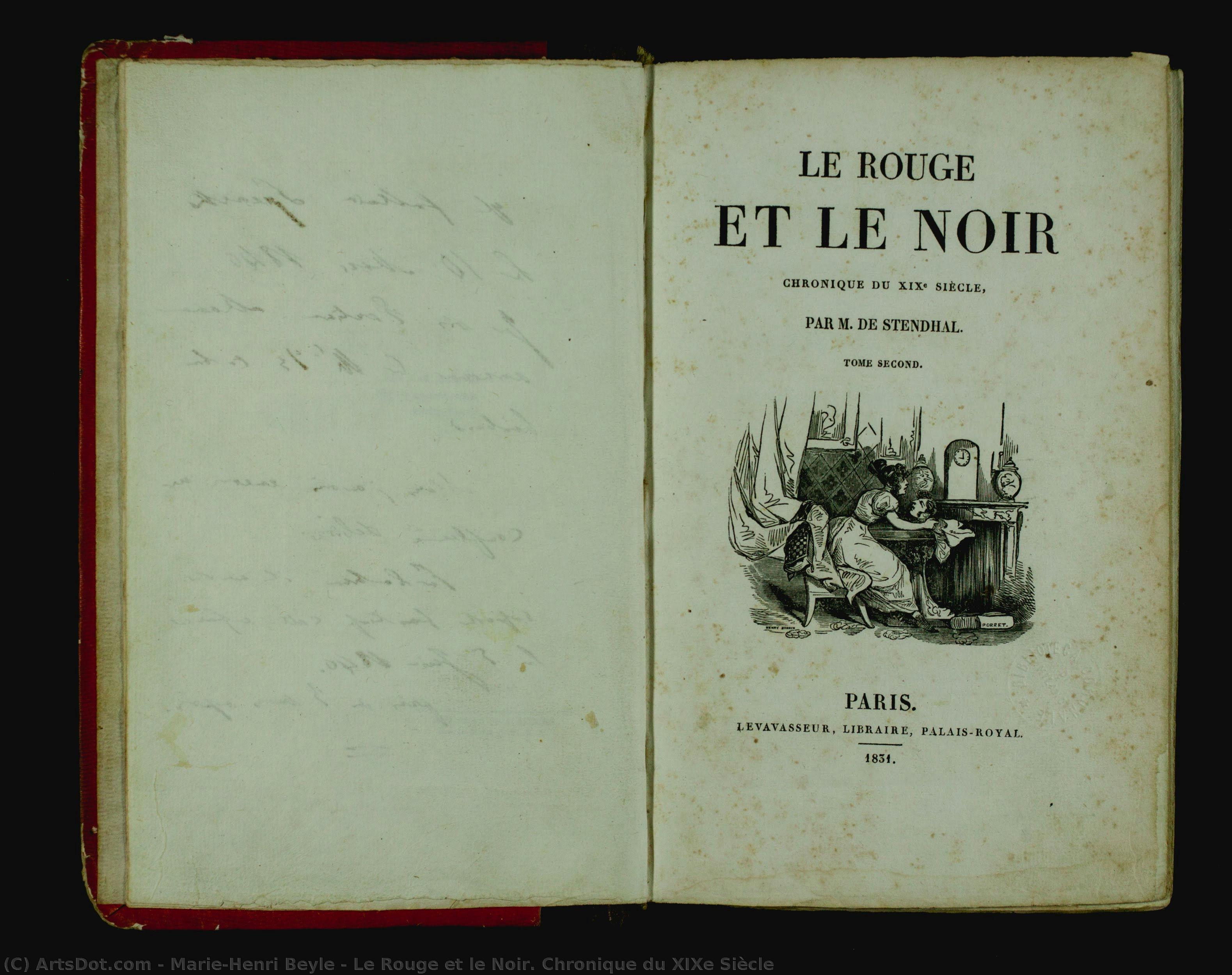
 プレビュー
プレビュー
 プリントを購入
 シェアする
シェアする シェアする
シェアする
 詳細を見る
詳細を見る

 ダウンロード
 似ている作品
 X線調査
X線調査 スライドショー
Le Rouge et le Noir. Chronique du XIXe Siècle

 詳細を見る
詳細を見る




































作品のオリジナル比率に合わせた、当店の規定サイズからお選びください。

特定のフレームやスペースに合わせて、ご希望のサイズをご入力いただけます。選択されたサイズが元の画像の比率と異なる場合、アートワークをトリミングするか、手描きで要素を追加して絵画を拡張いたします。デジタルモックアップ を制作し、制作開始前にご確認(承認)をいただきます。
画面上のプレビューは、実際のトリミングや拡張を正確に反映しているものではありません。最終的な構図は、モックアップによってのみ正確にご確認いただけます。
カスタムサイズもご利用いただけますが、元の比率を維持するためには、あらかじめ用意されたリストからサイズを選択することをお勧めいたします。
ご注文後、ArtsDot.com チームより詳細な指示をお送りするとともに、仕上がりイメージ(モックアップ)をご提供いたします。


 ガラスオプションは、110cm未満のサイズでのみご利用いただけます。

Le Rouge et le Noir. Chronique du XIXe Siècle
複製技法
複製画のサイズ
-


合計金額
$ 363
関連作品










アーティストの略歴
Thomas Sully: The American Lawrence
Thomas Sully, born in Horncastle, Lincolnshire, England, on June 19, 1783, was a pivotal figure in the development of portraiture during America’s formative years. His life and career represent a fascinating confluence of European artistic training, burgeoning American identity, and an astute understanding of his patrons' desires. Initially destined for a theatrical career – his father and brothers were actors – Sully’s innate talent for drawing led him to pursue painting, receiving informal instruction from Jean Belzons before embarking on formal studies in London. This early exposure to the established artistic circles of England profoundly shaped his style, particularly evident in his meticulous attention to detail and elegant compositions, often echoing the refined aesthetic championed by Thomas Lawrence, a comparison that earned him the moniker “The American Lawrence.” Sully’s journey culminated in his naturalization as an American citizen in 1809, firmly establishing his place within the burgeoning artistic landscape of Philadelphia.Early Life and Artistic Foundations
Sully's childhood was marked by a transient existence, shaped by his family’s itinerant career on the stage. Following his parents’ emigration to Charleston, South Carolina, in 1792, he spent formative years immersed in the vibrant theatrical scene of the city. However, recognizing his artistic potential, Sully secured an apprenticeship with Thomas Wade West, a theater manager and art collector, who provided him with invaluable guidance and access to a wider world of artistic influences. This period laid the groundwork for his future success, introducing him to the principles of portraiture and establishing connections within Charleston’s elite social circles. Crucially, Sully's brother-in-law, Charles Fraser, a prominent artist in London, offered further instruction, solidifying his technical skills and broadening his artistic horizons.Philadelphia Ascendancy and Portraiture as a Profession
Sully’s career truly took flight in Philadelphia, where he quickly established himself as the leading portrait painter of the era. His talent for capturing not only physical likeness but also the character and social standing of his subjects propelled him to unprecedented success. He catered to a diverse clientele – from wealthy merchants and prominent politicians like Thomas Jefferson, John Quincy Adams, and Andrew Jackson, to Revolutionary War heroes such as Marquis de Lafayette, and even Queen Victoria herself. Sully’s portraits were not merely representations; they were carefully constructed narratives designed to enhance the prestige of his sitters. His ability to flatter and elevate his subjects was a hallmark of his style, reflecting the prevailing social values of the time. His prolific output – over 2,300 paintings throughout his seven-decade career – speaks volumes about his dedication and skill.The Royal Commission and a European Interlude
Perhaps the most significant chapter in Sully’s career unfolded when he received a commission to paint Queen Victoria in 1837, shortly after her ascension to the throne. This unexpected opportunity led him on an extended sojourn to London, a period that profoundly impacted his artistic development and broadened his perspective. Initially intending a brief refresher course, the commission unexpectedly kept him engaged for months, immersing him in the heart of British society. He documented this experience with meticulous detail, capturing the grandeur of court life and engaging with leading artists and intellectuals. The encounter with Queen Victoria, a surprisingly approachable and inquisitive subject, became a defining moment in his career, solidifying his reputation as a master portraitist and introducing him to a wider European audience.Legacy and Historical Significance
Thomas Sully’s legacy extends far beyond the portraits that adorn the walls of museums and private collections. He played a crucial role in establishing the tradition of formal portraiture in America, shaping the visual representation of power and influence during a period of rapid social and political change. His meticulous technique, refined style, and ability to capture the essence of his subjects ensured his enduring popularity. Furthermore, Sully’s work served as a model for subsequent generations of American artists, influencing their approach to portraiture and contributing significantly to the development of the nation's artistic identity. His paintings continue to be studied and admired today, offering a valuable window into the social and cultural landscape of 18th and 19th-century America.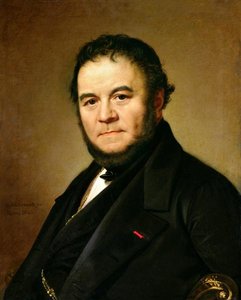
marie-henri beyle
1783 - 1842 , France
基本情報
- Artistic Movement Or Style: Portraiture, Romanticism
- Artists Or Movements Influenced By This Artist: ['Sir Thomas Lawrence of America']
- Artists Who Influenced This Artist:
- Benjamin West
- Thomas Lawrence
- Date Of Birth: June 19, 1783
- Date Of Death: November 5, 1872
- Full Name: Thomas Sully
- Nationality: English-American
- Notable Artworks:
- The Passage of the Delaware
- Queen Victoria portrait
- Place Of Birth: Horncastle, England

