

 プレビュー
プレビュー
 プリントを購入
 シェアする
シェアする シェアする
シェアする
 詳細を見る
詳細を見る

 ダウンロード
 似ている作品
 X線調査
X線調査 スライドショー
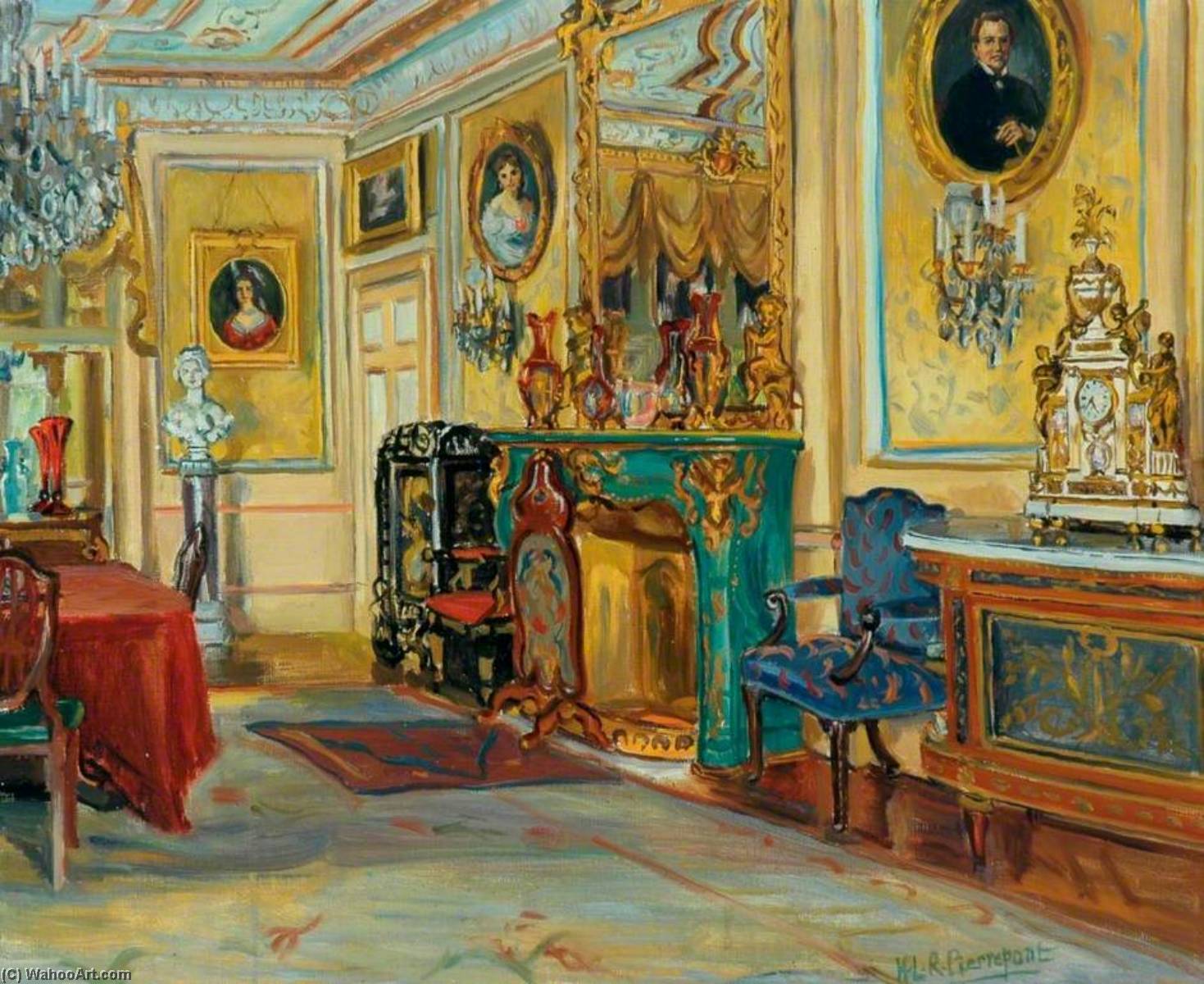
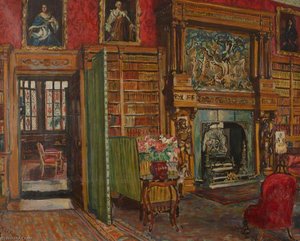
Large Drawing Room with a Malachite Fireplace, Cliffe Castle
 59.0 x 73.0 cm
 詳細を見る
詳細を見る




































作品のオリジナル比率に合わせた、当店の規定サイズからお選びください。

特定のフレームやスペースに合わせて、ご希望のサイズをご入力いただけます。選択されたサイズが元の画像の比率と異なる場合、アートワークをトリミングするか、手描きで要素を追加して絵画を拡張いたします。デジタルモックアップ を制作し、制作開始前にご確認(承認)をいただきます。
画面上のプレビューは、実際のトリミングや拡張を正確に反映しているものではありません。最終的な構図は、モックアップによってのみ正確にご確認いただけます。
カスタムサイズもご利用いただけますが、元の比率を維持するためには、あらかじめ用意されたリストからサイズを選択することをお勧めいたします。
ご注文後、ArtsDot.com チームより詳細な指示をお送りするとともに、仕上がりイメージ(モックアップ)をご提供いたします。


 ガラスオプションは、110cm未満のサイズでのみご利用いただけます。

Large Drawing Room with a Malachite Fireplace, Cliffe Castle
複製技法
複製画のサイズ
-


合計金額
$ 263
関連作品




アーティストの略歴
Marie-Louise Roosevelt Pierrepont: A Life Painted in Victorian Detail
The world of 19th-century British art often focuses on grand narratives – the sweeping landscapes of Turner, the dramatic portraits of Reynolds. Yet, within this established canon resides a quieter, more intimate story, one told through the meticulous brushstrokes and keen observation of Marie-Louise Roosevelt Pierrepont, Countess Manvers. Born in 1889 into a family steeped in both industrial wealth and aristocratic lineage – her father, Frederick Butterfield, was a prominent figure in the Yorkshire textile industry – Marie-Louise’s artistic journey began not as a fashionable pastime but as a deeply personal pursuit, one inextricably linked to her upbringing within the opulent confines of Cliffe Castle and later, Thoresby Hall.
Her early education, overseen by her parents, emphasized a rigorous appreciation for art. She was enrolled at the Académie Julian in Paris, a progressive institution renowned for its emphasis on foundational drawing skills – a discipline that would prove crucial to her distinctive style. Unlike many of her contemporaries who sought immediate recognition through grand salon paintings, Marie-Louise developed a methodical approach, meticulously documenting the details of everyday life within her family’s estate. This wasn't mere decorative painting; it was a deliberate act of preservation, a visual record of a vanishing world – the servants, the gamekeepers, the intricate furnishings, and the ever-present echoes of Victorian social rituals.
Her work is immediately recognizable for its remarkable detail and atmospheric quality. She eschewed dramatic lighting or overtly emotional subjects in favor of capturing the quiet dignity of her subjects and the subtle nuances of interior spaces. Consider her series of paintings depicting rooms within Thoresby Hall – the billiard room, the private dining room, the tapestry room. Each scene is rendered with painstaking accuracy, from the worn velvet upholstery to the glint of light on polished wood. These aren’t idealized representations; they are honest glimpses into a specific time and place, imbued with a sense of lived experience. Her use of color is restrained yet evocative, relying on subtle gradations of tone and texture to create depth and atmosphere. The influence of Impressionism is evident in her loose brushwork and focus on capturing fleeting moments of light, but she retains a distinctly British sensibility – a meticulousness and an appreciation for the beauty of domesticity that set her apart from her Parisian contemporaries.
The Family Legacy and Artistic Development
Marie-Louise’s family history profoundly shaped her artistic development. Her father, Frederick Butterfield, was not merely a successful industrialist; he was also a dedicated patron of the arts and a keen collector of antiquities. His passion for collecting and his appreciation for beauty instilled in Marie-Louise a deep respect for craftsmanship and an understanding of the value of preserving cultural heritage. The Pierrepont family’s extensive travels, particularly to America where her father maintained business interests, exposed her to diverse artistic styles and traditions, further broadening her creative horizons.
Following the untimely deaths of her brother and sister in childhood, Marie-Louise found solace and purpose in her art. She married Gervas Evelyn Pierrepont in 1918, inheriting the title of Countess Manvers upon his succession to the earldom in 1940. During this period, she continued to paint prolifically, documenting the evolving landscape of Thoresby Hall and its surroundings. Her work became increasingly focused on capturing the essence of domestic life – tea parties, needlework sessions, quiet moments of contemplation – offering a poignant reflection on the rhythms of aristocratic existence.
Notable Works and Artistic Style
Among her most celebrated works are “Billiard Room, Thoresby Hall” (1952) and “Nurse in the Tapestry Room” (circa 1890s). “Billiard Room” is a particularly striking example of her meticulous attention to detail, capturing the atmosphere of leisure and social interaction with remarkable precision. The painting’s muted palette and subtle lighting create a sense of intimacy and nostalgia, inviting the viewer to step back in time and imagine the conversations and games that once took place within those walls. “Nurse in the Tapestry Room” offers a more intimate portrait of domestic life, depicting a young woman tending to a child amidst the rich fabrics and intricate patterns of the tapestry room. The painting’s composition is carefully balanced, with the nurse’s attentive gaze drawing the viewer's eye towards the details of her surroundings.
Her style can be characterized as a blend of realism and Impressionism. She employed a highly observant approach to capturing the textures and colors of her subjects, while also utilizing loose brushwork and atmospheric effects to create a sense of depth and movement. She was particularly adept at rendering fabrics – velvet, silk, lace – with remarkable accuracy, imbuing them with a tactile quality that invites the viewer to reach out and touch them.
Historical Significance and Lasting Legacy
Marie-Louise Roosevelt Pierrepont’s work offers a valuable glimpse into Victorian domestic life and aristocratic culture. Her paintings are not merely decorative; they are historical documents, capturing the tastes, customs, and social dynamics of a bygone era. Her dedication to preserving the visual record of her family's estate – Cliffe Castle and Thoresby Hall – has ensured that these spaces continue to resonate with the spirit of those who inhabited them.
Despite being largely overlooked during her lifetime, Marie-Louise’s work is now gaining recognition as a significant contribution to British art history. Her meticulous attention to detail, her evocative use of color and light, and her insightful portrayal of domestic life have earned her a place among the most accomplished artists of the late 19th and early 20th centuries. Her legacy lives on through the paintings themselves – tangible reminders of a woman who found beauty and purpose in documenting the quiet rhythms of everyday existence.
marie louise roosevelt pierrepont
1889 - 1984
基本情報
- Artistic Movement Or Style: Impressionism
- Artists Or Movements Influenced By This Artist: ['Post-Impressionism']
- Artists Who Influenced This Artist: ['Stephen Slaughter']
- Date Of Birth: 1889
- Date Of Death: 1984
- Full Name: Marie-Louise Roosevelt Pierrepont
- Nationality: British
- Notable Artworks:
- Billiard Room, Thoresby Hall
- Private Dining Room, Thoresby Hall
- Nurse in the Tapestry Room
- Place Of Birth: Ghent, Belgium

