

 プレビュー
プレビュー
 プリントを購入
 シェアする
シェアする シェアする
シェアする
 詳細を見る
詳細を見る

 ダウンロード
 似ている作品
 X線調査
X線調査 スライドショー
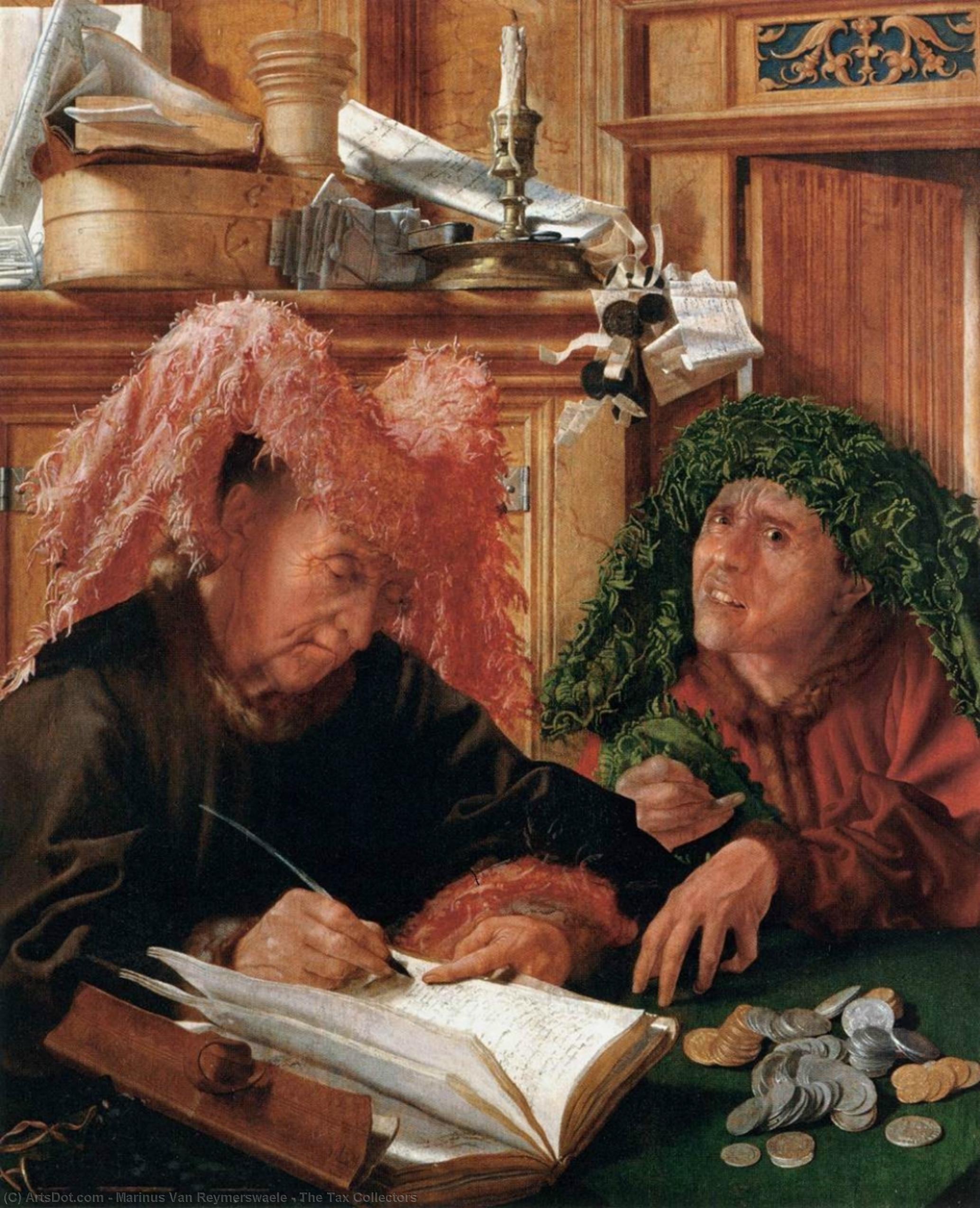
The Tax Collectors
 Oil On Panel
- Northern Renaissance
 1540
1540 94.0 x 77.0 cm
 ルーブル美術館
 詳細を見る
詳細を見る




P118B $10

P118H $10

P118W $10

P438Z $10

P508JH $12

P508YH $12

P805H $10

P805Z $10

P919BZ $10

P919G $10

P919XJ $10

P959ZH $10

P968JZ $12

W106C $8

W218G $10

W218JH $8

W218Y $10

W307PJ $10

W316G $10

W316PJ $8

W316Y $10

W398PJ $8

W4111J $10

W500HY $15

W500JH $15

W692G $12

W849H $8

W940BG $15

W953PJ $8




作品のオリジナル比率に合わせた、当店の規定サイズからお選びください。

特定のフレームやスペースに合わせて、ご希望のサイズをご入力いただけます。選択されたサイズが元の画像の比率と異なる場合、アートワークをトリミングするか、手描きで要素を追加して絵画を拡張いたします。デジタルモックアップ を制作し、制作開始前にご確認(承認)をいただきます。
画面上のプレビューは、実際のトリミングや拡張を正確に反映しているものではありません。最終的な構図は、モックアップによってのみ正確にご確認いただけます。
カスタムサイズもご利用いただけますが、元の比率を維持するためには、あらかじめ用意されたリストからサイズを選択することをお勧めいたします。
ご注文後、ArtsDot.com チームより詳細な指示をお送りするとともに、仕上がりイメージ(モックアップ)をご提供いたします。


 ガラスオプションは、110cm未満のサイズでのみご利用いただけます。

The Tax Collectors
複製技法
複製画のサイズ
-


合計金額
$ 263
The Tax Collectors by Marinus van Reymerswaele: A Window into Renaissance Dutch Life
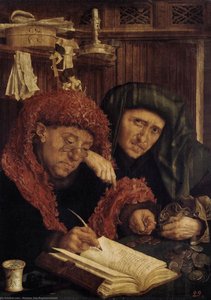
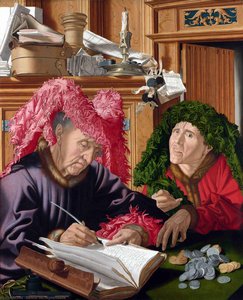
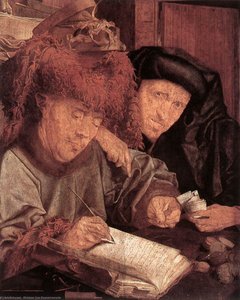
Marinus van Reymerswaele’s “The Tax Collectors,” painted around 1540, isn't merely a depiction of a mundane scene; it’s a meticulously crafted snapshot of 16th-century Dutch society – a world grappling with burgeoning wealth, shifting power dynamics, and the ever-present realities of governance. This panel painting, now housed in the Louvre Museum, offers a remarkably intimate glimpse into the lives of ordinary citizens, elevated by Reymerswaele’s masterful use of color, light, and detail. The work transcends its subject matter to become a poignant commentary on social order, economic pressures, and the subtle tensions simmering beneath the surface of daily life.
Reymerswaele, a key figure in the development of Dutch genre painting, was deeply influenced by the artistic innovations emerging from Florence and Antwerp. His style blends elements of realism with a distinctly Northern European sensibility – a preference for earthy tones, carefully observed details, and a focus on capturing the essence of human experience. “The Tax Collectors” exemplifies this approach perfectly. The scene unfolds within a modestly furnished room, bathed in diffused light that suggests an early morning hour. A table dominates the composition, cluttered with essential objects: a ledger, a coin purse, a bowl of coins, and a partially consumed cup – all meticulously rendered to convey a sense of immediacy and authenticity.
The Figures and Their Roles
At the center of the painting stand two men, identified as tax collectors. One, dressed in dark clothing, is actively engaged in writing within his ledger, his brow furrowed in concentration. His posture suggests diligence and responsibility – a vital role in maintaining the financial stability of the city. Across from him sits another figure, seemingly overseeing the proceedings with a watchful gaze. The details of their attire—the simple robes and modest furnishings—speak volumes about their social standing: they are not wealthy men, but individuals whose livelihood depends on collecting taxes for the local authorities. The inclusion of these figures is deliberate; Reymerswaele isn’t simply illustrating a transaction; he's presenting them as representatives of a system that shaped daily life.
Notably absent is any indication of authority or power. The tax collectors are presented as ordinary men, performing their duties with quiet seriousness. This lack of overt grandeur underscores the painting’s subtle critique of social hierarchy and the potential for corruption inherent in systems reliant on collecting revenue. The composition subtly invites the viewer to contemplate the ethical implications of their roles – a theme that resonates powerfully even today.
Technique and Artistic Choices
Reymerswaele's technical skill is evident in every brushstroke. He employs a meticulous approach, layering thin glazes of oil paint to create a rich, luminous surface. The use of chiaroscuro – the dramatic contrast between light and shadow – adds depth and volume to the figures and objects, drawing the viewer’s eye to key details. The artist's attention to texture is particularly noteworthy; you can almost feel the roughness of the wooden table, the smoothness of the coins, and the folds in the men’s clothing.
Furthermore, Reymerswaele masterfully utilizes color to convey mood and atmosphere. The muted palette—dominated by browns, ochres, and grays—reflects the somber nature of the subject matter, while subtle touches of red and gold highlight key elements, such as the coins and the tax collector’s ledger. The careful balance between light and shadow creates a sense of realism and immediacy, inviting the viewer to step into the scene and observe the unfolding drama.
Symbolism and Historical Context
“The Tax Collectors” is more than just a portrait; it's a reflection of the social and economic realities of 16th-century Netherlands. The painting emerged during a period of significant political and economic change, as the Dutch Republic struggled to assert its independence from Spain. Tax collection was a contentious issue, often fraught with corruption and abuse. Reymerswaele’s depiction of the tax collectors subtly acknowledges this tension, suggesting that their role—while essential for maintaining order—was also subject to scrutiny and potential exploitation.
The inclusion of everyday objects – the ledger, the coins, the cup – serves as a reminder of the material realities of life. These seemingly mundane items become symbolic representations of wealth, power, and social status. Through his careful observation and skillful rendering, Reymerswaele transforms a simple scene into a powerful commentary on human nature and the complexities of society. “The Tax Collectors” remains a compelling work of art, offering a valuable window into the past and prompting us to reflect on the enduring challenges of governance and social justice.
関連作品


アーティストの略歴
ティツィアーノ:ヴェネツィアの太陽
1490年代、ヨーロッパ全土ではルネサンスの息吹が急速に広がっていました。その鮮やかな変革の風景の中で、最も眩い星として現れたのがティツィアーノです。アルプスの小さな町ピエーヴェ・ディ・カドレにて、1488年から90年頃に誕生した彼は、その生涯の約80年にわたる歩みの中で、芸術における巨大な変容期を駆け抜けました。初期ルネサンスのフィレンツェに見られた厳格な形式美から、後のヴェネツィア派絵画を決定づけることとなる、より豊かで官能的な色彩、そしてダイナミックな構図への転換――その歴史のうねりと彼の人生は重なり合っています。彼の物語は単なる技術的な習熟の記録ではありません。それは、時代の文化的な潮流を映し出す鏡であり、野心とパトロンとの絆、そして色というものが持つ永遠の力を証明するものなのです。
若き日のティツィアーノの修行は、当時の志ある芸術家としては極めて伝統的なものでした。ヴェネツィアの名高いモザイク職人セバスティアーノ・ズッカートの工房で弟子として歩み始め、その後、街で最も権威ある巨匠の一人であるジェンティーレ・ベッリーニのスタジオに身を置きました。しかし、彼が真に独自のスタイルを築き始めるきっかけとなったのは、ジョルジョーネとの出会いでした。ジョルジョーネの影響は、その後のティツィアーノのキャリア全体に波紋のように広がっていくことになります。色彩の革新的な使い方や空気遠近法、そして一瞬の美を捉えようとする情熱的なアプローチは、ティツィアーノの後の発展にとって不可欠な礎となりました。二人はパドヴァの「スクオーラ・デル・サント」を飾る壮大なフレスコ画で共作を行い、このプロジェクトが彼らの絆を強め、新進気鋭の才能としてのティツ続ィアーノの名を確立させたのです。
躍進と栄光
1510年、ジョルジョーネの早すぎる死の後、ティツィアーノは自らの好機を逃しませんでした。彼は瞬く間に独立した芸術家としての地位を確立し、フィレンツェの強大なメディチ家から、フェラーラ、マントヴァ、ウルビーノの公爵や君主たちに至るまで、イタリア全土の裕福なパトロンたちの注目を集めました。その多才さは驚異的でした。肖像画、神話の一場面、宗教的な祭壇画、そして風景画に至るまで、あらゆる主題において卓越した手腕を発揮したのです。彼は単なる画家ではありませんでした。宮廷人であり、外交官であり、そしてクライアントとの関係構築の重要性を熟知した、演出の達人でもあったのです。
初期の作品には、繊細な叙情性と、柔らかな光に包まれた羊飼いやニンフ、牧歌的な風景への愛着が漂っています。しかし、成熟とともに彼のスタイルは劇的な変貌を遂げました。より大胆な色彩、奔放な筆致、そしてダイナミックな構図へと向かったのです。後年の作品には、官能的なエネルギーと人間感情への深い洞察が吹き込まれています。ヴェネツィアのサンタ・マリア・グロリオザ・デイ・フラリ教会のために描かれた「聖母被昇天」(1516-18年)は、まさにこの進化の極致と言えるでしょう。それはヴェネツィア絵画を再定義し、壮大さと感情的な強烈さにおける新たな基準を打ち立てた記念碑的な祭壇画でした。
技法と革新
ティツィアーノの色彩における習熟は、比類なきものでした。彼は「グレージング(透明層の重ね塗り)」として知られる独自の技法を編み出し、薄く半透明な絵具の層を重ねることで、豊かで光り輝く画面を作り上げました。この手法によって、深いウルトラマリンの青から、最も鮮やかな赤や黄色に至るまで、驚くほど幅広い色調と階調を実現したのです。また、彼は様々な顔料を用いて広範な実験を繰り返し、光と影の微細なニュアンスを捉えるための新たな道を常に模索していました。明暗の劇的な対比を生み出す「キアロスクーロ」の使用は、彼の様式の象徴となり、構図に奥行きとドラマを与えました。
色彩のみならず、ティツィアーノの革新は構図や筆致にも及びました。彼は初期ルネサンス絵画の硬直した形式主義から脱却し、より流動的で表現豊かなアプローチを採用しました。その筆跡はしばしば自由でジェスチュラルであり、動きと即興性を感じさせます。さらに、衣襞(ドレーパリー)や質感を描写するための新しい技法を切り拓き、まるで生命を持って揺らめき、流れるかのような布の表現を生み出したのです。
遺産と影響
後世の芸術家たちに与えたティツィアーノの影響は、計り知れません。ティントレット、ヴェロネーゼ、バッサーノといった次代のヴェネツィア派の画家たちは、彼の革新を継承し、ヴェネツィア派をヨーロッパで最も重要な芸術拠点の一つへと押し上げました。彼の技法は17世紀、そしてそれ以降の時代を通じて研究され、模倣され、西洋美術史の進路を形作っていったのです。
ティツィアーノの遺産は、キャンバスの枠を遥かに超えて広がっています。彼は鋭敏な実業家であり、カリスマ的な人物であり、そして人間性の観察者でもありました。その生涯は、前例のない創造性、革新、そして文化交流の時代であったルネサンスの精神そのものを体現しています。眩い色彩、劇的な構図、そして美に対する深い理解によって称えられる彼は、今なお歴史上最も愛され、敬愛される芸術家の一人であり続けています。
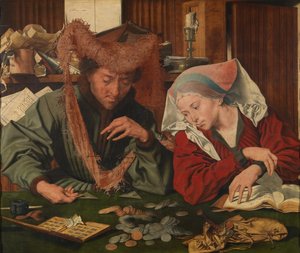
マリヌス・ファン・レイメルスウェール
1490 - 1546 , オランダ
基本情報
- Artistic Movement Or Style: ルネサンス絵画
- Artists Or Movements Influenced By This Artist:
- ヴェネツィア派
- ヨーロッパ絵画
- Artists Who Influenced This Artist:
- ジョルジョネ
- ジョヴァンニ・ベッリーニ
- Date Of Birth: 1490年頃
- Date Of Death: 1576年
- Full Name: ティツィアーノ・ヴェチェリオ
- Nationality: ヴェネツィア人
- Notable Artworks:
- 聖母被昇天
- ウルビーノのヴィーナス
- バッカスとアリアドネ
- Place Of Birth: イタリア、ピエーヴェ・ディ・カドレ
関連記事
Genre Painting: A Window into Daily Life & Societal Values of the Dutch Golden Age
Explore the captivating world of Dutch Golden Age genre painting! Discover realistic depictions of daily life, masterful artists like Ostade & Metsu, and hidden symbolism. Learn about this influential art movement with ArtsDot.

Golden Age Reflections: Dutch Baroque Painting & Cultural Innovation
Explore the Dutch Golden Age of painting! Discover key artists like Vermeer & ter Borch, their innovative techniques, and the rich cultural context behind these Baroque masterpieces. Learn about collecting & appreciating this iconic art period.

Illuminating Realism: Exploring the Dutch Golden Age of Painting (1600-1700)
Explore the Dutch Golden Age of painting (1600-1700) with ArtsDot. Discover Rembrandt, Vermeer & other masters. Learn about techniques, history & find museum-quality reproductions.

Illuminating Innovation: Exploring the Dutch Golden Age of Painting
Explore the Dutch Golden Age of painting with ArtsDot. Discover Rembrandt, Vermeer & other Masters. Learn about key characteristics, iconic artworks, and lasting influence. Expert insights for collectors & enthusiasts.
Jan Steen: A Master of Dutch Genre Painting & the Golden Age
Explore the life & art of Jan Steen, a leading Dutch Golden Age painter renowned for his humorous genre scenes & insightful social commentary. Discover his techniques, legacy, and collecting tips.

