

 プレビュー
プレビュー
 プリントを購入
 シェアする
シェアする シェアする
シェアする
 詳細を見る
詳細を見る

 ダウンロード
 似ている作品
 X線調査
X線調査 スライドショー
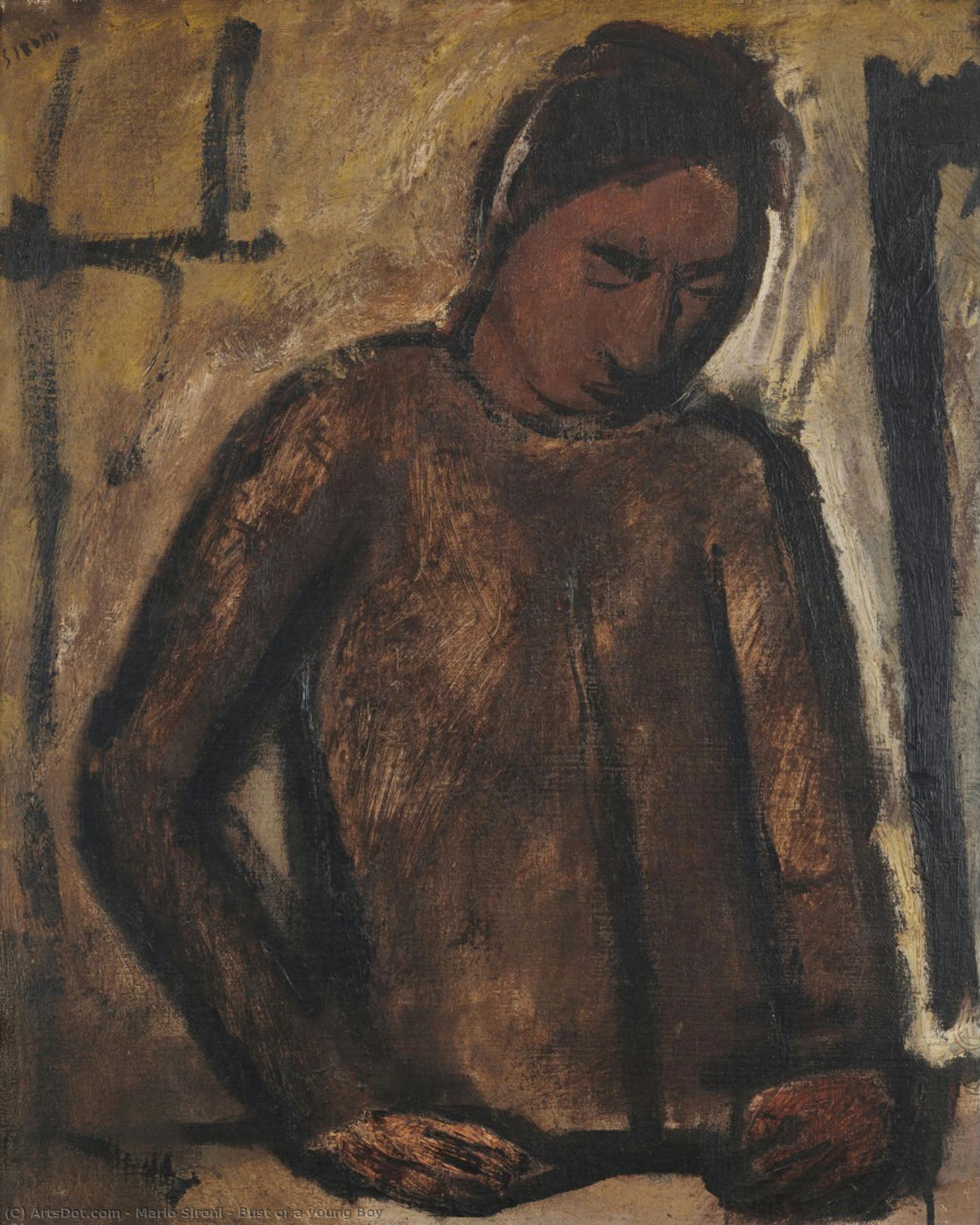
Bust of a young Boy
 Oil On Canvas
- WallArt
- Expressionism
 1925
1925- Modern
 59.0 x 48.0 cm
 Boschi Di Stefano House Museum
 詳細を見る
詳細を見る




P118B $10

P118H $10

P118W $10

P438Z $10

P508JH $12

P508YH $12

P805H $10

P805Z $10

P919BZ $10

P919G $10

P919XJ $10

P959ZH $10

P968JZ $12

W106C $8

W218G $10

W218JH $8

W218Y $10

W307PJ $10

W316G $10

W316PJ $8

W316Y $10

W398PJ $8

W4111J $10

W500HY $15

W500JH $15

W692G $12

W849H $8

W940BG $15

W953PJ $8




作品のオリジナル比率に合わせた、当店の規定サイズからお選びください。

特定のフレームやスペースに合わせて、ご希望のサイズをご入力いただけます。選択されたサイズが元の画像の比率と異なる場合、アートワークをトリミングするか、手描きで要素を追加して絵画を拡張いたします。デジタルモックアップ を制作し、制作開始前にご確認(承認)をいただきます。
画面上のプレビューは、実際のトリミングや拡張を正確に反映しているものではありません。最終的な構図は、モックアップによってのみ正確にご確認いただけます。
カスタムサイズもご利用いただけますが、元の比率を維持するためには、あらかじめ用意されたリストからサイズを選択することをお勧めいたします。
ご注文後、ArtsDot.com チームより詳細な指示をお送りするとともに、仕上がりイメージ(モックアップ)をご提供いたします。


 ガラスオプションは、110cm未満のサイズでのみご利用いただけます。

Bust of a young Boy
複製技法
複製画のサイズ
-


合計金額
$ 263
A Portrait of Quietude: Mario Sironi's "Bust of a Young Boy" (1925)
Mario Sironi’s “Bust of a Young Boy,” painted in 1925, is more than just a portrait; it’s a profound meditation on solitude and the weight of unspoken emotion. This striking work, measuring 59 x 48 cm, immediately draws the viewer into its melancholic atmosphere through a masterful deployment of color and texture that speaks directly to the tenets of Post-Impressionism and foreshadows the burgeoning Expressionist movement. The painting’s power resides in its ability to evoke a sense of quiet introspection, inviting contemplation on themes of vulnerability and perhaps even a subtle sadness.
Technique and Style: A Gestural Embrace
- Oil Paint & Palette Knife: Sironi’s technique is characterized by bold, gestural brushstrokes – or, more accurately, the application of paint with a palette knife. This creates a remarkably textured surface, denying any illusion of smooth perfection and emphasizing the artist's deliberate engagement with the medium.
- Reduced Forms & Flattened Perspective: The figure’s features are simplified and abstracted, prioritizing volume and form through color and texture over meticulous realism. The flattened perspective further contributes to this dreamlike quality, eliminating traditional depth cues and intensifying the emotional impact.
- Warm Earth Tones: Dominated by warm, earthy tones – ochres, browns, and muted reds – the palette reinforces the painting’s somber mood, creating a sense of intimacy and drawing the viewer into the subject's private world.
Historical Context & Influences: From Divisionism to Emotional Intensity
Sironi’s artistic journey reflects the shifting landscape of Italian art in the early 20th century. Initially influenced by Divisionism, a technique that sought to capture light through separated colors – evident in works like “The Student” – he briefly flirted with Futurism around 1914 before rejecting its emphasis on dynamism and embracing a more introspective approach. The painting’s creation occurred after World War I, a period of profound disillusionment and societal upheaval that undoubtedly shaped Sironi's artistic vision. This post-war sensibility is palpable in the work’s emotional intensity – a deliberate departure from objective observation towards conveying subjective experience.
Symbolism & Emotional Resonance: A Portrait of Vulnerability
The subject’s downcast gaze and downturned mouth immediately communicate a sense of melancholy, inviting viewers to consider the weight of unspoken thoughts. The muted colors and expressionless face could be interpreted as representing vulnerability or quiet contemplation – a poignant symbol of human fragility in the face of life's uncertainties. Sironi skillfully avoids overt narrative, allowing the viewer to project their own emotions and interpretations onto the image, thereby amplifying its emotional resonance.
A Statement Piece for Your Collection
This hand-painted reproduction captures the essence of Sironi’s masterpiece, offering a timeless work of art that will undoubtedly become a focal point in any interior space. Its evocative style and profound symbolism make it an ideal addition to discerning collections and a source of inspiration for those seeking to infuse their surroundings with quiet contemplation and emotional depth.
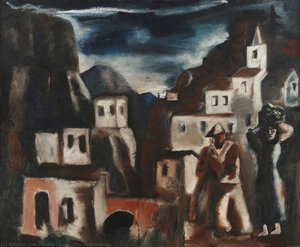
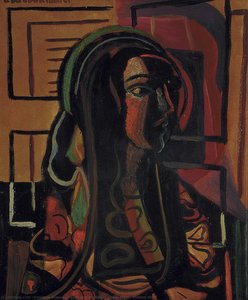
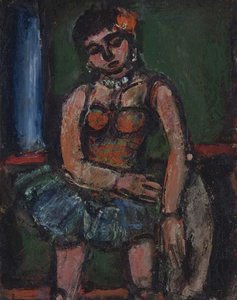
アーティストの略歴
マリオ・シローニ:イタリア現代美術における波瀾万丈の生涯
1885年5月12日、サルデーニャ島のサッサリに生まれたマリオ・シローニは、激動の20世紀を代表するイタリア人画家の一人です。父がエンジニアであり、母方の祖父イグナツィオ・ヴィッラは尊敬された建築家であり彫刻家でした。幼少期から芸術的な環境に触れ、その才能を開花させました。ローマ大学で工学を学び始めましたが、1903年に神経衰弱に見舞われ、人生の転換期を迎えます。この出来事をきっかけに彼は芸術の道へ進むことを決意し、アカデミア・ディ・ベッレ・アルティ・ディ・ローマのスクオーラ・リベラ・デル・ヌードで本格的な美術教育を受け始めます。そこで彼が出会った最初の重要な指導者こそが、ジャコモ・バッラでした。芸術的発展と影響
シローニの初期作品は、色彩分離主義(Divisionism)の影響を強く受けていました。これは、光彩効果を生み出すために色を分割して配置する技法であり、「学生」はその代表的な例と言えるでしょう。1914年頃には未来派(Futurism)にも短期間参加し、ローマのガレリア・スプロヴィエリで作品を発表しましたが、そのスピードとダイナミズムに焦点を当てた表現からすぐに距離を置きました。第一次世界大戦後、シローニのスタイルは劇的な変化を見せます。戦争体験と孤独感を背景に、巨大で静止したフォルムと幾何学的な形状が特徴的な作品を生み出すようになりました。彼の芸術的成長に大きな影響を与えたのは、ジャコモ・バッラ(初期指導者)、ジョルジョ・デ・キリコとカルロ・カラ(形に対する形而上絵画の影響)、そして新古典主義や原始的古典主義の要素でした。ノヴェチェント・イタリアーノ運動と成熟したスタイル
1922年、シローニはノヴェチェント・イタリアーノ運動の創設メンバーの一人となります。この運動は、戦後のヨーロッパ美術における秩序への回帰を目指し、明瞭さと伝統を重視しました。彼の成熟したスタイルは、以下の特徴によって際立っています。幾何学的な形状と簡素化されたフォルムの強調、後期作品における意図的にぎこちない美学、孤独、疎外感、人間の条件というテーマの探求、そして産業景観や労働者階級の生活の描写です。「ヴィーナス」(1921-1923年)と「孤独」(1925年)は、この時期を代表する重要な作品と言えるでしょう。政治的関与と晩年
シローニはベニート・ムッソリーニを支持し、ファシストの出版物に1700以上の漫画を提供しました。彼は芸術と建築の統合を信じ、ファシスト政権の理想を反映した公共空間のための記念碑的な作品の創造を目指しました。第二次世界大戦後、彼のファシズムとの関係は批判を受け、人気と評価が低下しました。その後、彼は公の場から身を引き、比較的孤立した生活の中で絵画を描き続けました。1961年8月13日、ミラノで生涯を閉じます。主要な業績と歴史的意義
シローニの作品は、イタリア現代美術に重要な貢献を果たし、未来派と後続の芸術的発展との橋渡し役となりました。孤独や疎外感といったテーマを探求した彼の試みは、20世紀の人々の不安を反映しました。政治的な関与に対する論争にもかかわらず、彼の作品は国際的に評価されており、1981年のポンピドゥー・センターや1989年のロイヤル・アカデミー(ロンドン)など、主要な展示会で紹介されています。シローニの遺産は、そのユニークな様式的な統合と、急速に変化する世界における人間の条件を力強く描いた作品の中にあります。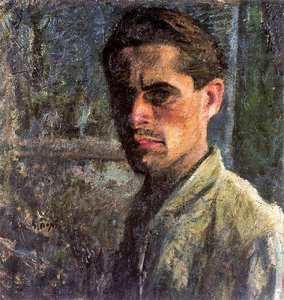
マリオ・シローニ
1885 - 1961 , イタリア
基本情報
- Artistic Movement Or Style: ノヴェチェント, 未来派
- Artists Who Influenced This Artist:
- ジャコモ・バッラ
- ジョルジオ・デ・キリコ
- Date Of Birth: 1885年5月12日
- Date Of Death: 1961年8月13日
- Full Name: マリオ・シローニ
- Nationality: イタリア人
- Notable Artworks (List Of Titles):
- ランプ(1919)
- ヴィーナス(1921-23)
- 孤独(1925)
- Place Of Birth (City And Country): イタリア、サッサリ
関連記事
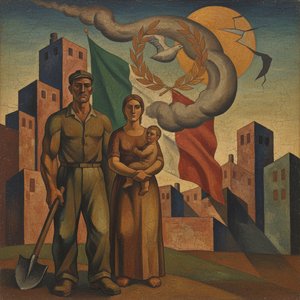
Mario Sironi: A Poetic of Modern Italian Identity Through Symbolism & Social Commentary
Explore the profound works of Mario Sironi, a key figure in Italian Modernism. Discover his evolution from Futurism to Metaphysical painting and his powerful social commentary. Learn about his legacy at ArtsDot.
光と色彩の彼方:知的な収集家のための印象派とポスト印象派
印象派とポスト印象派の傑作を深く理解し、知的なコレクションを築くための情報を提供。ArtsDotでは、高品質な油絵複製やカスタムアートをご用意。専門家が最適な作品選びをお手伝いします。
没後印象派を彩る至宝:時代を定義した10大名作
時代を彩る没後印象派の名作10選。ゴッホ、セザンヌら巨匠の傑作を深く掘り下げ、その物語と技法に迫ります。色彩豊かなアートで空間を演出。ArtsDot.comで至高のアートプリントを見つけませんか?
Beyond Impressionism: Exploring the Emotional Depth of Post-Impressionist Painting
Explore the profound emotional depth & innovative techniques of Post-Impressionism with ArtsDot. Discover Cézanne, Van Gogh, Gauguin & more – and their lasting impact on modern art.
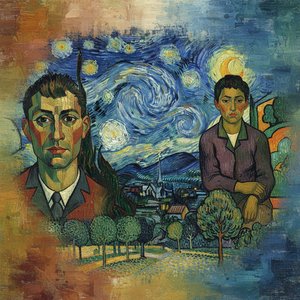
Beyond Impressionism: Exploring Emotional Depth & Formal Innovation in Post-Impressionist Art
Explore the profound emotional depth & formal innovations of Post-Impressionism with our expert guide. Discover Cézanne, Van Gogh, Gauguin & more. Learn about art history, collecting, and investing in this pivotal movement.