

 プレビュー
プレビュー
 プリントを購入
 シェアする
シェアする シェアする
シェアする
 詳細を見る
詳細を見る

 ダウンロード
 似ている作品
 X線調査
X線調査 スライドショー
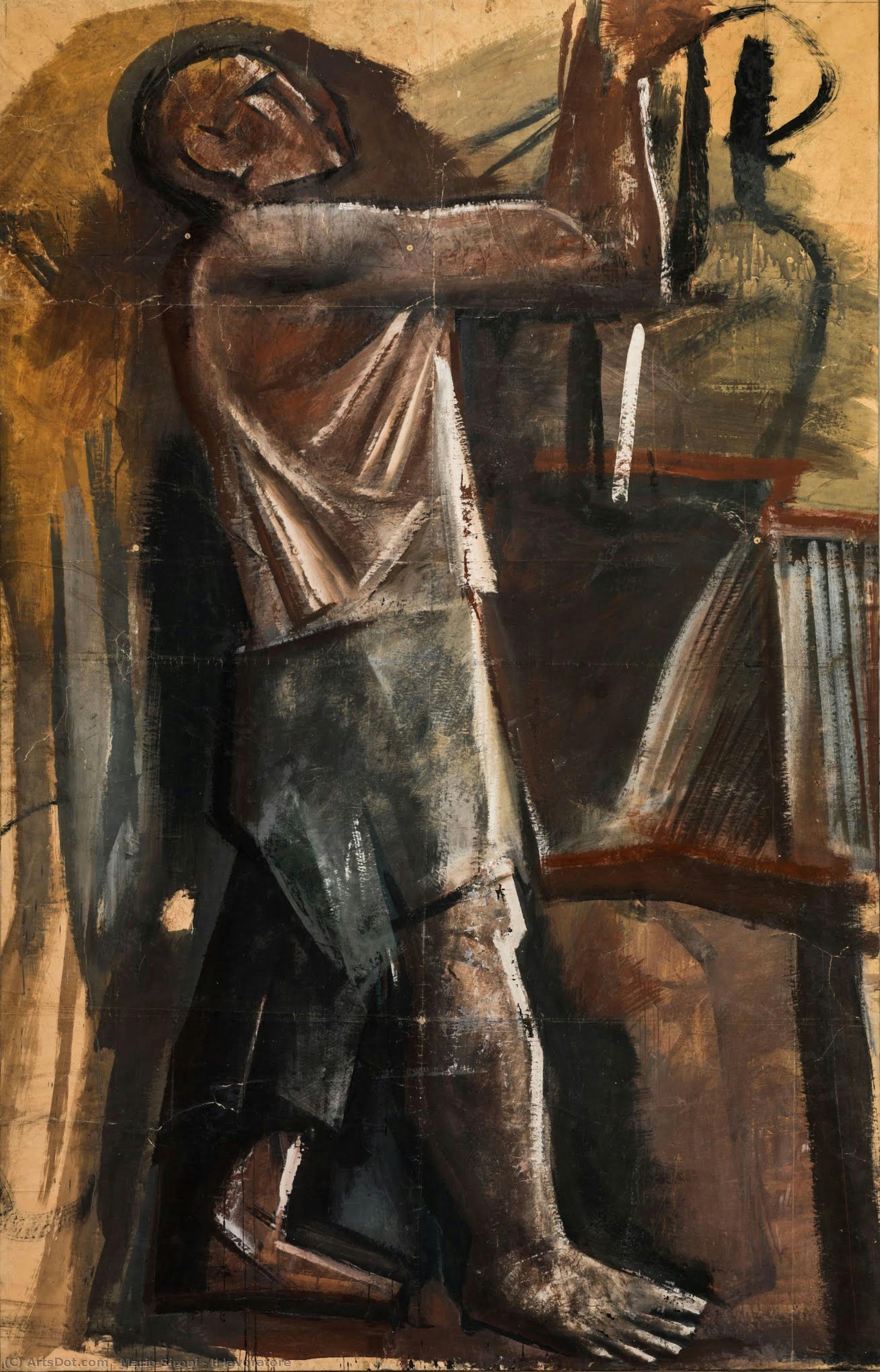
Il lavoratore
 Acrylic On Canvas
- WallArt
- Novecento Italiano
 202.0 x 325.0 cm
 Ministero degli Affari Esteri e della Cooperazione Internazionale. Collezione Farnesina
 詳細を見る
詳細を見る




P118B $10

P118H $10

P118W $10

P438Z $10

P508JH $12

P508YH $12

P805H $10

P805Z $10

P919BZ $10

P919G $10

P919XJ $10

P959ZH $10

P968JZ $12

W106C $8

W218G $10

W218JH $8

W218Y $10

W307PJ $10

W316G $10

W316PJ $8

W316Y $10

W398PJ $8

W4111J $10

W500HY $15

W500JH $15

W692G $12

W849H $8

W940BG $15

W953PJ $8




作品のオリジナル比率に合わせた、当店の規定サイズからお選びください。

特定のフレームやスペースに合わせて、ご希望のサイズをご入力いただけます。選択されたサイズが元の画像の比率と異なる場合、アートワークをトリミングするか、手描きで要素を追加して絵画を拡張いたします。デジタルモックアップ を制作し、制作開始前にご確認(承認)をいただきます。
画面上のプレビューは、実際のトリミングや拡張を正確に反映しているものではありません。最終的な構図は、モックアップによってのみ正確にご確認いただけます。
カスタムサイズもご利用いただけますが、元の比率を維持するためには、あらかじめ用意されたリストからサイズを選択することをお勧めいたします。
ご注文後、ArtsDot.com チームより詳細な指示をお送りするとともに、仕上がりイメージ(モックアップ)をご提供いたします。


 ガラスオプションは、110cm未満のサイズでのみご利用いただけます。

Il lavoratore
複製技法
複製画のサイズ
-


合計金額
$ 263
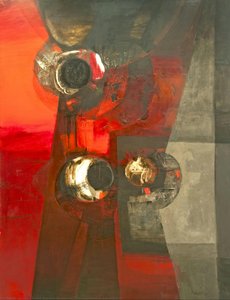
Il Lavoratore: A Study in Labor and Italian Identity
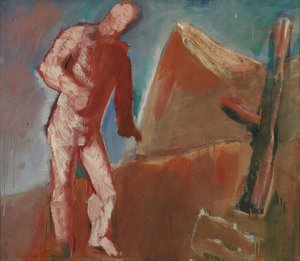
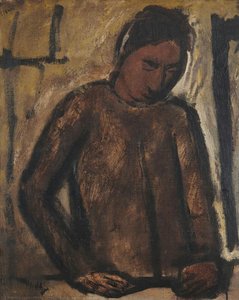
“Il Lavoratore,” Mario Sironi’s monumental preparatory study for the Corporative Italy mosaic commissioned for the Milan Triennial of 1936, stands as a testament to both the artist's stylistic evolution and his engagement with the socio-political landscape of Fascist Italy. More than just an image of manual labor—a deliberate nod to Mussolini’s vision of the Italian citizen—the painting embodies a profound exploration of solitude, vulnerability, and the enduring quest for meaning amidst industrial progress.Stylistic Roots: Divisionism and Futurism's Passing
Sironi’s artistic journey began with an immersion in Divisionism, where he meticulously layered translucent colors to achieve luminous effects – evident in early works like “The Student.” However, recognizing the limitations of this technique, he swiftly abandoned its preoccupation with fleeting impressions. A brief foray into Futurism around 1914 showcased his willingness to experiment with dynamism and speed, albeit a fascination that quickly dissipated after the trauma of World War I. This pivotal experience instilled in him a contemplative spirit, shaping his subsequent artistic endeavors.The Geometric Soul: Form and Symbolism
Following WWI, Sironi developed a distinctive style characterized by massive, immobile forms rendered in geometric shapes—a stylistic hallmark that would define his oeuvre. Influenced by figures like Giorgio de Chirico and Carlo Carrà, he embraced the metaphysical painting movement’s exploration of psychological depth and symbolic representation. The composition itself is striking: a solitary figure dominates the vertical space, seated or kneeling with arms outstretched – an gesture simultaneously humble and defiant. This posture speaks to the artist's preoccupation with existential questions and reflects the pervasive sense of isolation that permeated the era.Color Palette and Technique: Ochre, Gold, and Impasto
The painting’s color palette is predominantly dark—deep browns and blacks punctuated by splashes of ochre and gold—creating a dramatic interplay of light and shadow. These hues contribute to an atmosphere of solemn contemplation and underscore the figure's sculptural presence. Sironi employed oil paint on canvas with a thick impasto technique, applying pigment liberally to create textured surfaces that convey palpable physicality. This deliberate materiality serves not only to depict form but also to imbue the artwork with emotional resonance—a visual embodiment of resilience amidst adversity.Historical Context and Fascist Ideology
“Il Lavoratore” is inextricably linked to the socio-political climate of Fascist Italy, where Sironi’s artistic vision aligned with Mussolini's concept of the citizen as a participant in collective endeavor. The artist’s clothing—a fusion of toga and working dress—symbolizes this dual role: supreme judge and builder of a new nation. Ultimately, Sironi’s masterpiece transcends mere representation; it invites viewers to contemplate the complexities of human experience within the framework of historical circumstance – a timeless meditation on labor, identity, and the enduring pursuit of spiritual fulfillment.

アーティストの略歴
マリオ・シローニ:イタリア現代美術における波瀾万丈の生涯
1885年5月12日、サルデーニャ島のサッサリに生まれたマリオ・シローニは、激動の20世紀を代表するイタリア人画家の一人です。父がエンジニアであり、母方の祖父イグナツィオ・ヴィッラは尊敬された建築家であり彫刻家でした。幼少期から芸術的な環境に触れ、その才能を開花させました。ローマ大学で工学を学び始めましたが、1903年に神経衰弱に見舞われ、人生の転換期を迎えます。この出来事をきっかけに彼は芸術の道へ進むことを決意し、アカデミア・ディ・ベッレ・アルティ・ディ・ローマのスクオーラ・リベラ・デル・ヌードで本格的な美術教育を受け始めます。そこで彼が出会った最初の重要な指導者こそが、ジャコモ・バッラでした。芸術的発展と影響
シローニの初期作品は、色彩分離主義(Divisionism)の影響を強く受けていました。これは、光彩効果を生み出すために色を分割して配置する技法であり、「学生」はその代表的な例と言えるでしょう。1914年頃には未来派(Futurism)にも短期間参加し、ローマのガレリア・スプロヴィエリで作品を発表しましたが、そのスピードとダイナミズムに焦点を当てた表現からすぐに距離を置きました。第一次世界大戦後、シローニのスタイルは劇的な変化を見せます。戦争体験と孤独感を背景に、巨大で静止したフォルムと幾何学的な形状が特徴的な作品を生み出すようになりました。彼の芸術的成長に大きな影響を与えたのは、ジャコモ・バッラ(初期指導者)、ジョルジョ・デ・キリコとカルロ・カラ(形に対する形而上絵画の影響)、そして新古典主義や原始的古典主義の要素でした。ノヴェチェント・イタリアーノ運動と成熟したスタイル
1922年、シローニはノヴェチェント・イタリアーノ運動の創設メンバーの一人となります。この運動は、戦後のヨーロッパ美術における秩序への回帰を目指し、明瞭さと伝統を重視しました。彼の成熟したスタイルは、以下の特徴によって際立っています。幾何学的な形状と簡素化されたフォルムの強調、後期作品における意図的にぎこちない美学、孤独、疎外感、人間の条件というテーマの探求、そして産業景観や労働者階級の生活の描写です。「ヴィーナス」(1921-1923年)と「孤独」(1925年)は、この時期を代表する重要な作品と言えるでしょう。政治的関与と晩年
シローニはベニート・ムッソリーニを支持し、ファシストの出版物に1700以上の漫画を提供しました。彼は芸術と建築の統合を信じ、ファシスト政権の理想を反映した公共空間のための記念碑的な作品の創造を目指しました。第二次世界大戦後、彼のファシズムとの関係は批判を受け、人気と評価が低下しました。その後、彼は公の場から身を引き、比較的孤立した生活の中で絵画を描き続けました。1961年8月13日、ミラノで生涯を閉じます。主要な業績と歴史的意義
シローニの作品は、イタリア現代美術に重要な貢献を果たし、未来派と後続の芸術的発展との橋渡し役となりました。孤独や疎外感といったテーマを探求した彼の試みは、20世紀の人々の不安を反映しました。政治的な関与に対する論争にもかかわらず、彼の作品は国際的に評価されており、1981年のポンピドゥー・センターや1989年のロイヤル・アカデミー(ロンドン)など、主要な展示会で紹介されています。シローニの遺産は、そのユニークな様式的な統合と、急速に変化する世界における人間の条件を力強く描いた作品の中にあります。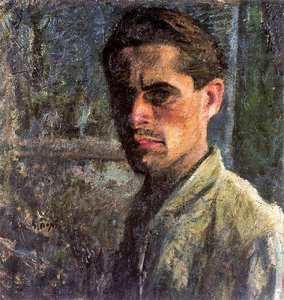
マリオ・シローニ
1885 - 1961 , イタリア
基本情報
- Artistic Movement Or Style: ノヴェチェント, 未来派
- Artists Who Influenced This Artist:
- ジャコモ・バッラ
- ジョルジオ・デ・キリコ
- Date Of Birth: 1885年5月12日
- Date Of Death: 1961年8月13日
- Full Name: マリオ・シローニ
- Nationality: イタリア人
- Notable Artworks (List Of Titles):
- ランプ(1919)
- ヴィーナス(1921-23)
- 孤独(1925)
- Place Of Birth (City And Country): イタリア、サッサリ
関連記事
Mario Sironi: A Poetic of Modern Italian Identity Through Symbolism & Social Commentary
Explore the profound works of Mario Sironi, a key figure in Italian Modernism. Discover his evolution from Futurism to Metaphysical painting and his powerful social commentary. Learn about his legacy at ArtsDot.

Elevating Corporate Events Through Artful Gifting: A Concierge Service for Personalized Artwork Selection and Delivery
Elevate your corporate events with personalized artwork! Our art concierge service offers curated collections & bespoke commissions for lasting impressions. Expert guidance, secure delivery & legal compliance guaranteed.

ブランド価値創造の芸術的贈答:戦略的な企業関係構築とステークホルダーエンゲージメント
芸術的贈答がブランド価値を飛躍的に向上させる戦略を解説。文化資本の活用、CSR活動との連携、ステークホルダーエンゲージメントを高める方法をご紹介します。成功事例も掲載。

企業における記憶に残る贈答:パーソナライズされたアートがもたらす関係性とロイヤリティの醸成
企業贈答に最適なパーソナライズアートで、ビジネスパートナーとの信頼関係を深めませんか?ブランドエクイティ向上や顧客ロイヤリティ構築に貢献する高品質な作品をご提供。ArtsDotの専門家が選ぶアートコンサルテーションも。
Giovanni Fattori: Realism, Identity & the Tuscan Landscape – A Macchiaioli Master
Explore the life & art of Giovanni Fattori, a leading figure of the Macchiaioli movement. Discover his revolutionary realism, captivating Tuscan landscapes, and lasting impact on Italian painting. Learn more at ArtsDot.